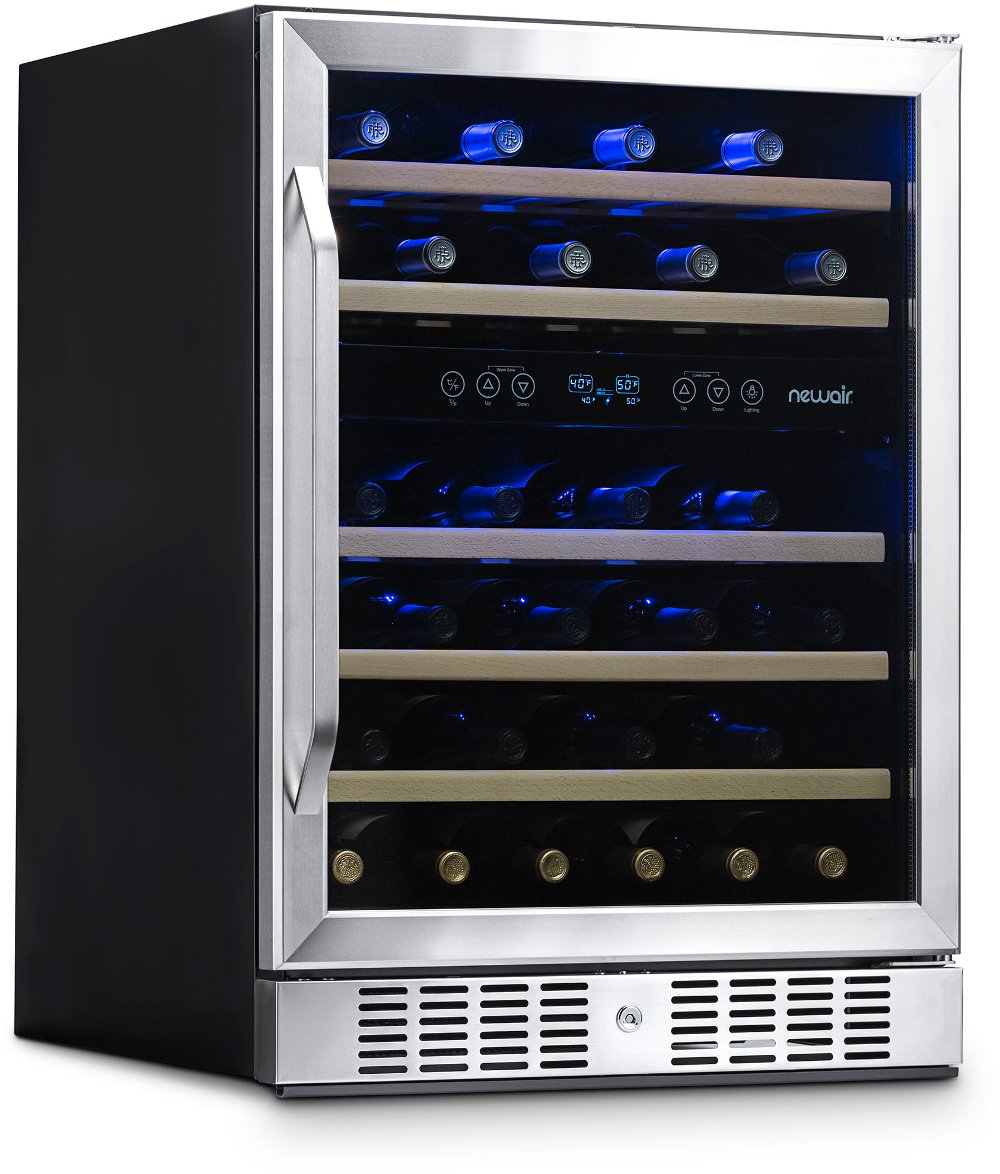
A humidity-controlled fridge helps create a better storage environment for fresh produce by managing moisture in designated compartments, usually the crisper drawers. In many refrigerators, an adjustable vent changes how much air moves through each drawer rather than changing the humidity throughout the entire appliance. A high-humidity setting closes or narrows the vent to retain moisture, which helps leafy greens such as lettuce, spinach, and kale resist wilting. A low-humidity setting opens the vent so moisture and gases can escape, making it useful for refrigerated fruits such as apples and ripe pears. These fruits release ethylene, a natural ripening gas that can speed deterioration in sensitive produce stored nearby. Separating them from leafy greens gives each group a more suitable space. Humidity control can help preserve freshness, but it doesn’t replace proper refrigeration, thoughtful packing, or using food while it’s still in good condition. For a household that brings home bunches of greens, crisp carrots, and fruit for weekday lunches, separate adjustable drawers can make the refrigerator easier to organize around the way everyone eats. One drawer can hold vegetables for salads and soups, while another keeps refrigerated fruit within reach. The practical benefit is having storage that suits the food rather than treating every shelf and compartment as interchangeable. Controls vary by refrigerator: some use a simple slider marked for fruits and vegetables, while others have specialized produce compartments with different airflow features. A temperature-controlled drawer isn’t necessarily humidity-controlled, so the distinction matters when comparing refrigerator features. Look for descriptions that clearly identify adjustable crisper humidity or a dedicated produce-preservation system. Drawer depth, visibility, and usable space matter, too. A compartment that comfortably holds a head of romaine without crushing its outer leaves may serve a vegetable-loving household better than a deeper bin where delicate produce gets buried. Clear drawer fronts also make it easier to notice the cucumber tucked behind the celery before planning another grocery trip.
The right refrigerator with humidity-controlled drawers should fit both the kitchen and the rhythm of daily meals. French-door, side-by-side, top-freezer, and bottom-freezer layouts can include produce storage features, but each arrangement gives you a different balance of shelf width, drawer access, and freezer space. Wide refrigerator compartments can accommodate a serving platter or a large container of prepared vegetables, while narrower compartments may call for smaller storage containers and more deliberate organization. Counter-depth designs generally sit closer to the surrounding cabinetry, though they often provide less interior depth than standard-depth refrigerators of similar width and height. Overall capacity tells only part of the story; the layout needs to work for the foods you regularly bring home. A couple who shops for small quantities of fresh produce may prefer easily visible, accessible drawers over maximum capacity. A larger household may need room for several bags of apples, bulky greens, and packed lunches without blocking airflow around the shelves. Before choosing a size, account for the appliance’s width, height, depth, required ventilation clearances, and delivery path. Door swing is especially important near a wall or island because some crisper drawers need the refrigerator doors opened beyond a narrow angle to slide out fully or lift free for cleaning. Comfortable handles and smoothly moving drawers make everyday use easier, particularly when carrying groceries or reaching for ingredients during dinner prep. Materials deserve a close look as well. Tempered-glass shelves provide a wipeable surface, and shelves with raised edges can help contain small spills. Transparent plastic bins make contents visible, while sturdy drawer supports and well-fitting tracks contribute to dependable use. Exterior finishes range from stainless steel to coated surfaces designed to reduce visible fingerprints, with care requirements that vary by finish. In an open kitchen, sound is another part of everyday comfort. Comparing Quiet Fridges can help you consider operating noise alongside produce storage, especially when the refrigerator sits near a dining table, living area, or work-from-home space.
Good humidity-controlled storage works best as part of a refrigerator that’s easy to keep clean, organized, and consistently cold. The fresh-food compartment should stay at 40°F or below; a separate appliance thermometer can help confirm the actual temperature rather than relying solely on a control setting. Crisper humidity settings don’t make a refrigerator colder, and tightly packing a drawer can reduce the benefit of its airflow design. Leave enough room to see what’s inside and move food without squeezing tender leaves or bruising ripe fruit. Moisture retention is helpful for many vegetables, but standing water and wet packaging can encourage spoilage. Washed greens should be dried thoroughly before storage, and a clean paper towel in an appropriate container can absorb excess surface moisture. Not every fruit or vegetable belongs in the same drawer, and some produce needs to ripen at room temperature before refrigeration. The refrigerator’s use-and-care instructions provide the best starting point for its particular controls and storage recommendations. Removable bins are a useful feature when a berry container leaks or loose onion skins collect in the corners. Most routine cleaning calls for a soft cloth, mild soap, and careful drying, following the manufacturer’s directions; abrasive scrubbers and harsh cleaners can damage plastic, seals, or exterior finishes. Glass shelves should come to room temperature before contact with warm wash water to reduce the risk of thermal shock. Keeping door gaskets clean and interior vents unobstructed also supports reliable cooling. For people who cook often, pack lunches, or want vegetables ready for a quick side dish, these everyday details can be as valuable as an elaborate control panel. During the cooler months, usable drawer space gives soup vegetables and salad ingredients a place alongside the containers and serving dishes that tend to fill the refrigerator. A well-chosen humidity-controlled refrigerator brings together appropriate produce storage, comfortable access, durable construction, and manageable care. The best fit is one that makes the ingredients you enjoy easy to find, easy to store, and ready for the meals you have planned.
Read More