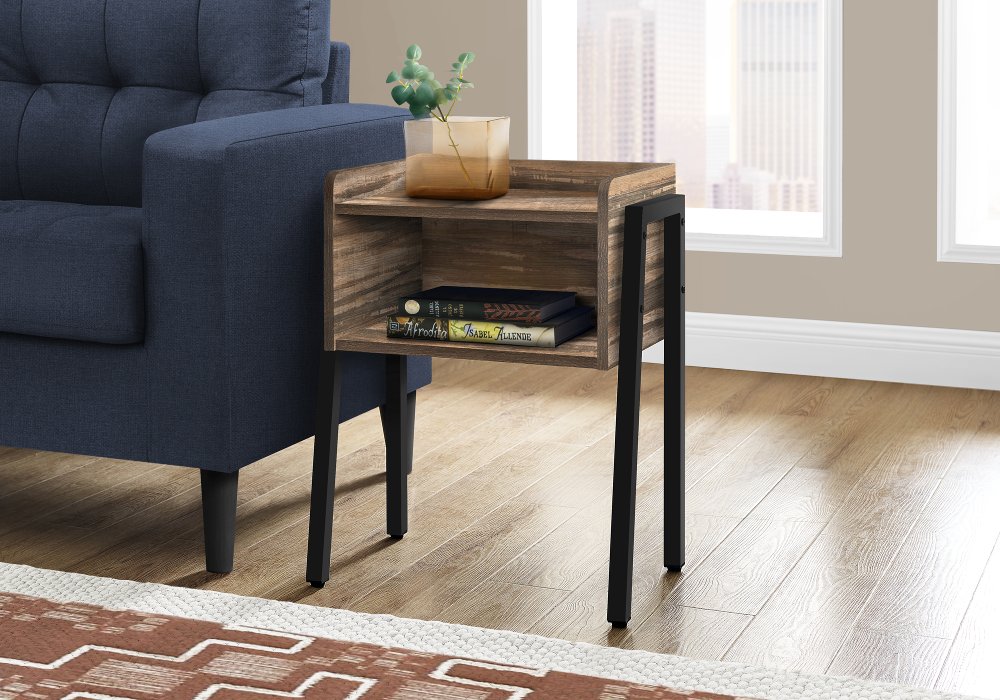
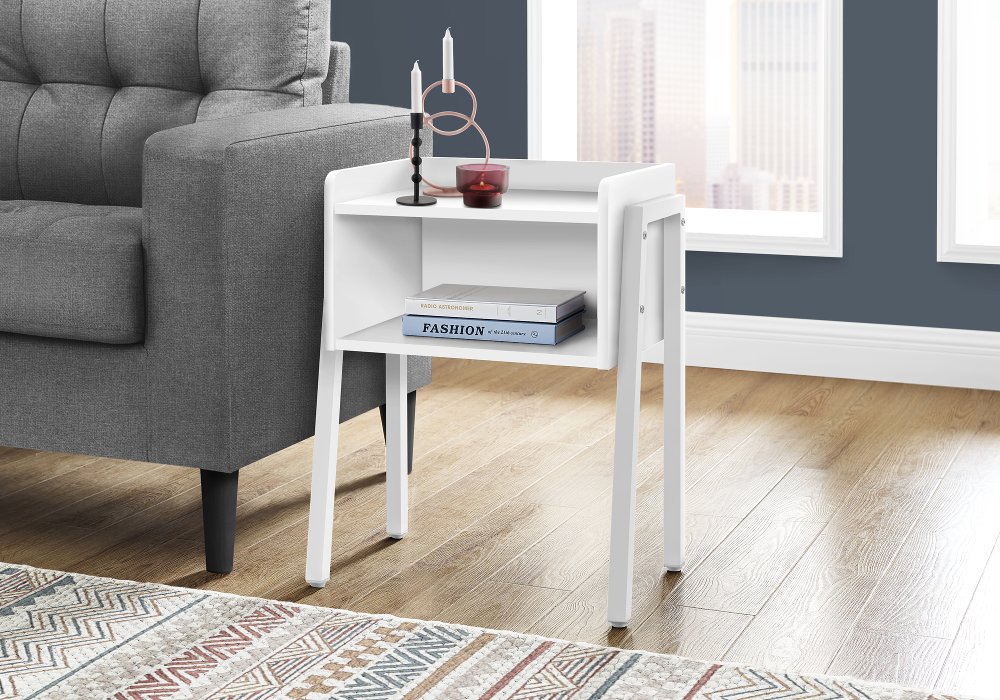
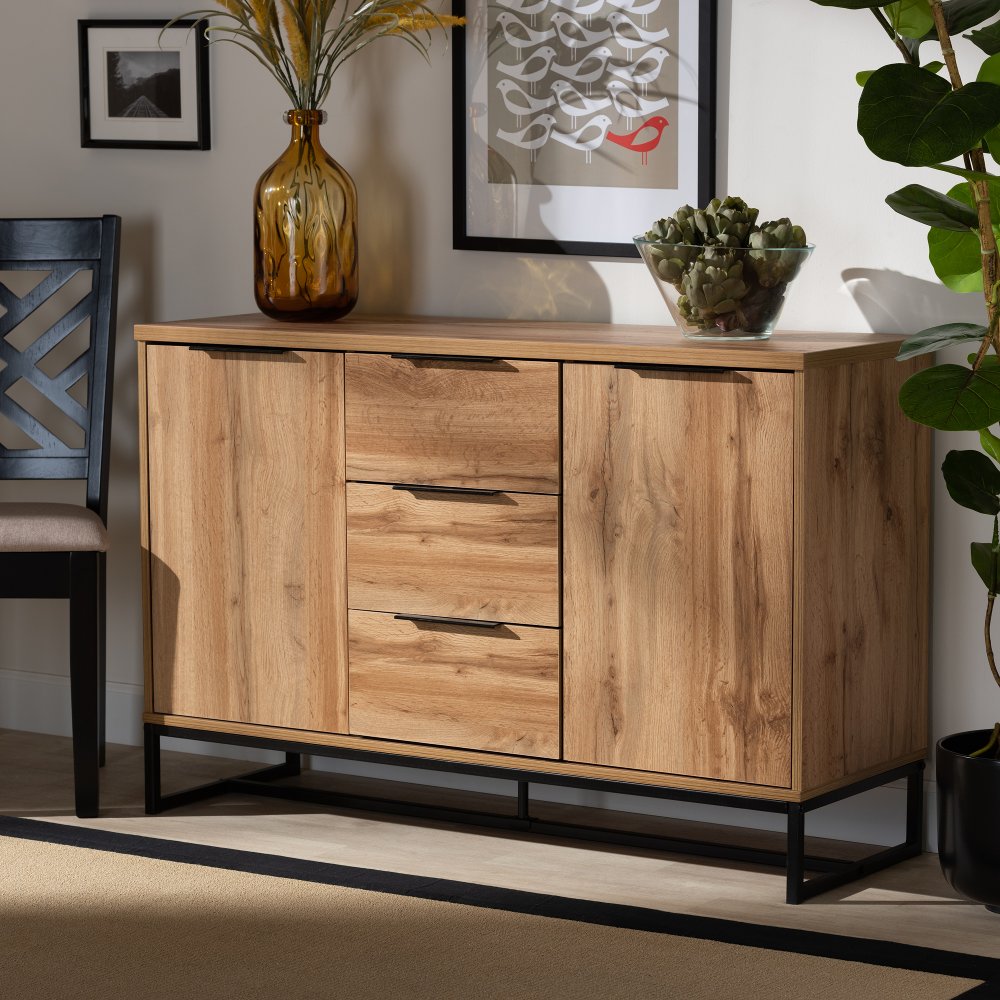
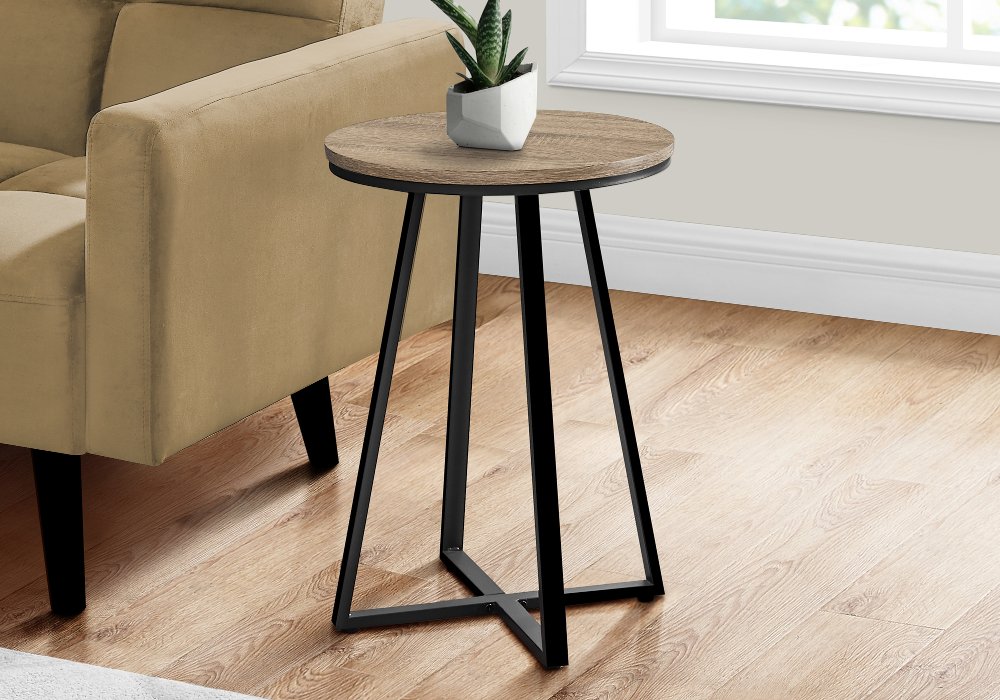
Industrial storage brings sturdy materials, practical organization, and a straightforward look to spaces that need to work as well as they look. The term covers everything from heavy-duty shelving, racks, and cabinets in commercial settings to industrial-style storage furniture made for the home. Warehouse systems are engineered for specified loads and working conditions, while home furnishings borrow the exposed metal, wood textures, and simple lines of factory-inspired design. That distinction matters: an industrial appearance alone doesn’t mean a piece can support machinery, bulk materials, or unusually heavy tools. For everyday living, industrial storage offers a useful mix of open shelves, enclosed compartments, and drawers that keep belongings accessible without letting them take over a room. A metal frame paired with warm wood can feel equally at home against exposed brick, painted drywall, or a soft area rug. Dark hardware and visible joinery give the furniture definition, while lighter wood tones help keep a small room from feeling weighed down. In a living room, that balance creates space for books, board games, extra blankets, and the small accessories that otherwise collect beside the sofa. In a dining area, storage furniture can hold serving dishes and table linens while leaving a clear surface for setting out food. An entryway benefits from a dedicated place for bags and everyday essentials, especially during the cooler months when gloves and scarves join the daily routine. For a coordinated seating area, industrial coffee tables with storage carry the same practical character into the center of the room, keeping frequently used belongings close at hand. The appeal isn’t limited to lofts or large homes. Apartment dwellers, busy households, hobbyists, and anyone sharing a home office can appreciate furniture that gives each activity a defined place. The most useful industrial storage feels connected to the way the room is actually used, whether that means displaying a collection or keeping the less attractive necessities behind a door.
Materials and construction shape how industrial storage looks, feels, and holds up over time. Steel frames can provide a rigid foundation, but strength depends on the complete design, including joints, shelf spans, fasteners, and the manufacturer’s stated weight limits. A thick-looking shelf isn’t necessarily stronger than a slimmer one, and decorative metal accents don’t establish load capacity. Solid wood contributes natural grain and variation, while wood veneers can deliver a genuine wood surface over a supporting core. Engineered wood offers another construction option, with performance that depends on its composition, finish, and intended use. Powder-coated metal often provides a durable finished surface, although scratches and prolonged moisture exposure can still cause problems. Distressed finishes can make everyday wear less visually noticeable, but they don’t make furniture damage-proof. For a shelf filled with hardcovers or a cabinet holding stacks of dinnerware, the listed capacity of each shelf matters just as much as the total capacity of the piece. Adjustable shelves can accommodate belongings of different heights when the design includes that feature; fixed shelves may be a better match for a collection that stays fairly consistent. Open shelving makes baskets, books, and frequently used supplies easy to see, while doors help conceal visual clutter and reduce direct dust exposure. Enclosed storage isn’t necessarily airtight, waterproof, or secure, so sensitive belongings may need additional protection. Drawers suit smaller objects that tend to disappear on deep shelves, and smooth operation makes a difference when those drawers get opened several times a day. In a home office, the right combination can separate paperwork from chargers and creative supplies. In a hobby space, it can keep materials organized between projects. Lockable compartments, when included, can help limit casual access, but ordinary household storage isn’t a substitute for specialized safety cabinets. Chemicals, flammable liquids, and other hazardous materials require storage designed for their specific risks. Matching construction to the contents helps keep industrial storage dependable rather than simply decorative.
Fit involves more than finding a cabinet narrow enough for an empty wall. Overall width, depth, and height determine the footprint, while interior dimensions determine whether the belongings intended for that space will actually fit. Deep shelves can accommodate larger baskets but may leave small objects hidden at the back. Shallower storage can be easier to use along a hallway or behind a dining chair, where every inch of walking space counts. Doors need room to swing, drawers need space to extend, and nearby outlets, floor vents, baseboards, and light switches should remain accessible. Tall storage can make better use of vertical space without taking up much floor area, though upper shelves are usually best reserved for lighter belongings used less often. Heavy objects belong lower down, within the furniture’s load limits, and tip-over restraints should be installed as directed by the manufacturer. This is especially important in homes with children, where shelves and drawers can invite climbing. Mobile storage can be convenient in a flexible workspace when the piece is designed for movement, but caster ratings, wheel locks, and flooring compatibility all deserve attention. Indoor furniture also needs the right environment; a damp garage or exposed patio can be harder on wood and metal than a climate-controlled room. Routine care is usually simple when it follows the finish manufacturer’s recommendations. A soft cloth removes dust from shelves and frames, prompt cleanup helps prevent moisture damage, and coasters or protective pads reduce contact with hot, wet, or rough-bottomed objects. Abrasive cleaners can scratch coatings, while excess water can affect wood surfaces and seams. Hardware may need occasional checking and tightening according to the assembly instructions, particularly on frequently used pieces. With those practical details accounted for, industrial storage can support changing household routines without making a room feel purely utilitarian. A few woven baskets soften metal shelving, neatly arranged books add color, and closed compartments leave space for the everyday belongings that don’t need to be on display. The result is an organized room with warmth, character, and room to live comfortably.
Read More