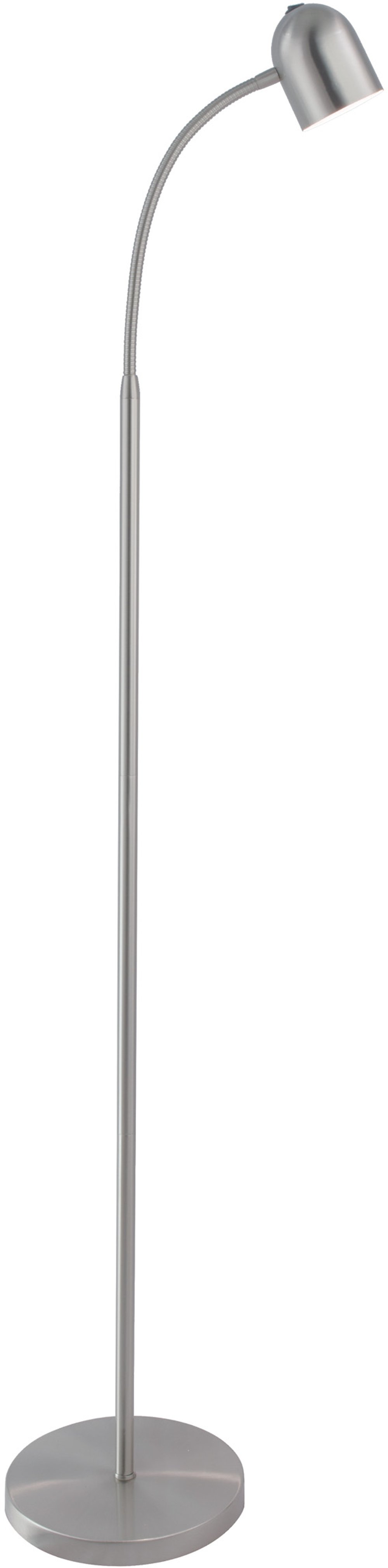
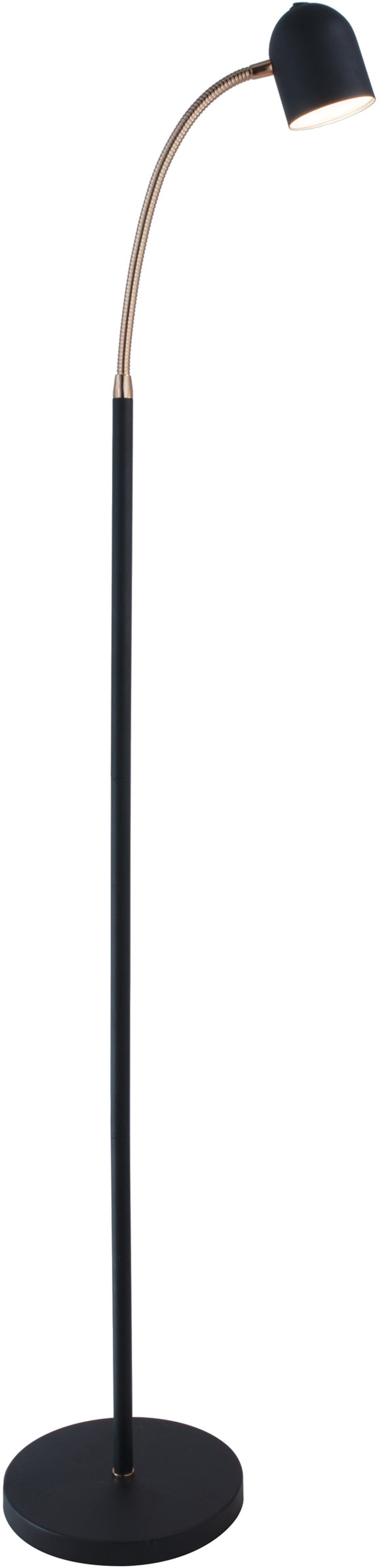
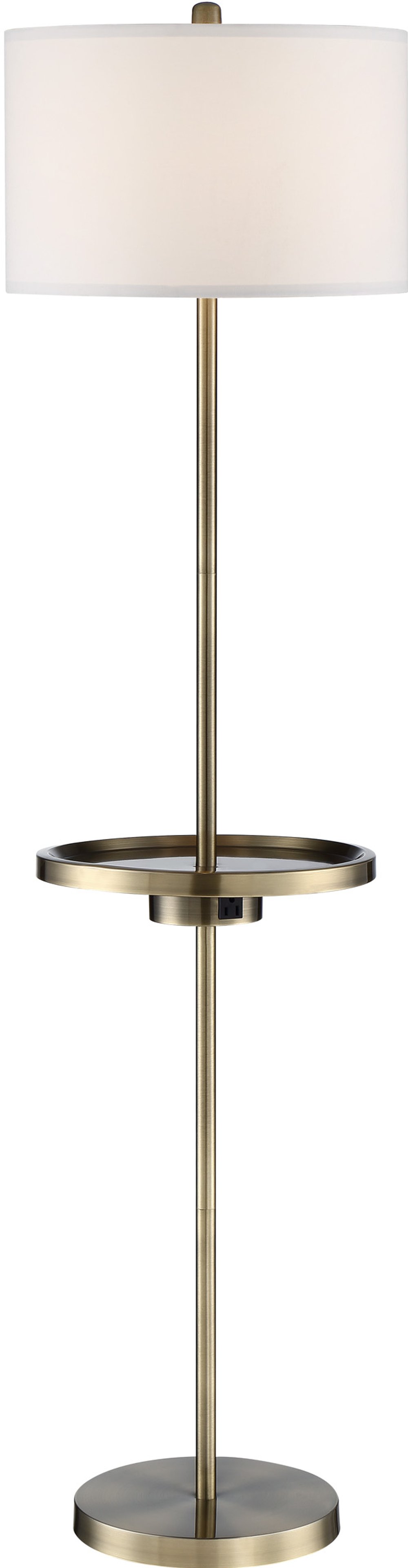
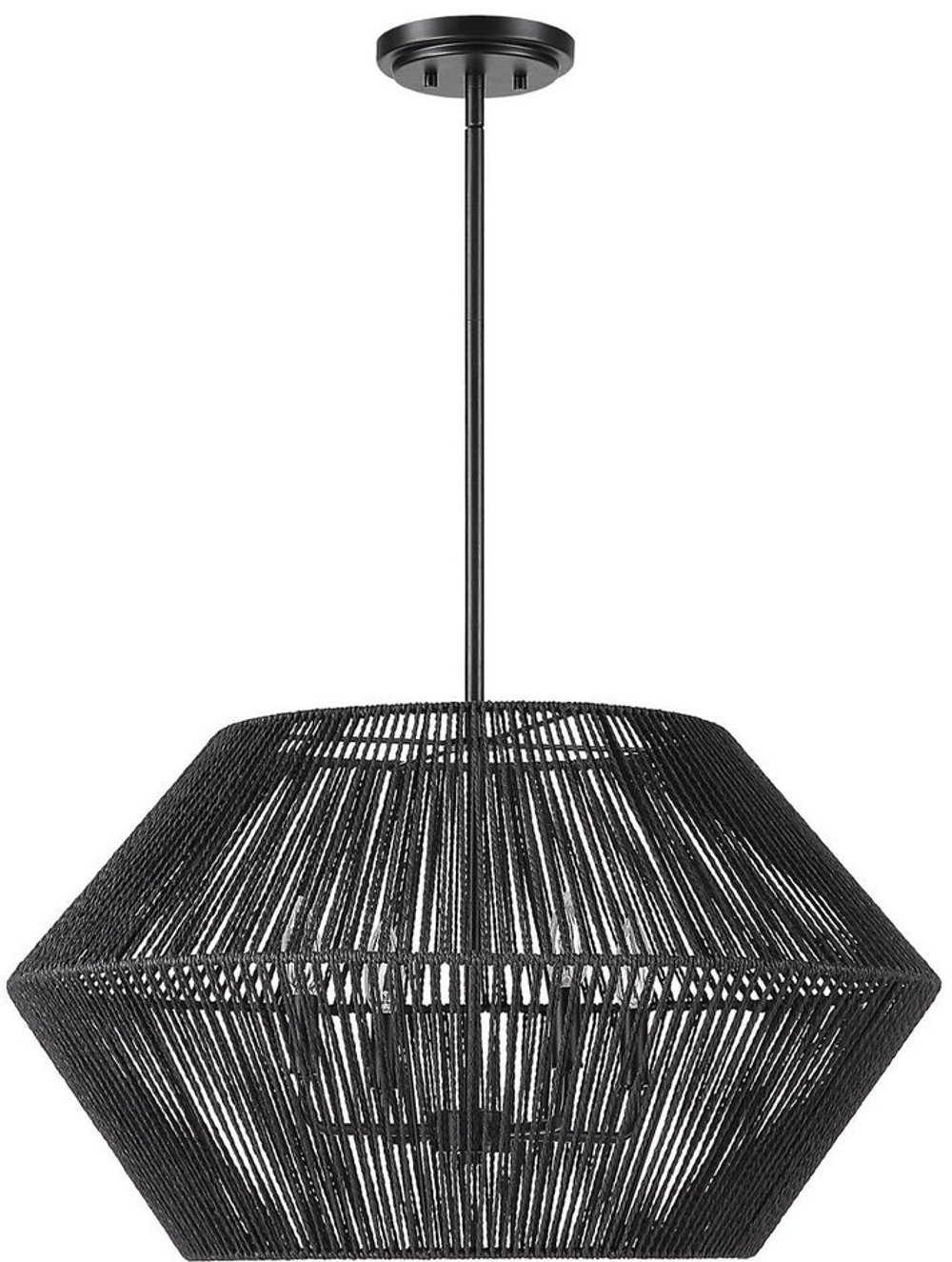
Kitchen lights bring everyday tasks into focus and help the room feel like a comfortable place to gather. The most useful kitchen lighting combines three functions: ambient lighting provides general brightness, task lighting illuminates work surfaces, and accent lighting highlights details such as open shelves or glass-front cabinets. Each serves a different purpose, so a single bright ceiling fixture may not give a countertop the same visibility as a light positioned directly above it. Flush mount ceiling lights sit close to the ceiling and suit kitchens where overhead clearance matters. Semi-flush mount fixtures extend slightly lower, adding dimension without the longer drop of a pendant. Recessed lights offer a quieter visual presence, while track lighting provides adjustable heads that can direct light toward different areas. Kitchen pendant lights bring illumination and a decorative focal point to an island, peninsula, or breakfast nook. Under-cabinet lighting fills in the space beneath upper cabinets, making a cutting board, recipe, or measuring cup easier to see without relying entirely on overhead light. Linear strips can create an even band of brightness along a counter, while puck lights produce more localized pools of light. In a busy family kitchen, those layers can support food prep at one end of an island and homework at the other. In a smaller apartment, a well-proportioned ceiling fixture and focused counter lighting can serve several needs without crowding the room. Separate controls make these combinations more flexible: brighter task lighting supports chopping and cleanup, while softer ambient light helps the kitchen connect comfortably with an adjoining living area. Fixtures with diffusers or thoughtfully shielded bulbs can also reduce harsh glare when someone is seated at the counter. The goal is useful light where daily life happens, whether that means rinsing produce at the sink, packing lunches before work, or setting out snacks for friends.
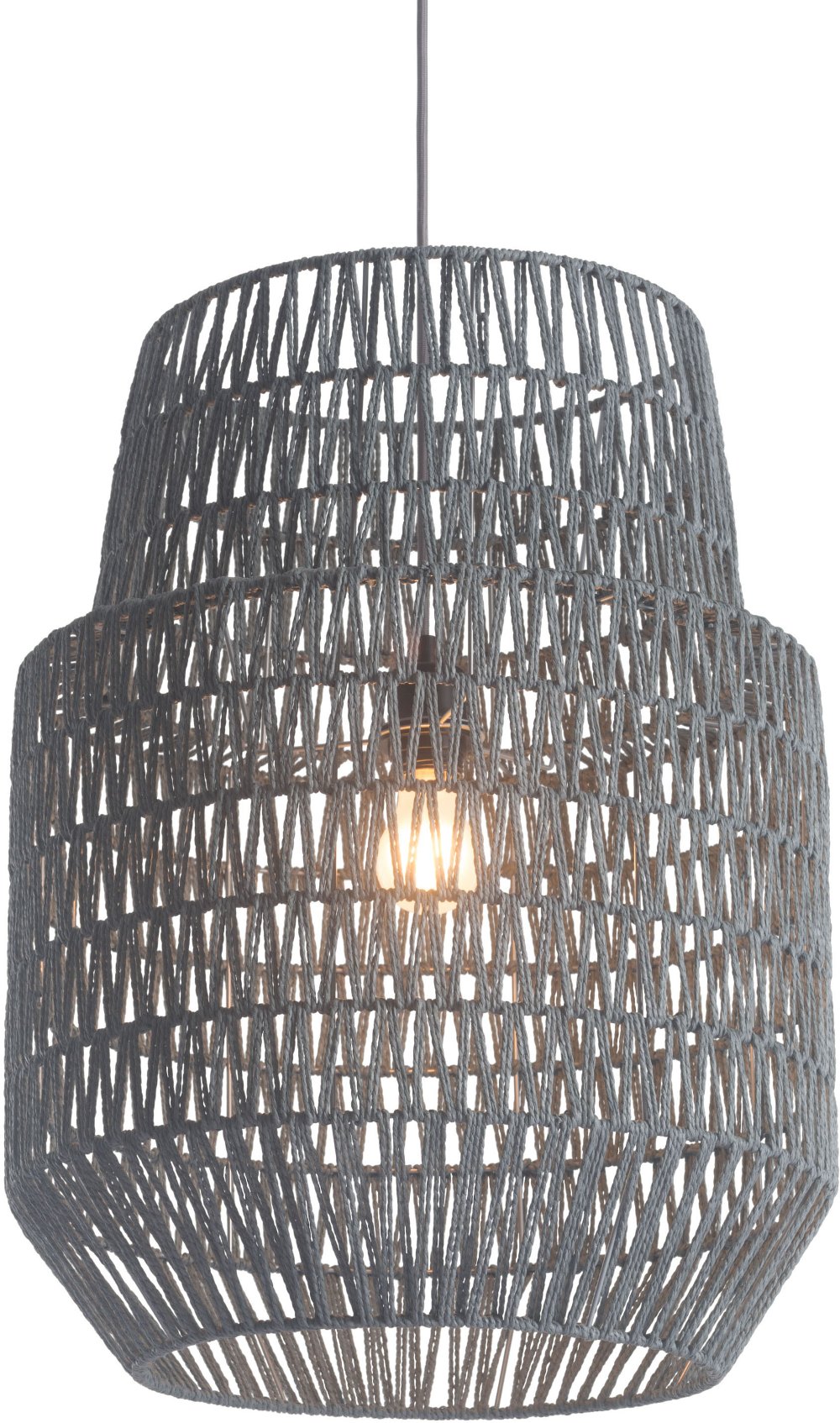
The shape, finish, and scale of kitchen light fixtures influence the room even when the lights are off. Clear glass shades keep sightlines open and let decorative bulbs become part of the design, though exposed bulbs may appear bright from a seated position. Frosted or opal glass softens the visible light source, while metal shades often direct more light downward toward a surface. A wide, shallow shade has a different presence than a narrow cylinder, even when both hang at the same height. Simple geometric forms pair naturally with streamlined cabinetry, and lantern-inspired silhouettes can add definition to a kitchen with traditional details. Matte black provides contrast against pale cabinets, brushed metallic finishes add a softer touch, and warm metal tones can complement wood grain. Matching every finish isn't necessary; repeating a shape or coordinating a fixture with cabinet hardware can make the space feel connected without looking overly uniform. For a streamlined look, modern kitchen lighting ideas offer a useful starting point for considering clean silhouettes and coordinated lighting layers. Size matters as much as style. A pendant that looks substantial in a compact breakfast nook may feel undersized above a long island, while an oversized shade can interrupt conversation across a narrow peninsula. Fixture width, ceiling height, cabinet-door clearance, and views into nearby rooms all affect the fit. Adjustable cords, chains, or downrods can help accommodate different ceiling heights, but each fixture has its own installation limits. For many island pendants, roughly 30 to 36 inches between the countertop and the bottom of the fixture is a common starting point, with adjustments for the fixture design, ceiling height, and the people using the space. Sloped ceilings require compatible mounting hardware rather than an assumption that any hanging light will work. The number of pendants also depends on their diameter and light distribution, not just the length of the island. Well-spaced fixtures leave visual breathing room and deliver light across the surface rather than concentrating it in a few bright spots.
Light quality, construction, and care help determine how well kitchen lights hold up to daily use. Lumens describe light output, while watts describe energy use; comparing lumens is more helpful than comparing wattage alone when evaluating brightness across different bulb types. Shade material and fixture design also affect how much of that light reaches the counter. Color temperature, measured in kelvins, describes whether white light appears warmer or cooler. Bulbs around 2700K to 3000K create a warm appearance, while options around 3500K to 4000K offer a more neutral look that some people prefer for work areas. Consistent color temperatures across nearby fixtures generally create a more cohesive result. A color rendering index, or CRI, of 90 or higher can help food, cabinet finishes, and countertop colors appear more natural. Dimmable lighting adds flexibility, but the bulbs, fixture, and dimmer must be compatible to work properly together. Fixtures with replaceable bulbs allow changes within the manufacturer's specifications, while integrated LED designs have built-in light sources whose serviceability varies by model. Material details deserve attention, too. Glass shades can be easy to wipe clean when accessible, but they require careful handling during removal. Smooth metal surfaces are generally simpler to dust than intricate openwork, and textured shades or fabric details may need more frequent attention in areas exposed to cooking residue. Durable finishes still benefit from gentle care: turn lights off, let them cool, and follow the manufacturer's cleaning directions rather than using abrasive pads or harsh cleaners. Mounting requirements also shape the choice. Hardwired fixtures need a suitable electrical box and secure support, and a qualified electrician can assess wiring, controls, and installation requirements. Plug-in under-cabinet lights need accessible outlets and neatly managed cords; rechargeable options need convenient access for charging. Any fixture near moisture or cooking equipment should have the appropriate rating and required clearances for its location. With these practical details considered, kitchen lighting can offer lasting everyday value through comfortable visibility, manageable upkeep, and a design that feels at home alongside the cabinets, counters, and people who use them.
Read More