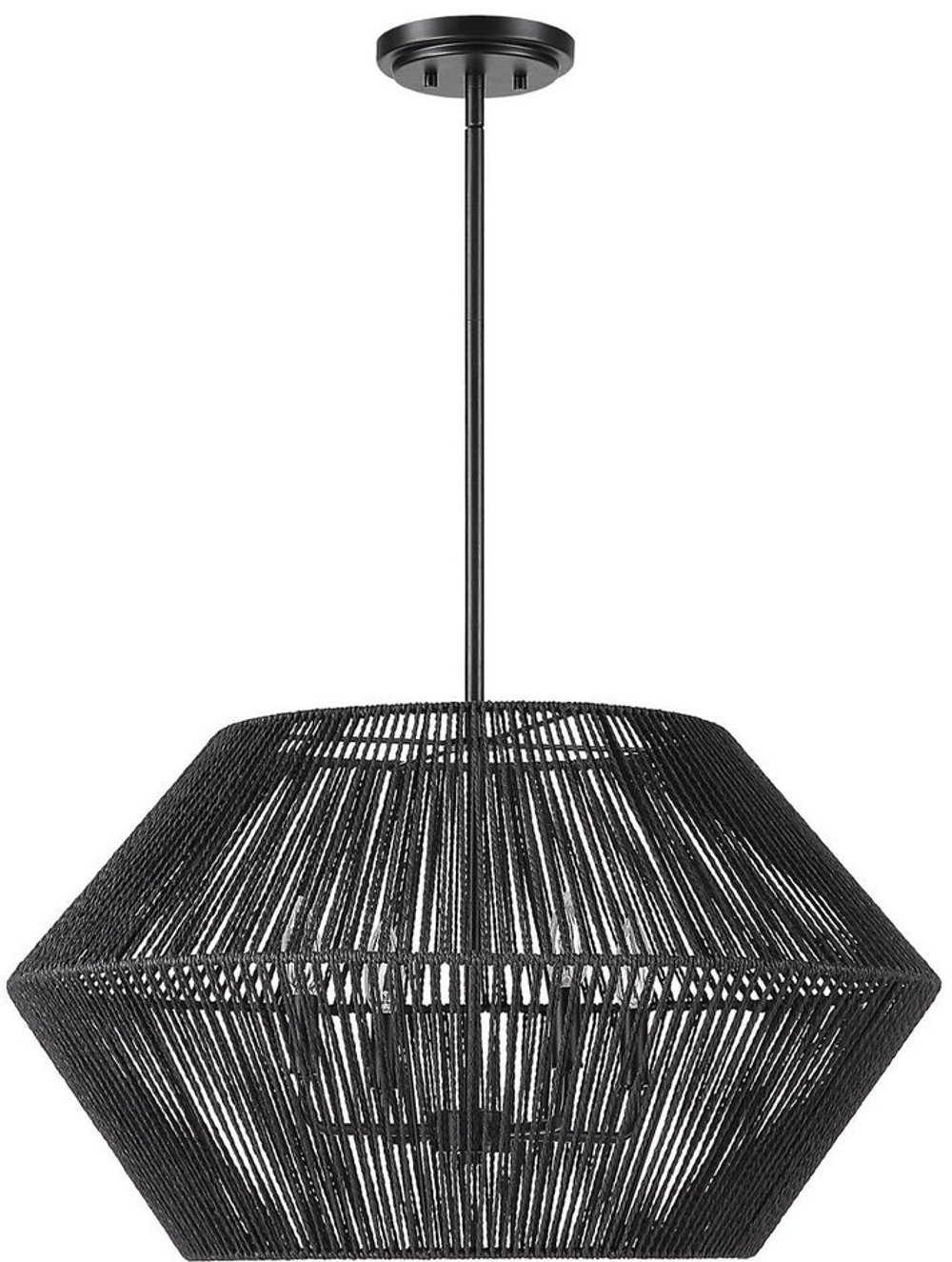
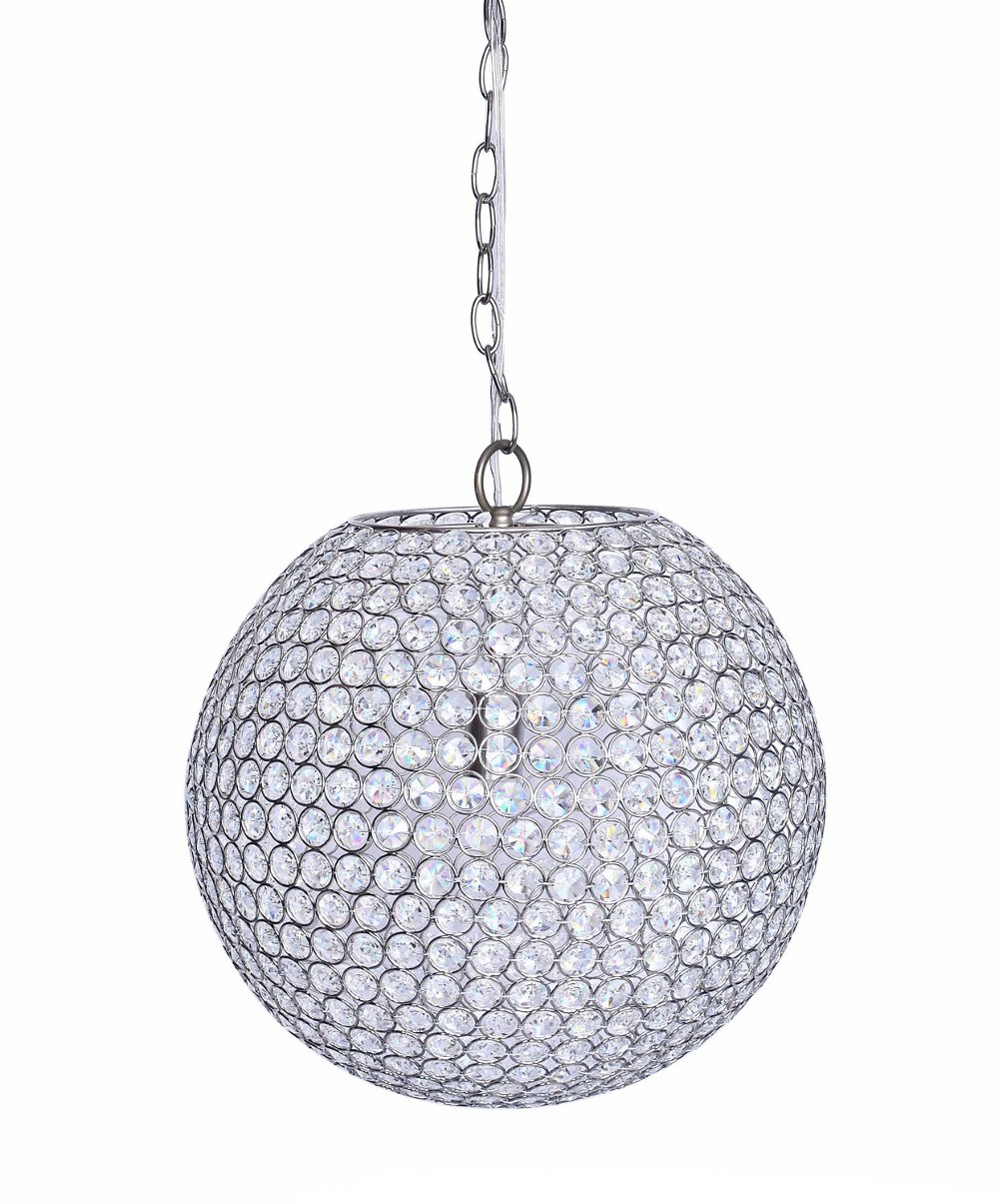
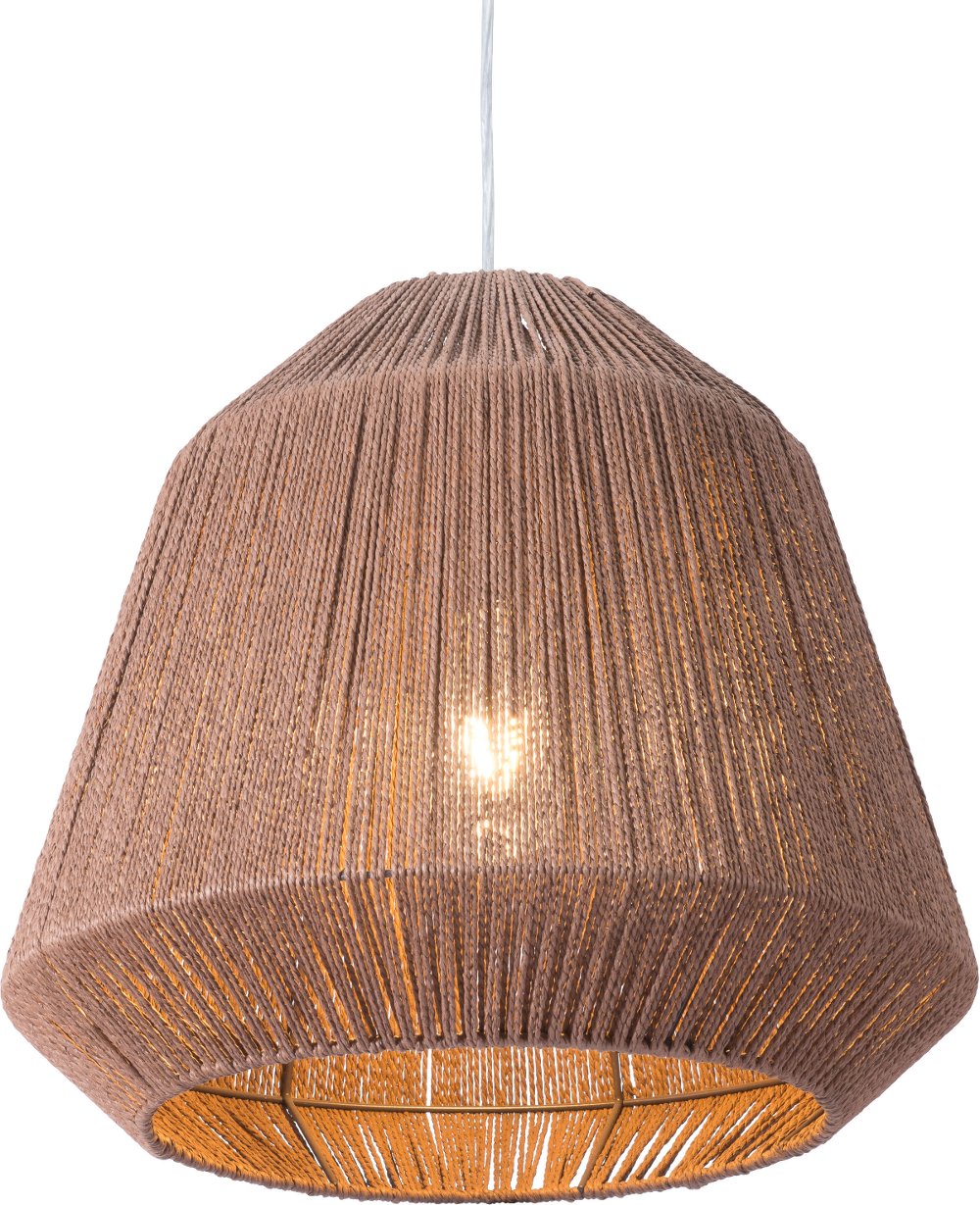
Hanging lights are ceiling-mounted fixtures suspended by a cord, chain, or metal rod, bringing light closer to the places where you gather, cook, read, and unwind. This category includes pendant lights, which typically have a single shade or lighting element, and chandeliers, which often spread several light sources across arms, tiers, or a frame. Both can provide everyday illumination while giving a room a clear focal point. Over a kitchen island, a row of pendants can brighten the counter for chopping vegetables, sorting mail, or helping with homework. Above a dining table, a chandelier or broad pendant helps define the eating area, especially in an open floor plan where there aren’t walls separating each space. A small hanging light beside a bed can leave more room on the nightstand, while a larger fixture in a tall entryway helps the space feel welcoming rather than empty overhead. The shade and shape influence how that light reaches the room. Opaque metal shades generally direct more light downward, making them useful over work surfaces. Clear glass lets light travel outward and keeps the fixture visually open, though an exposed bulb can create glare if it sits directly in your line of sight. Frosted glass and fabric shades soften brightness for a gentler glow around seating and dining areas. Open frames offer a lighter-looking alternative to solid shades, particularly when a fixture hangs in front of windows or across views into another room. Hanging lights work best as part of a balanced lighting arrangement: a pendant may illuminate the breakfast table beautifully without lighting every corner of the kitchen. Pairing overhead fixtures with recessed lighting, sconces, or lamps gives you more flexibility, from a bright room for everyday tasks to a softer setting for dinner. During the cooler months, that flexibility can make long evenings at home feel especially comfortable.
The right size and suspension help hanging lights look at home rather than squeezed in or lost against the ceiling. Room dimensions matter, but so do the furniture below the fixture, the ceiling height, and the paths people take through the space. A substantial shade can suit a broad dining table, while a narrower design may feel more comfortable above a small breakfast nook. Over an island, several smaller pendants can distribute light along the work surface; a linear fixture can create a similar sense of balance with one continuous form. Leave visual breathing room between shades and along the ends of the island so the arrangement doesn’t feel crowded. For many rooms with standard-height ceilings, positioning the bottom of a pendant roughly 30 to 36 inches above a dining table or kitchen countertop is a useful starting point. The final height should account for the fixture’s dimensions, the manufacturer’s directions, and seated and standing sightlines. A light over a table shouldn’t block conversation, and a kitchen pendant shouldn’t hide the person across the counter. Fixtures above open walking areas need substantially more clearance; about 7 feet from the floor to the bottom of the fixture is a common minimum, though local requirements and the setting may call for more. Suspension details also affect fit. Cords can give a simple, relaxed appearance, rods create clean lines, and chain pendant lights add visible texture that works with both classic and casual interiors. Adjustability varies, so check the minimum and maximum hanging lengths rather than assuming every fixture can shorten to the same height. Sloped ceilings may require a compatible canopy or adapter, and heavier fixtures need an electrical box and support rated for their weight. Hardwired lighting is a lasting part of the room, making a qualified electrician a helpful partner for checking support, wiring, placement, and applicable code requirements. Plug-in hanging lights offer a different installation approach, but still need secure mounting and a cord route that stays clear of traffic.
Materials and finishes give hanging lights much of their character, while construction and care influence how well they hold up to daily life. Metal frames and shades can feel crisp and modern, softly traditional, or comfortably industrial depending on their proportions and finish. Glass adds reflection and openness, fabric brings a softer texture, and woven shades cast patterned shadows that can lend warmth to a bedroom or sitting area. Those shadows are part of the appeal, but a tightly woven or dark shade may provide less usable light than its size suggests. Smooth glass and metal are often practical near cooking areas because their accessible surfaces are easier to wipe clean than textured fabric or woven fibers. Let fixtures cool and follow the manufacturer’s cleaning directions; a soft cloth and gentle methods help protect coatings, while abrasive cleaners can damage finishes. Clear glass may show fingerprints and dust more readily, and intricate frames take more time to clean than simple silhouettes. For bathrooms, covered porches, or other moisture-prone locations, the fixture must carry the appropriate damp- or wet-location rating for its placement. Bulb selection matters just as much as the shade. Lumens describe brightness, while color temperature describes how warm or cool the light appears. Warm white light around 2700 to 3000 kelvins often suits dining rooms, bedrooms, and living areas; neutral white light around 3500 to 4000 kelvins can suit kitchens and workspaces when a crisper appearance feels comfortable. Keep nearby light sources reasonably consistent for a cohesive effect across an open room. Dimming adds flexibility, provided the fixture, bulbs, and dimmer are compatible. Replaceable bulbs make future changes straightforward, while integrated LED fixtures call for attention to the stated light output, color temperature, and service options. Whether you’re furnishing a first apartment, refreshing a family kitchen, or making a dining room more inviting for guests, well-chosen hanging lights bring useful illumination and a sense of belonging to the spaces you use most.
Read More