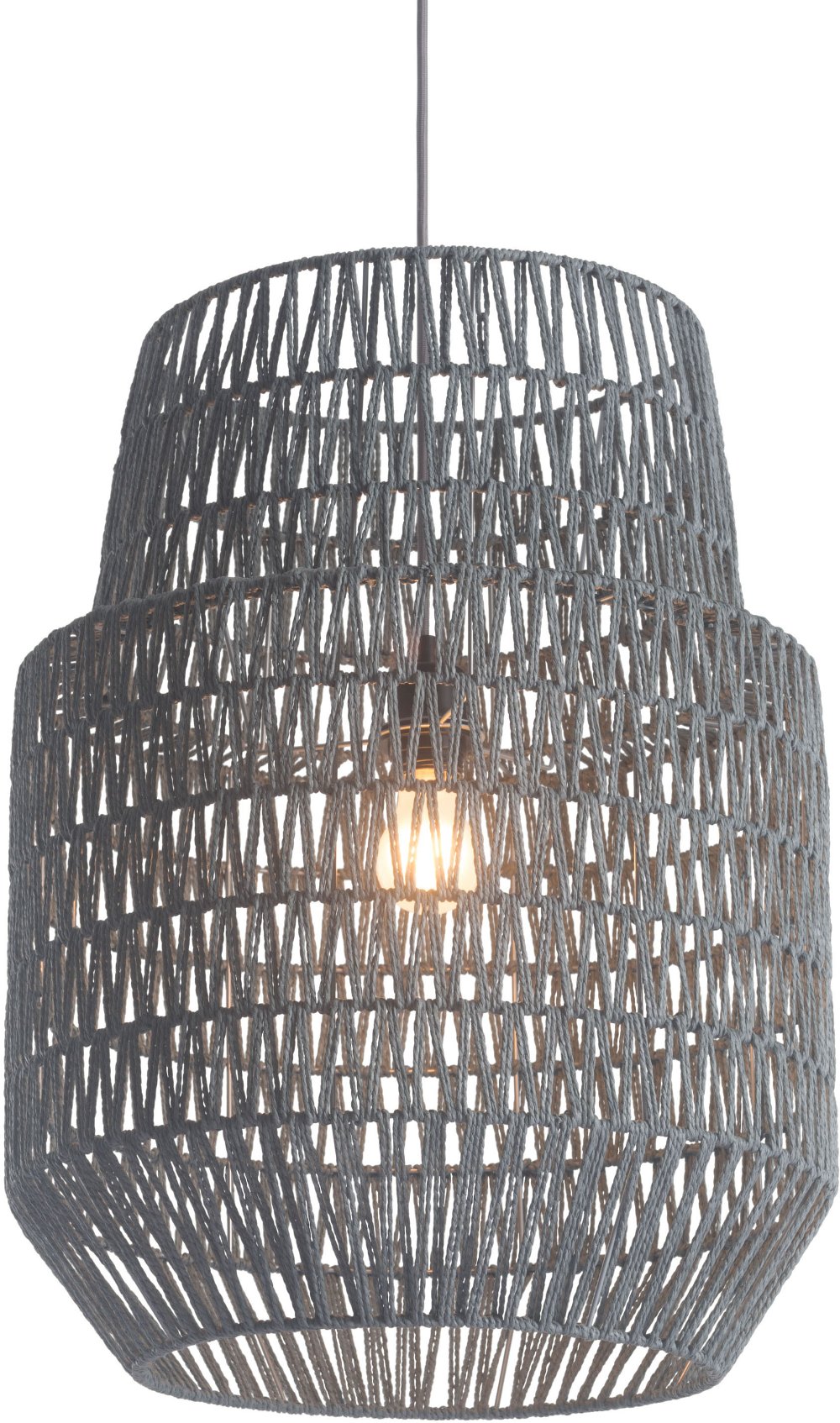
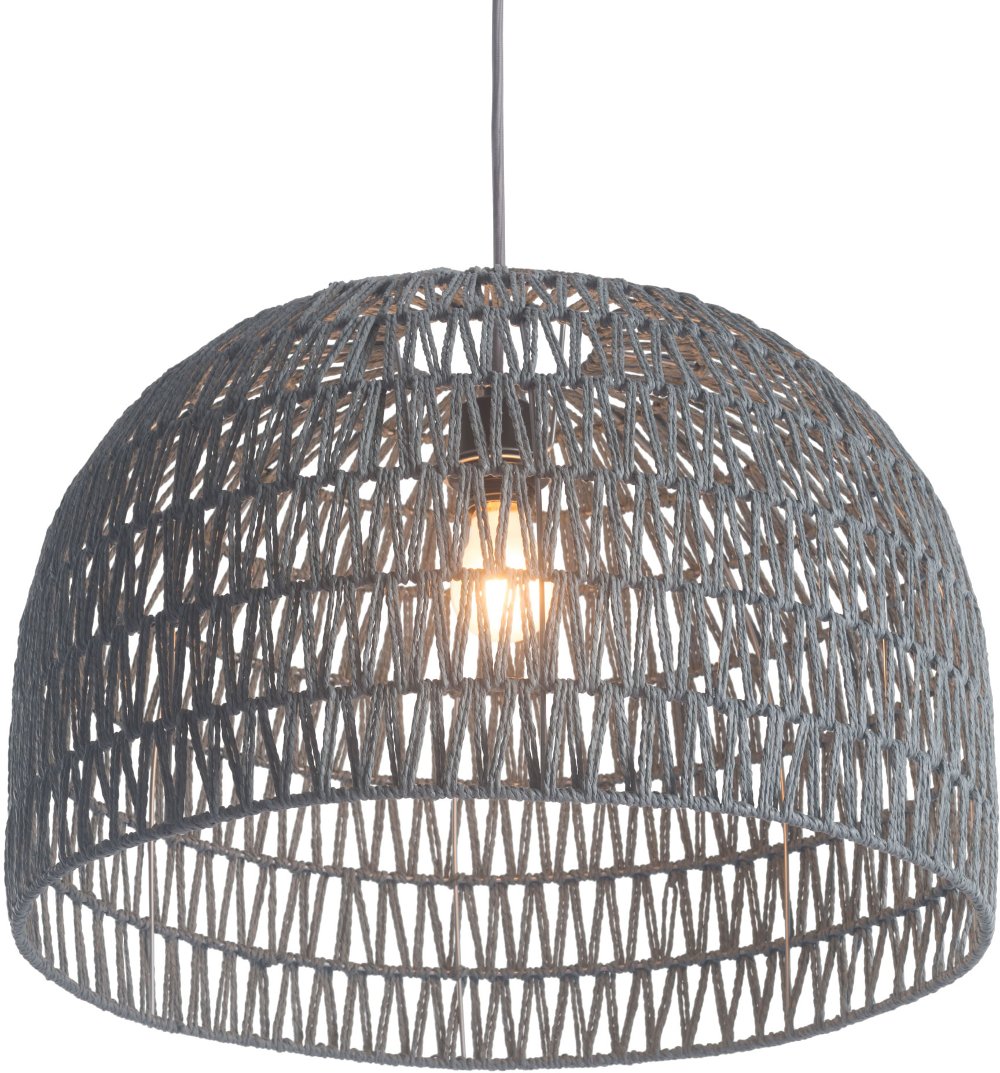
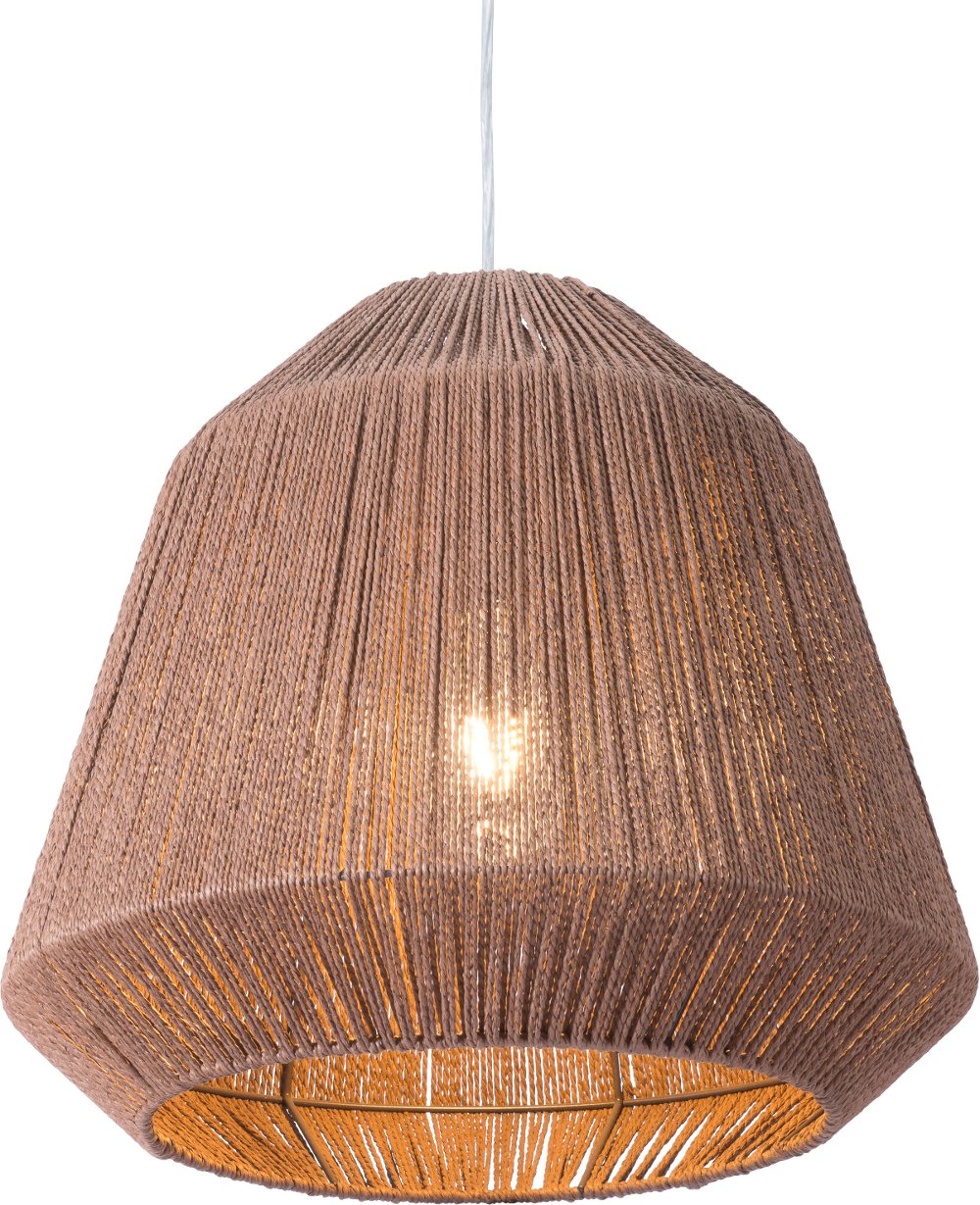
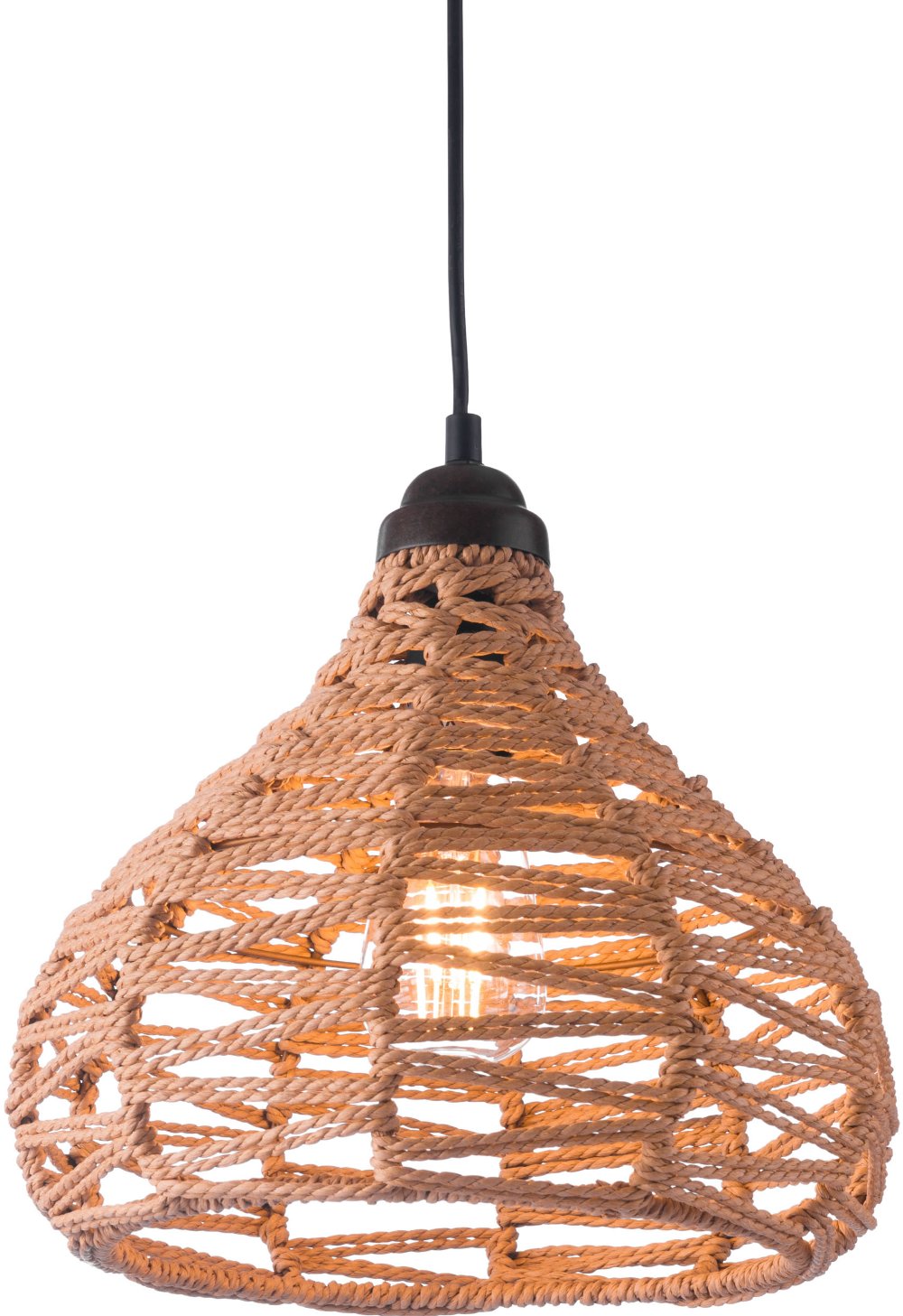
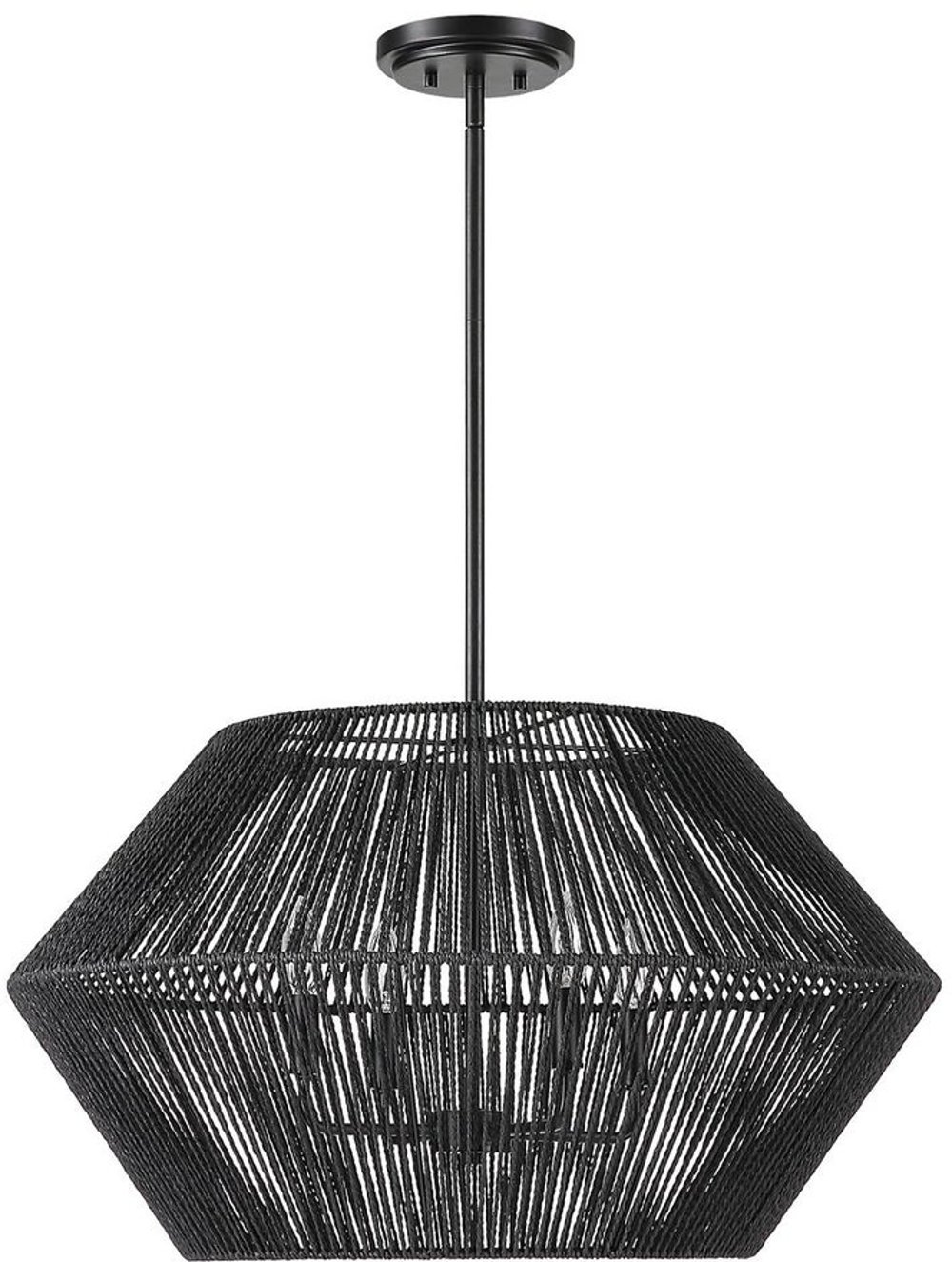
Large ceiling lamps bring scale, light, and personality to rooms that need more than a small overhead fixture can provide. Often measuring about 30 to 50 inches wide or more, these generously sized lights can anchor a spacious living room, dining area, entryway, bedroom, kitchen, or open-concept floor plan. A broad drum shade creates a softer, more even glow, while a caged design adds architectural interest and lets more light travel through the room. Multi-ring and linear silhouettes suit clean, contemporary spaces, and layered glass, crystal, or candle-inspired details can lend a traditional room a polished focal point. Flush-mount and semi-flush designs work especially well when you want a substantial presence without a long drop from the ceiling. In a room with generous ceiling height, a chandelier or pendant-style fixture can fill the vertical space and draw the eye upward. The goal is to choose a piece that feels intentional rather than oversized by accident. A large ceiling lamp should complement the room’s proportions, furniture, and everyday use while providing enough illumination for the activities that happen beneath it. In a dining room, it can define the table as the gathering place for family dinners, celebrations, and lingering conversations. In a living room, it can help connect seating areas and add a welcoming glow after daylight fades. In a foyer, it can make a memorable first impression while giving guests a clear, comfortable path through the entry. A well-chosen fixture also makes a thoughtful housewarming gift for someone settling into a new home, especially when its style is versatile enough to work with furnishings they already own.
The most reliable way to estimate the right width for a large ceiling lamp is to add the room’s length and width in feet, then use that total as an approximate fixture diameter in inches. For example, a 15-by-20-foot room adds up to 35, so a fixture around 35 inches wide may provide a balanced starting point. This is a guideline rather than a strict rule, and the room’s furniture, ceiling shape, and visual weight all matter. A large, open room with minimal furnishings may welcome a wider design, while a busy room with built-in shelving or substantial furniture may look better with a more restrained silhouette. For a dining table, select a fixture that feels proportional to the tabletop and leave comfortable clearance around the edges. The bottom of a dining light is commonly positioned about 30 to 36 inches above the table, though your preferred sightline and ceiling height can guide the final placement. In hallways and walkways, keep enough headroom for comfortable movement. Higher ceilings may call for a taller chandelier or a fixture with layered height so the light does not appear lost overhead. Rooms with ceilings above 10 feet often benefit from a lamp or chandelier that is approximately 50 to 60 inches tall, depending on the available space and the fixture’s design. Before ordering, measure the room length, room width, ceiling height, table or seating arrangement, and the distance between the ceiling junction box and any nearby doors or cabinet fronts. These simple measurements can prevent an otherwise beautiful light from crowding the room or appearing too small to make an impact.
Brightness and installation deserve just as much attention as appearance. Check the fixture’s recommended bulb type, maximum wattage, number of sockets, and compatibility with LED bulbs. LEDs can offer bright, efficient illumination and a range of color temperatures, from warm light that feels cozy in a family room to a cleaner white that supports food preparation or detailed tasks. A dimmable ceiling lamp gives you more flexibility throughout the day: brighter light can help with homework, cleaning, or hosting, while a lower setting creates a relaxed atmosphere for dinner or quiet evenings during the cooler months. Make sure the bulbs, dimmer, and fixture work together, since not every bulb or control is compatible with every lamp. Consider the direction of the light, too. Upward illumination can bounce off the ceiling for a gentler effect, while downward-facing shades can concentrate light over a table, island, or seating area. Transparent elements may spread brightness more widely, whereas opaque shades create a more focused and intimate feel. Large ceiling lamps can be particularly useful in rooms that receive less natural light as the days become shorter, helping the home stay comfortable and inviting without relying on a collection of small lights alone. For additional decorative illumination at eye level, consider pairing an overhead fixture with table lighting such as Large Statement Table Lamps, floor lamps, sconces, or under-cabinet lights. Installation should be handled with care: confirm that the ceiling box can support the fixture’s weight, turn off power before any electrical work, and ask a qualified electrician to complete the installation when wiring, reinforcement, or a new junction box is needed. With the right proportions, light output, and placement, a large ceiling lamp becomes more than a source of illumination. It gives the room a finished look, supports the way you live, and creates the warm center of attention that makes people want to stay awhile.
Read More