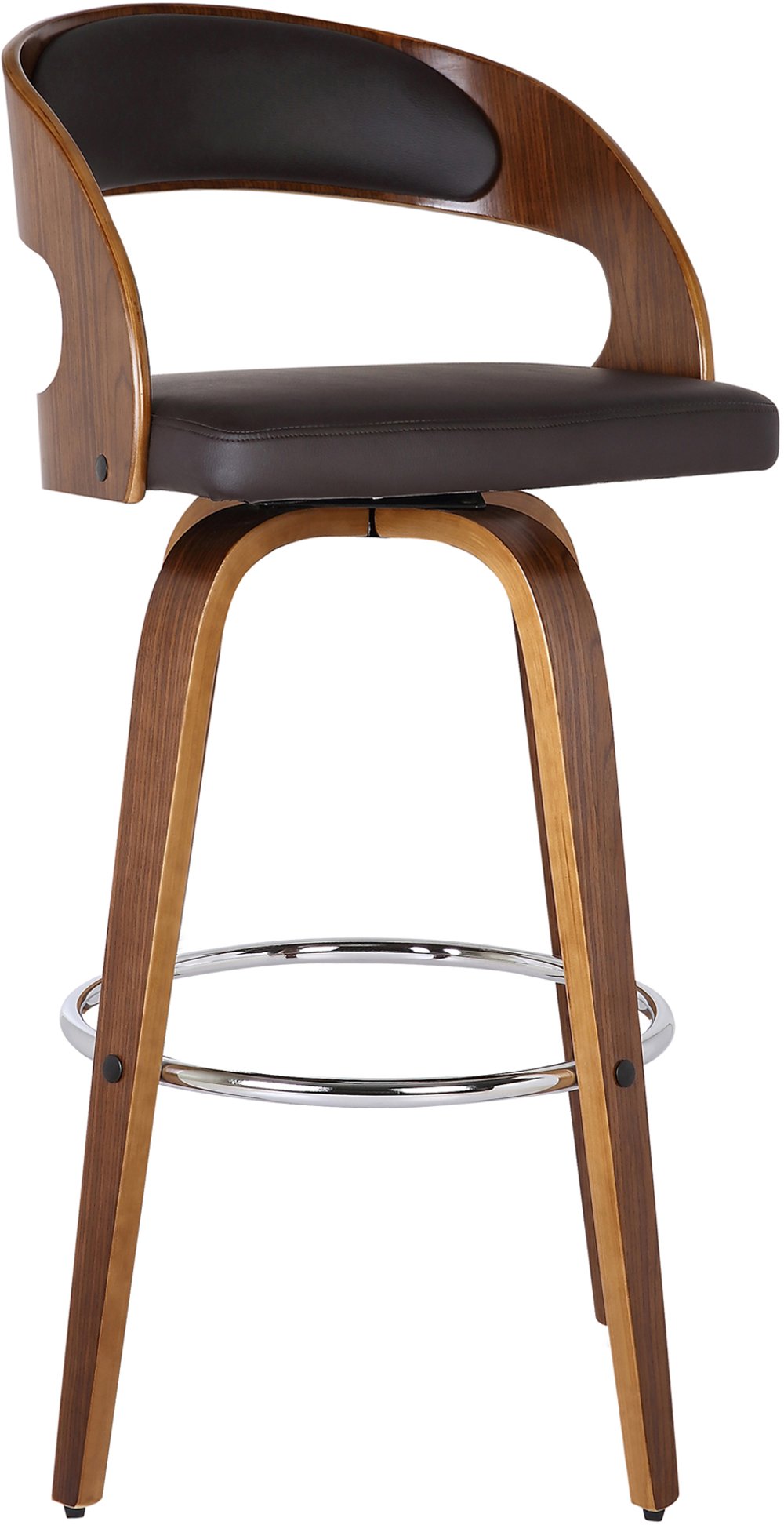
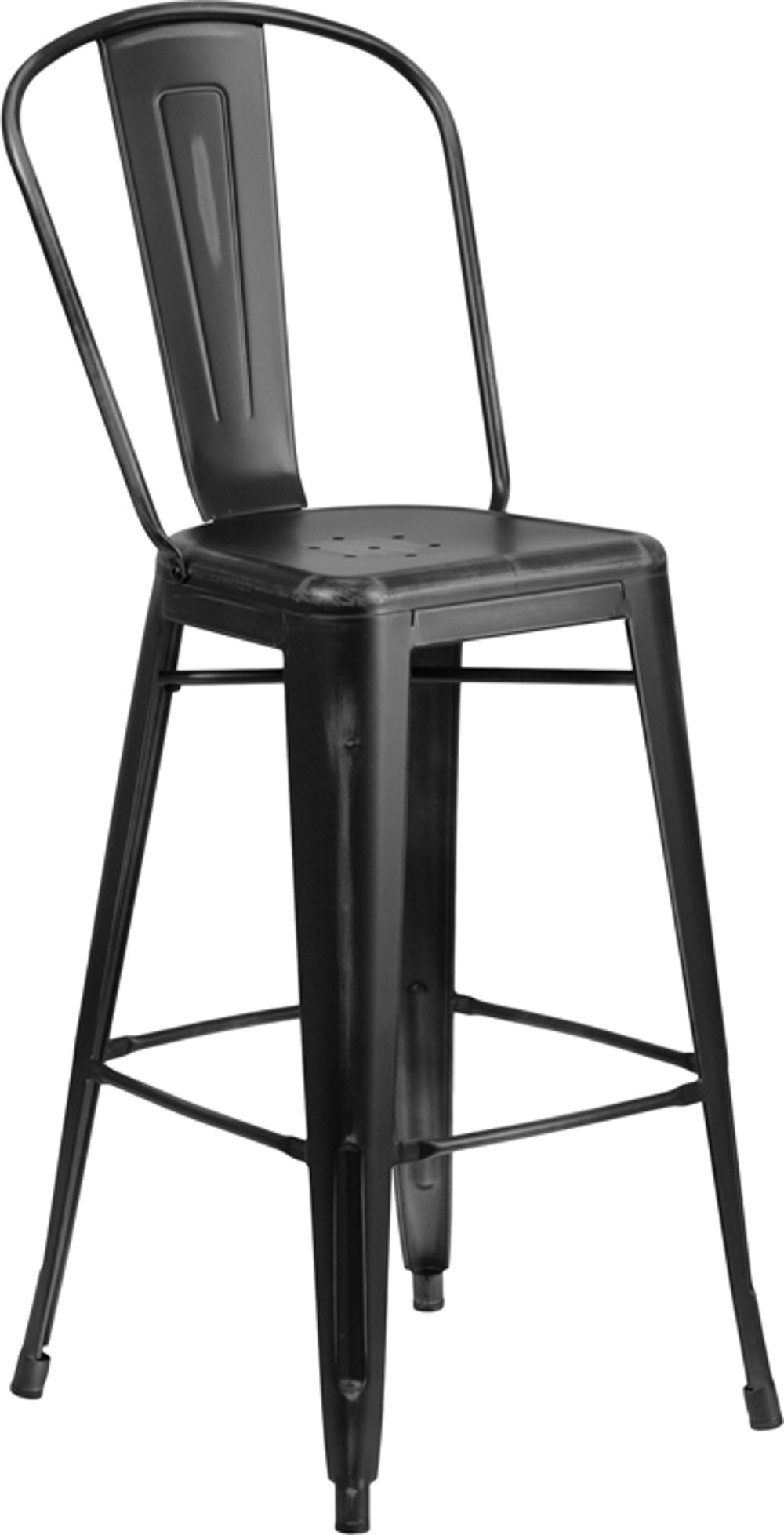
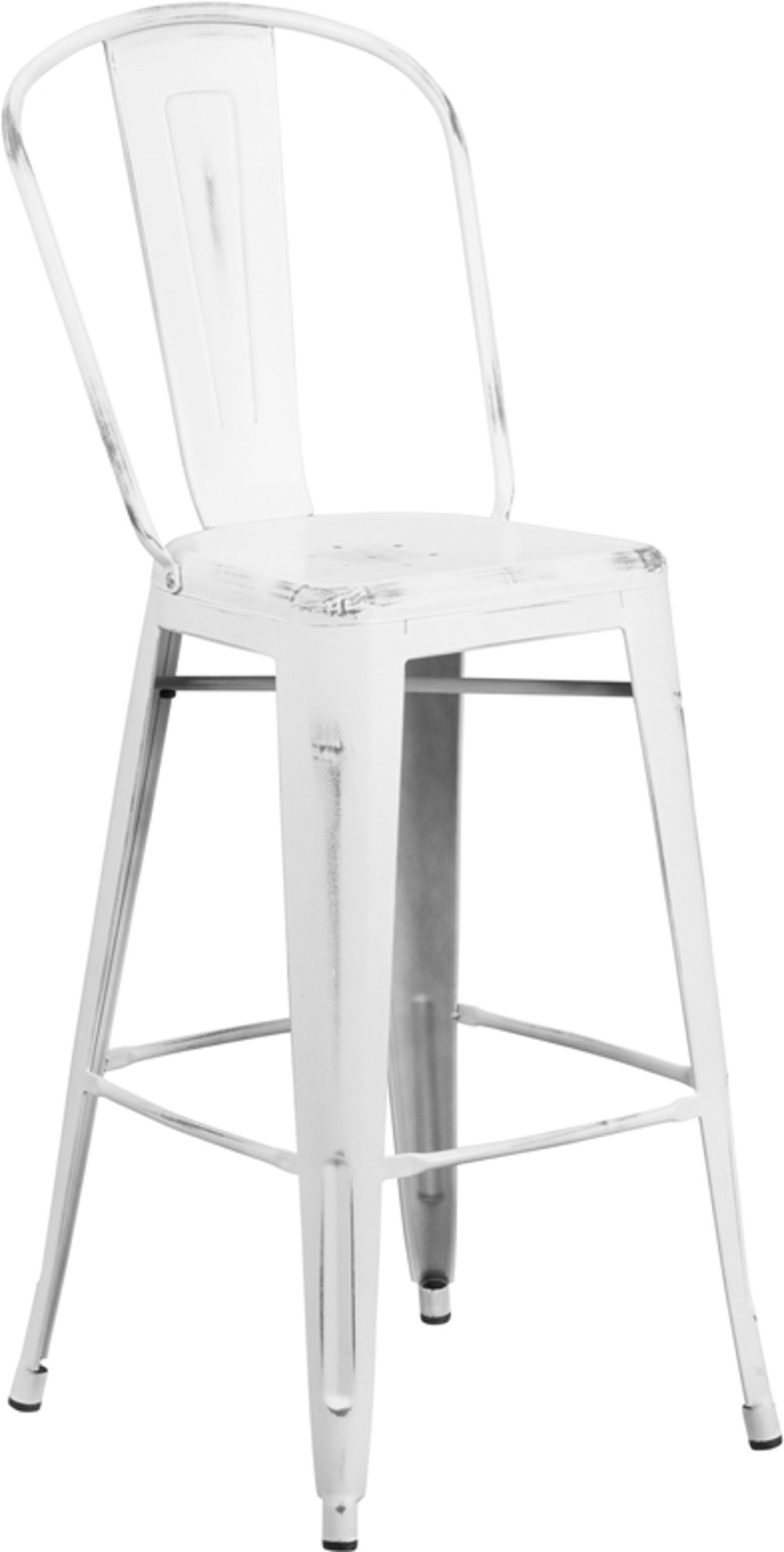
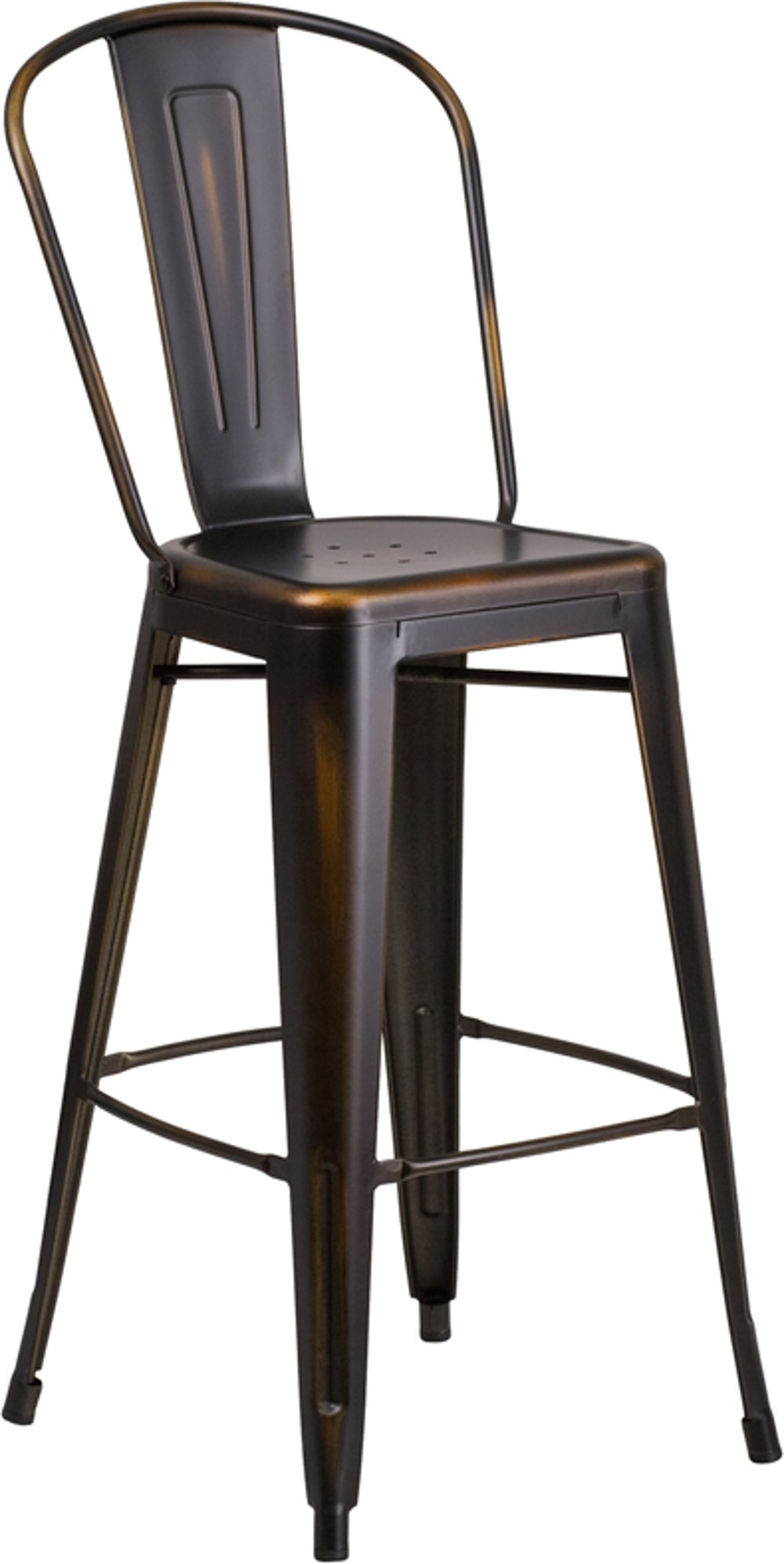
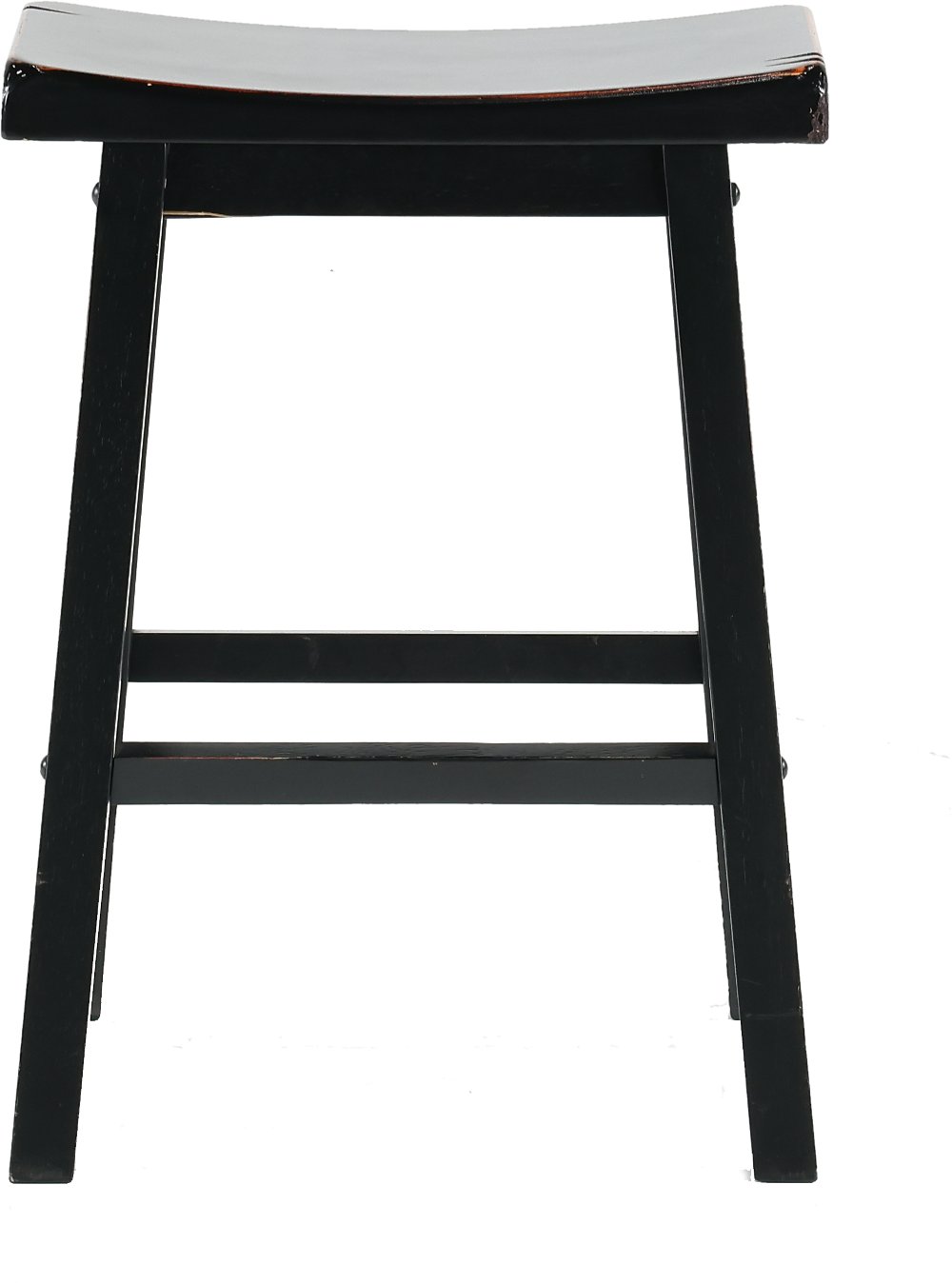
Leather bar stools with backs bring the comfort of an upholstered seat to the places where everyday life tends to gather: the kitchen island, a breakfast counter, or a home bar with room for a few friends. A supportive back gives you somewhere to settle during a lingering conversation, while leather upholstery adds texture without the busy look of a patterned fabric. The effect can feel tailored and polished or relaxed and lived-in, depending on the leather’s finish, the frame, and the shape of the seat. Black leather paired with slender metal legs creates a crisp outline against light cabinetry. Warm brown upholstery and a wood frame can soften a kitchen with stone countertops and stainless steel appliances. For a warmer palette, brown bar stools with backs offer a useful starting point for coordinating with oak floors, walnut accents, or earthy tile. Color is only part of the story, though. Smooth upholstery, visible stitching, tufting, and curved backrests each change how a stool feels in the room. A low back keeps sightlines more open between the kitchen and living area, while a taller back creates a more substantial presence around a dedicated bar. Material descriptions deserve a close look because genuine leather, leather-match upholstery, bonded leather, and faux leather aren’t interchangeable. Full-grain leather retains its natural grain and markings, while top-grain leather has been sanded or otherwise refined for a more uniform surface. Leather-match upholstery typically combines genuine leather on certain contact areas with a coordinating synthetic material elsewhere; the exact placement varies. Bonded leather contains leather fibers joined with binders, while faux leather is a synthetic alternative with its own care requirements. Those differences affect feel, aging, and upkeep. Natural variations can give genuine leather character, but not every finish develops the same patina or handles spills equally well. For a counter that doubles as a coffee stop, homework station, and casual dining spot, the upholstery details matter just as much as the silhouette.
A good fit starts with the relationship between the seat and the surface above it. Although “bar stool” is often used as a broad category name, counter-height and bar-height seating serve different surfaces. Counters around 36 inches high generally pair with seats about 24 to 26 inches high, while bars around 40 to 42 inches high typically call for seats about 28 to 30 inches high. Aim for roughly 10 to 12 inches between the top of the seat and the underside of the counter, then account for thick tops, support brackets, or an apron that could reduce legroom. Measure the actual space rather than relying on the room’s label. A raised breakfast bar may need a different seat height than the island beside it. Width matters, too, especially with leather bar stools with backs and arms. Allow enough space for someone to sit down, shift position, and get up without bumping the next person. About 26 to 30 inches from one seat’s center to the next is a useful starting point, with extra room for wider seats or swiveling designs. Check whether armrests fit beneath the counter and whether the backrest will hit the edge when the seat turns. Along a busy walkway, a stool’s overall depth can matter more than its seat width; a gently reclined back may extend farther into the room than expected. Comfort also comes from details that aren’t obvious in a straight-on photo. A footrest supports the feet when they can’t reach the floor, a contoured back offers a different feel than a flat panel, and seat depth affects whether someone can sit back comfortably. Firm cushioning can feel supportive for meals, while thicker padding may suit longer conversations. Swivel seating makes it easier to turn toward the living room without dragging the entire stool, while a stationary frame offers a straightforward, settled feel. For children or anyone who finds elevated seating difficult, consider access, stability, and foot support rather than assuming a backrest alone makes a stool suitable.
Durability depends on the whole stool, not just the upholstery. A well-constructed wood or metal frame, secure joints, and a sturdy footrest all contribute to seating that handles regular use. Wood brings visible grain and a furniture-like warmth, while metal can create a slim profile that works well in smaller spaces. Neither material guarantees a stronger stool on its own, so review construction details, the stated weight capacity, and any assembly requirements. Footrests see frequent contact from shoes, making their finish and attachment points worth checking. Protective glides suited to your flooring help limit scuffs, and lifting rather than dragging a stool reduces strain on both the floor and the frame. Leather care is usually manageable, but it should always follow the upholstery manufacturer’s directions. Remove dust with a soft cloth, blot spills promptly instead of rubbing them across the seat, and use only cleaners approved for the specific finish. A protected leather surface may tolerate everyday messes differently than an absorbent aniline leather, so a cleaning routine that works for one stool may not suit another. Household degreasers, abrasive pads, and excess moisture can damage upholstery, and leather conditioner isn’t appropriate for every material or coating. Keep seating away from prolonged direct sunlight and concentrated heat when possible to help reduce fading and drying. At a kitchen island, wiping up splashes before they settle into seams helps keep the upholstery looking cared for. Households with pets should also consider that claws can scratch leather, even when the frame and cushion are built for frequent use. For a couple sharing quick breakfasts, a roomy seat and comfortable back may take priority. For a home that regularly hosts friends, easy movement and enough elbow room can make the bigger difference. Matching every finish isn’t necessary; repeating one element, such as the frame color or a warm upholstery tone, can connect the seating to the rest of the room. The most useful choice brings those visual details together with the right height, dependable support, and care requirements that fit your everyday routine.
Read More