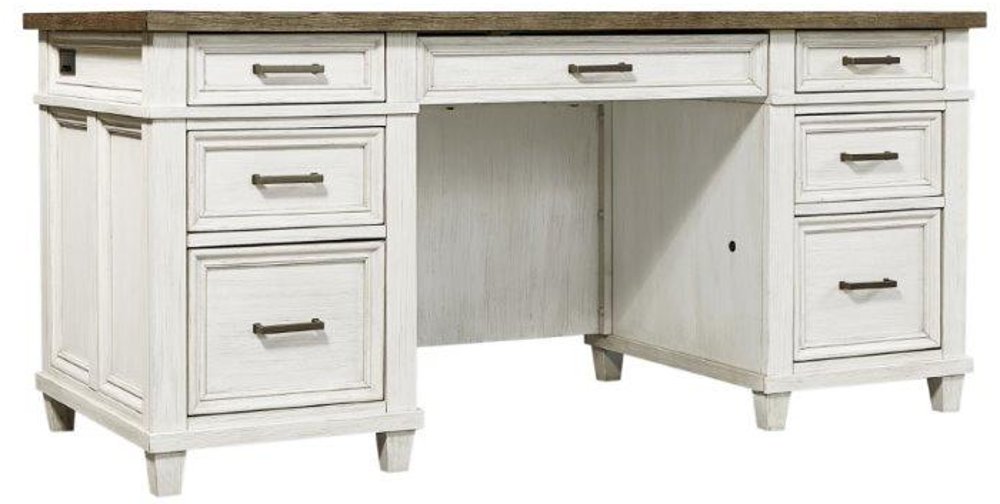
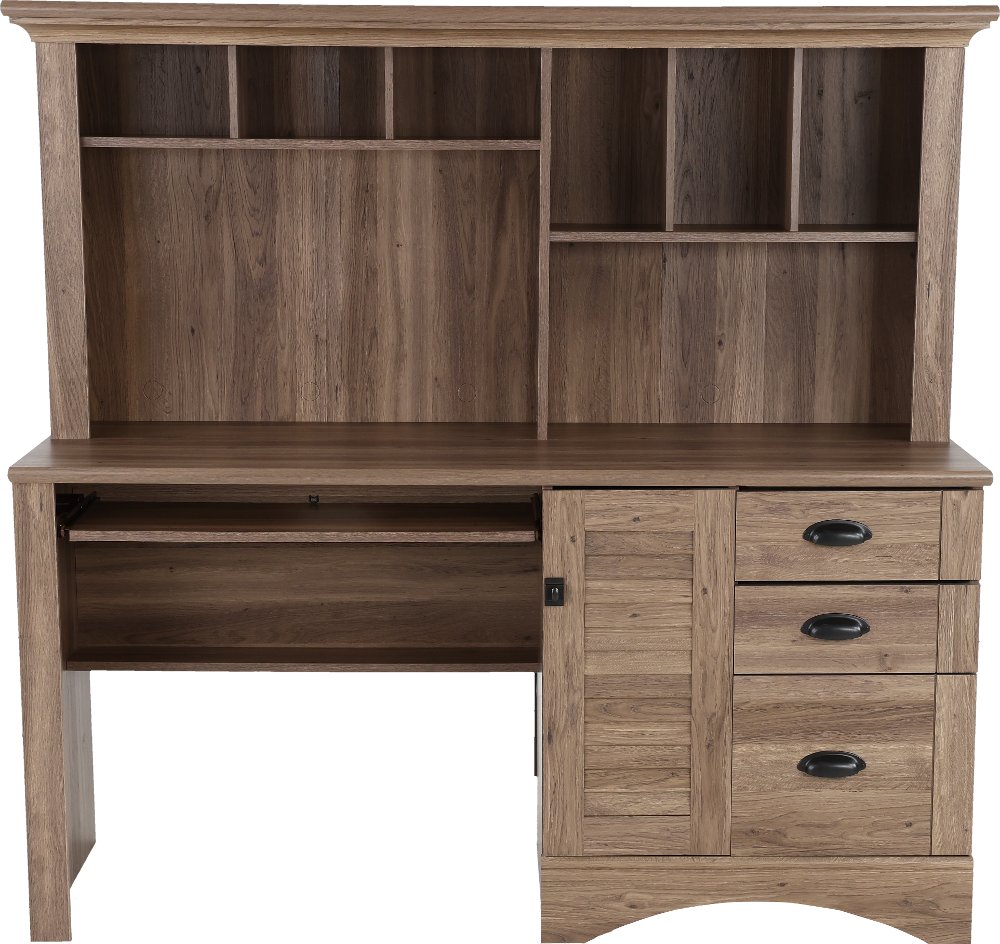
Locking desks combine an everyday work surface with built-in storage that helps keep papers and personal belongings private. Often called lockable desks or desks with locking drawers, they typically secure one or more compartments with a keyed lock; some designs use a combination lock instead. The desktop stays ready for writing, computer work, or homework, while the locked section gives sensitive paperwork a designated place. That separation can be especially helpful in a home office that doubles as a guest room, a shared apartment, or a family living area where several people pass through throughout the day. A shallow locking drawer can hold a checkbook, correspondence, or a small notebook, while a deeper file drawer may accommodate folders of household records or work documents. The details matter: a desk with one locking drawer doesn’t necessarily secure every drawer, and a central locking system may control several compartments with a single key. Understanding which sections lock helps match the furniture to the way you’ll use it. For someone working from home, that might mean putting client notes away before the room shifts back to family time. For a student sharing a bedroom, it might mean keeping personal papers separate from communal school supplies. In a reception area or small business workspace, a locked compartment can help limit casual access to routine records while keeping frequently used materials close at hand. These desks provide a practical layer of privacy, but ordinary furniture locks aren’t a substitute for a safe, fire-rated storage, or any specialized security required for regulated records. Their everyday appeal is simpler: they make it easier to finish a task, put loose papers out of sight, and leave a work area feeling settled. When the storage suits your routine, a locking desk can serve as both a comfortable place to work and a useful boundary between shared space and personal belongings.
Size, shape, and drawer placement influence how naturally a locking desk fits into a room. A compact rectangular desk can create a work spot along a bedroom wall without taking over the space, while an L-shaped layout provides separate areas for a computer and spread-out paperwork. Larger executive-style desks often devote more space to storage, though generous outside dimensions don’t always mean generous legroom. The useful measurements include desktop width and depth, the opening for your chair, and the clearance needed to open drawers fully. A file drawer that bumps into a bed frame or blocks a doorway becomes inconvenient quickly, even if the desk itself fits against the wall. Baseboards, nearby outlets, and the swing of a room door also affect placement. For computer work, enough depth to position a screen comfortably can be more valuable than extra width alone. Space for a keyboard, mouse, and forearms helps the surface feel usable rather than crowded, especially when a lamp or second monitor joins the setup. Locking storage works best when its interior matches what you plan to put inside. Letter-size and legal-size folders need different clearances, and some file drawers require rails or a particular folder orientation. A deep drawer may look suitable for files without including the hardware for hanging folders. Likewise, a laptop needs adequate internal width, depth, and height if you intend to store it after it’s shut down and cooled. Small supplies are easier to retrieve from a shallow drawer or organizer than from the bottom of a large compartment. Left- or right-side drawer placement can make a difference when a desk sits beside a wall or another piece of furniture. Cable openings, accessible outlets, and a clear route for cords help keep the work surface tidy without interfering with drawer movement. For paperwork that exceeds the desk’s capacity, Key Lock Cabinets can provide a separate storage option, leaving more desktop and legroom available for daily work.
Materials and construction shape both the appearance of a locking desk and how it stands up to regular use. Solid wood brings natural grain and variation that can make an office feel connected to the rest of a furnished home. Wood veneer offers a real-wood surface over a supporting core, while laminate provides a practical finish with care needs that vary by construction. Metal frames and drawer components can suit a streamlined workspace, though stability depends on the overall design, connections, and assembly—not just the material name. A warm wood finish may blend comfortably with bedroom furniture, while a simple painted or metal-accented desk can sit neatly in a multipurpose room. Beyond appearance, drawers should move smoothly, sit evenly, and close completely so the lock can engage without force. Drawer-slide quality, bottom-panel support, and stated weight limits are particularly important for file storage, since a drawer full of paper can be surprisingly heavy. A level setup helps keep the desk steady and the locking mechanism aligned; any supplied anti-tip hardware should be installed according to the manufacturer’s directions. Daily care is usually straightforward when it follows the finish-specific instructions. A soft cloth removes dust, prompt cleanup helps prevent spills from lingering, and a coaster or desk pad can reduce everyday surface wear. Excess moisture, abrasive cleaners, and prolonged heat can damage some finishes, so care products should match the material rather than simply promise an all-purpose clean. Keeping papers below the drawer’s edges prevents them from catching, and leaving the area around the latch clear helps the lock operate properly. A stiff lock deserves attention rather than a hard turn of the key; drawer alignment or an obstruction may be the cause. Spare keys belong somewhere separate from the desk, and replacement-key information is worth saving if it’s provided. For a graduate setting up a first apartment or someone creating a dedicated home office, a locking desk can also be a thoughtful, useful gift when room measurements and storage preferences are known. The best fit supports ordinary routines comfortably, with enough workspace to focus and a dependable place to put personal materials away.
Read More