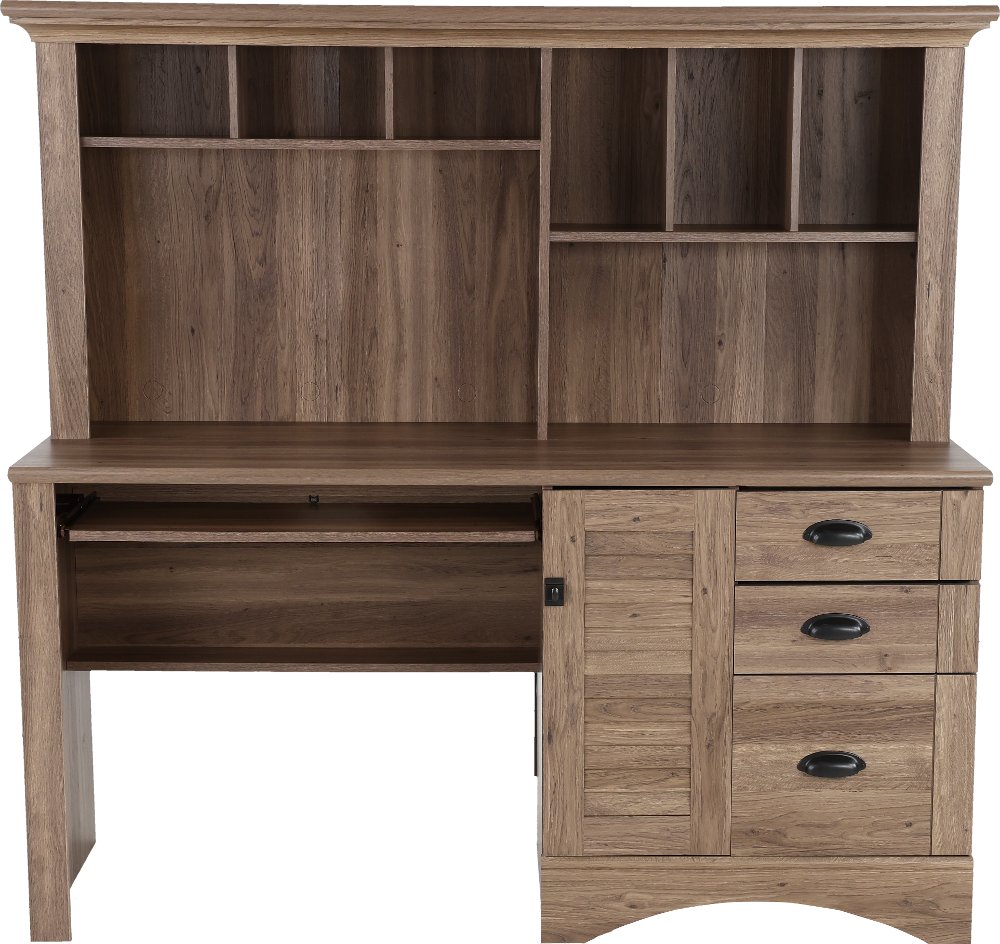
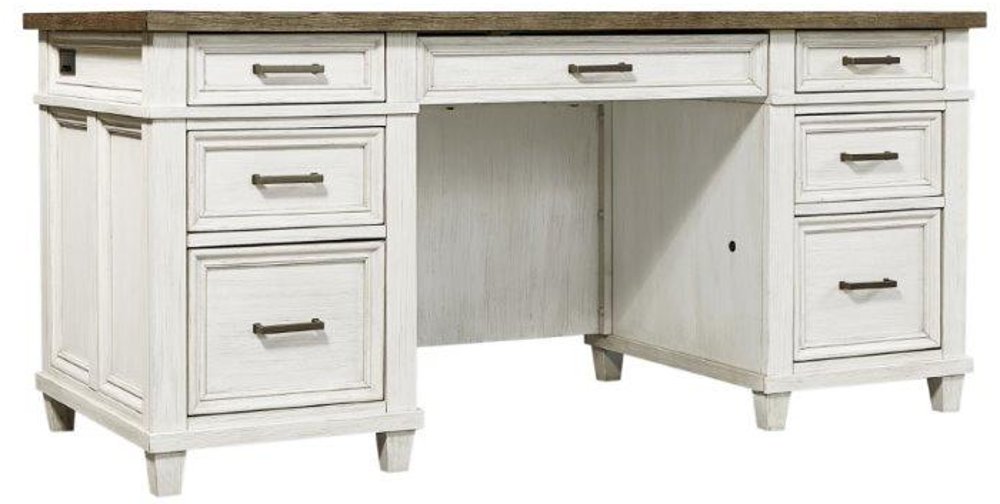
Locking drawer desks combine a comfortable work surface with enclosed storage that helps keep documents, supplies, and personal belongings out of casual reach. A built-in drawer lock adds a practical layer of privacy, especially when your workspace shares a room with everyday household activity. You can put away a journal, tuck client notes out of sight, or keep spare keys from getting mixed in with pens and paper clips. For someone working from home, that separation can make the end of the workday feel more settled: the laptop closes, loose paperwork goes into its drawer, and the room returns to family use. Students, remote workers, and people who manage household bills can all benefit from having a designated place for papers they’d rather not leave on the desktop. The right configuration depends on what you plan to store. A shallow locking drawer works well for small notebooks and everyday essentials, while a deeper file drawer may accommodate hanging folders for tax paperwork, insurance documents, and project records. Check whether a file drawer supports letter-size papers, legal-size papers, or both, since its appearance alone won’t tell you. Locking arrangements vary, too. Some desks secure a single drawer, while others use one lock to control several drawers. A keyed lock is straightforward to use, but keeping the spare key somewhere separate from the desk helps preserve that privacy. Desk locks generally discourage casual access; they aren’t a substitute for a rated safe when you need protection for valuables or irreplaceable documents. They also don’t make a desk an appropriate place to store hazardous items that require purpose-built secure storage. With those distinctions in mind, a desk with a lockable drawer can support a more organized routine without making your home office feel like a records room. Its greatest everyday advantage is simple: the things you use have a home, and the things you want tucked away don’t have to stay in view.
The best fit starts with the room, the chair, and the way you actually work. A compact writing desk with a locking drawer can suit a bedroom corner or a living room workspace where you handle correspondence and use a laptop. A larger computer desk gives you more room to spread out a keyboard, monitor, and open notebook, while an executive-style desk may provide a broad work surface and several storage compartments. An L-shaped layout can separate screen work from paperwork, although drawer placement matters when you’re deciding which side belongs against the wall. Measure the desk’s width, depth, and height, then leave room for your chair to move back and for drawers to extend without hitting nearby furniture. A desk that fits neatly between two bookcases may still feel cramped if a drawer pedestal crowds your knees. Check the clear space beneath the desktop, including any center drawer, against your seated position and the height of your chair’s arms. Desktop depth deserves attention as well: a monitor, its stand, and a keyboard can use more space than expected, especially if you also like to keep a planner open. If you use a monitor arm, confirm that the desktop’s construction, thickness, and edge clearance suit its mounting requirements. For a shared room, look beyond the front view. A finished back allows more flexibility when positioning the desk away from a wall, and cable openings can help keep cords from trailing across the work surface. Storage should match your habits rather than simply fill the space. Someone who works mostly digitally may prefer one small locking drawer and generous legroom; someone sorting contracts or household records may value an accessible file drawer. If paperwork needs extend beyond the desk, Key Lock Cabinets can provide separate enclosed storage while leaving the work area focused on daily tasks. The goal is a layout where opening a drawer, reaching for a folder, and settling into your chair all feel natural.
Materials and construction influence how a locking drawer desk looks, how it holds up, and how much attention it needs over time. Solid wood brings natural grain and variation, along with a substantial feel, though its surface can still scratch or show marks from moisture. Wood veneer offers a real-wood surface over a core material, creating a warm appearance that benefits from careful handling around edges and corners. Laminate and other manufactured surfaces can be practical choices for busy workspaces because many wipe clean easily, but resistance to scratches, heat, and moisture varies by finish. Metal frames and drawer components can add structural support and suit a streamlined or industrial setting; overall stability still depends on the design, connections, and proper assembly. Pay close attention to the parts you’ll touch every day. Drawer pulls should feel comfortable in your hand, drawers should travel smoothly, and the lock should engage without needing to force the drawer into position. Full-extension slides can make folders at the back easier to reach, while stated drawer weight limits help you judge whether a compartment suits a few accessories or a heavier collection of files. Follow assembly directions carefully, use any required anti-tip hardware, and avoid opening multiple heavily loaded drawers at once. For routine care, follow the manufacturer’s instructions, dust with a soft cloth, and wipe spills promptly rather than letting moisture collect near seams or hardware. A desk pad can protect the writing area, and a coaster helps prevent marks beside your morning coffee. Avoid harsh cleaners unless the finish’s care instructions specifically allow them, and don’t force a key if the lock resists; an overfilled or misaligned drawer may need attention first. Style matters alongside those practical details. Warm wood tones can blend into a furnished living space, painted finishes can create a lighter visual presence, and clean-lined metal accents can complement a dedicated office. When the proportions, storage, and finish suit your home, locking drawer desks offer more than a place to sit: they help keep useful tools close, personal papers tucked away, and your workspace ready for the next task.
Read More