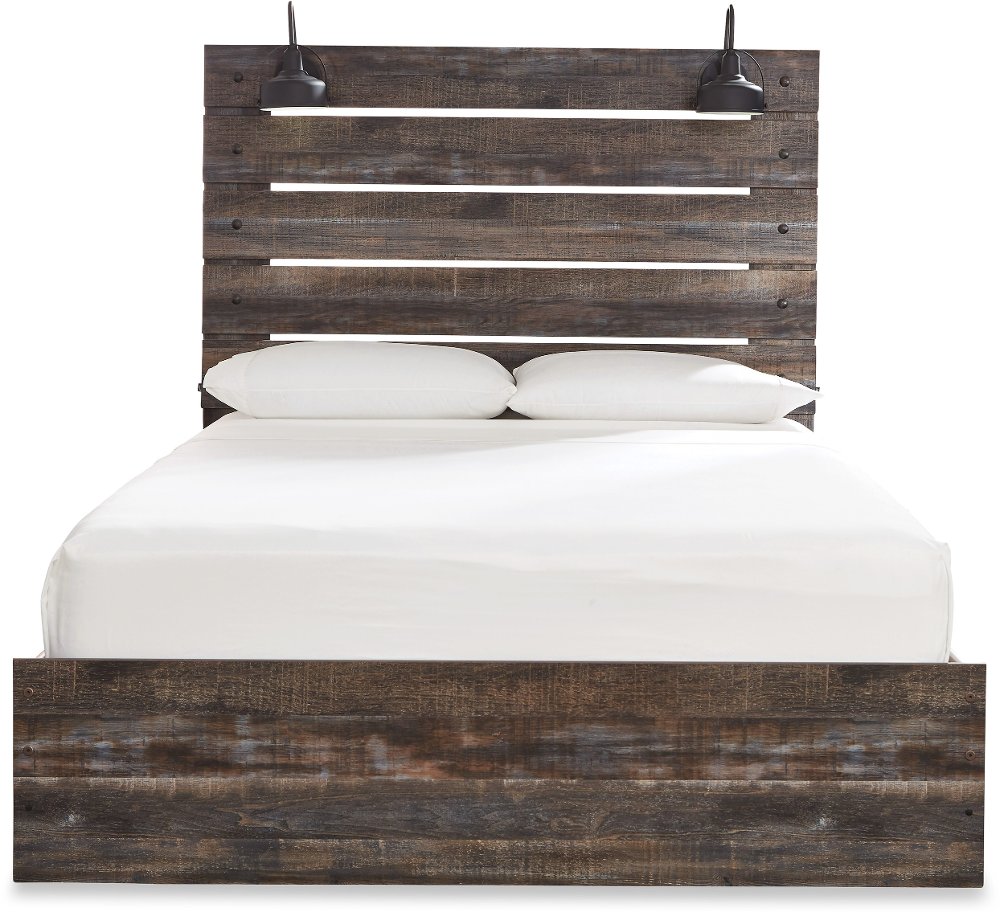
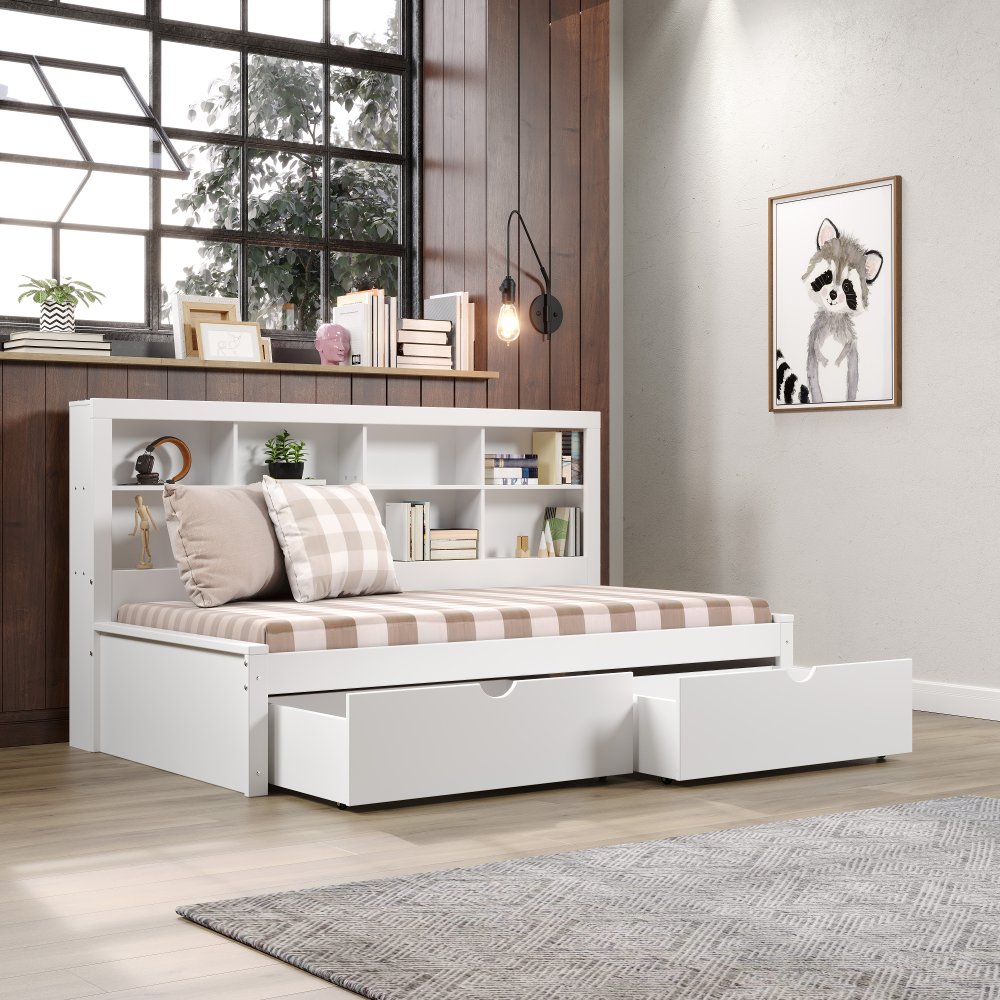
MDF headboards give a bed a finished look with smooth surfaces, versatile shapes, and finishes that range from painted neutrals to wood-grain veneers. MDF stands for medium-density fiberboard, an engineered wood material made by combining wood fibers with resin and compressing them into dense panels. Its fine, uniform texture works well beneath paint, veneer, or decorative laminates, making it useful for everything from simple rectangular headboards to designs with routed details and framed panels. Unlike solid wood, MDF doesn’t have a natural grain pattern of its own. A headboard with a real wood veneer gets its visible grain from the thin layer of wood applied over the core; a printed wood-look surface achieves that appearance through a decorative covering. That distinction matters when choosing the texture, finish, and care routine that suit your bedroom. Some headboards combine MDF panels with solid wood rails, metal accents, or upholstered sections, so the full construction description tells more than the material name alone. MDF is generally dimensionally consistent in a dry indoor setting, but it isn’t waterproof, and its durability depends on the quality of the panel, finish, joints, and installation. Its density can also make a large headboard heavier than its appearance suggests. A well-finished surface and protected edges help it stand up to everyday bedroom use, while careful handling helps prevent chipped corners. For a primary bedroom, a broad panel can create a calm backdrop behind layered pillows. In a guest room, a straightforward painted design can make the bed feel complete without demanding matching furniture throughout the space. MDF also allows crisp grooves and decorative profiles that add interest without relying on pronounced natural wood grain. Whether the room feels tailored, relaxed, or somewhere in between, the headboard’s shape and finish can provide a clear starting point for the rest of the furniture. It serves as a visual anchor, but it shouldn’t be assumed to support the mattress or replace any structural part of the bed.
The best-fitting MDF headboard starts with the bed’s actual dimensions and mounting setup, not just the mattress size printed on the label. Twin, full, queen, king, and California king beds have different proportions, and headboard compatibility can vary by design. King and California king sizes aren’t interchangeable, and a headboard described as fitting more than one bed size still needs the right attachment points for your frame. Measure the frame width, note the location and spacing of its mounting holes, and compare those measurements with the headboard’s specifications. Confirm whether installation requires a compatible bed frame, wall mounting, or connection to a coordinating bed structure; these methods aren’t automatically interchangeable. Hardware requirements matter, too, especially when a frame and headboard come from different sources. The correct fasteners and brackets help create a secure connection without improvised drilling that could damage an MDF panel. Height deserves just as much attention as width. A thick mattress, foundation, and stacked pillows can hide a decorative detail that looked prominent in a photograph, while a tall headboard may extend into the space beneath a window or wall-mounted artwork. Measuring from the floor to the top of the mattress helps show how much of the headboard will remain visible. In a compact bedroom, check the headboard’s overall depth and any projecting trim so the bed leaves comfortable walking space. Nearby outlets, switches, and nightstands should remain easy to reach. If the bed has an adjustable base, confirm compatibility and allow the clearance specified by the manufacturers so moving sections don’t catch or press against the headboard. A smooth panel can be a practical choice for a guest room, while someone who regularly reads in bed may prefer pillows or a design with an upholstered section for a softer place to lean. For a child’s or teen’s room, secure installation, finished edges, and age-appropriate design deserve particular attention. Follow the assembly and anchoring instructions, and arrange for help lifting larger panels rather than balancing them alone.
Finish and detailing help an MDF headboard settle naturally into the room, even when the surrounding furniture comes from different collections. A clean-lined painted panel can sit comfortably beside wood nightstands, while a veneered design can bring visible grain into a space with fabric bedding and simple metal lighting. Matching every finish isn’t necessary; repeating a warm undertone, a similar handle finish, or a consistent furniture shape often creates a more relaxed result. For a softer, farmhouse-inspired direction, country headboards offer a related style to consider alongside painted panels, framed silhouettes, and other familiar bedroom details. Look closely at how the headboard will appear above your usual bedding rather than choosing it in isolation. Narrow vertical grooves may remain visible behind a row of pillows, while a low horizontal accent could disappear once the bed is made. Care is straightforward when it follows the finish manufacturer’s instructions. Dust with a soft cloth, and, when the care directions permit it, use a lightly dampened cloth for fingerprints or small marks, drying the surface promptly afterward. Avoid soaking seams, leaving wet cleaning cloths on the top edge, or spraying cleaner directly onto the panel. Moisture entering an exposed edge or damaged coating can cause MDF to swell, and that damage can be difficult to reverse. Abrasive pads and harsh cleaners may dull or scratch painted, laminated, or veneered surfaces. Solid-wood refinishing methods aren’t automatically suitable for MDF, especially where a thin veneer or decorative covering limits sanding. When moving the bed, protect the corners and carry the headboard instead of dragging it across the floor. Check connections periodically according to the assembly instructions, particularly after a move. With compatible mounting, thoughtful placement, and care suited to its surface, an MDF headboard can be a dependable finishing touch for a bedroom that feels comfortable and personal.
Read More