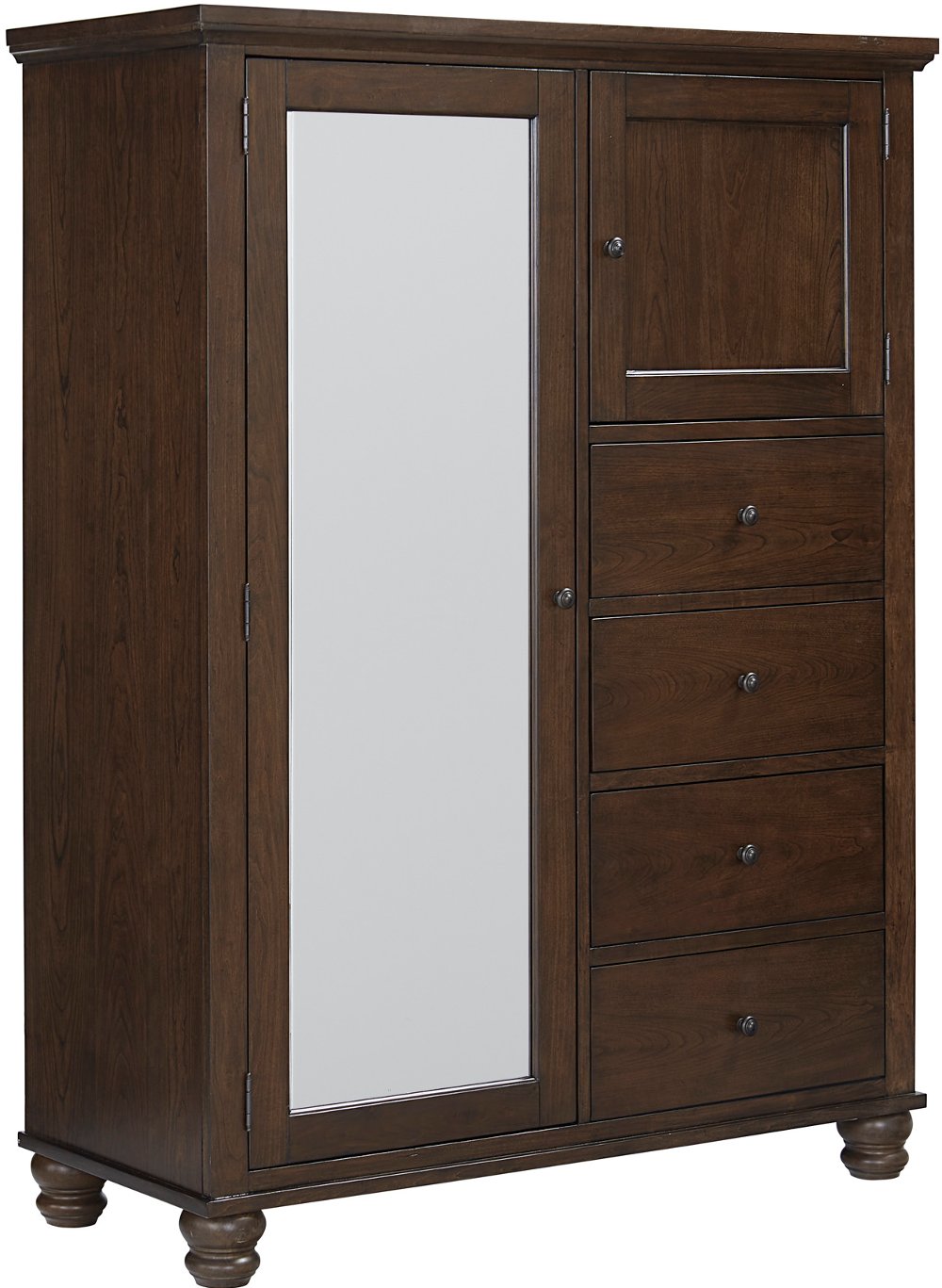
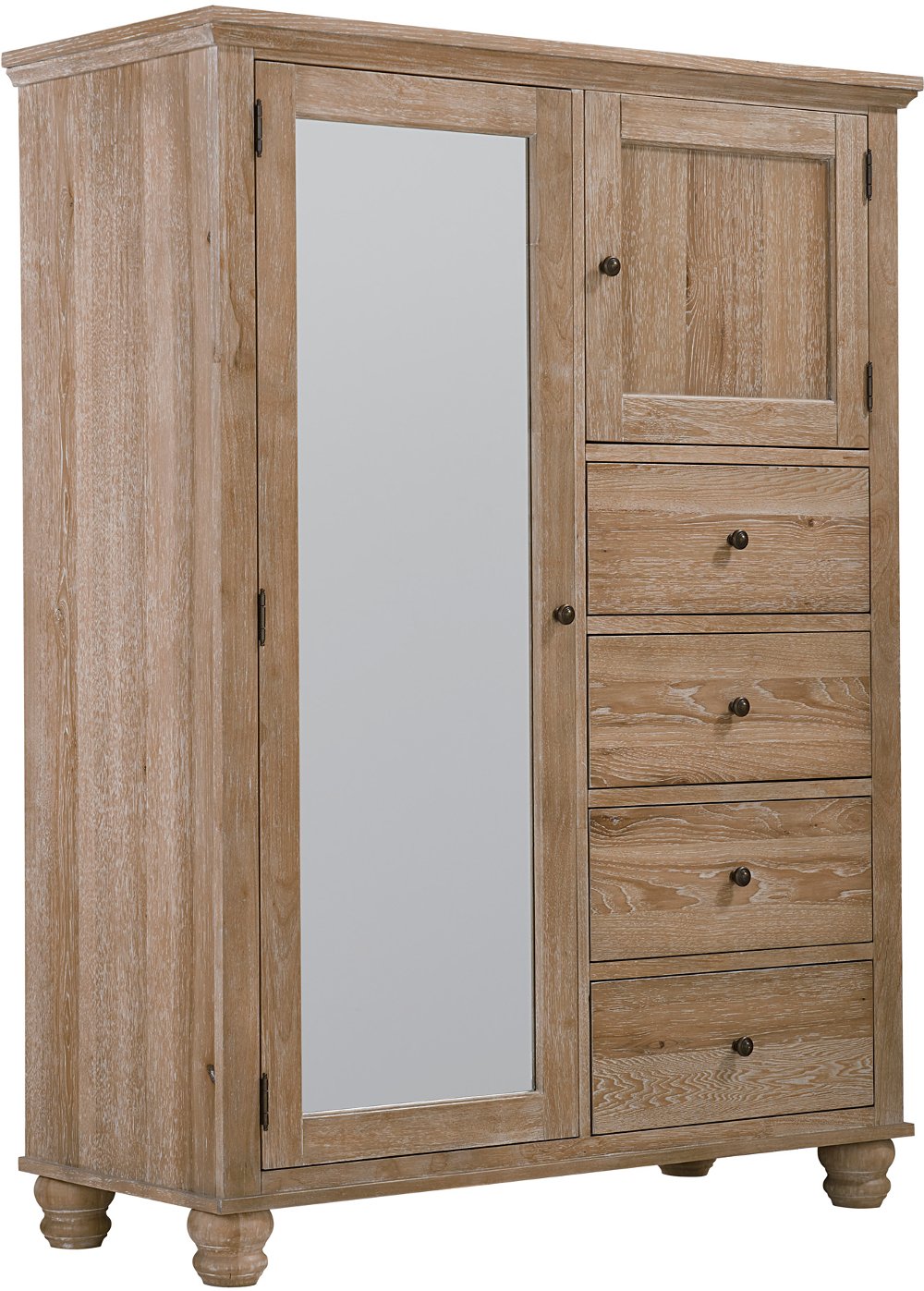
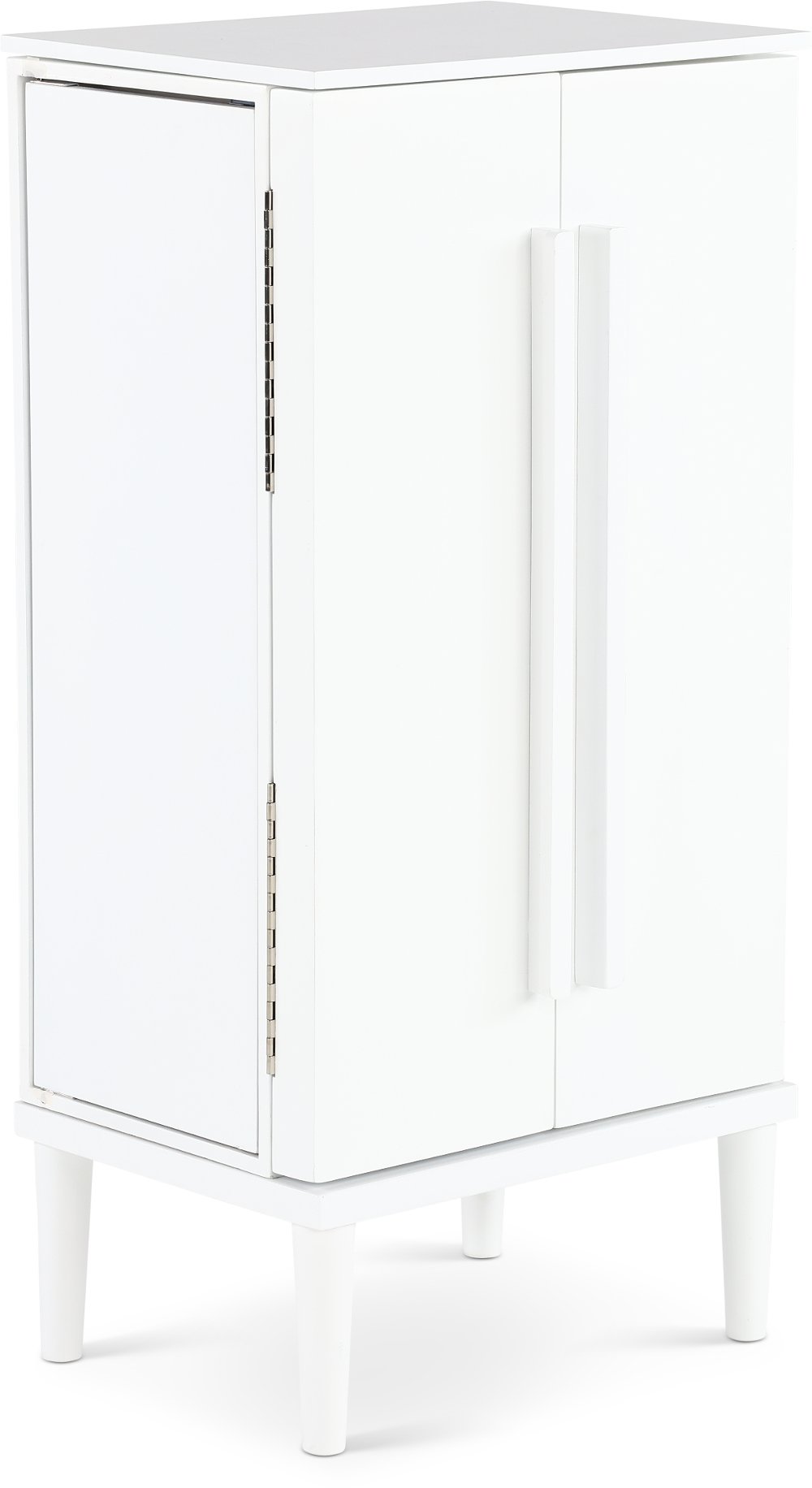
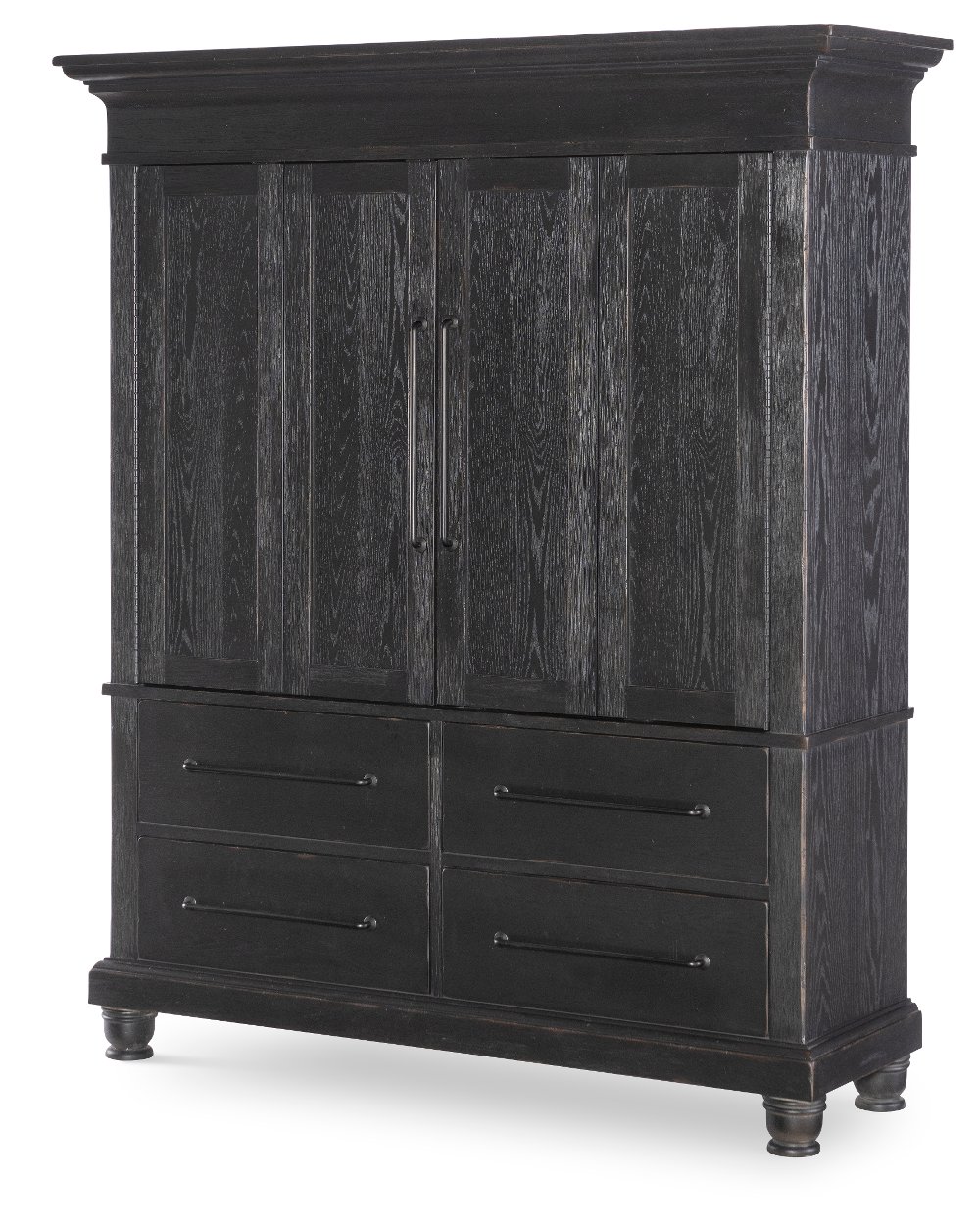
Mirrored drawers feature mirrored glass on their fronts, bringing a reflective finish to storage furniture such as dressers, chests, nightstands, and accent cabinets. They offer the everyday usefulness of enclosed storage with a surface that reflects surrounding light, colors, and furnishings. That reflection can help a room feel brighter and more open, especially when the furniture faces a window or a softly lit part of the room. The effect depends on placement: a mirrored chest across from an uncluttered wall creates a different impression than one facing a busy bookshelf. In a bedroom, mirrored drawer fronts add interest while keeping folded clothing, accessories, and extra pillowcases tucked away. Beside a bed, they can give a compact nightstand a lighter visual presence without sacrificing a place for reading glasses and charging cords. An accent chest can serve a similar purpose in a living room or entryway, providing storage with a decorative finish. The look ranges from understated to dressy. Flat mirror panels and simple pulls suit clean-lined spaces, while beveled edges, decorative overlays, and shaped legs create a more ornamental appearance. Beveled glass has angled edges that catch the light, adding definition around each panel. Clear mirror creates a crisp reflection; antiqued or tinted finishes can produce a softer, more varied effect. Mirrored fronts paired with wood, painted frames, or metal details also offer different ways to connect the piece to surrounding furniture. A single reflective chest can sit comfortably beside an upholstered bed, a textured rug, and warm wood accents. For a coordinated bedroom, explore Mirrored Bedroom Furniture with attention to shared shapes, finishes, and hardware. A consistent detail, such as a similar leg profile or metal tone, can tie the room together without making every surface reflective. The most comfortable arrangement gives the eye a balance of shine, texture, and quieter finishes.
The mirror is the visible feature, but the construction underneath determines how well the furniture supports daily use. Mirrored panels are typically attached to a structural frame or drawer front made from wood or engineered wood; the glass itself isn’t the storage box. Solid wood, plywood, and medium-density fiberboard each have different characteristics, and overall durability also depends on joinery, hardware, assembly, and the quality of the finish. A smooth, stable drawer box matters just as much as an attractive front. Drawer glides should support the intended contents and allow comfortable opening without excessive side-to-side movement. Full-extension glides, when included, make it easier to reach clothing at the back, while soft-close mechanisms can reduce abrupt closing. Those features vary by design, so the construction details deserve attention alongside the appearance. Storage needs also help determine the best fit. Broad, shallow drawers can suit folded shirts and accessories; deeper drawers may work better for bulkier clothing or spare linens, provided the contents stay within the stated weight limits. For a shared bedroom, separate drawers can make everyday organization simpler. In a guest room, a few accessible drawers give visitors room to unpack while keeping extra bedding nearby. Dimensions matter beyond the furniture’s footprint. A chest needs clearance for its drawers to open fully and enough surrounding space for someone to stand comfortably in front of it. A dresser opposite the bed should leave a usable walking path even during the morning routine. Nightstand height deserves similar attention, since a surface close to mattress height generally makes bedside essentials easier to reach. Drawer pulls and projecting trim can add to the space a piece occupies, and baseboards may affect how closely it sits against a wall. Doorways, stair turns, and the route into the room are worth measuring, too. Glass adds weight, so furniture with mirrored drawers may require more careful handling than its appearance suggests.
Mirrored drawer fronts work best when their care fits comfortably into the household’s routine. Fingerprints, dust, and splashes can show on reflective surfaces, particularly around frequently used handles. A soft microfiber cloth is useful for routine dusting, while smudges call for a cleaner approved by the furniture manufacturer. Applying an approved cleaner to the cloth rather than spraying the furniture directly helps limit moisture around panel edges, seams, hardware, and surrounding finishes. Abrasive pads and harsh chemicals can scratch glass or damage adjacent materials, and moisture that reaches behind a mirror may affect its backing. Wood, painted, and metal portions may need different care from the glass, making the manufacturer’s instructions especially important for mixed-material furniture. Using the handles instead of pulling on the mirrored edges helps keep fingerprints down and avoids unnecessary pressure on the panels. Mirror glass can scratch, chip, or break under impact, so its reflective finish is better suited to thoughtful everyday use than rough handling. In a busy household, consider whether the piece will sit near a doorway, a child’s play area, or a route where bags and other objects frequently brush against furniture. If the top is also mirrored or glass-covered, coasters and soft-bottomed trays can help protect it from cups, jewelry boxes, and decorative objects. Drawer interiors stay more manageable when belongings fit without forcing the drawer shut; heavy contents should follow the furniture’s load limits. Dressers and chests should be secured using the appropriate anti-tip hardware and the manufacturer’s installation instructions, with particular attention in homes with children. Open drawers aren’t steps, and placing tempting objects on top can encourage climbing. When moving the furniture, lifting it with adequate help rather than dragging it protects both the frame and the floor. These practical considerations leave room to enjoy the finish: a lamp reflected across a drawer front, a soft rug balancing the shine, and useful storage that keeps everyday belongings close at hand. Mirrored drawers can bring a distinctive accent to a first apartment, a refreshed primary bedroom, or a welcoming guest space while still serving the ordinary routines that make a home comfortable.
Read More