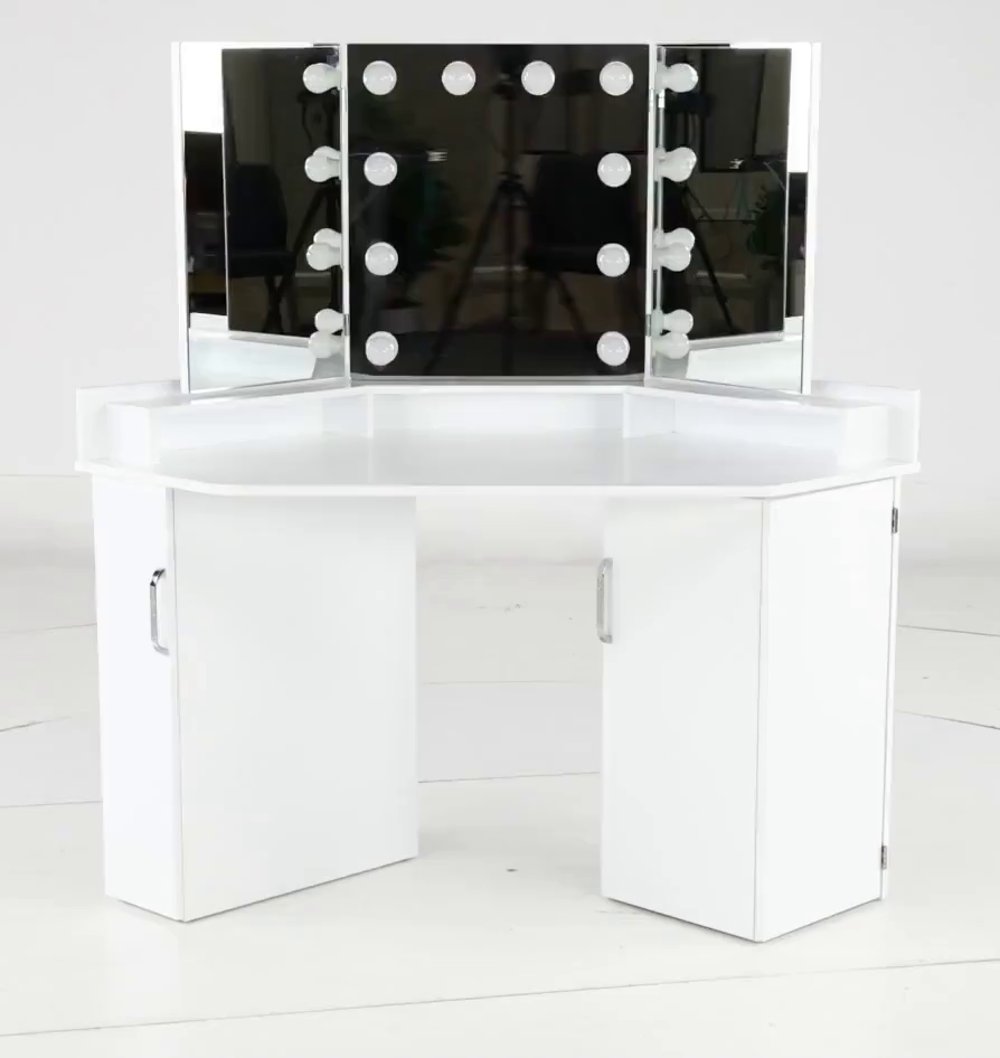
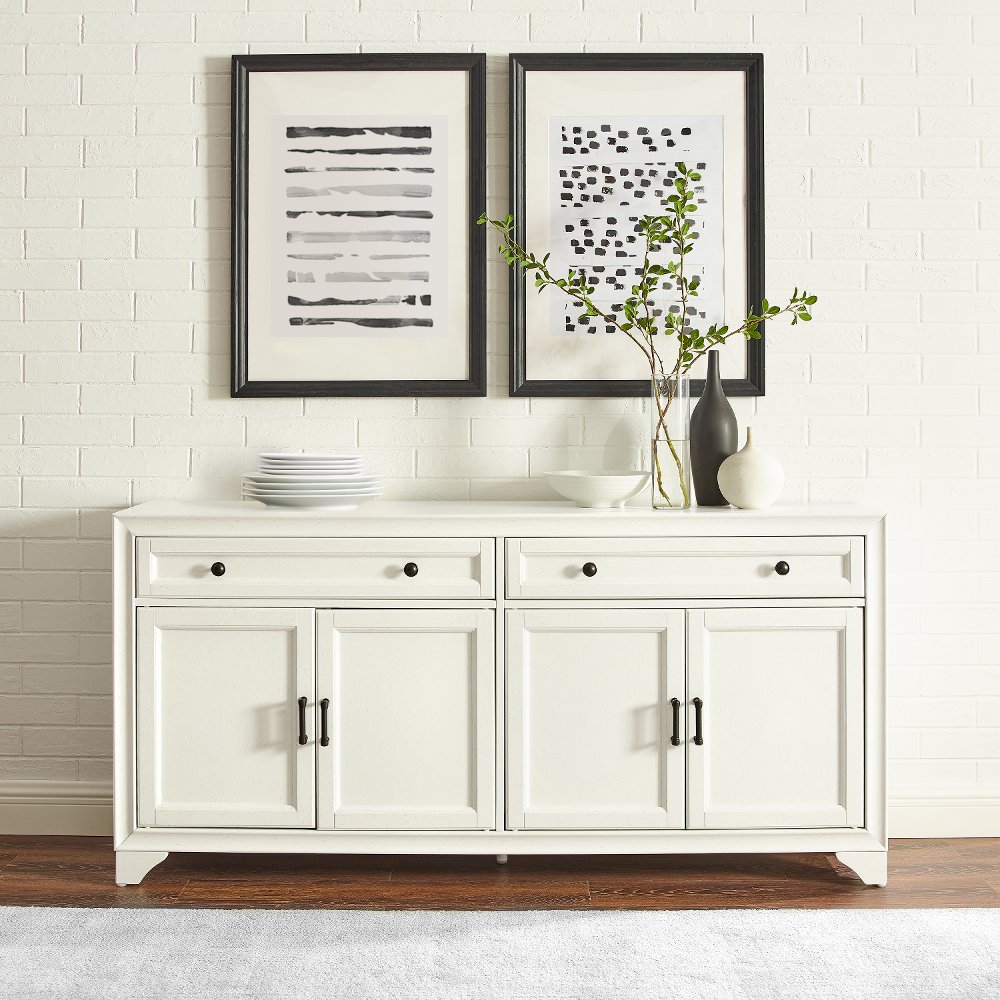
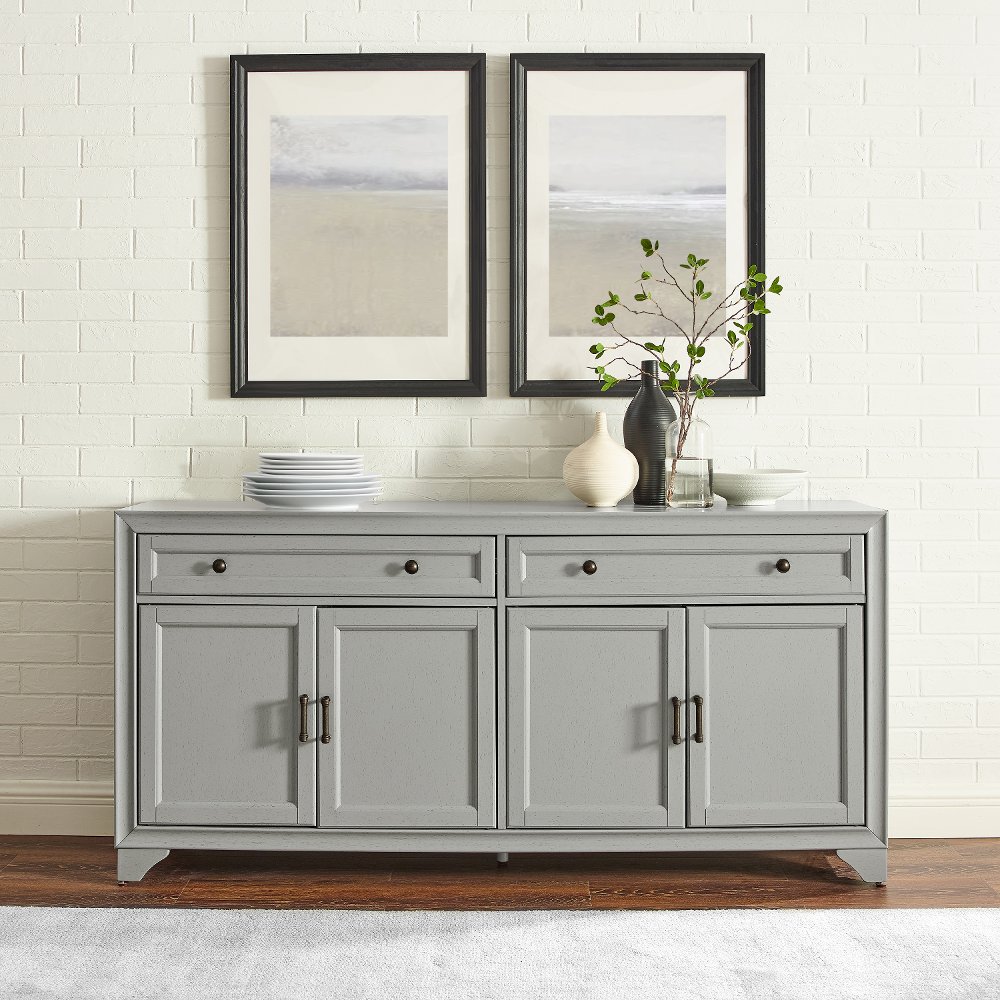
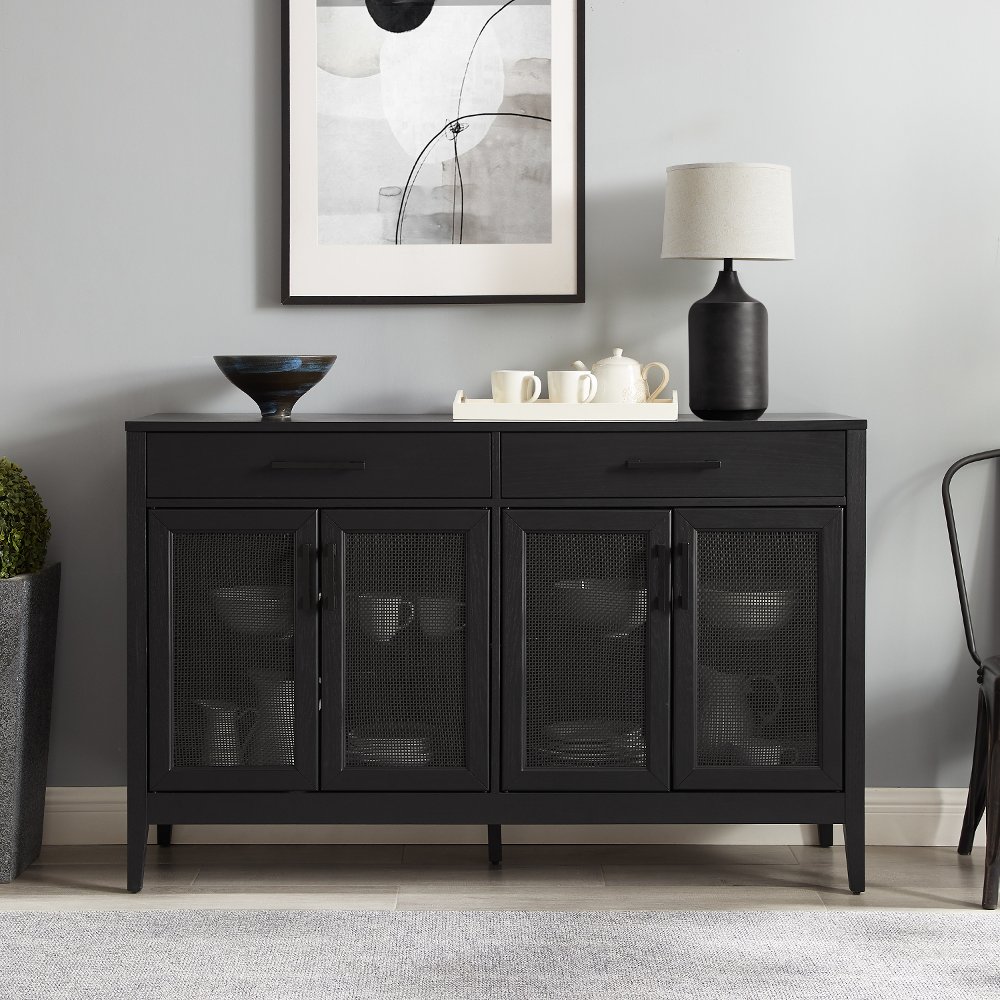
Mirror cabinets bring useful storage and reflected light into the same piece of furniture, helping a room feel more open without giving up a place to put everyday belongings. Their appeal goes beyond a shiny surface: mirrored doors can soften the visual weight of a cabinet, especially in a bedroom, dining area, or hallway where a solid front might feel heavy. A cabinet opposite a softly lit wall reflects a different mood than one facing a busy bookshelf, so placement plays a big part in the finished look. Near a window, mirrored panels can catch daylight and carry it farther into the room; beside a lamp, they can add a gentle glow during the cooler months when evenings at home stretch a little longer. The frame and finish help set the style. Straight edges and simple hardware lean contemporary, while beveled glass, decorative trim, or gently curved legs can feel more traditional. A weathered frame paired with reflective panels offers a relaxed contrast, and a darker surround gives the mirror a more defined outline. Mirror cabinets don’t have to belong to an entirely glamorous room, either. Against a textured rug, upholstered chair, or natural wood floor, their smooth surfaces introduce variety without requiring everything else to match. In a dining space, enclosed storage can keep folded linens and serving accessories close to the table. In a bedroom, a mirrored storage cabinet can give small accessories a dedicated home while contributing to a lighter-looking furniture arrangement. An entryway cabinet can hold the things that otherwise gather near the door, provided its depth leaves a comfortable walking path. The most useful choice starts with what needs a home and where those belongings get used. A beautiful cabinet earns its place when its shelves and compartments make an ordinary routine easier, whether that means finding a scarf before leaving or setting the table without searching through several rooms.
Construction matters as much as the reflection, particularly for furniture that gets opened and closed every day. Mirror cabinets may combine glass panels with solid wood, wood veneer, engineered wood, or metal, and each material contributes something different. Solid wood offers natural grain and character but responds to changes in humidity. Veneer provides a real wood surface over a supporting core, while engineered wood can create consistent, smooth panels suited to painted or mirrored designs. Metal framing adds a crisp profile and may support a more streamlined look. Durability depends on the complete construction, including the joints, backing, hardware, and attachment of the mirrored panels, rather than on one material alone. Finished edges, securely mounted glass, and doors that sit evenly are useful details to consider. Beveled mirrors add dimension around each panel, but their decorative edges don’t make the glass unbreakable. Hinges and pulls should suit the cabinet’s intended use, and adjustable shelves can make it easier to accommodate belongings of different heights. Interior dimensions deserve a close look: a cabinet that seems generous from the outside may have a shallower storage area once the frame, doors, and backing are accounted for. Measure the intended spot, nearby baseboards, and the clearance needed to swing doors fully open. Leave room to stand comfortably in front of the cabinet rather than judging fit by the footprint alone. For a narrow hall, a shallower cabinet may serve better than a deeper piece that interrupts traffic. For heavier contents, follow the stated shelf and overall weight limits. Mirror-front bathroom cabinets have a different job from decorative living room storage and should be designed for the moisture conditions where they’ll be installed. Jewelry cabinets benefit from compartments that separate small pieces, while general-purpose cabinets need shelves sized for their contents. If a room also needs storage that pulls out rather than swings open, Mirrored Drawers offer a related direction to consider, with the same attention to clearance, capacity, and how the furniture will be used.
Living comfortably with mirrored furniture comes down to thoughtful placement and a few simple care habits. Reflections repeat whatever sits across from them, so a cabinet facing a favorite piece of artwork or a tidy seating area can feel calmer than one reflecting cords, shoes, or an overflowing laundry basket. Direct sun may create glare at certain times of day, making it worth considering how light moves through the space before settling on a location. Keep the top useful without crowding it; a lamp and a shallow tray may be enough, depending on the cabinet’s size and permitted load. Follow any anchoring instructions, especially in homes with children or pets, and use hardware appropriate for the wall construction when securing or mounting a cabinet. Mirrored furniture can be heavy and needs careful handling during a move. Empty the storage area, protect the corners and glass, and follow the manufacturer’s moving instructions rather than pulling on doors or lifting by decorative trim. For regular cleaning, start with the care directions for both the mirror and its surrounding finish. A clean, soft microfiber cloth helps remove fingerprints without the abrasion of rough scrubbers. When glass cleaner is permitted, apply it to the cloth rather than spraying directly onto the cabinet, where liquid could collect along mirror edges or seep into joints. Dry those edges promptly, and avoid soaking wood surfaces or exposing decorative finishes to harsh chemicals. Coasters and protective pads can help guard a cabinet top against moisture and scratches, though pads should also be compatible with the finish. These habits are especially helpful for storage near a frequently used doorway or beside a dressing area, where hands naturally touch the same spots each day. For someone furnishing a first home, refreshing a guest room, or sharing limited storage space, a mirror cabinet can combine practical organization with a distinctive look. The right balance of proportions, accessible storage, and easy upkeep lets the piece support daily life while adding a reflection of the room’s best features.
Read More