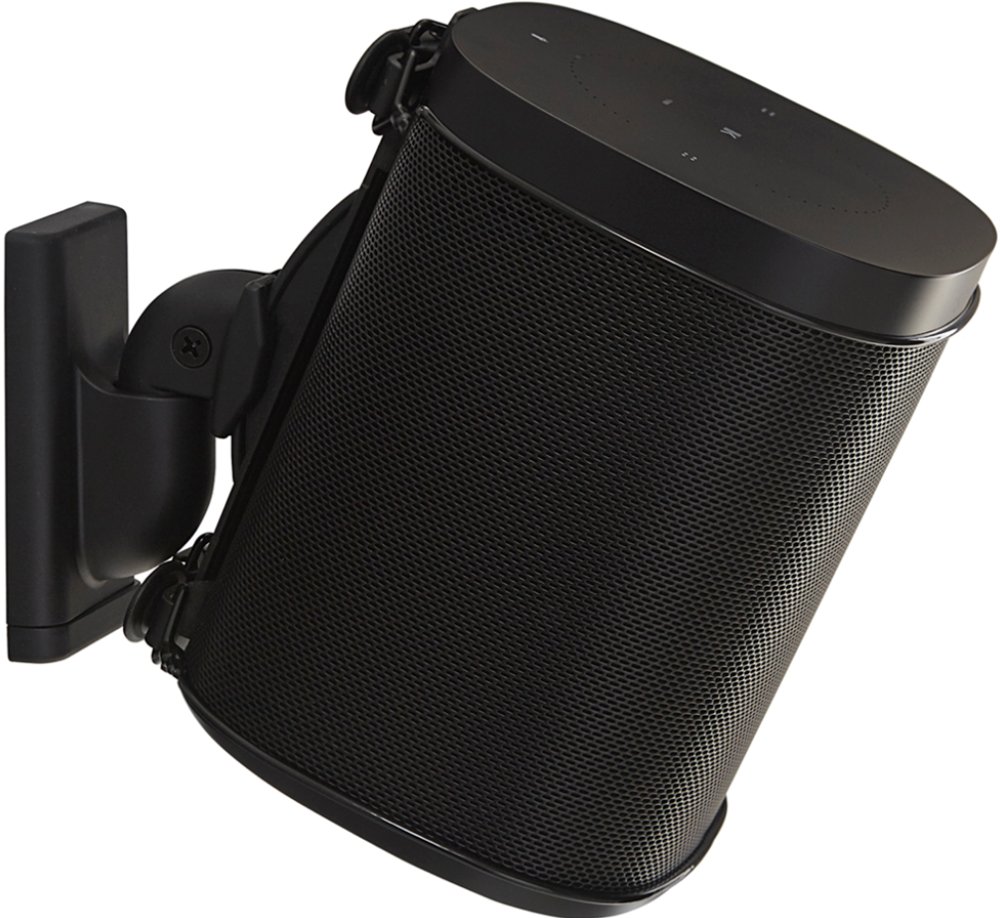
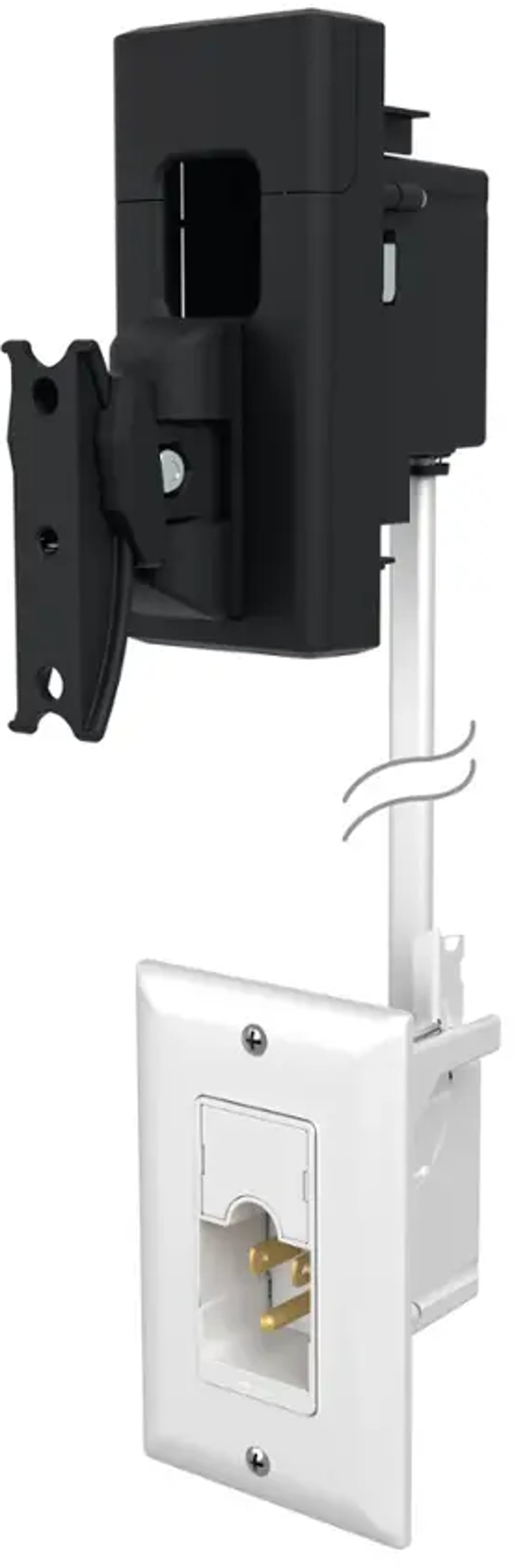
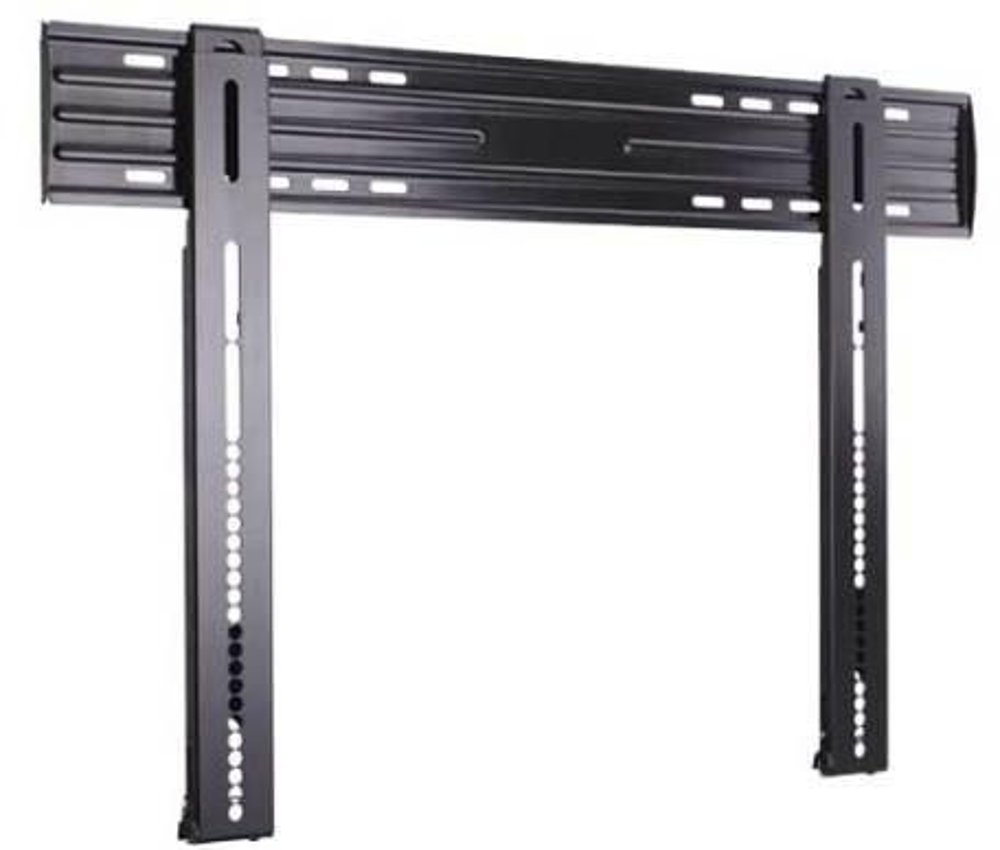
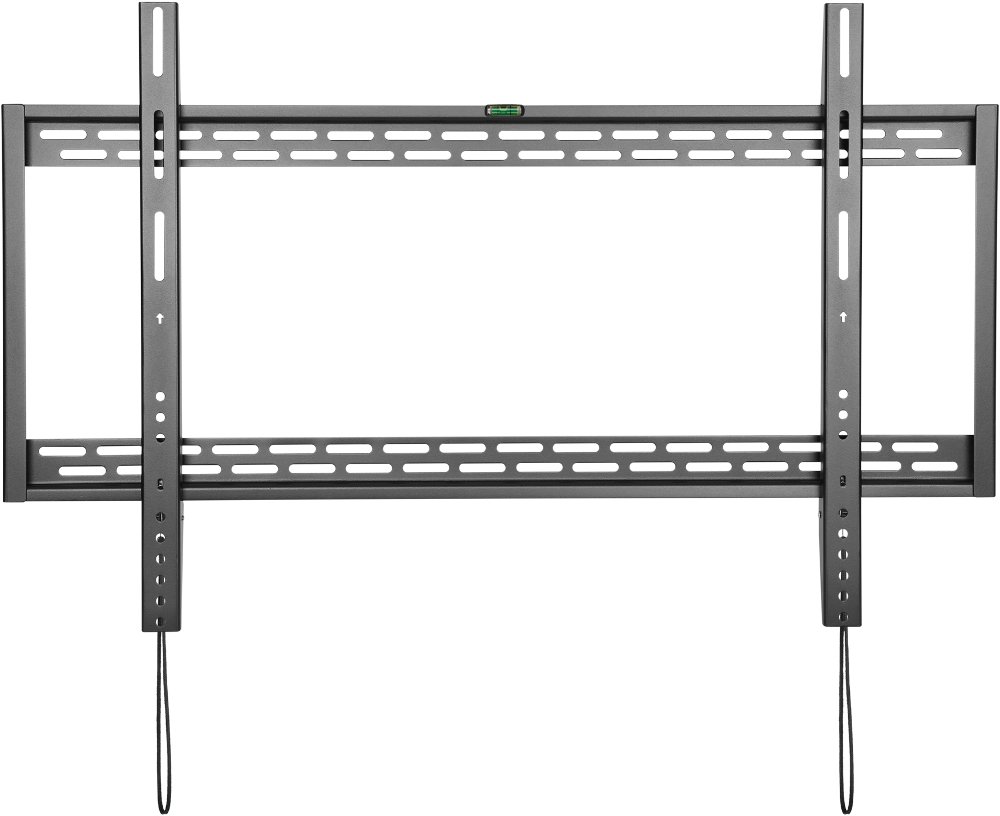
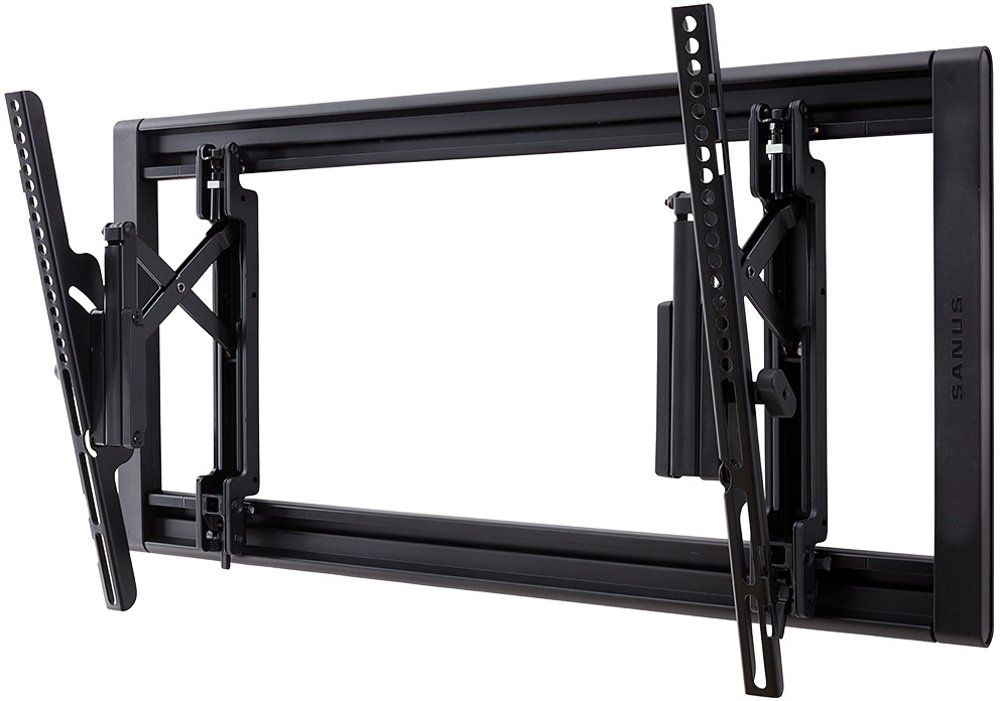
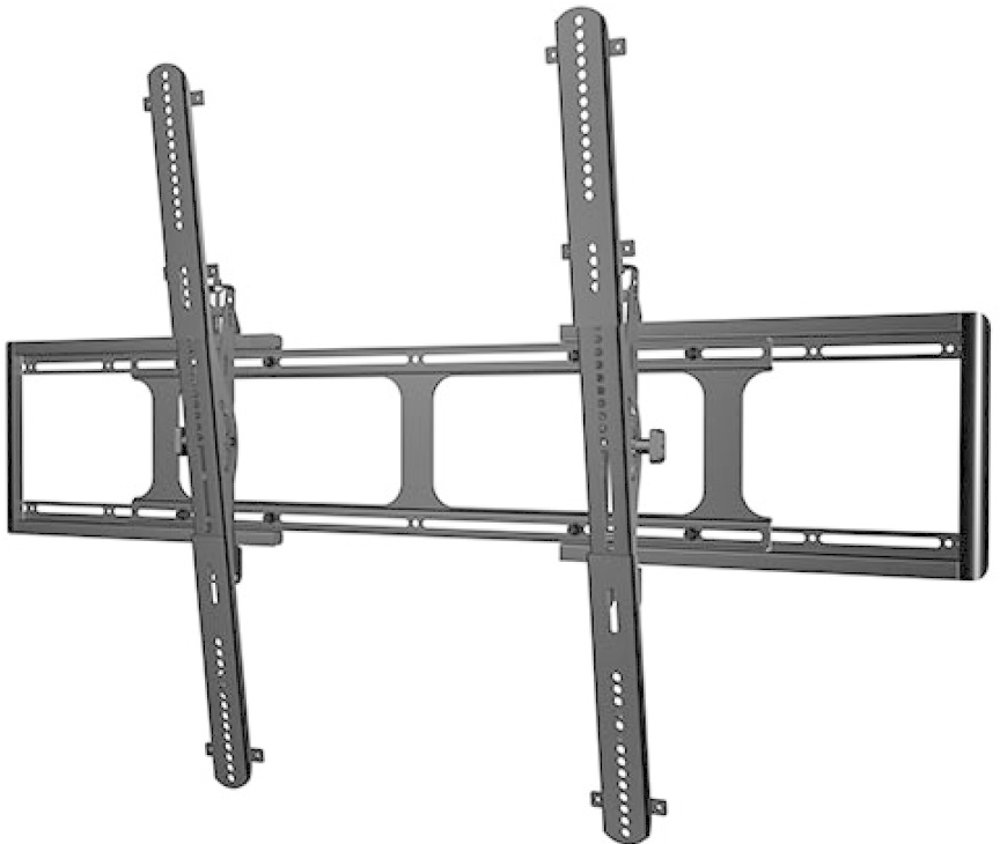
Mounting brackets provide the support that helps shelves, televisions, cabinets, decorative pieces, and other household fixtures stay securely attached to a wall, ceiling, or structural surface. While a bracket may look like a simple piece of hardware, choosing the right one involves more than matching its shape to your project. The best option depends on what you’re mounting, how much it weighs, how far it extends from the wall, and the surface beneath the finish. A small shelf holding framed photos has different needs than a deep shelf filled with cookbooks, and a lightweight wall decoration requires a different level of support than a television or storage cabinet. Common styles include L-brackets, which join two surfaces at a right angle; shelf brackets, which use a horizontal arm and a supporting brace; low-voltage brackets, which help secure wall plates and wiring components; and adjustable or sliding brackets designed to work between studs or accommodate changing installation points. Some mounting brackets sit discreetly behind the item for a clean appearance, while others use a visible brace as part of the room’s design. Before purchasing, check the bracket’s rated weight capacity and compare it with the combined weight of the mounted item and anything it will hold. Allow a comfortable margin rather than choosing hardware that sits at the very edge of its rating. A long shelf can place extra leverage on its supports, especially when someone reaches for an item near the front, so depth, spacing, and the number of brackets matter just as much as the stated capacity. For entertainment spaces, browse TV Mounting Hardware when you need support designed around television installation and viewing comfort.
The wall itself is just as important as the bracket. Drywall can conceal wood or metal studs, while masonry surfaces such as brick and concrete call for anchors and fasteners made for hard materials. Wood studs offer dependable structural support when you position the bracket correctly, but you’ll need to locate them rather than relying on drywall alone. A stud finder, level, measuring tape, pencil, drill, and the correct screwdriver or driver bit can make installation smoother and help prevent the familiar frustration of a shelf that looks straight on one side but slopes noticeably on the other. Mark the mounting points carefully, confirm that pipes and wiring won’t be disturbed, and use fasteners that match both the bracket and the wall construction. Drywall anchors can work well for lighter applications when the bracket and anchor share the load as intended, but they aren’t a substitute for a stud when you’re securing a heavy or frequently used item. For brick, concrete, or other masonry, use the appropriate masonry bit and anchor system, following the hardware instructions closely. Bracket spacing deserves attention, too. Supports placed too far apart may allow a shelf to bow, while brackets positioned too close together can leave the outer edges unsupported. When two people can help with the project, one person can hold the item in place while the other checks the level and marks the holes. That small bit of teamwork often turns a tense installation into a quick, confident one. Once the bracket is attached, apply gentle pressure and inspect each connection before adding the full load. For items that open, slide, swivel, or carry weight at the front edge, test their movement gradually and listen for shifting, creaking, or loosened hardware.
Mounting brackets can make a room feel more organized without taking up valuable floor space. A homeowner might use them to create a practical display shelf in a hallway, support storage in a laundry area, secure a cabinet in a workshop, or arrange media equipment in a family room. Renters and homeowners alike may appreciate compact wall-mounted solutions in smaller rooms, where lifting an item off the floor can make the space feel more open and easier to clean. They can also be a thoughtful gift for someone settling into a new home, updating a home office, building a hobby area, or tackling a long-awaited room refresh. A handy friend may value sturdy brackets for a weekend project, while a first-time homeowner may appreciate a well-chosen set paired with the right anchors and fasteners. During the cooler months, when more time naturally moves indoors, dependable mounting hardware can help turn an empty wall into useful storage, a comfortable viewing area, or a place for personal touches. Keep the room’s style in mind as you compare finishes and shapes: a simple, low-profile design can blend into a modern space, while a more substantial brace can add visual character to a traditional or industrial-inspired room. Measurements are worth writing down before you shop, including the item’s width, depth, weight, and the distance between available studs. If the installation surface is unusual or the item is especially heavy, professional assistance can provide added peace of mind. With the right bracket, compatible hardware, and careful placement, you can create a secure setup that looks intentional and serves your home well for years.
Read More