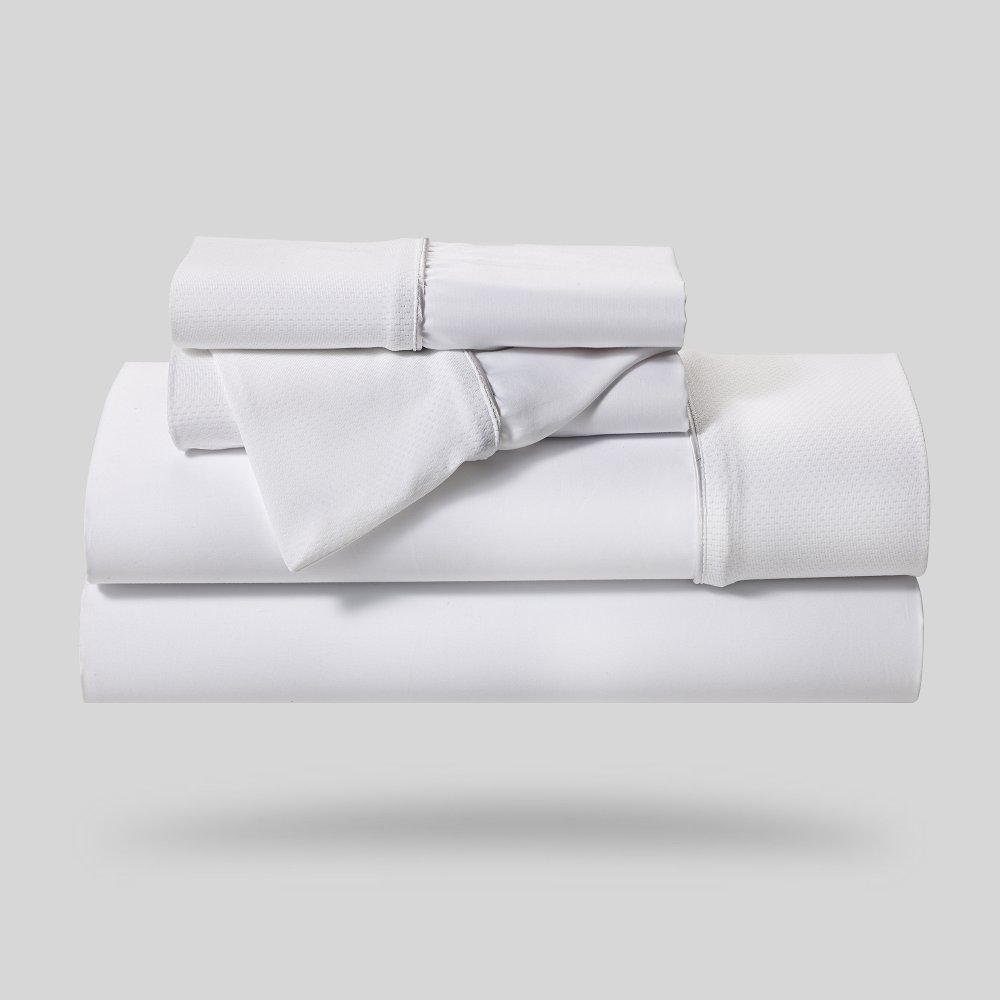
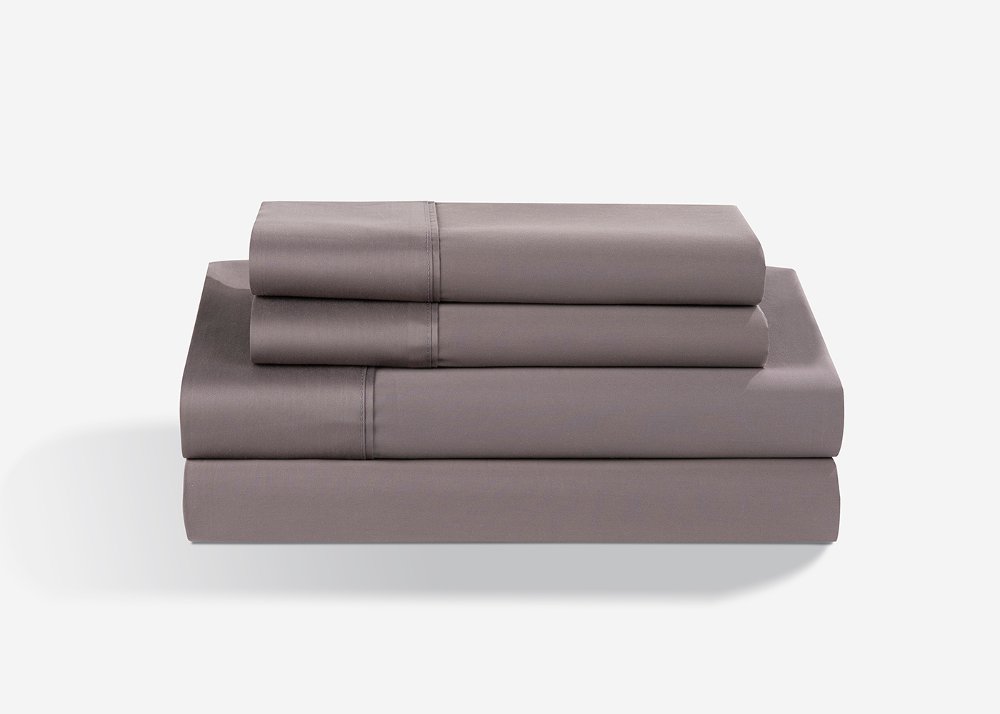
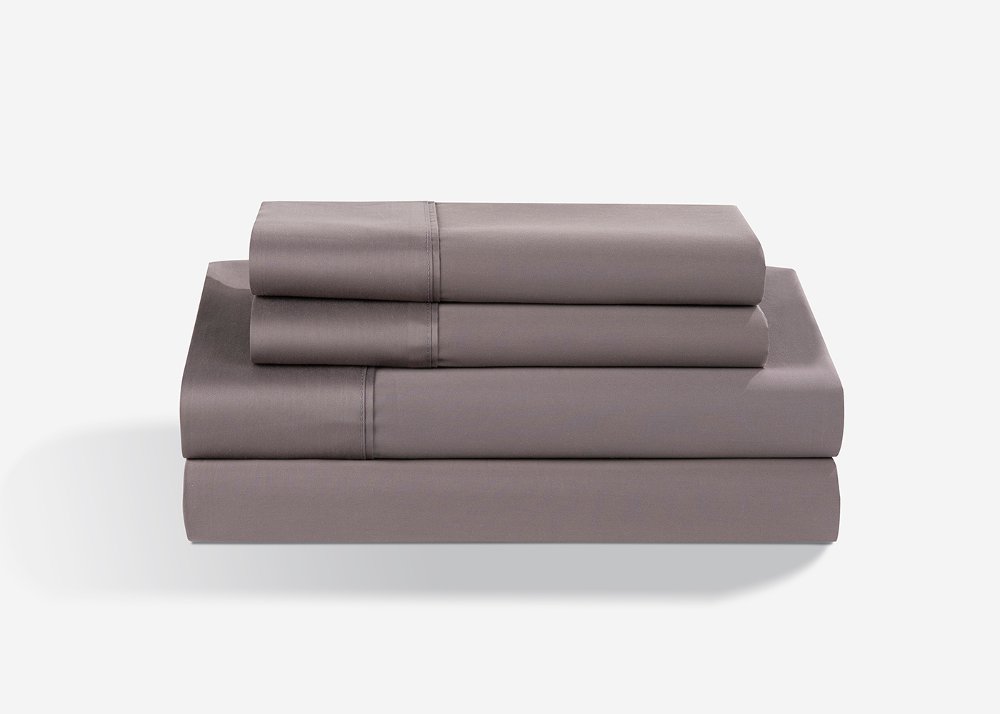
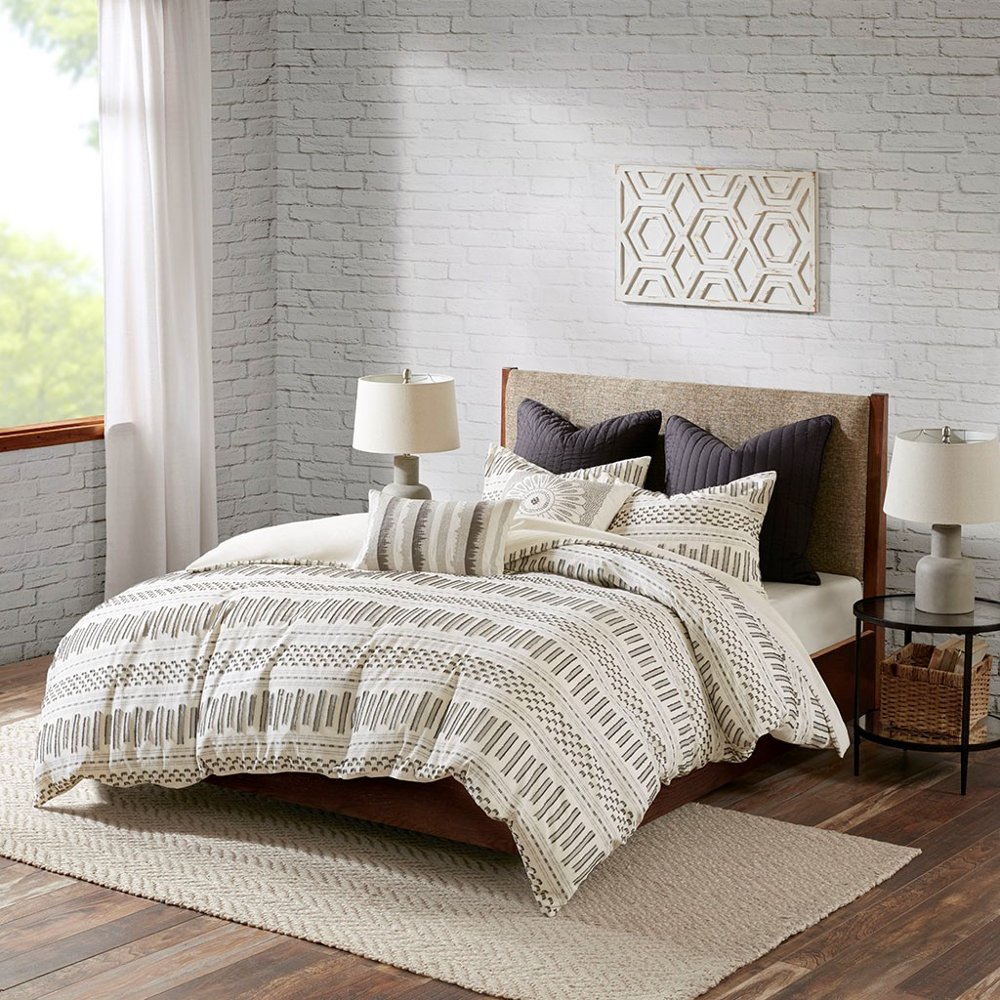
Neutral comforters are filled bedding layers in understated shades such as white, ivory, cream, beige, taupe, and gray. They bring softness and a finished look to the bed while leaving plenty of room for your personal style. A neutral color palette works with light oak, dark walnut, painted furniture, and upholstered headboards, making it easy to refresh a bedroom without replacing everything around it. The details within those colors matter, though. Cream and sandy beige often have warm undertones that complement natural wood and woven accents, while cooler grays pair comfortably with black metal and crisp white finishes. Taupe and greige sit between beige and gray, offering a flexible starting point for rooms that mix different finishes. White bedding creates a clean, bright impression; ivory gives a similar effect with a softer contrast. If your bedroom already includes a patterned rug or colorful artwork, a solid neutral comforter can give those pieces room to stand out. In a quieter space, texture adds interest without introducing another color. Think of gently puckered fabric, woven stripes, subtle quilting, or a small tonal pattern that becomes noticeable up close. A smooth comforter feels visually simple, while a textured surface gives the bed more depth, even when the sheets and pillowcases stay within the same color family. Neutral doesn't have to mean matching every shade exactly. An oatmeal comforter with ivory sheets and a taupe throw can look relaxed and intentional because the colors share similar undertones. For a stronger contrast, charcoal accents or a darker bed frame can anchor pale bedding. These combinations suit primary bedrooms, guest rooms, and smaller spaces where a restrained palette helps furnishings feel connected. They also make neutral comforters practical for bedrooms that serve more than one person: the bedding can feel welcoming without leaning heavily into a single decorative theme. Checking the color description alongside images helps distinguish a creamy beige from a gray-toned neutral, especially when coordinating with bedding you already own.
Fabric, fill, and construction shape how a comforter feels in everyday use. Cotton shells are often chosen for their breathable feel and familiar softness, though the weave and finish influence the final texture. Linen shells have a more relaxed surface with natural variation, and visible wrinkles can be part of their appeal. Microfiber, typically made from polyester, generally has a smooth, soft feel and resists wrinkling, making it appealing when you prefer a neatly finished bed with less fuss. A fabric blend may combine characteristics of different fibers, so the material description is more useful than the color alone. Inside, down fill can provide loft with relatively little weight, while down-alternative comforters commonly use synthetic fibers for a feather-free option. Neither name tells the whole story; fill amount, stitching, and the shell all affect the comforter's weight and drape. Sewn-through quilting helps keep fill distributed in separate sections, while baffle-box construction uses internal fabric walls that allow the fill more room to loft. Secure stitching and evenly filled sections help a comforter maintain a consistent appearance rather than developing thin patches or bulky corners. Fit deserves just as much attention as fabric. Twin, full, queen, and king labels are useful starting points, but finished dimensions vary, and a thicker mattress needs more fabric to achieve the same side coverage. Measuring the width and length of your mattress, then considering how far you want the comforter to hang, makes the choice more concrete. A low platform bed may look best with a shorter drop, while a taller bed can accommodate a fuller drape. For a larger bed, Neutral King Size Bedding Sets offer another way to coordinate the overall look. Set contents vary, so check whether the bedding includes pillow shams, sheets, or only the comforter and its coordinating pieces. Decorative shams aren't always a substitute for everyday pillowcases. A comforter can usually serve as the visible top layer, unlike a duvet insert intended for use inside a separate cover.
Everyday routines help determine which neutral comforter will feel easiest to live with. For a frequently used bedroom, washable bedding can simplify upkeep, provided the care label allows machine washing and the comforter fits comfortably in the washer. A bulky comforter needs room to move during cleaning; squeezing it into a small drum can leave detergent behind or prevent a thorough rinse. Some materials or constructions require professional cleaning, so checking the instructions before choosing helps avoid surprises later. Drying matters just as much as washing. Follow the recommended method and make sure the fill dries completely before returning the comforter to the bed or putting it away. Damp filling can develop odors, and excessive heat can damage certain fabrics or fibers. Between cleanings, addressing small spills promptly and using a separate throw where a pet likes to nap can help protect the main bedding. Pale neutrals make some marks more noticeable, while midtone beige, taupe, or gray may soften their appearance; none eliminates the need for regular care. Raised textures can also catch on claws or jewelry, making a smoother surface worth considering in a busy household. Well-finished seams, secure quilting, and a fabric suited to your routine support durability more than color does. Neutral comforters are especially useful in guest rooms because they coordinate easily with replacement sheets and accommodate a range of decorating preferences. In a first apartment, they provide a flexible foundation as furniture and accessories change. They can also make thoughtful housewarming or wedding gifts when the recipient's bed size, fabric preferences, and care needs are known. For someone who prefers a simple bed-making routine, coordinating pillow shams can create a finished appearance without a stack of decorative cushions. Someone who enjoys changing accent colors can keep the neutral comforter in place and refresh the room with a throw or pillow covers. The most useful choice balances the look you enjoy with comfortable fabric, the right dimensions, and care requirements that fit your daily life.
Read More