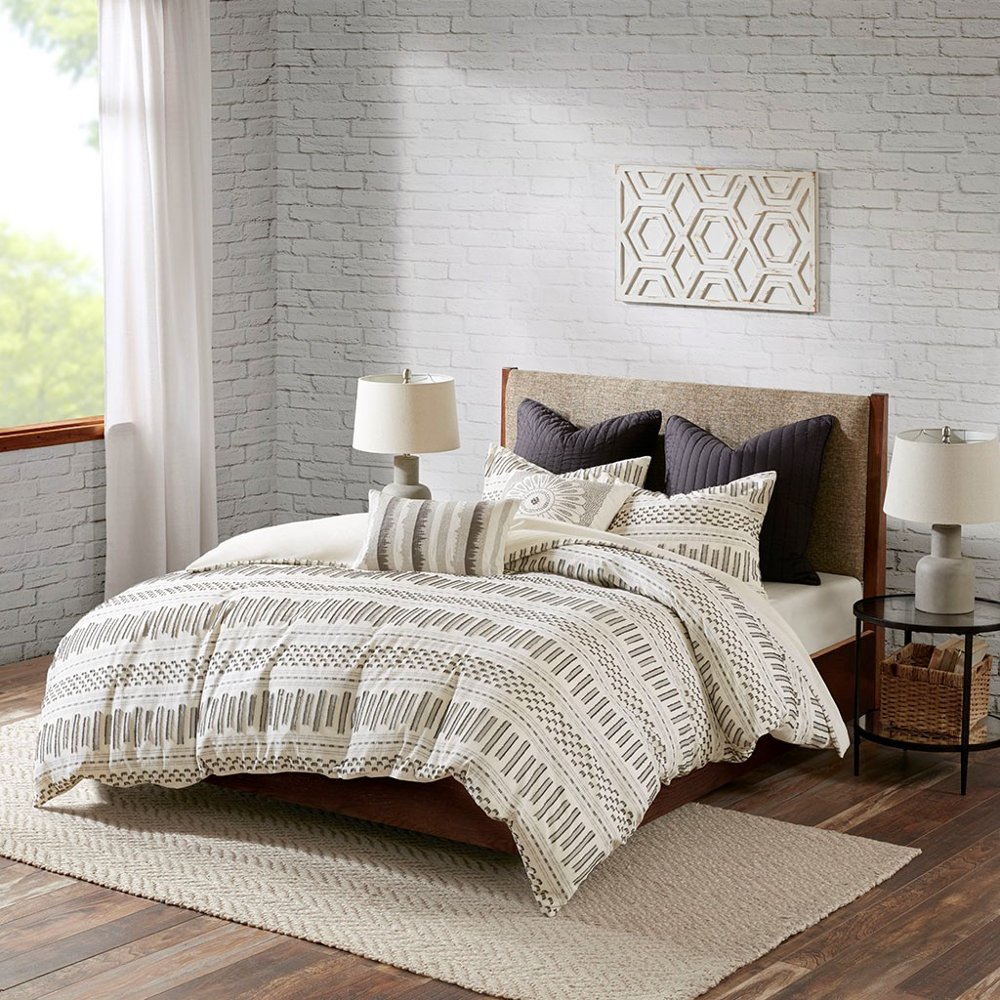
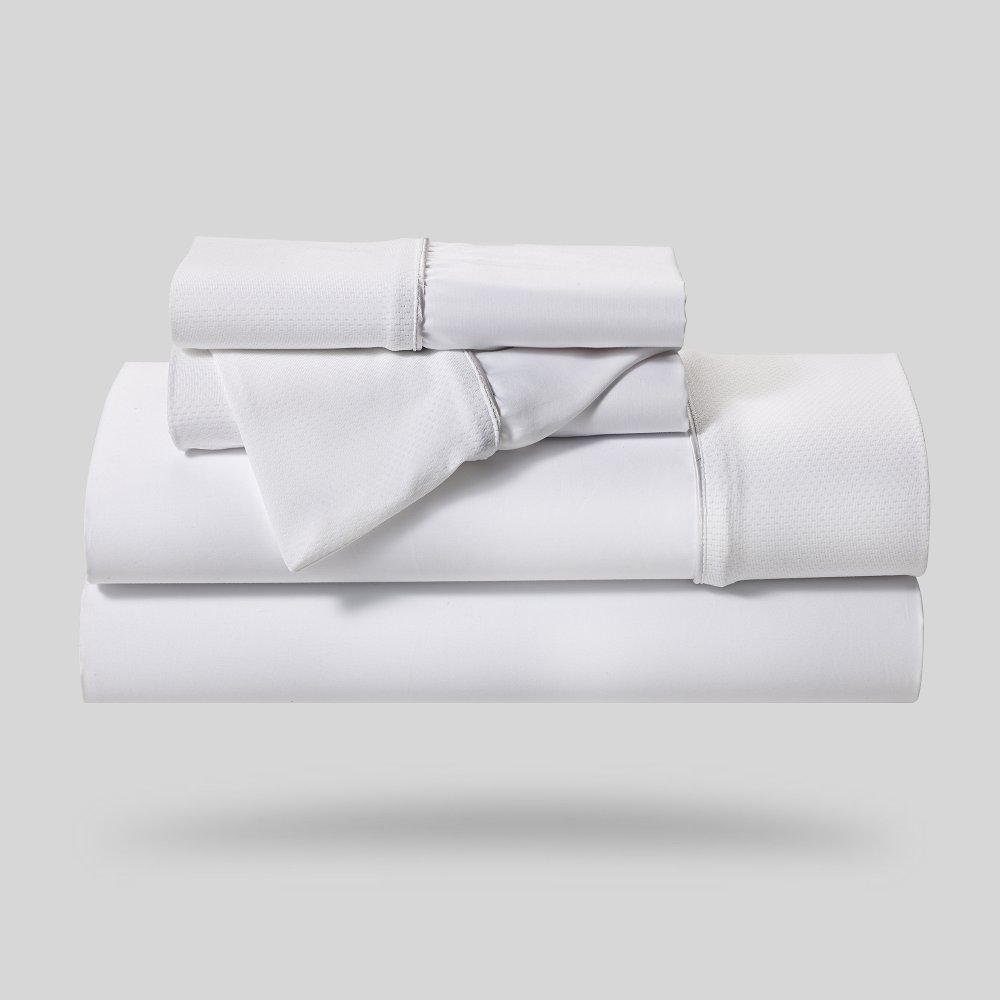
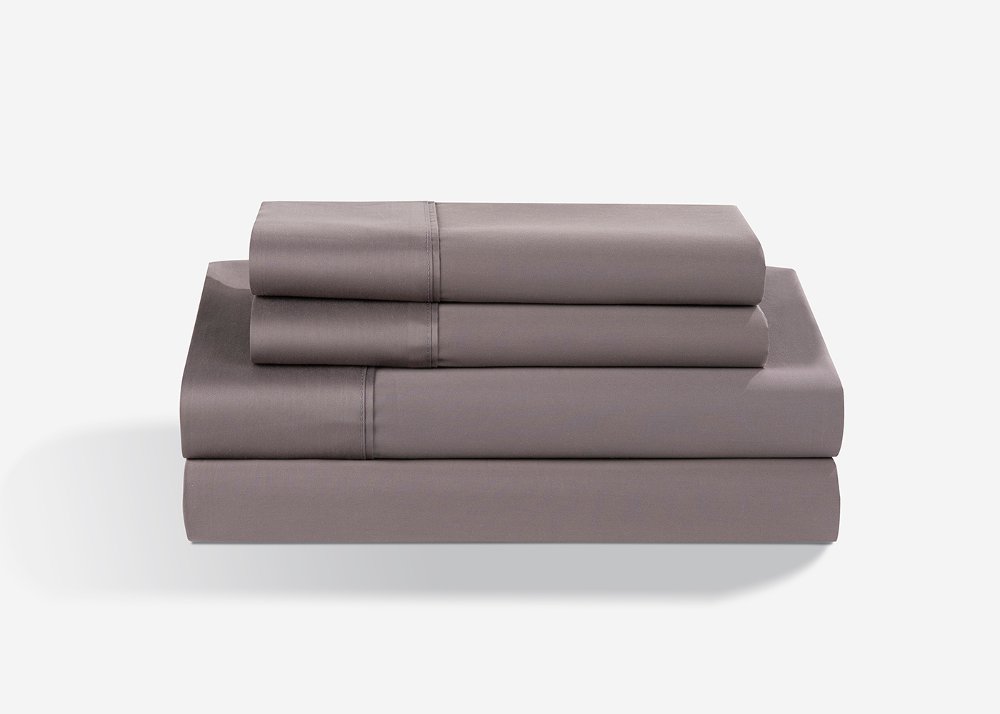
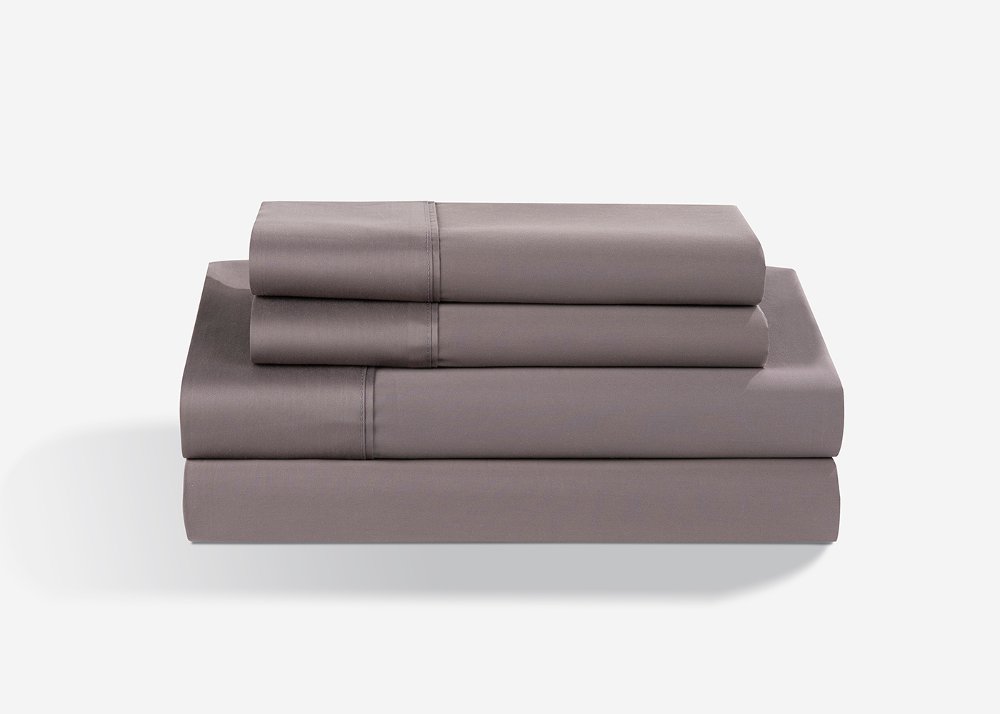
Neutral queen bedding sets give your bedroom a comfortable, pulled-together look without making every other decorating decision for you. Shades of ivory, oatmeal, beige, taupe, and gray create a flexible foundation for wood furniture, upholstered headboards, patterned rugs, and favorite artwork. The appeal is in the details: a cream quilt with stitched channels feels different from a smooth white duvet cover, while a textured sand-colored comforter adds depth without introducing a bold print. Neutral doesn’t have to mean plain. Subtle stripes, woven checks, embroidered edges, and tonal patterns bring interest to the bed while keeping the overall effect relaxed. Color undertones help connect the bedding to the rest of the room. A beige with a golden cast can complement honey-colored wood, while a gray with a brown undertone often sits comfortably beside walnut finishes and natural woven accents. Crisp white creates a clear contrast against a dark bed frame; soft ivory offers a gentler transition next to a cream upholstered headboard. Seeing those colors together matters more than matching every surface exactly. A little variation between the bedding, curtains, and rug helps the space feel collected rather than overly coordinated. Queen bedding works well in primary bedrooms, guest rooms, and bedrooms shared by couples, with enough presence to anchor the room without needing layers of decorative pillows. A matching set can make the bed look finished with a simple fold of the top layer and a pair of shams. From there, a small accent pillow or a throw at the foot of the bed adds personality without hiding the fabric you chose. For a room that changes through new wall art or accessories, a neutral base leaves plenty of room to experiment. The broader selection of Neutral Color Bedding Sets can also help you compare the subtle colors and textures that make this palette feel personal.
The fabric, construction, and contents of a queen bedding set shape how it feels and functions every day. Cotton is a familiar choice for its softness, breathability, and generally straightforward care, though the weave makes a noticeable difference. Cotton percale typically has a crisp, matte finish, while sateen usually feels smoother and has a gentle sheen. Linen has a more pronounced texture and a relaxed appearance that includes natural creasing. Polyester microfiber often has a smooth, soft surface, and blended fabrics combine characteristics of different fibers. The fiber label is only part of the story: fabric weight, weave, finishing, and stitching all affect the finished feel. A high thread count alone doesn’t tell you whether bedding will suit your preferences or hold up well. If you like a neatly tailored bed, a smooth fabric with restrained detailing may feel right; if you prefer an easygoing look, a textured weave or softly puckered surface can make everyday wrinkles less noticeable. Set contents deserve just as much attention as the fabric. A comforter set generally centers on a filled top layer, while a duvet cover set includes a removable cover intended for a separate insert. Quilt and coverlet sets typically offer a flatter profile, though construction and weight vary. Matching shams may be included, but sheets, pillow inserts, bed skirts, and decorative pillows aren’t part of every set. Checking the contents helps you understand what will complete your bed. Fit also goes beyond the word “queen.” A standard queen mattress measures 60 by 80 inches, but mattress depth, toppers, and the height of the bed frame change how much coverage looks right. Compare the actual dimensions of the comforter, quilt, or duvet cover with your mattress and the drop you prefer along each side. Full/queen sizing can work differently on a deep mattress than on a thinner one. For sets that include sheets, fitted-sheet pocket depth matters, too. With duvet bedding, compatible cover and insert dimensions help prevent empty corners or a crowded, bunched-up finish.
Everyday practicality is part of what makes neutral queen bedding sets so useful. A light, simple bed can give a guest room a welcoming appearance, while a softly patterned taupe or gray set may be a comfortable fit for a bedroom that also hosts a reading chair, a pet’s favorite resting spot, or a busy morning routine. Very pale fabrics can make marks more noticeable, while subtle patterns and textured surfaces may make minor signs of use less obvious. That doesn’t make one shade universally easier to live with; the best match depends on your habits and how you prefer to care for bedding. Read the care label before washing, since fiber content, fill, embroidery, and surface treatments can call for different methods. Some bedding can go through a household washer, while larger filled pieces may need a machine with more drum space to move freely and rinse thoroughly. Following the recommended detergent, wash cycle, and drying method helps protect the fabric and construction. Prompt attention to spills, gentle handling of decorative details, and avoiding an overloaded washer can also support a tidy appearance over time. Duvet covers offer the convenience of washing the outer layer separately from the insert, while a quilt or comforter keeps the daily bed-making routine simple. Secure seams, even quilting, and well-finished edges are useful details to consider for bedding that will see frequent use. Neutral queen sets can also make thoughtful wedding or housewarming gifts when you know the recipient’s bed size and general style. Familiar colors leave room for personal touches, but confirming fabric preferences and set contents makes the gift more useful. Whether you’re furnishing a first apartment, refreshing a shared bedroom, or preparing a comfortable place for overnight visitors, the goal is bedding that looks at home and feels easy to use. A pleasing texture, a dependable fit, and care requirements that suit your routine do more for everyday comfort than an elaborate arrangement ever could.
Read More