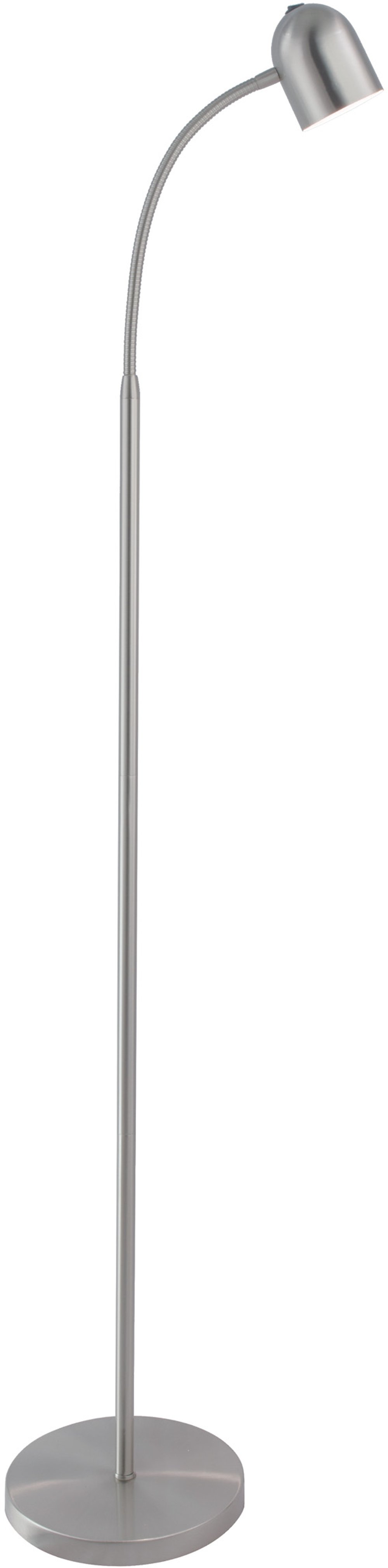
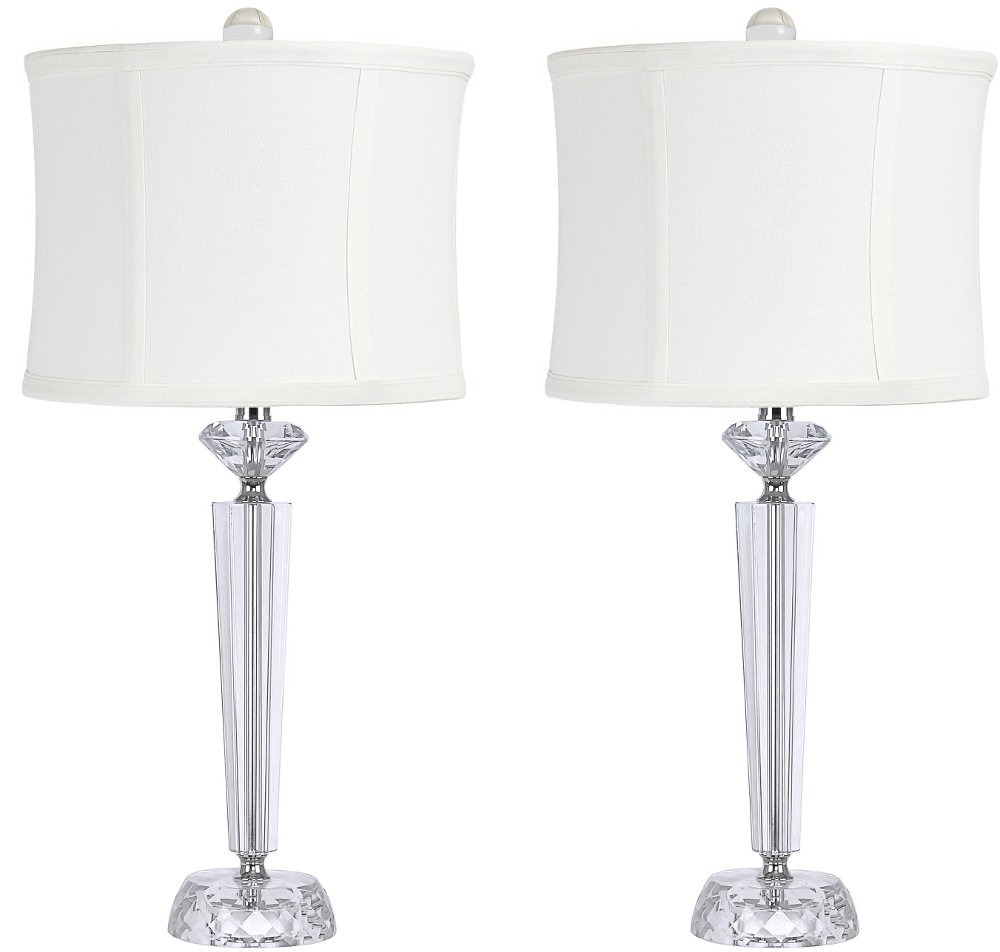
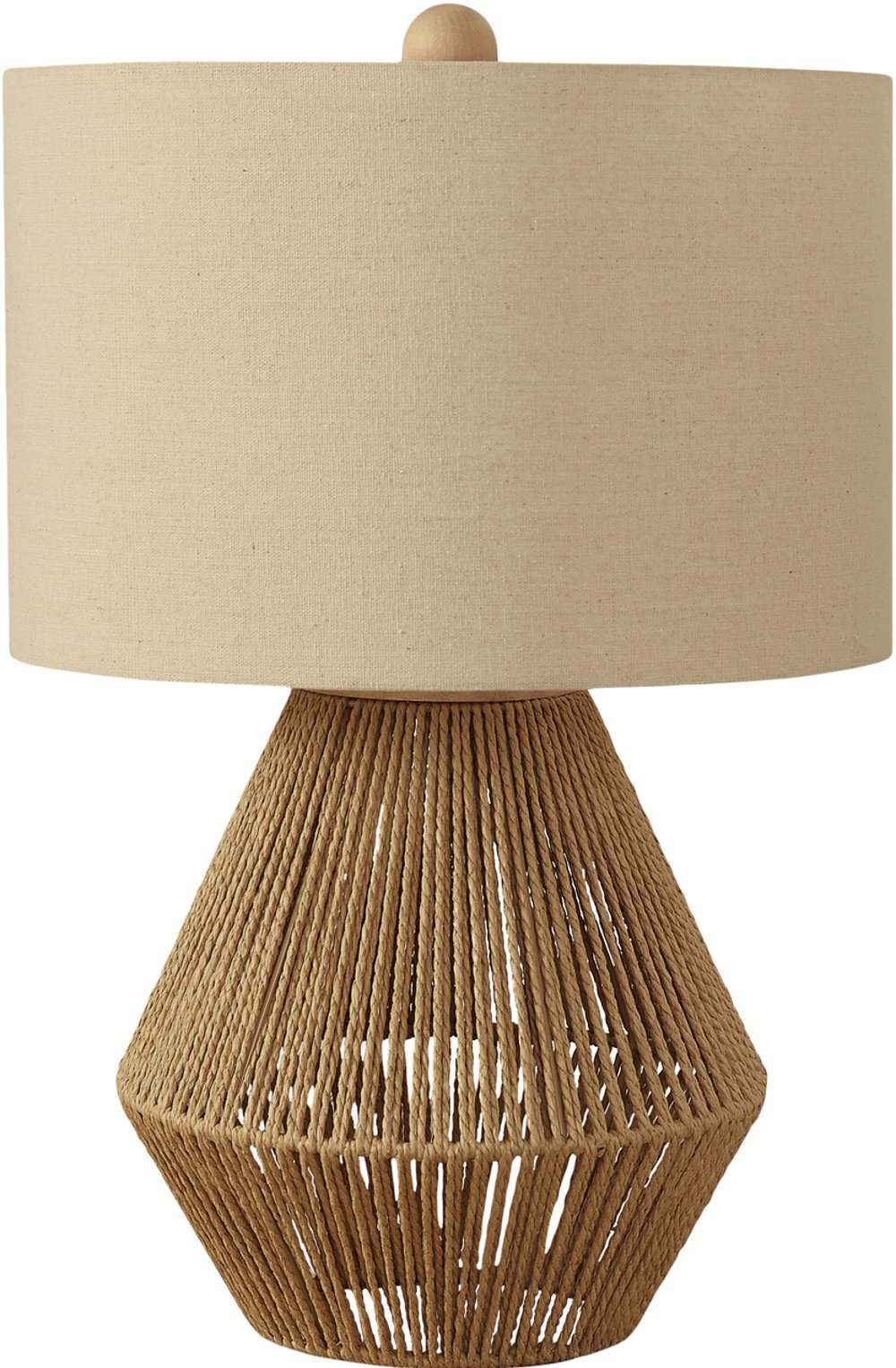
Nickel lighting brings a silver-gray metallic finish to lamps and light fixtures, with a subtle warmth that works comfortably alongside wood, glass, stone, and upholstered furniture. The term generally describes the fixture’s finish rather than a body made entirely of nickel. Depending on the construction, that finish may be applied over brass, steel, or another base material, so both the surface treatment and the underlying structure matter when comparing designs. Brushed nickel has fine directional lines that soften reflections, while satin nickel usually has a smooth, low-sheen appearance. Those labels sometimes overlap, and the exact color and texture can vary by manufacturer. Polished nickel is more reflective, often taking on a warmer cast than chrome and picking up colors from the surrounding room. Each finish offers a different effect: a brushed nickel pendant can feel understated above a kitchen island, while a polished nickel chandelier adds sparkle over a dining table. Clear glass shades keep the metalwork visible and let more direct light through; frosted or opal glass diffuses light for a gentler appearance. Fabric shades bring another layer of softness, making nickel table lamps and floor lamps a natural fit beside sofas, beds, and reading chairs. Shape matters just as much as sheen. Straight arms and simple cylinders suit streamlined spaces, curved silhouettes complement traditional furnishings, and open frames can bridge the two. Nickel also pairs easily with painted cabinetry, from soft white to deep blue, without requiring every nearby handle, hinge, or faucet to match perfectly. For a cohesive room, repeat a similar metal tone in a few places and let the larger surfaces provide contrast. A nickel lamp against a walnut side table, for example, gives the eye a crisp detail without competing with the grain. If you’re coordinating several fixtures, compare finish descriptions and close-up images rather than relying on the word “nickel” alone. Small differences are especially noticeable when two fixtures sit close together or share the same sightline.
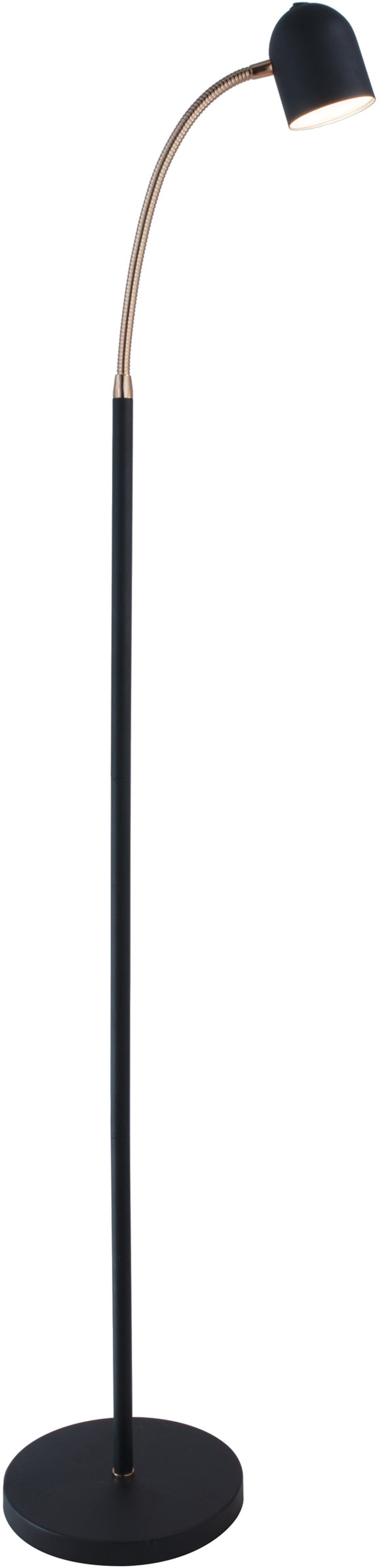
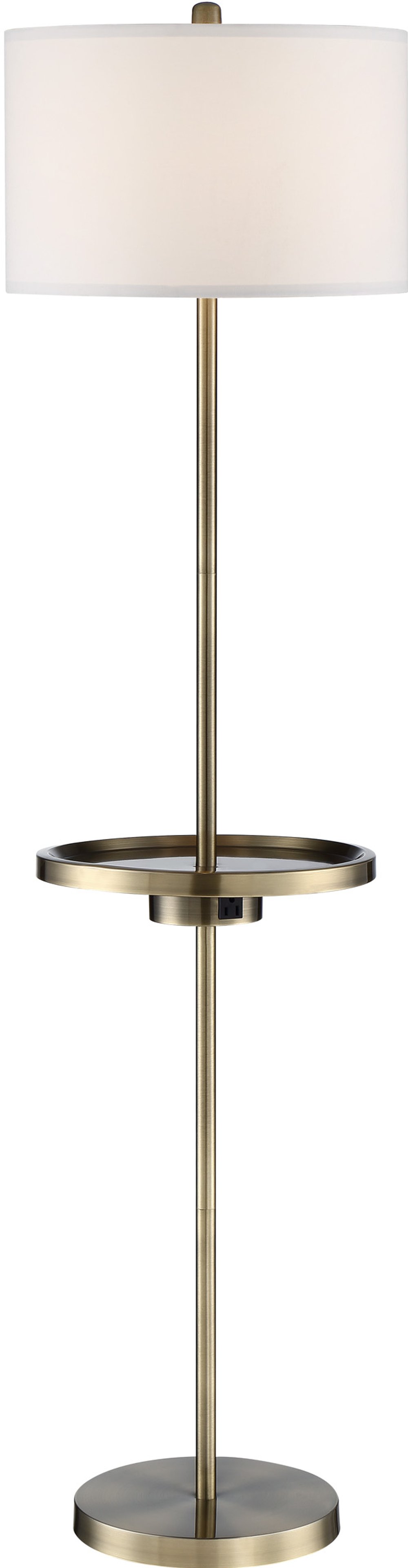
The right nickel light fixture depends on what happens beneath it as much as how it looks. Pendant lights provide focused illumination over kitchen islands, counters, and dining areas, while chandeliers spread light across a larger arrangement and create a visual center. Flush-mount and semi-flush-mount ceiling lights are useful where a hanging fixture would interfere with a doorway, walking path, or lower ceiling. Nickel wall sconces can brighten hallways, frame a mirror, or free up surface space beside a bed; adjustable track lighting can direct attention toward artwork, shelving, or a work area. In a bathroom, consider how the light reaches your face rather than choosing on appearance alone. Light from both sides of a mirror can help reduce the shadows cast by a single overhead source, and fixtures need a location rating appropriate to their exposure to moisture. Living rooms usually benefit from several light sources instead of one bright ceiling fixture. A floor lamp beside a reading chair supports close-up tasks, a shaded table lamp makes a conversation area feel comfortable, and an overhead light handles broader illumination. For that layered look, Brushed Nickel Living Room Lamps offer a useful starting point for coordinating the finish across seating areas. Before choosing a size, measure the furniture, ceiling height, and space around the fixture. A pendant should illuminate the surface below without blocking conversation across the counter, and a dining chandelier should relate to the table rather than simply fill the room. With portable lamps, check the base footprint, shade width, outlet location, and switch position. A broad shade can crowd a narrow nightstand even when the base fits neatly. Beside a favorite chair, place the lamp so the shade helps shield your eyes from the bulb while the light still reaches the page. Adjustable arms and swiveling heads are particularly helpful when the same corner serves for reading, needlework, and laptop use. Keep cords clear of walkways and leave enough room to operate switches comfortably.
Light quality, construction, and care determine how well nickel lighting serves your home after the decorating decisions are made. The nickel finish affects appearance, but the bulb or built-in light source determines brightness and light color. Compare lumens for brightness rather than using wattage alone, especially when considering LEDs. Warm white light around 2700K to 3000K often suits bedrooms, dining rooms, and relaxed seating areas; a more neutral light may suit a workspace where clear visibility matters. Consistent color temperatures help neighboring fixtures feel coordinated, even when their shapes differ. A bulb’s color-rendering performance also affects how faithfully fabrics, food, and paint colors appear. Check the specified bulb base, maximum permitted wattage, and whether bulbs are included or the fixture uses integrated LEDs. Dimming requires compatible components, so confirm that the light source and dimmer are designed to work together. Clear shades can expose a bright bulb directly to view, making bulb shape and glare worth considering before installation. For hardwired ceiling lights and sconces, a qualified electrician can confirm proper mounting, electrical compatibility, and any location-specific requirements. Portable lamps need a stable base, secure shade fittings, and a placement where children, pets, or passing elbows are less likely to knock them over. Durability depends on the quality of the base material, finish application, joints, and hardware—not simply whether the surface is brushed or polished. Brushed finishes tend to make fingerprints and small marks less conspicuous, while polished surfaces can show smudges more readily. Regular dusting with a soft, dry cloth helps maintain either look. Follow the manufacturer’s cleaning directions, and avoid abrasive pads, harsh chemicals, or metal polish unless expressly recommended for that finish; protective coatings can be damaged by the wrong cleaner. Switch lights off and let bulbs cool before cleaning, and keep moisture away from sockets and electrical parts. For a housewarming or a first apartment, a nickel table lamp can make a practical gift when you know the recipient’s space and style. Whether you’re furnishing one reading nook or coordinating several rooms, balanced proportions, comfortable illumination, and easy everyday use give nickel lighting its lasting appeal.
Read More