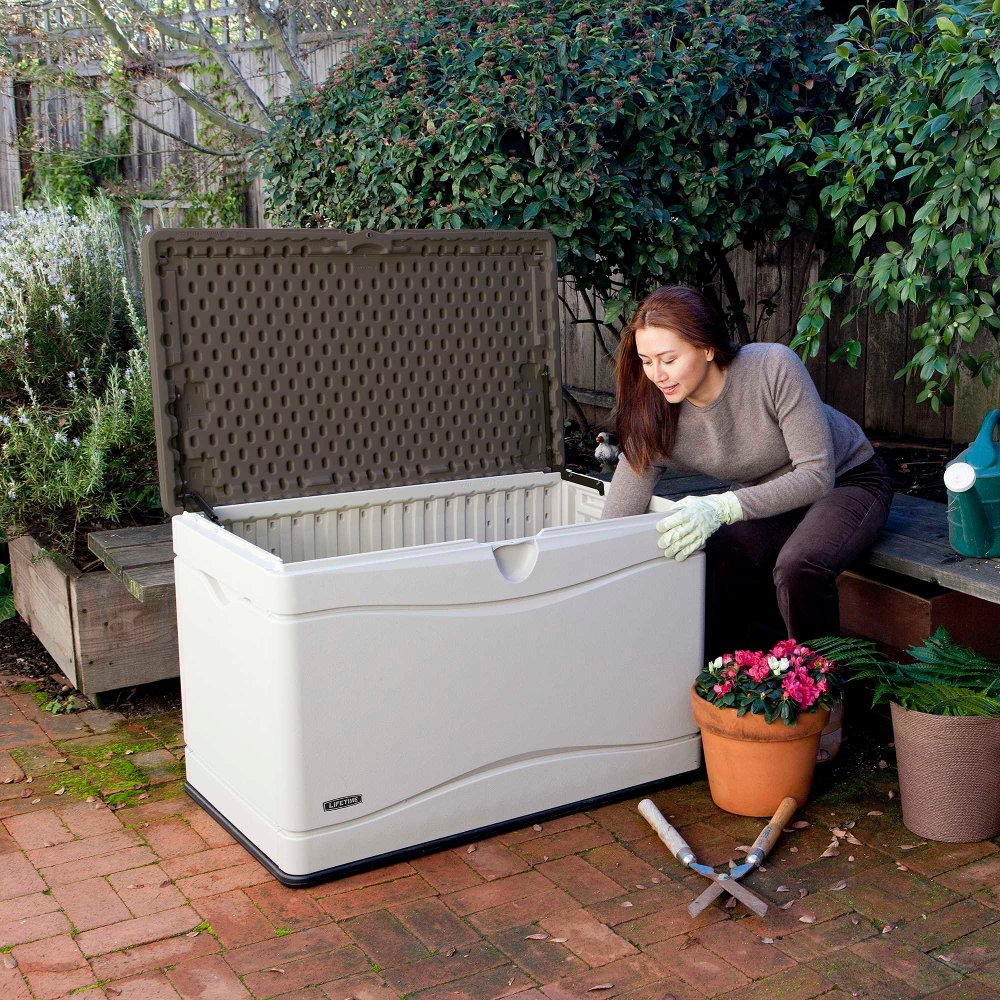
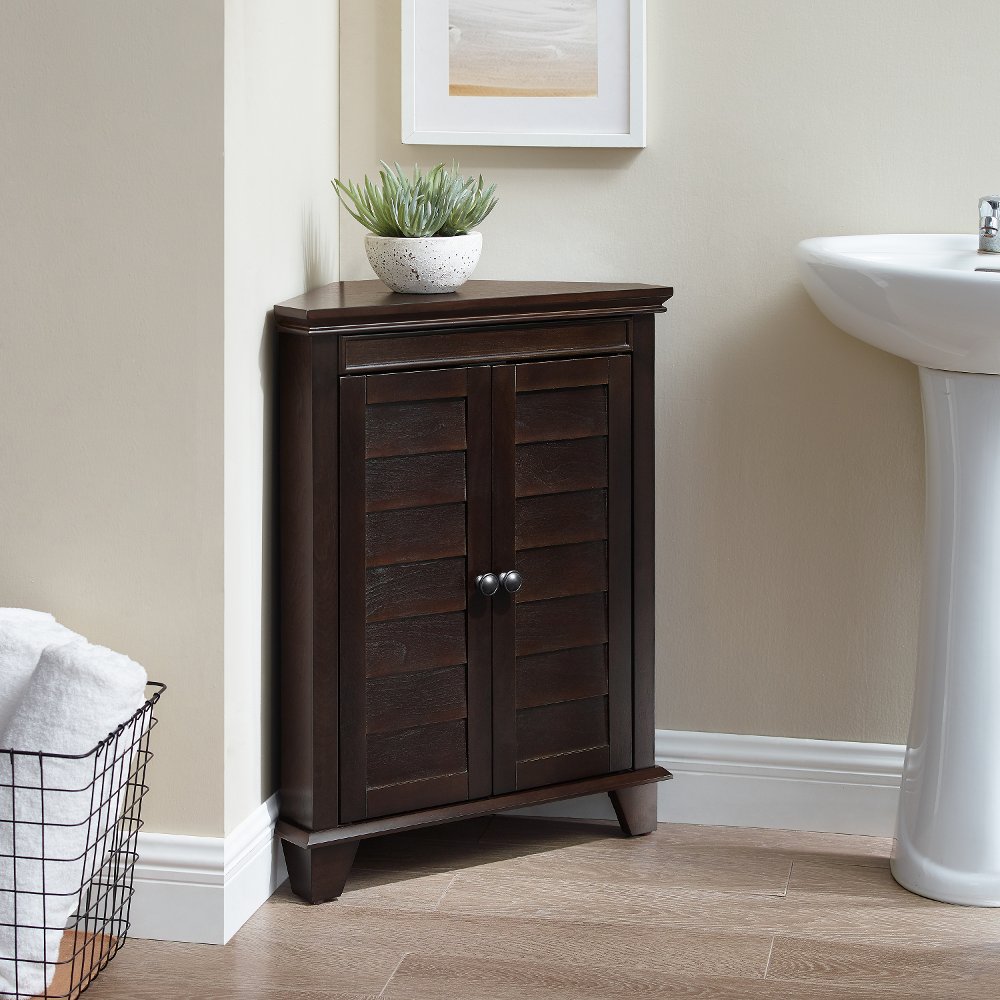
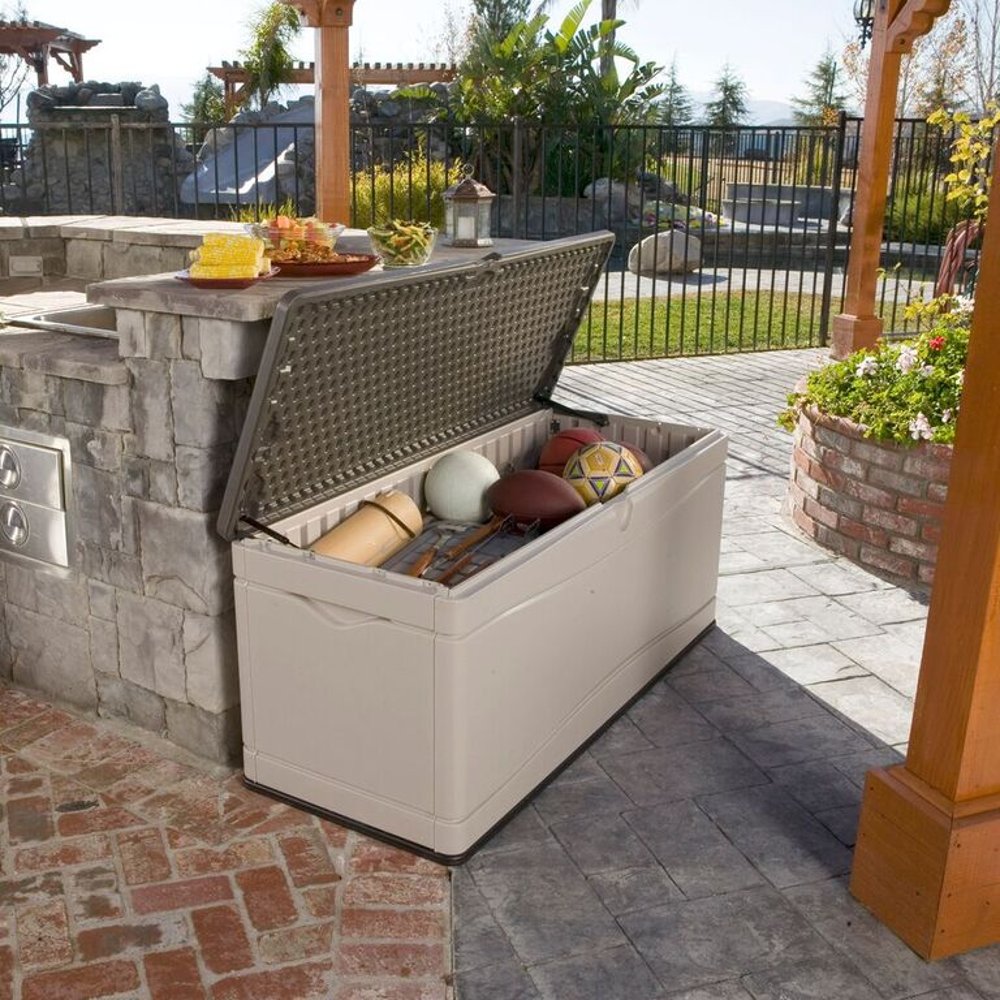
Outdoor cabinets provide enclosed storage for patios, decks, backyards, and outdoor kitchens, keeping everyday essentials close to where you use them. They give grilling utensils, gardening supplies, outdoor dinnerware, and other belongings a dedicated home without making your seating area feel like a storage room. A cabinet beside a dining table can hold serving trays and table accessories, while a taller design near a garden can help organize hand tools, empty pots, and watering supplies. For households that entertain outside, having those essentials within reach means fewer trips through the back door and more time around the table. The right layout depends on what needs a home: deep compartments accommodate bulky belongings, drawers separate smaller accessories, and adjustable shelves make room for pieces of different heights. Low-profile outdoor storage cabinets can sit comfortably alongside lounge furniture, while taller cabinets make use of vertical space on a compact patio. Closed doors also create a quieter visual backdrop, keeping an assortment of practical supplies from competing with the rest of your outdoor furniture. For a coordinated look, cabinet finishes can complement nearby dining chairs, decking, or an outdoor kitchen countertop without matching every surface exactly. Clean-lined metal cabinetry suits a streamlined cooking area, while wood tones can bring a softer feel to a furnished porch. Anyone comparing enclosed storage styles can also explore Door Cabinets, checking each cabinet’s intended placement carefully because indoor furniture isn’t automatically suitable for outdoor exposure. Outdoor cabinets work especially well for busy households, frequent hosts, and gardeners who want useful storage near daily activities. Their value comes from making the space easier to enjoy: a clear dining table, an uncluttered walkway, and a dependable place to put things away when the gathering ends. Whether the cabinet serves a small balcony or a larger backyard setup, its dimensions and interior arrangement matter more than simply choosing the biggest piece that fits.
Materials play a major role in how outdoor cabinets handle moisture, sunlight, and regular use. Common choices include stainless steel, powder-coated aluminum, resin, marine-grade polymer, and wood specifically suited or treated for exterior applications. Stainless steel offers a crisp appearance and a sturdy surface for an outdoor cooking area, but its corrosion resistance depends on the grade, finish, exposure, and maintenance. It’s rust-resistant rather than rustproof, and salt or harsh cleaning chemicals can damage an otherwise durable surface. Powder-coated aluminum is relatively lightweight and naturally resistant to rust, with a protective finish that adds color and helps shield the metal underneath. Keeping that coating intact supports its long-term appearance. Resin cabinets offer practical storage with surfaces that generally clean easily, although wall thickness, reinforcement, and shelf construction affect how much weight they can hold. Marine-grade polymer is commonly chosen for moisture resistance because the material won’t absorb water like untreated wood. UV resistance still deserves attention with plastic-based materials, since formulations differ and prolonged sun exposure can affect color and performance. Wood outdoor cabinets bring natural texture and character, with care requirements that vary by species and protective finish. Some need periodic sealing or refinishing, particularly where water tends to collect. Across all materials, the cabinet’s construction matters as much as its exterior. Corrosion-resistant hinges and fasteners, sturdy shelf supports, and doors that close evenly help the whole piece perform reliably. Gaskets, overlapping door edges, and thoughtful drainage can reduce water or dust intrusion, but weather-resistant storage isn’t necessarily waterproof or pestproof. Unless a cabinet is explicitly rated for those conditions, sensitive belongings may need separate sealed containers or indoor storage. Cushions and fabrics should be completely dry before they’re enclosed, and even a sheltered cabinet benefits from airflow appropriate to its design. A covered porch, an exposed deck, and a coastal patio place different demands on cabinetry, so matching the stated outdoor rating to the location helps set realistic expectations for durability.
A comfortable fit starts with the cabinet’s full footprint, including handles, open doors, and extended drawers. A piece that fits neatly against a wall can still crowd a walkway when its doors swing open, especially beside a dining chair or the route to the grill. Measuring those everyday movements helps keep storage convenient rather than intrusive. Interior measurements deserve equal attention: a wide serving platter may need more usable shelf width than the cabinet’s exterior suggests, and a tall watering can may require an adjustable shelf. Shelf and drawer weight ratings are particularly important for stacks of dishes, heavy cookware, or bags of gardening material. Heavier belongings generally sit best on lower shelves, within the manufacturer’s limits. Adjustable feet can help level a cabinet on a slightly uneven surface, but they don’t replace a stable foundation or required anchoring. Tall units and wall-mounted cabinets need installation suited to their design and the supporting surface. In an outdoor kitchen, cabinetry must also respect appliance clearances, ventilation requirements, and the manufacturer’s instructions; an ordinary storage compartment isn’t a substitute for an enclosure designed for a grill or fuel cylinder. A top surface intended for storage may not be rated for hot cookware or direct food preparation, either. These distinctions help create a setup that works as comfortably as it looks. Routine care is usually straightforward when it follows the material’s requirements: remove loose debris, wipe spills promptly, use recommended cleaners, and keep hinges, tracks, and drainage openings clear. Abrasive pads and strong chemicals can harm finishes, so gentle cleaning is often the better starting point. Checking hardware periodically helps doors stay aligned and drawers move smoothly. With a suitable material, a sensible layout, and care matched to its construction, an outdoor cabinet becomes a useful part of your living space—holding the practical essentials nearby while leaving more room to cook, gather, garden, and relax.
Read More