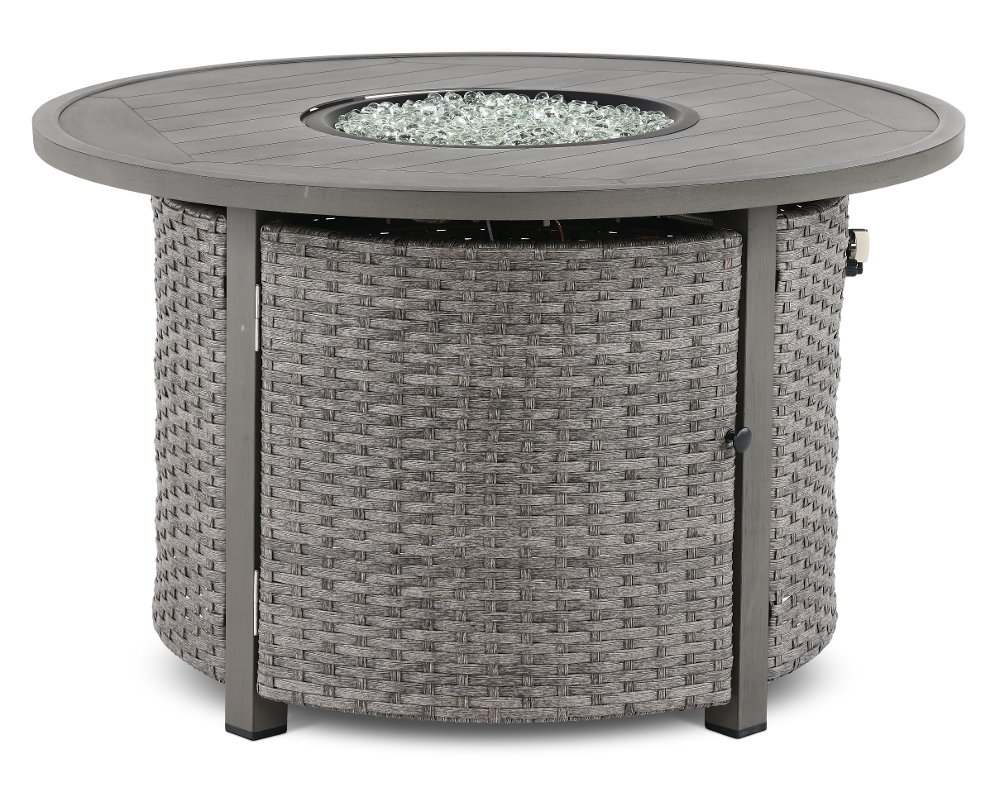
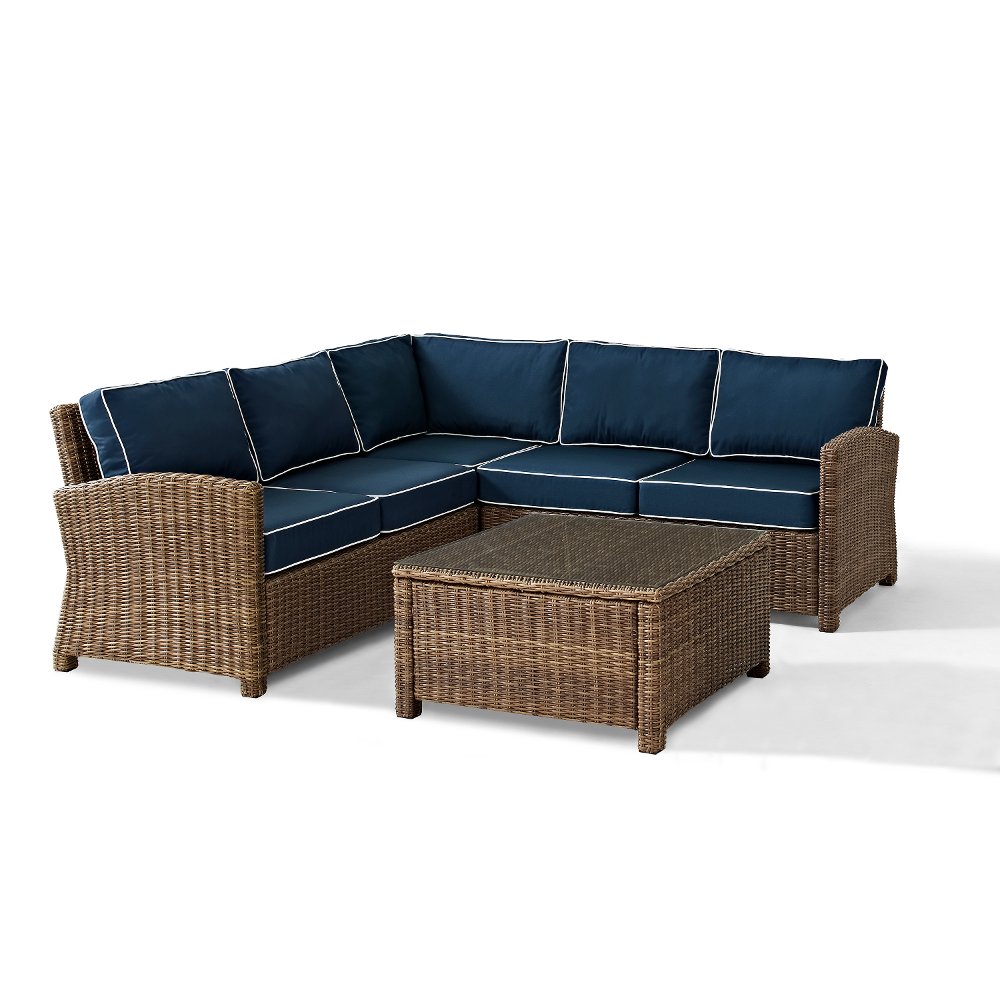
Outdoor firepit seating sets bring patio seating and a central fire feature together in one coordinated gathering space. A typical set pairs a fire pit table with chairs, a sofa, a sectional, or a combination of seats, making it easier to create a comfortable spot for conversation without matching every piece separately. The fire becomes a natural focal point, while the surrounding seating gives everyone a place to settle in with a drink, catch up after dinner, or enjoy a quiet evening outside. These sets suit different households and entertaining styles, from couples furnishing a small patio to families creating a backyard hangout with room for guests. Piece counts help describe a set’s layout, but they don’t necessarily tell you how many people it seats. A five-piece arrangement might include four individual chairs and one fire table, while a larger set may count separate sectional sections, ottomans, or side tables as individual pieces. Seating capacity, overall dimensions, and the included components give a clearer picture of how an arrangement will work at home. Individual chairs offer distinct personal spaces and flexible placement; a sofa creates a shared seat; and a sectional can define the edge of a larger conversation area. Swivel chairs make it easier to turn toward someone nearby, while rocking or gliding seats add gentle movement when the design allows. Those moving seats need extra room around them, beyond the footprint shown in a basic width measurement. A well-proportioned layout leaves clear walking paths from the back door, keeps furniture out of traffic routes, and follows the fire feature’s required clearances. Table shape also influences the arrangement. Rectangular fire tables often complement longer sofas, while outdoor square fire pits can serve as a balanced centerpiece among separate chairs or within a compact conversation layout. The most comfortable fit accounts for both the furniture and how people will move around it, including space to pull a chair back, carry a serving tray through, and reach each seat without stepping over a corner.
Materials give outdoor firepit furniture much of its character, but they also affect weight, upkeep, and long-term performance. Aluminum frames are generally lighter than steel and resist rust, which can make them practical for seating that gets repositioned. Steel provides a substantial feel, though its protective finish needs attention wherever scratches expose the metal underneath. Powder-coated finishes help protect metal surfaces, but they aren’t a substitute for routine care. Woven resin wicker brings a textured, relaxed look and is typically wrapped around a supporting frame; the frame material and the weave both matter when comparing construction. Natural wicker and outdoor-rated synthetic wicker aren’t interchangeable, so material descriptions deserve a close look. Wood accents add warmth and visible grain, with maintenance needs that depend on the species and finish. Fire table surrounds may use metal, tile, stone, or concrete-look materials, each with different cleaning requirements and resistance to staining or impact. A concrete appearance doesn’t always mean solid concrete construction, and a heavier-looking table isn’t necessarily the heavier piece. Cushions are just as important to the everyday experience. Deep seats invite lounging, while a more upright back and moderate seat depth can feel easier for conversation or getting up after a long sit. Supportive cushions should complement the frame rather than leave you feeling the front rail beneath your legs. Arm height, back angle, and seat height all influence comfort, especially when several generations share the patio. Outdoor-rated cushion fabrics are designed for exposure, but water resistance doesn’t mean waterproof, and fade resistance doesn’t mean color will remain unchanged indefinitely. Removable covers can simplify care when their labels permit cleaning separately; a zipper alone doesn’t confirm that a cover is machine washable. Neutral upholstery keeps the arrangement visually calm, while textured weaves and contrasting frames add interest without overwhelming a smaller space. For a patio that’s visible through large windows or sliding doors, finishes that relate to the adjoining room can make the outdoor seating feel like a natural extension of the home.
The fire feature deserves the same attention as the seats because its fuel type, controls, and tabletop design shape how the entire set is used. Propane fire pit tables commonly offer adjustable flames and may conceal a fuel cylinder inside the base, although tank placement varies by design. An external tank needs an approved location and a hose route that stays protected and clear of foot traffic. Natural gas models require a suitable gas connection and professional installation according to local requirements; conversion between fuel types is appropriate only when the manufacturer explicitly permits it with the correct components. Wood-burning fire pits offer a different experience, with tending, smoke, ash cleanup, and local burning restrictions to consider. Gas fire tables avoid wood ash, but they still require ventilation, careful operation, and regular inspection. BTU ratings describe heat input rather than guaranteeing how warm every seat will feel. Burner layout, flame adjustment, distance from the fire, and surrounding conditions all affect the experience, so a higher number alone doesn’t establish a better fit. A broad tabletop border can provide space for a mug or small plate where the manufacturer permits, while a compatible burner cover may create more usable surface after the fire is off and completely cool. Decorative fire glass or lava rock must meet the appliance’s specifications, and a decorative fire table shouldn’t be treated as a cooking surface unless it’s expressly designed for that purpose. These are outdoor appliances, with model-specific requirements for overhead clearance, nearby combustible materials, and placement on decks or other surfaces. An open-sided or covered patio isn’t automatically an approved location. Children and pets need supervision around flames and hot surfaces, even after the burner shuts off. Between gatherings, gentle cleaning, prompt spill removal, and dry cushion storage help preserve the seating. Properly fitted covers can protect cooled furniture and fire features when used according to their instructions, while keeping required ventilation unobstructed. With a layout that fits daily routines and materials suited to the care you can give them, a firepit seating set becomes a welcoming place for everything from a few uninterrupted minutes alone to an evening of unhurried conversation.
Read More