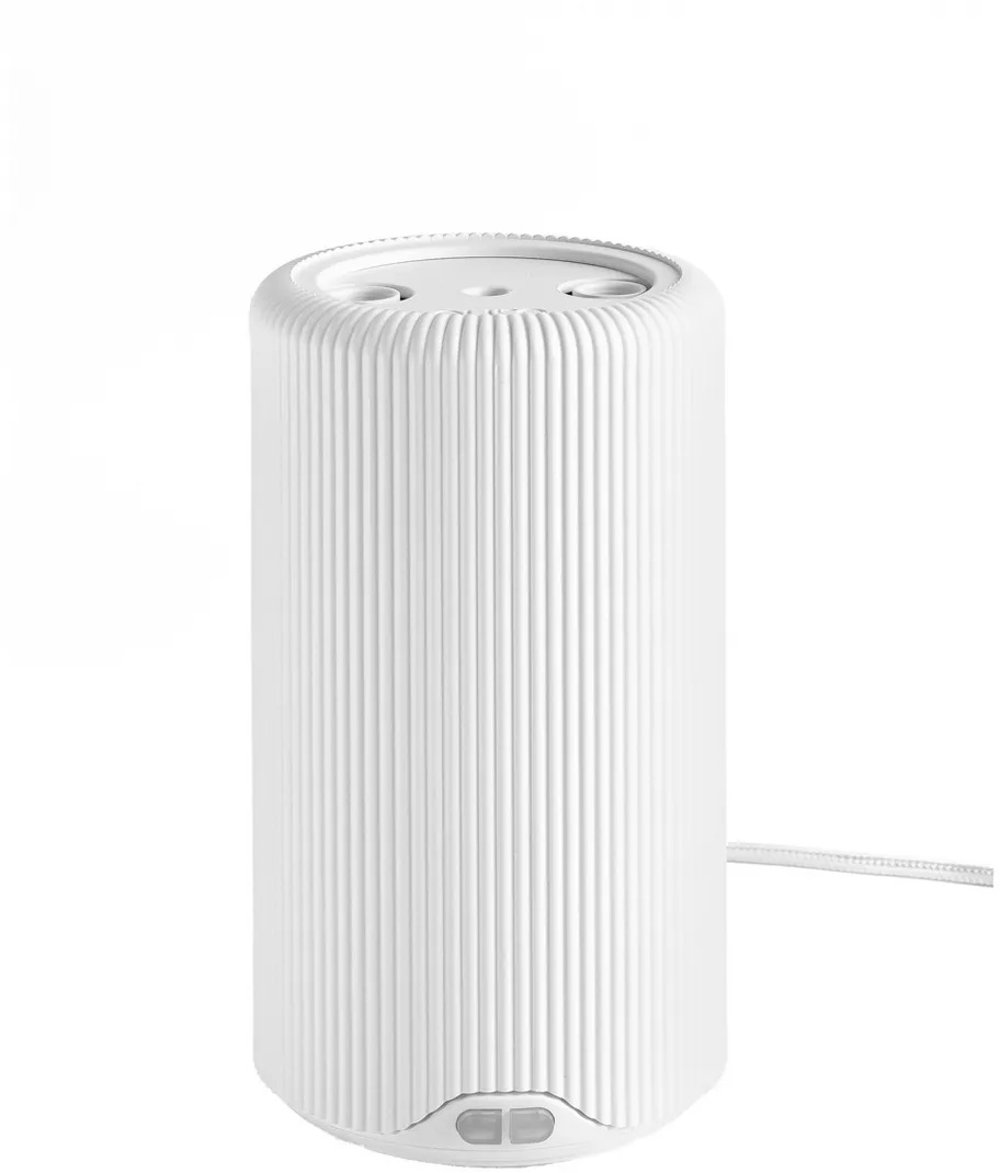
Outdoor lanterns bring a softer layer of light to patios, decks, porches, and garden seating areas, helping those spaces feel more inviting after sunset. Unlike overhead lighting that brightens a whole area, a lantern creates a smaller pool of light—a warm accent beside a chair, a gentle glow across a dining table, or a welcoming detail near the front door. The main types include solar-powered lanterns, battery-operated LED lanterns, rechargeable lanterns, and traditional candle lanterns. Each suits a different setting. Solar outdoor lanterns collect energy from sunlight during the day, and models with dusk sensors turn on as daylight fades. They work best where their solar panels receive the direct sunlight specified by the manufacturer; deep porch shade and shorter days can limit charging and nighttime performance. Battery-operated lanterns offer flexibility in covered areas without nearby outlets, while rechargeable designs can move easily from an outdoor meal to an evening on the patio. Some LED lanterns include timers, dimming controls, or flickering effects that resemble candlelight, though features vary by design. Traditional candle lanterns enclose a candle within a decorative frame, often with glass panels that help shelter the flame from light breezes. They still produce heat and require close supervision, making outdoor-rated flameless candles a practical alternative around children, pets, and busy gathering spaces. Light output matters as much as the power source: a subtle decorative glow feels comfortable during conversation, while reading or serving food may call for a brighter lantern or additional lighting. If a lumen rating is provided, it can help compare brightness more accurately than appearance alone. Warm white light tends to complement wood furniture, woven seating, and relaxed evening settings. As the weather cools, that glow can keep a sheltered outdoor corner feeling welcoming, whether you're settling into a chair with a blanket or greeting guests at the door.
Materials, construction, and proportions determine how well an outdoor lantern fits your space and how much attention it needs over time. Metal lanterns can feel clean and contemporary or take on a more traditional look, depending on their finish and frame. Powder-coated steel offers a sturdy structure, but scratched coatings can leave the metal underneath vulnerable to rust. Aluminum is generally lighter and resists rust, although its finish can still weather, especially in coastal conditions. Stainless steel also varies in corrosion resistance by grade and exposure. Glass panels provide clear views of a candle or LED light, while textured glass softens the glow and adds visual interest even during daylight. Glass adds weight and can break if a lantern tips, so placement matters on narrow tables and in active households. Resin and outdoor-rated woven materials can provide a lighter, more casual look, but a woven appearance alone doesn't mean a lantern can tolerate rain or prolonged sun. Natural wood, bamboo, and rattan often need greater protection from moisture unless the manufacturer specifically approves them for exposed outdoor use. Check the intended location and weather-resistance information rather than relying on the word “outdoor” alone. A covered porch, an open deck, and a garden exposed to sprinklers create very different conditions. For electrical lanterns, an IP rating describes protection against solids and water; IP65, for example, indicates dust-tight construction and resistance to water jets, not suitability for submersion. Follow any separate temperature, charging, and placement restrictions as well. Size deserves the same attention. On a dining table, a shorter lantern preserves sightlines and leaves space for serving dishes. Beside a deep lounge chair, a taller floor lantern may look better proportioned, provided it rests on a level surface outside the walking path. For entryway settings, porch lanterns can add a welcoming accent without taking over the space. Allow room for the door to swing freely, packages to land, and guests to pass comfortably. Hanging lanterns need an approved hanging point and hardware rated for their weight; a carrying handle isn't automatically designed for permanent suspension.
Thoughtful placement and simple care help outdoor lanterns remain useful beyond a single gathering. A pair of different-height lanterns can frame a seating area, while one generously sized lantern can give a small balcony a finished look without crowding the floor. Repeating a finish from nearby furniture or door hardware creates a coordinated feel, but every piece doesn't need to match. A dark metal frame can stand out against pale siding, and a light finish can soften the look of a brick or stone backdrop. Keep decorative lanterns separate from the lighting needed for steps, walkways, and secure entry; their glow may add atmosphere without providing enough visibility for safe footing. On windy patios, choose a stable design and a sheltered position rather than assuming a heavy lantern can't tip. Use real candles only in lanterns explicitly designed for them, follow the stated candle dimensions, and maintain the manufacturer's clearances from furniture, overhead surfaces, curtains, and foliage. Never leave a burning candle unattended or move a lantern while the candle is lit or the enclosure is hot. Outdoor-rated LED candles avoid an open flame, but they still need protection appropriate to their weather rating. For routine cleaning, let the lantern cool, switch off electrical components, and wipe surfaces as directed, usually with a soft cloth and a mild cleaning solution. Remove dust from glass so the light stays clear, and keep solar panels free of dirt and leaves that can interfere with charging. Avoid abrasive scrubbers that can damage protective finishes. Before extended storage, clean and dry the lantern thoroughly, and follow battery-removal or rechargeable-battery storage instructions. Bring pieces indoors when conditions exceed their weather or temperature limits, particularly during freezing weather or severe storms. These practical details also make lanterns thoughtful housewarming or host gifts for someone who enjoys outdoor meals, tending a garden, or relaxing on a porch. A portable, outdoor-rated flameless design can be especially easy to use, while its scale, charging needs, and care requirements should suit the recipient's space and routine.
Read More