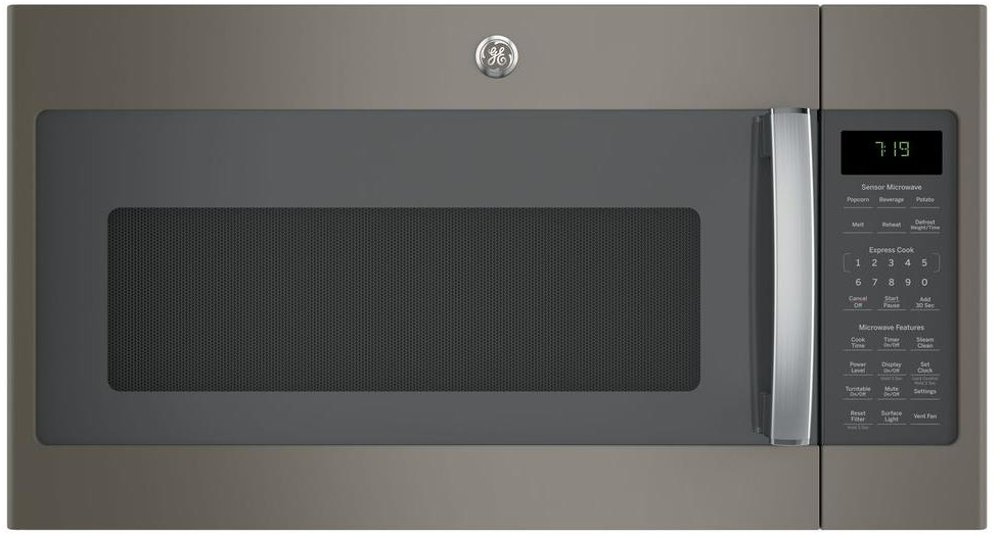
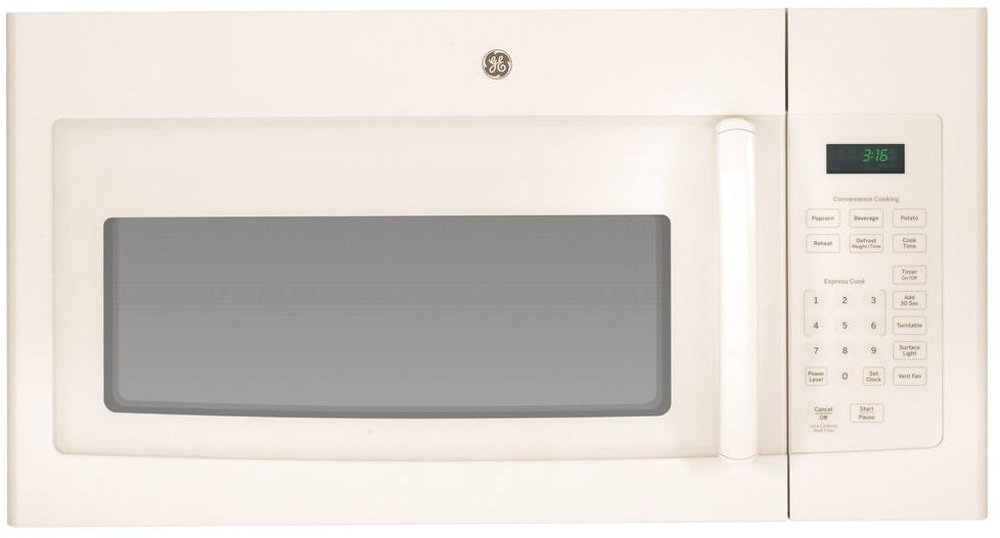
Over-the-range microwaves combine a microwave oven, cooktop lighting, and an integrated exhaust fan in one appliance mounted above a range or cooktop. That arrangement frees up counter space for chopping vegetables, setting out breakfast, or keeping everyday essentials within reach. It also gives the cooking area a coordinated look without adding a separate appliance to the countertop. For busy households, the appeal is practical: a bowl of oatmeal can heat while coffee brews, vegetables can steam alongside a skillet dinner, and leftovers can become lunch without another pan to wash. Many over-the-range microwaves offer approximately 1.5 to 2.0 cubic feet of interior capacity, though dimensions and usable space vary. Capacity tells only part of the story. The size of the turntable, the shape of the interior, and clearance around the door opening determine whether a favorite dinner plate or covered casserole dish fits comfortably. Cooking power matters, too, since higher wattage generally means faster heating, although results also depend on the food, portion size, and cooking settings. Sensor cooking, when included, uses feedback such as moisture released by food to adjust operation, making everyday reheating more convenient. Adjustable power levels help with gentler tasks such as softening butter or melting chocolate, while defrost settings make it easier to start dinner with ingredients from the freezer. Quick-start controls, an add-time button, and an easy-to-read display can matter just as much as a long menu of presets when several people share the kitchen. Some models also offer a turntable on/off option for certain larger dishes, subject to the manufacturer’s directions. For households that want additional cooking flexibility, convection over-the-range microwaves add a heating element and circulating air for baking and browning in approved cookware. Standard microwave cooking excels at quick heating, while convection capability can provide another way to prepare smaller batches without relying entirely on the main oven.
Fit and ventilation are central to how well an over-range microwave works in a kitchen. Many models are designed for a cabinet opening about 30 inches wide, but width alone doesn’t confirm compatibility. Overall height, depth, mounting requirements, and the required distance from the cooking surface all affect the installation. A deeper appliance may project beyond surrounding cabinets, and the door needs enough room to swing open without striking a neighboring wall or cabinet pull. Low-profile designs can offer a shorter exterior, but their interior dimensions and installation clearances still deserve close attention. Replacing an older microwave also doesn’t guarantee that its mounting bracket, bolt locations, or vent connection will work with a new appliance. Proper installation uses the mounting hardware and structural support specified for the replacement, along with an electrical connection that meets its requirements and local codes. The ventilation system needs to match the kitchen as well. Depending on the design, an over-the-range microwave may support outdoor exhaust through an upper or rear duct connection, or recirculation that filters air and returns it to the room. Outdoor venting carries cooking air outside; recirculating setups typically use grease filters and a charcoal filter to help reduce airborne grease and odors, but they don’t remove heat and moisture from the home the same way. Fan performance is commonly expressed in cubic feet per minute, or CFM, with many units rated around 300 to 400 CFM and others offering different capacities. That number isn’t the whole measure of performance: duct length, bends, filter condition, and coverage over the burners also influence capture. Because a microwave generally extends less deeply over the cooktop than a dedicated hood, smoke and steam from front burners can be harder to capture. Frequent high-heat searing or a high-output cooking appliance may call for a dedicated range hood rather than a microwave ventilation system. For everyday simmering, reheating, and stovetop meals, multiple fan speeds and useful task lighting add convenience. Compatibility with both the range manufacturer’s requirements and the microwave’s installation instructions helps establish whether the combination suits the space.
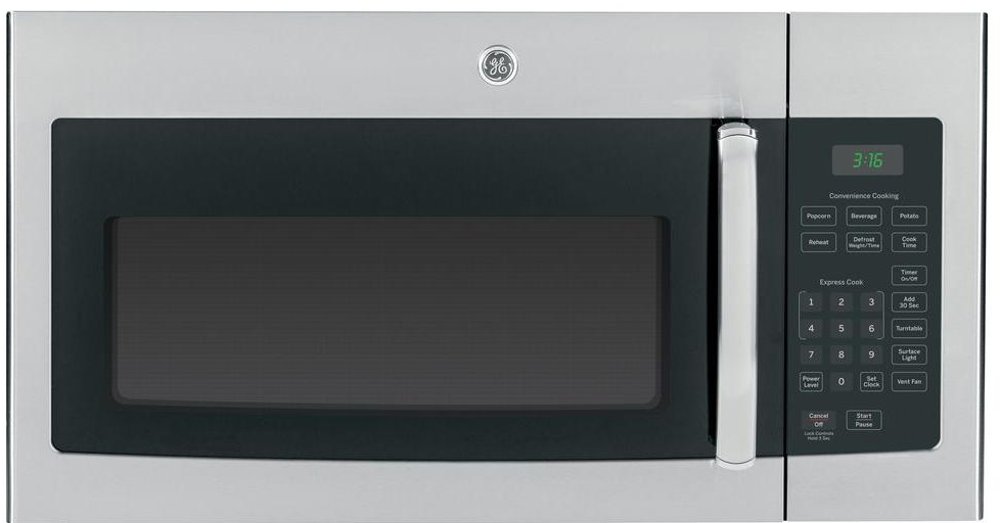
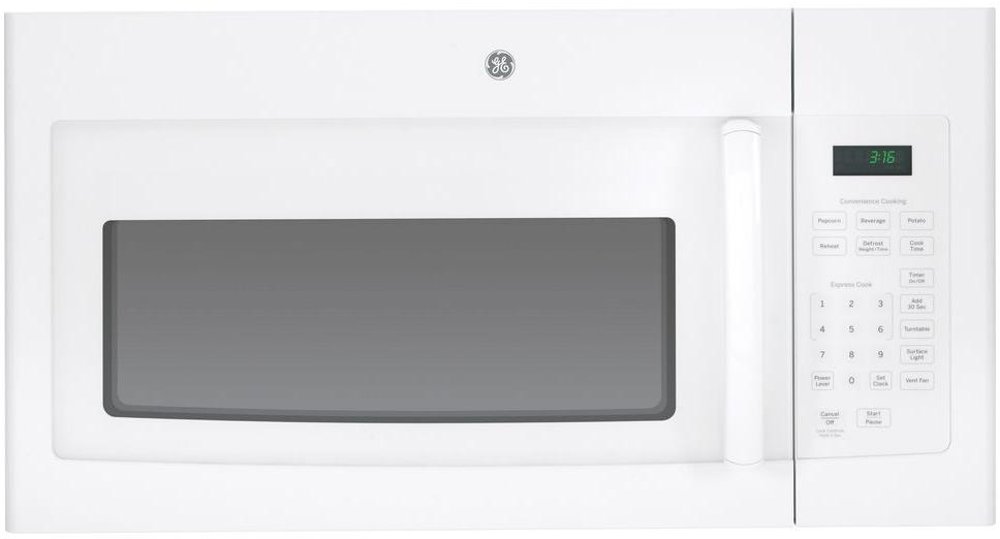
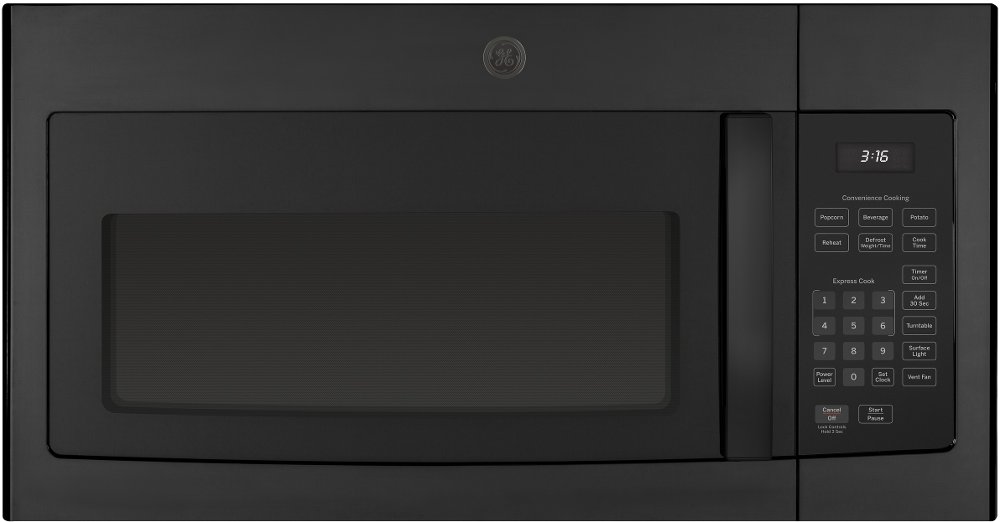
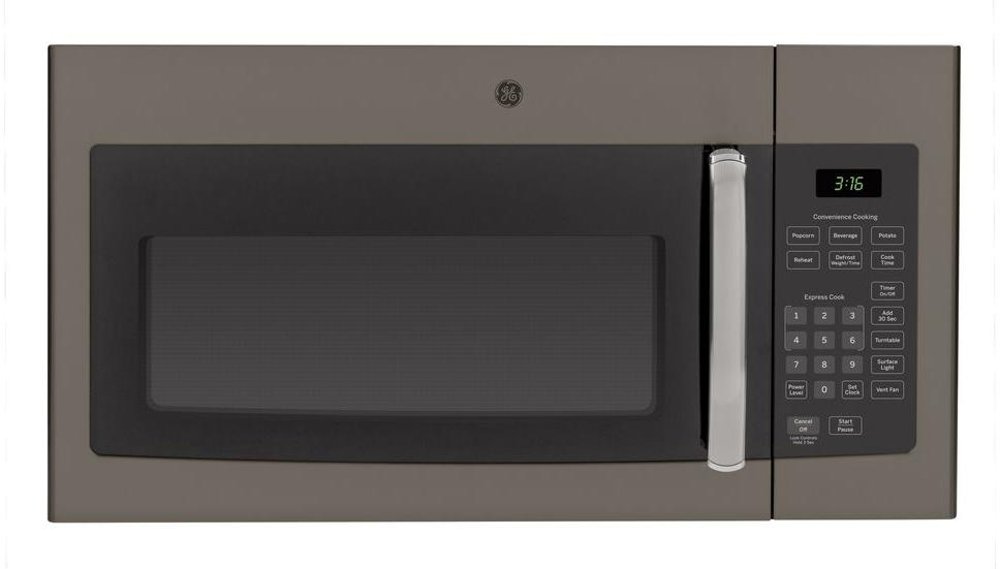
The best match also feels comfortable to use and manageable to maintain. Stainless steel is a familiar choice for a coordinated kitchen, while black, white, and other finishes can blend with surrounding appliances or cabinetry. Fingerprint-resistant finishes may reduce visible smudges around handles and controls, though they still need regular cleaning and can require particular care products. Exterior finishes are appearance and maintenance considerations rather than a complete measure of durability; sturdy installation, careful handling, and routine upkeep matter throughout the appliance’s life. Inside, cavity materials and coatings vary, with smooth surfaces making splatters easier to wipe away when cleaned according to the manufacturer’s instructions. A microwave-safe cover helps contain sauce splashes, and prompt cleanup keeps dried food from collecting around the turntable and interior seams. Removable glass trays and turntable supports simplify access to the cavity floor, but their cleaning instructions should determine whether they belong in a dishwasher. Abrasive pads and harsh cleaners can damage surfaces, so a soft cloth and an approved cleaner are generally a better starting point. Ventilation maintenance deserves the same attention: washable grease filters need regular cleaning as directed, and charcoal filters require replacement at the recommended intervals rather than washing. Clear filters support airflow and help the fan do its job. Beyond care, the placement should suit the people using the kitchen. An above-range location can be convenient for adults who can comfortably see inside and lift dishes out, but it may be difficult for shorter users, children, or anyone with limited reach or strength. A deep bowl of hot soup feels different from an empty plate, especially when it must be lifted down from above shoulder height. Reaching across active burners adds another concern, making a comfortable loading height and a clear path for hot dishes important parts of the decision. Bright interior lighting, readable controls, an easy-grip handle, and accessible filter locations make daily use more straightforward. With the right dimensions, cooking features, ventilation setup, and finish, an over-the-range microwave brings several everyday kitchen jobs together while leaving more counter space for preparing and serving meals.
Read More