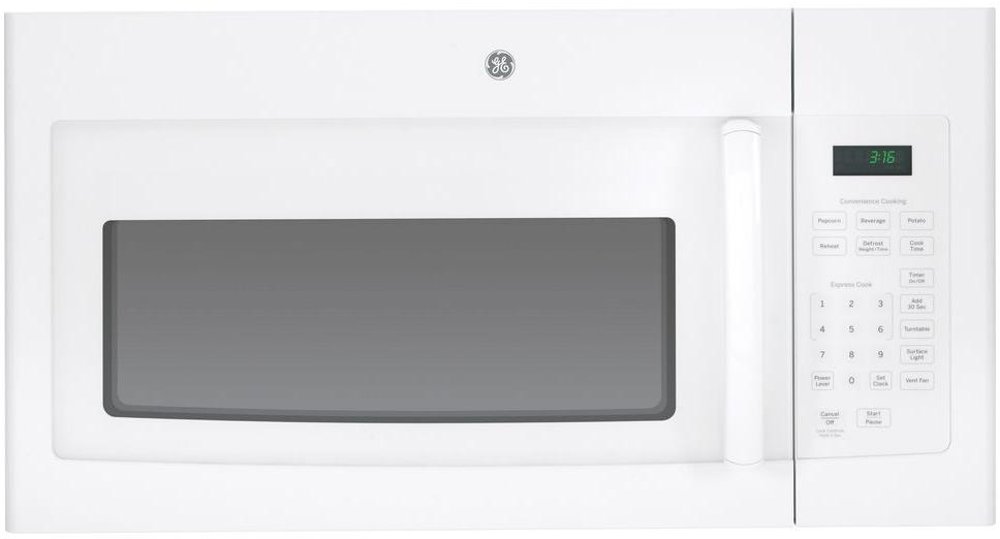
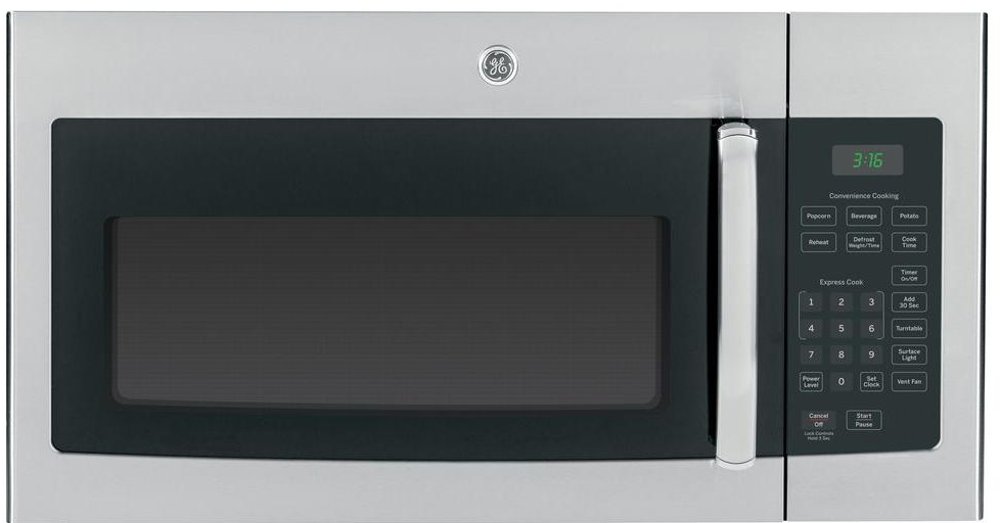
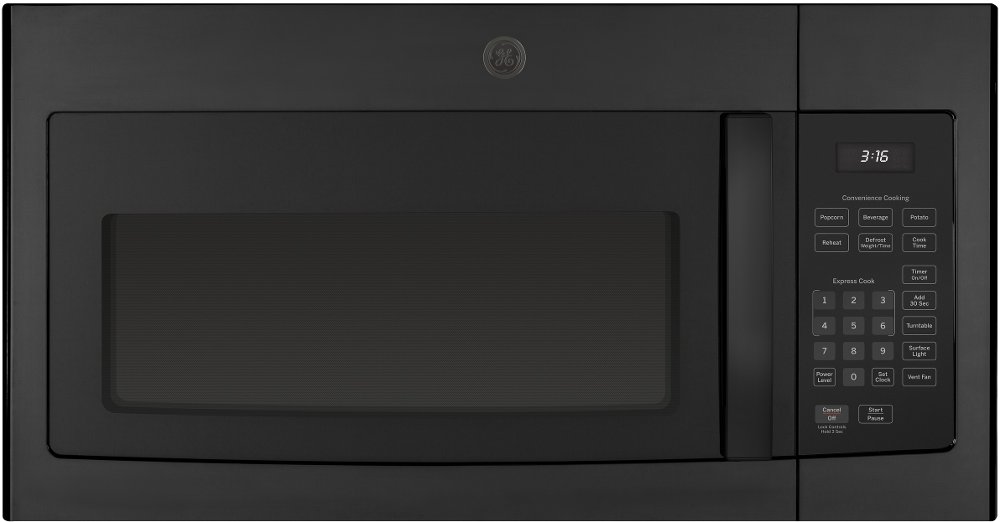
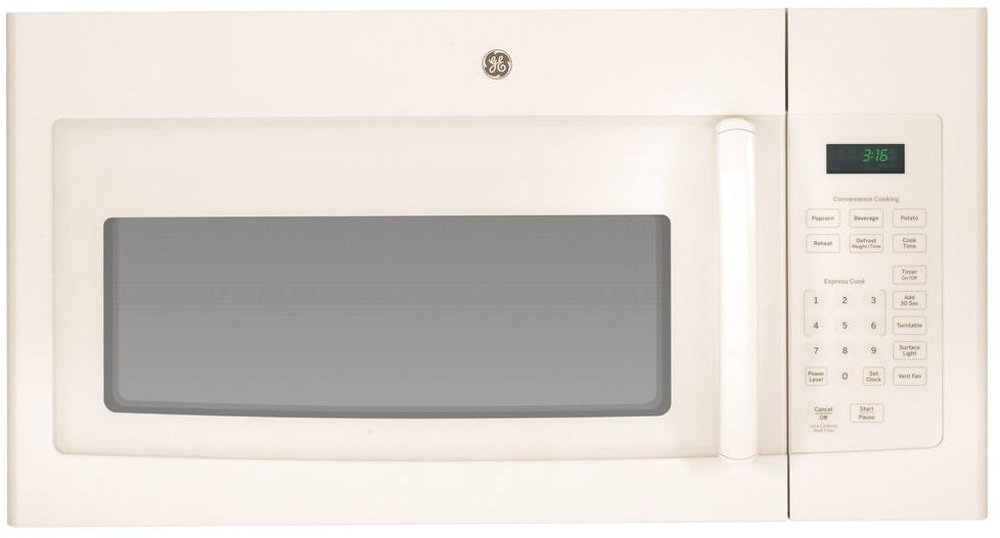
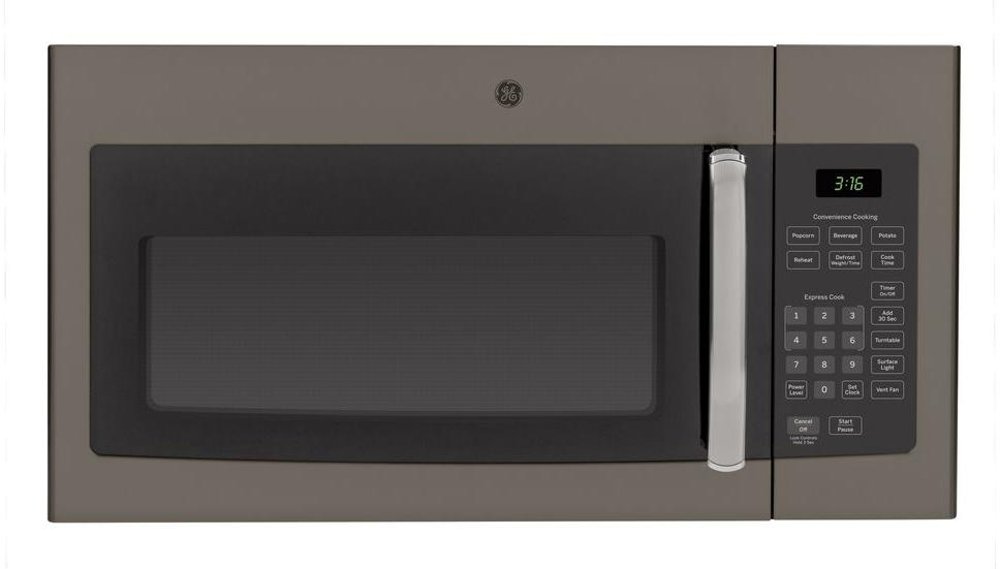
Venting microwaves combine everyday cooking and reheating with a built-in fan that helps manage the smoke, grease, and odors produced on the cooktop below. Often called microwave hood combinations, these over-the-range microwaves make practical use of the space above a range while keeping countertops open for chopping vegetables, setting out lunches, or plugging in a coffee maker. The main distinction is how they handle kitchen air. An externally vented microwave sends air outdoors through ductwork that exits through a wall or roof. When properly installed, outside venting is generally more effective at removing cooking smoke, odors, heat, and moisture than recirculation. A recirculating microwave, sometimes called a ductless or self-venting microwave, draws air through grease and odor filters, then returns it to the kitchen through an outlet grille. This arrangement can work where exterior ductwork isn’t practical, but it doesn’t carry heat, moisture, or combustion gases outside. In a typical recirculating system, a grease filter traps airborne grease, while a separate charcoal filter helps reduce odors. Charcoal filtration doesn’t make recirculation equivalent to outdoor exhaust, an important distinction for households that frequently sear meat, fry food, or cook on a gas range. Some venting microwaves support either configuration, although changing between them may require repositioning the blower and adding the appropriate filter or installation components. The installation manual identifies which arrangements the appliance supports. An existing vent opening above the range doesn’t, by itself, confirm that the ductwork and microwave are compatible. Also, the visible vent grille is only one part of the system: replacing a damaged cover won’t change a ductless setup into an externally vented one. Understanding these differences helps narrow the selection to appliances that suit the kitchen’s layout and the way the household cooks, rather than choosing solely by exterior appearance.
Fit deserves just as much attention as ventilation, especially when replacing an older microwave between existing cabinets. Many over-the-range installations use a roughly 30-inch-wide space, but appliance height, depth, mounting points, and required clearances can vary. Measure the opening and compare it with the manufacturer’s installation requirements, including the clearance above the cooking surface and any requirements specified for the range itself. A deeper microwave may project farther beyond the cabinet fronts, while a taller one can change the space available above pots and pans. Door swing matters, too: a nearby wall, tall cabinet, or projecting handle can keep the microwave door from opening comfortably. Replacement appliances don’t necessarily reuse the previous mounting bracket or cabinet holes, even when their overall dimensions look similar. Secure wall support, suitable upper-cabinet construction, and the required electrical connection are all part of a dependable installation. For outside venting, duct size, routing, bends, and the exterior termination affect how efficiently air moves. A qualified installer can evaluate an existing duct, confirm the correct blower orientation, and identify changes before the appliance goes into place. Airflow ratings, commonly expressed in cubic feet per minute, are useful comparisons, but the number alone doesn’t tell the whole story. Hood coverage, installation height, filter condition, and duct restrictions influence real-world performance. A microwave’s relatively shallow underside may capture steam from a rear burner more readily than smoke rising from a large pan on a front burner; frequent high-heat cooking may call for a dedicated range hood instead. For kitchens suited to a microwave hood combination, everyday details help make the final choice. Stainless steel and painted metal exteriors offer different looks and care requirements, while fingerprint-resistant finishes may reduce visible smudges without eliminating cleaning. Interior coatings vary, so compare their care instructions along with cooking capacity. Fan speeds, cooktop lighting, readable controls, and comfortable handle placement can make the appliance easier to use long after installation day.
The right venting microwave should feel useful during ordinary meals, not just look coordinated with the refrigerator and range. For a busy household, that might mean reheating a dinner plate while the cooktop fan draws in steam from a simmering saucepan. For someone cooking in a compact kitchen, moving the microwave above the range can leave enough counter space for rolling dough or packing lunch containers. Interior capacity matters, but usable space is more than a cubic-foot measurement. A favorite casserole dish needs room to fit through the opening and turn freely if the appliance uses a rotating tray. Microwave-safe cookware, covered dishes that allow steam to escape, and accessible controls help make daily cooking more comfortable. Sensor cooking and reheating settings, when included, can simplify familiar tasks, though portions, food type, and container choice still affect results. Consider who will reach the appliance: an above-range location may be less comfortable for shorter adults or anyone who has difficulty lifting a hot dish from shoulder height. Keeping the ventilation system clean also protects its usefulness. Grease filters collect residue from everyday cooking and need attention according to the manufacturer’s schedule. Some metal mesh filters can be washed, but cleaning methods and dishwasher suitability vary. Standard charcoal filters generally require replacement rather than washing, and the correct replacement depends on the appliance. Wiping splatters from the microwave interior before they harden makes routine care easier; a soft cloth and an approved cleaner help protect the cavity, door seals, and exterior finish. Avoid abrasive pads and spraying cleaner directly into controls or ventilation openings. For externally vented installations, an unobstructed outlet and a functioning exterior damper help support airflow. Durable performance depends on proper mounting, unobstructed ventilation, regular filter care, and following the appliance’s operating instructions. A well-matched venting microwave brings reheating, cooking, cooktop lighting, and ventilation together in one convenient location, with a setup that supports the kitchen’s everyday routines.
Read More