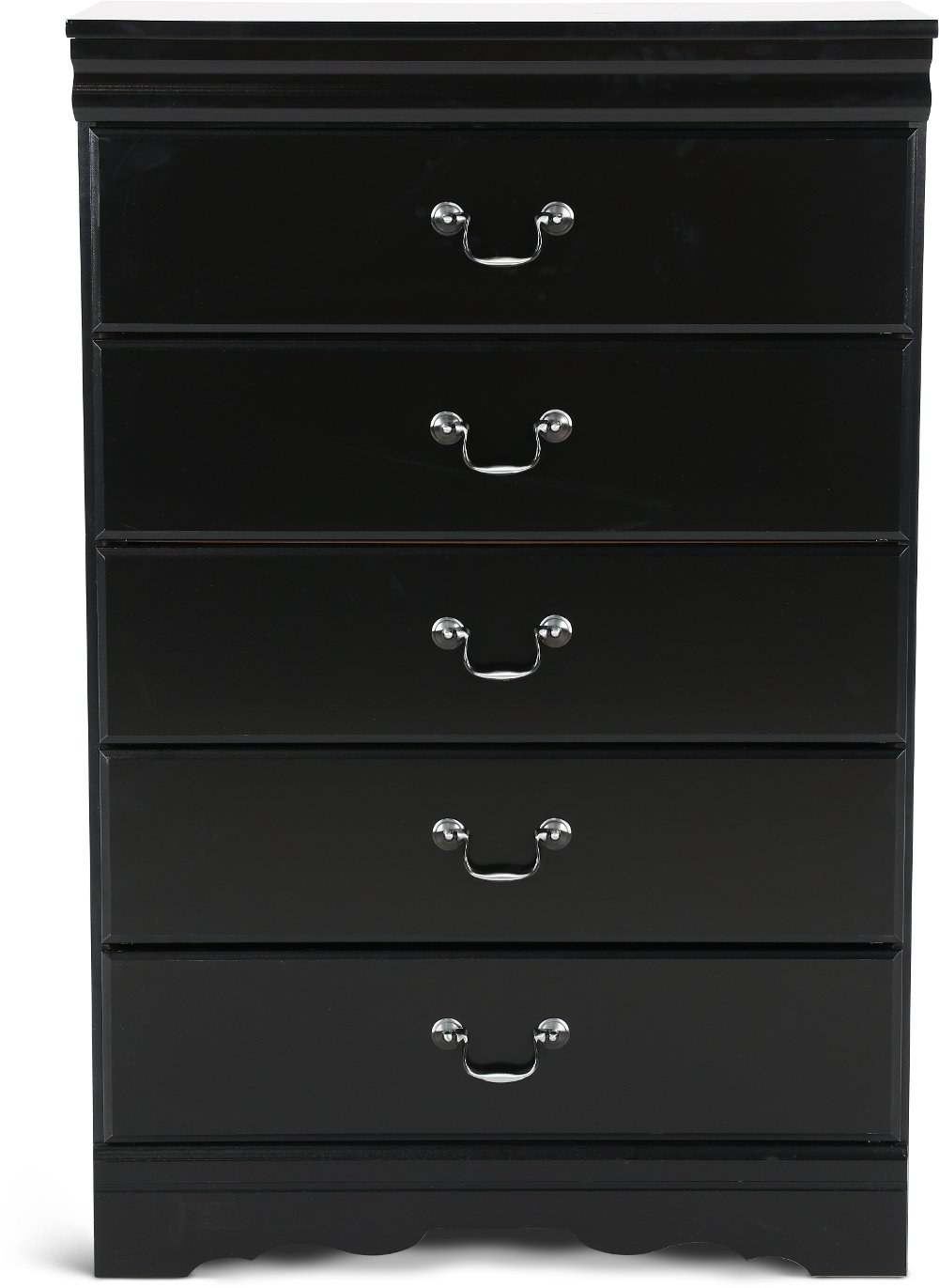
Pewter drawer pulls bring a soft silver-gray accent to furniture and cabinetry without the bright reflection of polished chrome. Their understated color can highlight the grain of a wood dresser, add definition to painted kitchen drawers, or give a bathroom vanity a more finished look. Depending on the finish, pewter can lean warm and smoky or cool and silvery, making it a flexible choice for spaces with layered colors and materials. An antiqued surface often has darker detailing in recessed areas, which brings out the shape of a curved handle or decorative backplate. A brushed finish has a quieter texture that suits simple drawer fronts and clean-lined furniture. The word “pewter” can describe either the metal itself or the appearance of the finish, and that distinction matters when comparing drawer hardware. Solid pewter is a tin-based alloy, while pewter-finished pulls may use zinc, brass, steel, or another base material beneath their surface treatment. The base metal, construction, and protective finish all influence how a pull feels and holds up with regular use. Solid pewter is relatively soft and may develop small marks that contribute to its character; a coated metal pull will wear according to its particular finish and construction. Shape makes just as much difference as color. Rounded handles feel at home on traditional dressers, cup pulls bring a familiar furniture-inspired detail to kitchen drawers, and straight bars create a more streamlined appearance. Drop pulls add movement and decorative character, while gently bowed handles offer a softer alternative to angular forms. These differences let pewter hardware support a room’s style rather than compete with it. Against honey-colored oak, the gray tones provide a subtle counterpoint to the wood’s warmth. On white painted cabinetry, they create definition without the sharper contrast of black hardware. On richly stained furniture, a pewter finish can make the drawer fronts easier to distinguish while keeping the overall look relaxed and cohesive.
The best-fitting pewter drawer pulls feel comfortable in the hand and suit the dimensions of the furniture they serve. For replacements, the distance between the existing screw holes is especially important. This center-to-center measurement is different from the pull’s overall length: two handles can look similar in size yet require different mounting holes. Matching that spacing helps preserve a drawer front that already has drilled holes, while the shape and footprint of the replacement determine whether old impressions or exposed finish differences remain visible. Projection matters, too. A handle needs enough room behind it for fingers to wrap comfortably, particularly on a frequently used kitchen drawer or a dresser opened several times a day. Wider openings and smooth edges may feel easier to grasp for someone with stiff hands, although comfort depends on the individual and the specific design. A slim pull that looks attractive on a shallow bedside drawer may feel undersized on a broad drawer filled with cookware or folded blankets. Longer pulls can provide a more balanced appearance on wide fronts, but they still need secure mounting and a drawer mechanism suited to the contents. Hardware should never substitute for a properly working slide or a repaired drawer box. In compact rooms, clearance deserves attention beyond the drawer itself. A projecting handle can catch clothing along a narrow walkway, and a pull near a corner may meet an adjacent cabinet or appliance when the drawer opens. Drop handles need space to move without repeatedly striking nearby details. Mounting screws must also suit the drawer-front thickness and the pull’s threads; screws that are too short may not engage securely, while overly long screws may prevent a snug fit. These practical details matter whether the project involves refreshing a family dresser, finishing built-in storage, or coordinating cabinetry throughout a home. Comfortable hardware makes everyday routines feel simpler, from reaching for utensils during dinner preparation to opening a bedside drawer without fumbling for a grip.
Coordinating pewter drawer pulls with the surrounding furniture is less about matching every metal perfectly and more about repeating a few thoughtful details. A muted gray finish can sit comfortably alongside stainless steel, darker iron accents, or brushed nickel, though undertones and sheen will affect how closely they relate. Nearby samples are useful because a warm pewter finish may look noticeably different beside a cool, highly reflective metal. For a layered gray palette, dark gray drawers can pair with pewter hardware in a way that emphasizes texture and shape rather than strong color contrast. A lighter pull stands out against charcoal, while a darker antiqued finish creates a quieter, more blended effect. Repeating a curved silhouette or a similar surface texture can connect pieces even when their finishes aren’t identical. This flexibility is helpful in bedrooms with collected furniture, kitchens that mix painted and wood cabinetry, and living spaces where storage needs to blend with seating and accent pieces. Long-term satisfaction also depends on choosing a surface that suits the way the room gets used. Frequently touched pulls encounter skin oils, lotion, food residue, and cleaning products, so the manufacturer’s care directions should guide routine maintenance. A soft cloth removes everyday dust, and a lightly dampened cloth followed by drying is often appropriate when the finish permits it. Mild soap may be suitable for some surfaces, but abrasive pads, strong cleaners, and metal polish can scratch or alter protective coatings. Solid pewter and pewter-finished hardware may require different treatment, so care intended for one shouldn’t automatically carry over to the other. In kitchens and bathrooms, wiping away splashes helps limit residue and prolonged moisture exposure. Occasional attention to loose mounting hardware can also keep handles feeling secure without overtightening against the drawer front. With a comfortable shape, suitable construction, and a finish that works with the surrounding materials, pewter drawer pulls become a useful finishing detail—easy to appreciate when a drawer opens smoothly and just as appealing when everything is tucked away.
Read More