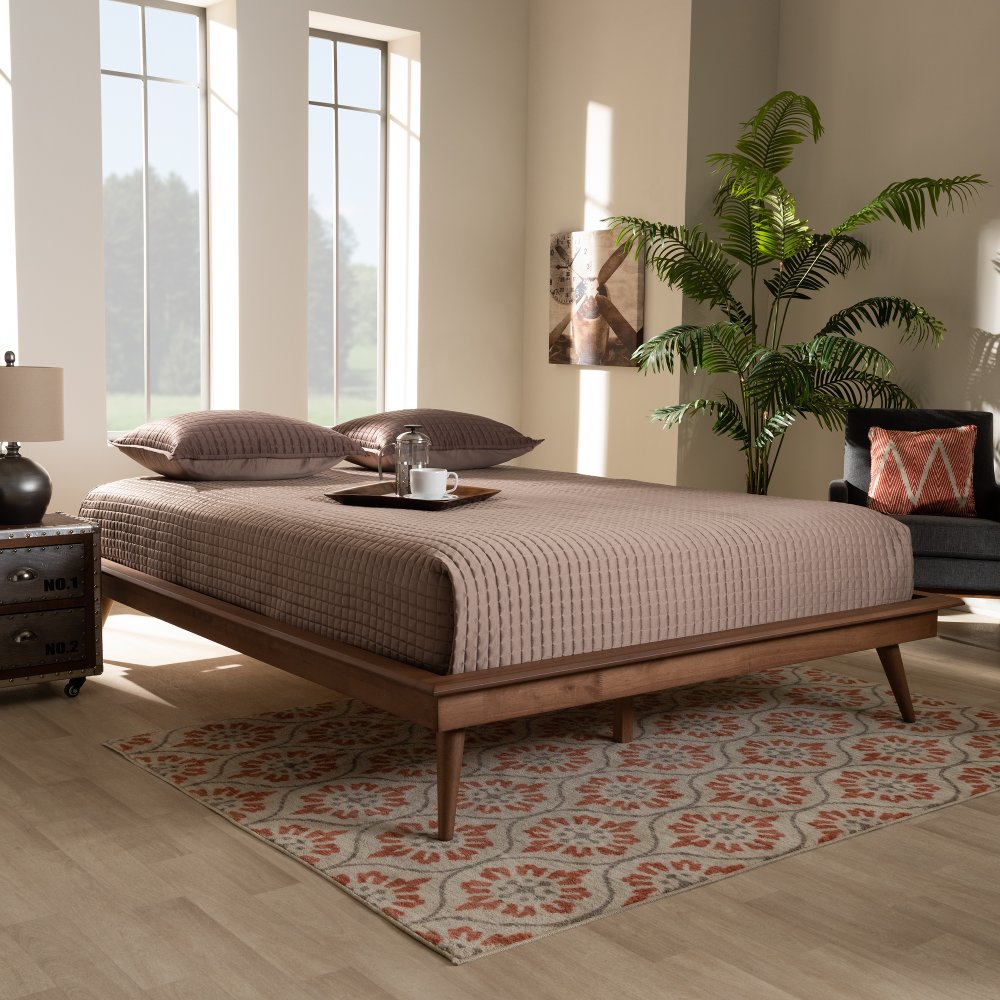
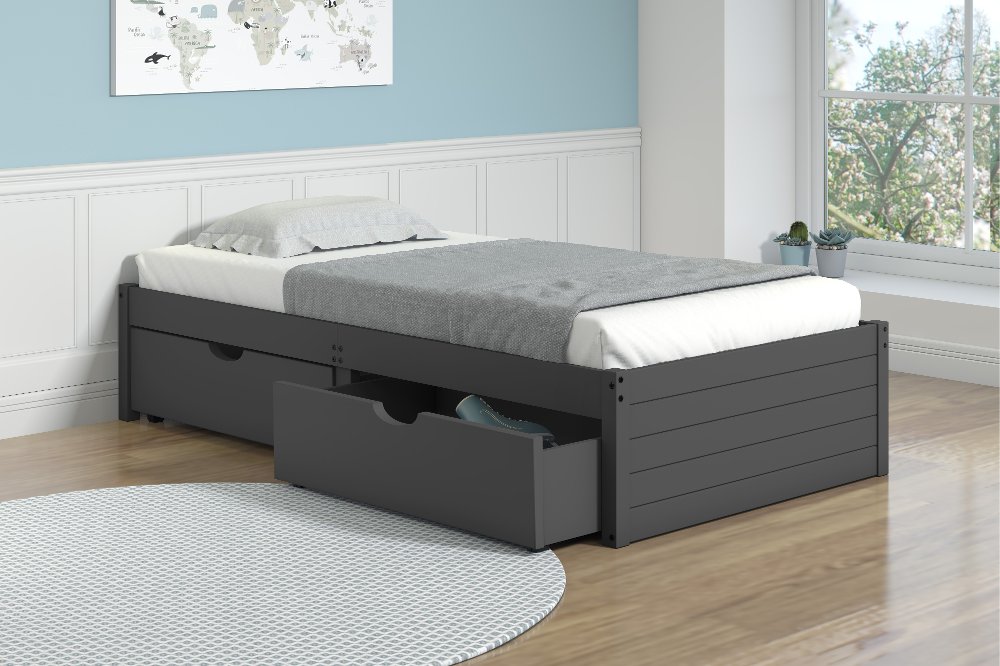
Platform bed boards are thin mattress foundations that create a supportive surface between a mattress and its bed frame. Often called bunkie boards or mattress support boards, they provide a low-profile alternative to a taller foundation when the mattress and frame are designed for that setup. Their main purpose is to help distribute weight across the bed and keep the mattress from dipping into unsupported spaces. That can be especially useful when a frame has widely spaced slats, although the board itself still needs adequate support underneath. Unlike a traditional box spring, a platform bed board generally adds little height, helping preserve the clean lines of a platform bed and making it easier to maintain a comfortable sitting height at the edge. A lower setup can also keep more of a headboard visible instead of hiding it behind a thick mattress and foundation. These boards serve a practical role in primary bedrooms, guest rooms, and smaller spaces where a simple bed profile feels right. Depending on their construction and approved uses, they may also support mattresses on daybeds or bunk beds. On a bunk bed, the combined height of the board and mattress must stay within the bed manufacturer’s limits so the guardrails retain their intended protective height. Memory foam, latex, hybrid, and some innerspring mattresses can work with platform-style support, but each mattress has its own foundation requirements. A board can improve an inadequate support surface; it can’t restore worn-out mattress materials or repair a damaged frame. If a mattress has developed a permanent hollow, adding a board underneath won’t necessarily make the sleeping surface level again. The best match starts with the mattress instructions, the frame’s structure, and the height that makes getting into and out of bed feel natural. With those details aligned, a mattress support board can be an unobtrusive part of a comfortable, well-supported bed.
Construction makes a meaningful difference in how platform bed boards perform and how easy they are to handle. Common designs include plywood or engineered wood panels, fabric-covered wooden frameworks, and split sections that sit side by side within a frame. Some mattress support systems use connected wooden slats rather than a continuous panel. These serve a similar purpose, but they aren’t interchangeable with solid boards in every application. A fabric-covered surface can help protect the underside of a mattress from direct contact with rough wood, while neatly finished edges make handling easier. The covering doesn’t replace structural strength, so look beyond the upholstery to the board’s internal construction, thickness, and stated capacity. A thinner profile isn’t automatically less durable, and a thicker panel isn’t automatically suitable for a wider unsupported span. Durability depends on the materials, reinforcement, load limits, and support provided by the bed frame. Split boards can be easier to carry around a tight stairwell or through a narrow apartment hallway, particularly when a full-width panel would be awkward to maneuver. Their seams still need to rest where the design intends; a convenient two-piece construction doesn’t eliminate the need for center support. Fit deserves the same attention as materials. Twin, full, queen, and king labels are useful starting points, but measure the frame’s interior opening and compare it with the board’s actual dimensions. A board should sit securely on the intended ledges, rails, or slats without being forced into place or leaving unintended gaps. For a smaller bedroom, pairing a compatible support board with Full Platform Beds can help maintain a streamlined setup while giving a full-size mattress the foundation it requires. Check the clearance inside recessed side rails as well: adding a board may lift the mattress enough to change how much of it sits within the frame. Larger beds often require center rails and support legs, which must remain properly installed even when a board covers the slats.
Everyday performance comes down to compatibility, installation, and a little routine care. Before placing a platform bed board, check that the frame is square, the fasteners are secure, and the existing slats and support legs are intact. Covering a cracked slat with a board isn’t a dependable repair; damaged structural parts need attention first. Follow the board and bed manufacturers’ placement instructions, including any requirements for fastening or securing the support. A properly fitted board may reduce movement associated with an uneven foundation, but it isn’t a guaranteed solution for squeaks. Loose hardware, rubbing joints, or a center leg that doesn’t reach the floor can continue to make noise beneath it. Mattress requirements matter just as much. Some foam and hybrid mattresses specify maximum slat spacing, while others require particular foundation designs to maintain warranty coverage. A continuous board can bridge spaces only when its construction is rated for that use. Ventilation also deserves consideration because a solid panel allows less airflow beneath a mattress than an open slat system. Follow the mattress manufacturer’s guidance rather than assuming every flat surface is appropriate, and keep the foundation dry. For routine cleaning, vacuum a fabric covering gently with an upholstery attachment and follow the care instructions for any spots. Avoid soaking wood or fabric, and let any cleaned area dry completely before replacing the mattress. When rotating the mattress as directed, take a moment to check for bowing, cracks, loose fabric, or sections that have shifted. Those quick inspections are especially helpful after a move or after taking the bed apart to rearrange a room. For someone furnishing a first apartment, refreshing a guest bed, or adapting an existing frame to a compatible mattress, a support board can solve a specific foundation need without adding unnecessary bulk. It’s a functional choice rather than a decorative finishing touch, but its fit affects the whole setup. Matching the board to the bed and mattress helps keep the foundation secure, the profile intentional, and daily care straightforward.
Read More