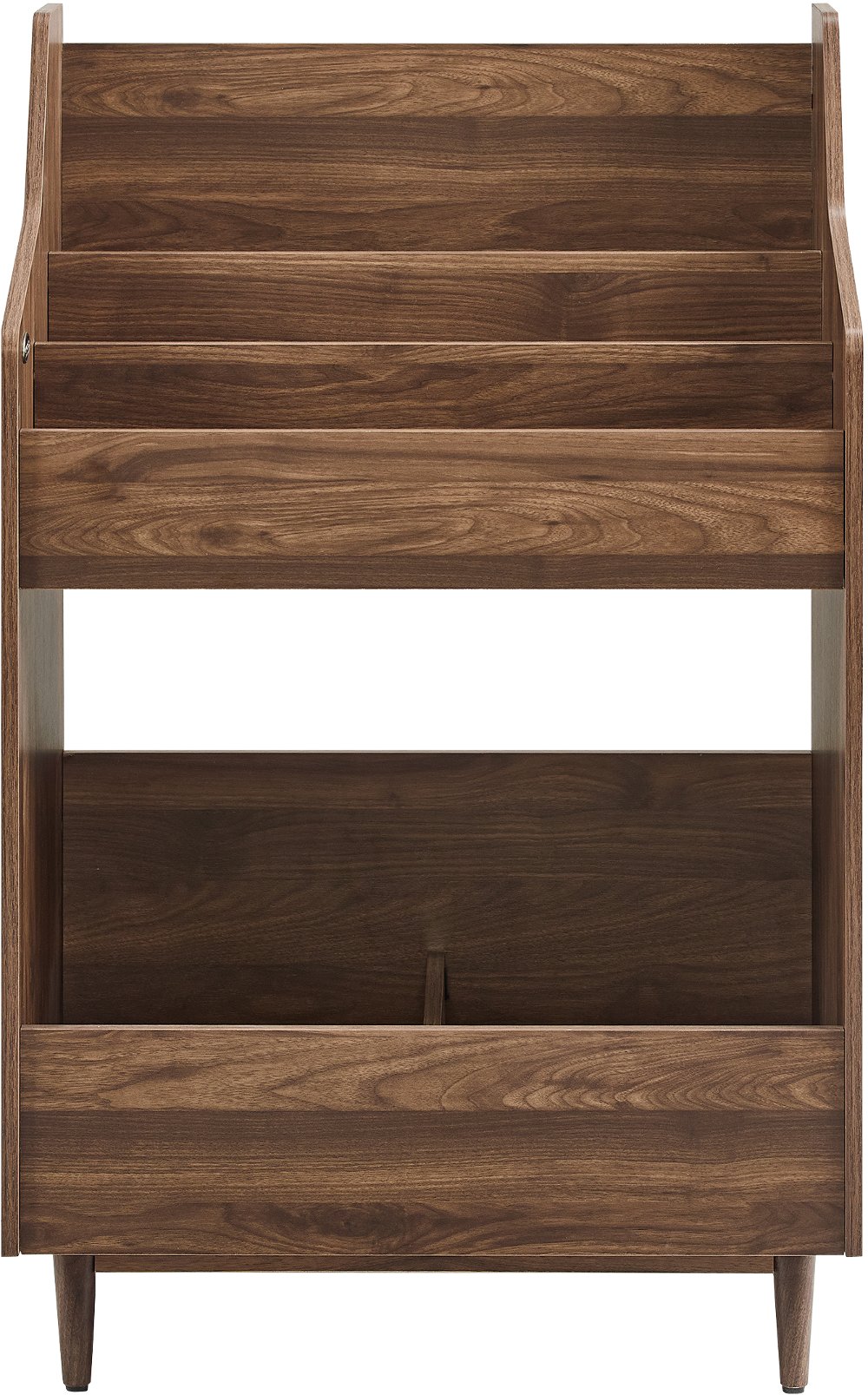
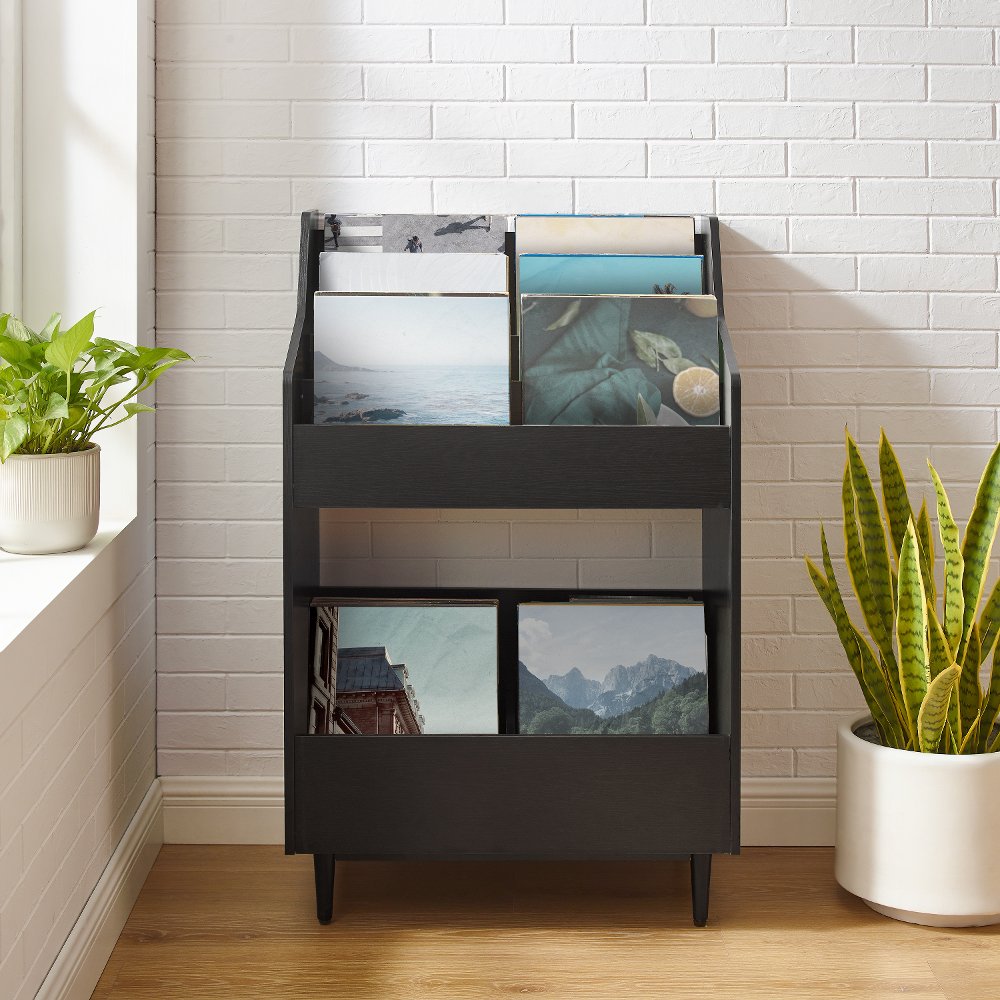
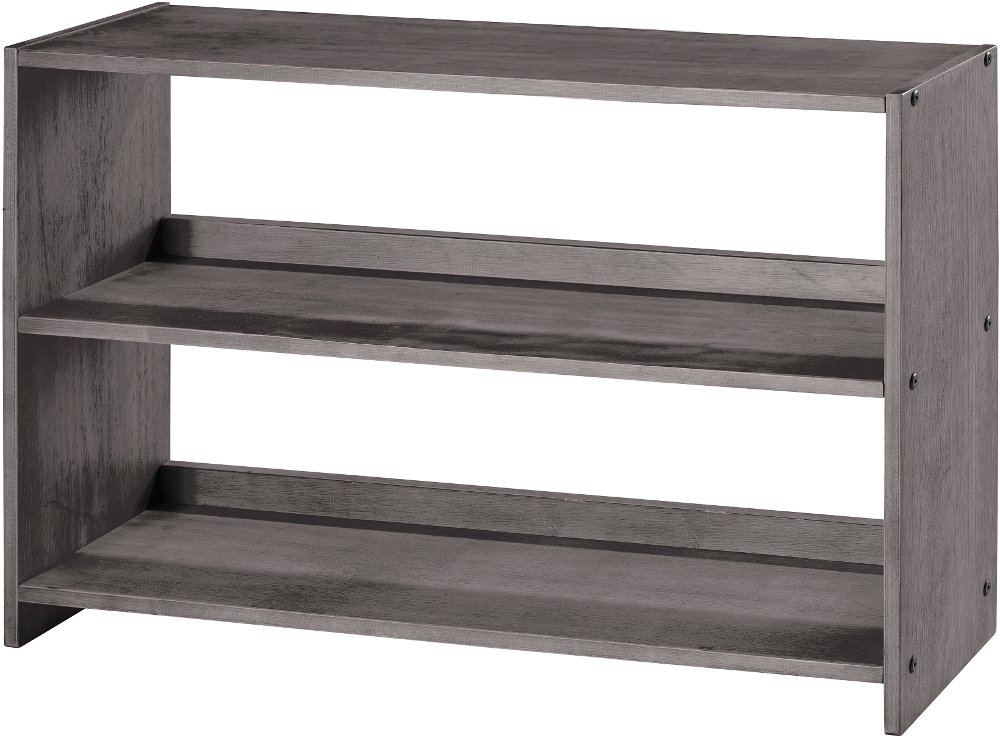
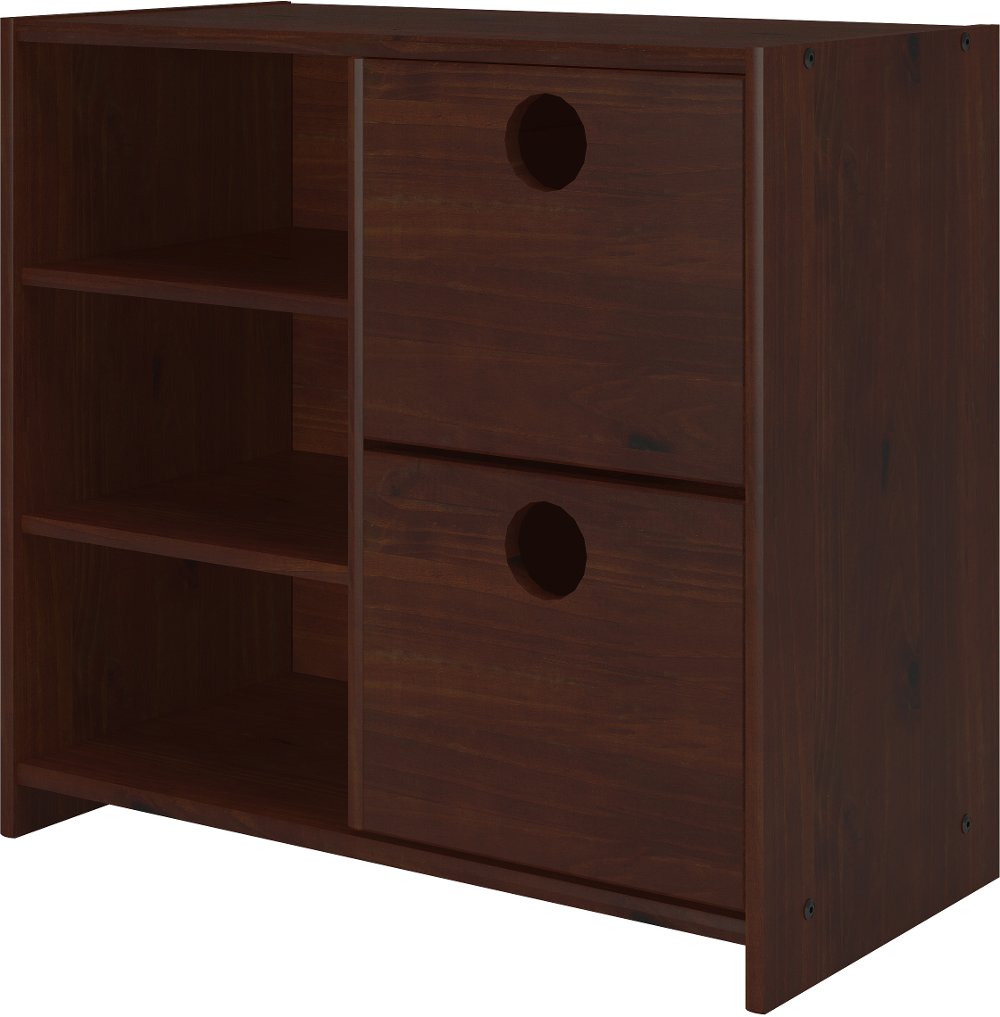
A well-organized playroom gives children more room to imagine and gives grown-ups a little more breathing space at the end of the day. Playroom storage helps create a home for building pieces, books, craft supplies, stuffed animals, games, dress-up accessories, and all the small treasures that seem to multiply during childhood. The right pieces can turn a crowded corner into a space that feels welcoming, useful, and easy to enjoy. Look for storage that fits the room’s available wall space, floor area, and overall layout, while leaving plenty of room for movement and play. Low, open compartments make it easier for young children to see and reach their favorite things, while lidded compartments or drawers can help keep smaller items together and make cleanup feel less overwhelming. Shelving can display favorite books or special collections, and baskets or bins can gather loose pieces quickly when the floor needs to be cleared for family time, guests, or a quiet evening at home. Storage furniture with a versatile design can grow with your child, shifting from a place for blocks and picture books to a practical home for school supplies, hobbies, and keepsakes. When you’re comparing options, consider sturdy construction, smooth edges, easy-to-clean surfaces, and finishes that coordinate naturally with the rest of your home. A playroom doesn’t have to look perfectly styled to work well; it simply needs storage that supports the way your family actually plays, creates, and lives.
Playroom storage can be especially helpful in homes where one room serves several purposes. A family room might become a fort-building headquarters in the afternoon, a homework spot after school, and a movie-watching area once the house settles down. In a shared bedroom, apartment, or smaller home, thoughtfully chosen storage can make it easier to separate play areas from sleeping or relaxing spaces without making the room feel crowded. Measure before you shop, including the height of nearby furniture, the width of walkways, and the clearance needed for doors, drawers, and bins. Think about what your child uses most often and place those items within easy reach; less frequently used crafts, seasonal decorations, or keepsakes can go higher or farther back. Open storage encourages children to put items away when every category has a visible place, while closed storage creates a calmer look when you want to tuck away the day’s activity. A sturdy bookcase beside a soft reading spot can make story time feel special, while compact bins near a play table can keep crayons, puzzles, and creative projects close at hand. During warmer weather, play may move between the backyard and the house, making a dependable place for outdoor toys, art materials, and indoor favorites even more valuable. During cooler months, when children spend more time inside, flexible storage helps the playroom handle everything from rainy-day crafts to elaborate indoor adventures. Families welcoming a new baby, setting up a first play space, or refreshing a room for growing children may also find these pieces to be thoughtful gifts for birthdays, baby showers, housewarmings, or the start of a new chapter at home. For more ways to keep favorite playthings together, explore Toy Storage.
The most useful playroom storage feels natural to use, even on busy days when nobody has time for a detailed cleanup. Imagine the final few minutes before dinner: a child drops building pieces into one container, slides a puzzle back onto a shelf, and places a favorite stuffed animal in its familiar spot. That simple rhythm can make tidying feel manageable instead of becoming a daily standoff. Choose a mix of storage styles based on the items your household owns rather than trying to make every piece match. Tall storage can make good use of vertical space, but lower options may be better for younger children who are learning to organize independently. If siblings share the room, separate sections or clearly defined containers can help each child keep track of personal belongings. Neutral colors and timeless silhouettes can blend with existing furniture, while cheerful accents can add energy to a creative space without taking over the room. Safety matters, too: place heavier items low, follow the manufacturer’s instructions, and secure applicable furniture according to the included guidance. Leave enough open floor space for children to build, move, and play comfortably. The goal isn’t to hide every sign of childhood; it’s to make room for the joyful evidence of it while giving each item a dependable place to return. With practical playroom storage, a busy room can support imaginative afternoons, quick cleanups, quiet reading, and everyday family routines from late summer through the cooler months and beyond.
Read More