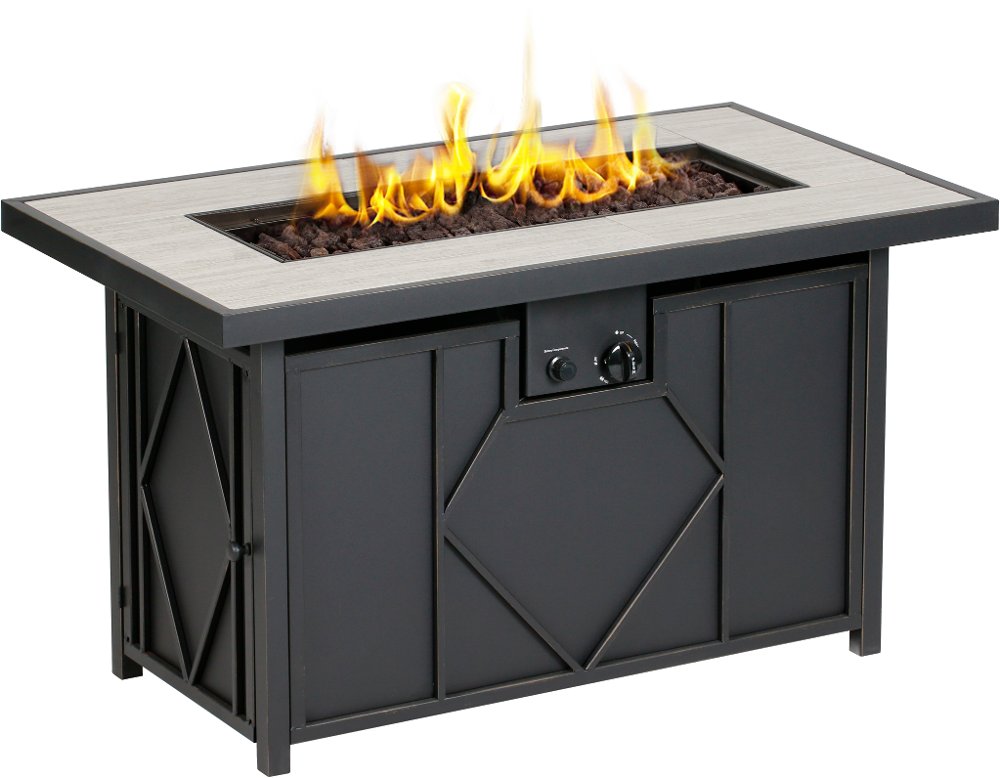
Portable fire pits bring the glow and gathering space of an outdoor fire to a design that’s easier to move, pack, and store. Unlike a built-in fire feature, a portable model can travel between approved outdoor settings, from a backyard seating area to a developed campsite. Most fall into two main categories: wood-burning fire pits and propane fire pits. Wood-burning designs offer the familiar crackle, shifting flames, and scent of a campfire, making them a natural fit for people who enjoy tending a fire as part of the experience. They need an appropriate supply of dry firewood, time for the fire to burn down, and a safe way to dispose of cooled ashes. Some compact designs burn pellets or other specified fuels instead, so the manufacturer’s fuel requirements matter. Propane models use a gas burner connected to a compatible fuel cylinder and typically offer adjustable flames without the ash cleanup of a wood fire. That makes them appealing for campers who prefer a straightforward setup or hosts who want to spend more time talking and less time tending logs. The cylinder and connection equipment still need space in the overall packing plan, even when the fire pit itself is small. Smokeless portable fire pits are generally wood-burning designs that use carefully directed airflow, often through double-wall construction, to support more complete combustion and reduce visible smoke. “Smokeless” doesn’t mean smoke-free: lighting the fire, adding fuel, and burning damp wood can still produce smoke. For any fuel type, a portable fire pit is an outdoor-only appliance, not a heater for a tent, garage, camper, or enclosed porch. Its appeal is simple: a defined place to pull up a chair, share a conversation, and enjoy a flame without committing to a permanent installation. Whether the setting is home or a permitted campsite, the best match depends on how the fire pit will be carried, fueled, used, and put away.
Portability involves more than the weight listed for the fire pit alone. A compact bowl with sturdy handles may be easy to carry from storage to a patio, while a folding or nesting design can make better use of limited vehicle space. Packed dimensions, removable legs, carrying bags, and the shape of the fire chamber all affect how comfortably a portable outdoor fire pit fits alongside folding chairs, camping gear, or luggage. A model that’s manageable for a short walk from the driveway may feel very different on a longer walk to a campsite. Fuel, accessories, and a propane cylinder add to that load. Materials influence both handling and long-term durability. Stainless steel offers corrosion resistance and a clean look, though repeated heating can create gold, blue, or darker discoloration on the surface. That change alone doesn’t necessarily indicate damage. Coated steel can provide a durable body, but its protective finish needs care because scratches and exposed metal can become starting points for rust. Cast iron holds heat well and has a substantial feel, although its weight can make it better suited to occasional relocation than frequent carrying. Construction deserves as much attention as material: secure legs, stable joints, comfortable carrying points, and a firmly supported fire bowl make a difference with repeated setup and storage. Size also shapes the experience. A smaller fire chamber limits the amount and length of wood it can accept, while a broader opening takes up more space and may call for more fuel. For a seating area, the footprint includes more than the bowl itself; chairs, foot traffic, fuel connections, and required clearances all need room. Portable doesn’t mean a fire pit can safely sit on any surface, and raised legs don’t guarantee protection from scorching underneath. Manufacturer-approved placement on a stable, noncombustible surface is essential. If the fire feature will mostly stay in one dedicated gathering spot, traditional fire pits offer another direction to consider alongside designs made for easier transport.
The details that matter most often become clear during everyday use. For a couple traveling with a small vehicle, a nesting body and a bag that contains soot may be more useful than a large fire chamber. For someone entertaining in the backyard, a steady base and accessible flame control may take priority. Campers who enjoy preparing food over a fire should look specifically for a model approved for cooking, along with compatible grates or cookware supports; a decorative fire pit isn’t automatically a grill. Spark screens can help contain larger embers on compatible wood-burning models, but they don’t eliminate sparks or replace required clearances and supervision. Local rules remain important wherever the fire pit travels. Campsite policies, municipal ordinances, land-management restrictions, and property rules can limit both fuel types and fire-pit use. A propane fire pit may be permitted where wood fires aren’t, but neither propane fuel nor a raised fire bowl guarantees an exemption from a burn ban. Care is equally practical. After a wood fire is fully extinguished and the unit has cooled, ash removal helps keep debris from holding moisture against the metal. Ashes can conceal hot embers long after the flames disappear, so disposal requires a suitable metal container and compliance with local guidance. Propane models need attention to the burner, hose, regulator, and connections according to the manufacturer’s instructions. Before packing any portable fire pit, every component should be completely cool; a carrying bag protects against dirt and handling marks, not residual heat. Clean, dry storage helps preserve metal surfaces, finishes, and moving parts, and a cover should only go on a cooled unit. These considerations also make portable fire pits thoughtful gifts for people who regularly camp or enjoy outdoor entertaining, provided their space and local rules support safe use. The right choice fits the recipient’s routine, storage space, and comfort with the fuel source, making it easier to enjoy gathering around a fire.
Read More