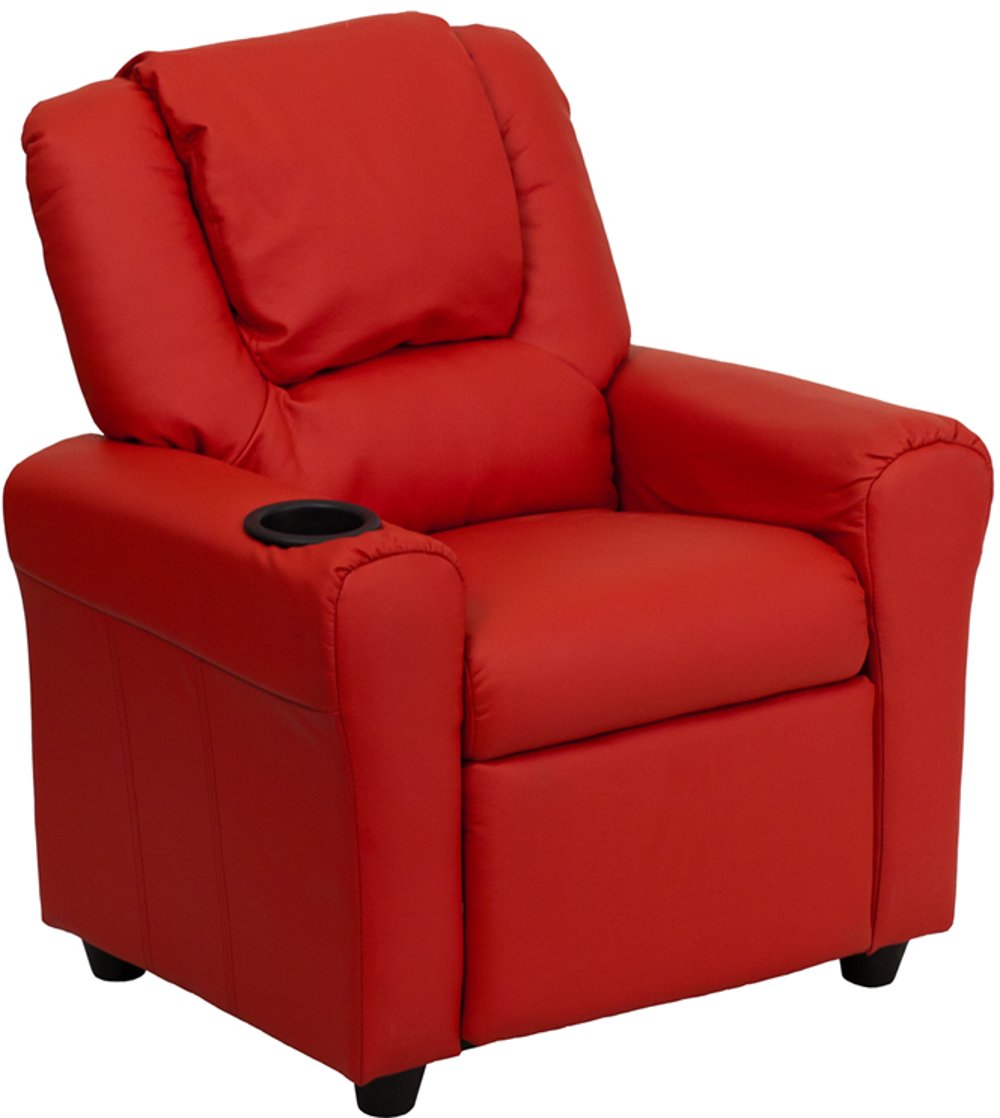
Adjustable recliners are chairs with movable backrests and footrests that let you change your sitting position for reading, watching television, or stretching out at the end of a busy day. The category includes manual recliners, power recliners, and reclining lift chairs, but those terms don’t mean exactly the same thing. A manual recliner typically uses a lever, handle, or push-back motion to release the reclining mechanism. A power recliner uses an electric motor and buttons or a handheld control to adjust the chair’s position. A lift recliner adds a powered lifting motion that tilts the seat forward to help the seated person move toward a standing position; not every adjustable recliner includes this feature. The most useful choice depends on how you like to relax and how easily you can operate the controls. A manual design can work well beside a reading lamp where there’s no convenient outlet, while power reclining chairs make it easier to fine-tune your position without pushing against the backrest or manually closing the footrest. Depending on the mechanism, the back and footrest may move together or adjust independently. Separate controls can be helpful when you want your legs supported while keeping your upper body more upright for conversation. Adjustable headrests and lumbar sections offer additional ways to tailor the fit, although these features vary by design. Someone who watches movies may appreciate head support that keeps the screen comfortably in view, while a reader may prefer supportive arms and a more upright back angle. Rocking and swivel mechanisms add other kinds of movement, so it helps to distinguish those functions from reclining itself. For an older adult or someone with limited mobility, accessible controls and a suitable lift function may matter more than extra features. A recliner can support everyday comfort, but it isn’t a medical treatment, and anyone choosing one for recovery or a health-related positioning need should follow their clinician’s recommendations.
A comfortable fit starts with the person sitting in the chair, not just the amount of cushioning. With the recliner upright, your feet should rest comfortably on the floor, your back should meet the backrest, and the seat edge shouldn’t press into the backs of your knees. A seat that’s too deep can leave a shorter person sliding forward for foot contact, while a shallow seat may feel undersized for someone with longer legs. Seat height, width, arm height, and back height all shape how supported you feel. Plush cushions create a softer first impression, but firmer cushioning may feel steadier when sitting down or getting up. If you can try a recliner in person, spend time in both its upright and reclined positions, and operate the footrest rather than judging comfort from a quick sit. Check whether the headrest supports your head naturally and whether you can reach the controls without twisting. The stated weight capacity is another important specification, especially for a chair that several household members will use. Fit also extends to the room. Measure the chair’s width, its fully reclined length, and the clearance required behind it, then allow room for walking paths and nearby furniture. A footrest needs space to open without bumping a coffee table, and a reclining back shouldn’t catch on curtains or brush a wall. Wall-hugger mechanisms can reduce the space needed behind the chair, but they still require the manufacturer’s specified clearance. Doorways, hallways, and tight turns along the delivery route deserve a measurement, too. For powered designs, plan access to a suitable outlet and keep cords out of traffic areas and moving parts. If power outages are a concern, check whether the chair supports a compatible battery backup and understand what that backup can operate. Keep children and pets clear of the reclining and lifting mechanisms, including the space beneath an open footrest. These details help an adjustable recliner settle into daily life without making the room harder to navigate.
Upholstery and construction influence how an adjustable recliner looks, feels, and holds up to repeated use. Fabric upholstery offers a wide range of textures, from smooth, tightly woven surfaces to soft, nubby finishes that give a reading corner a relaxed feel. A pronounced weave can add visual depth, though households with pets may prefer to examine how easily claws could catch on the surface. Performance fabrics may offer stain resistance or easier cleanup, but the specific treatment and care directions matter more than the label alone. Leather brings natural variation and develops character with use; its resistance to spills, scratching, and fading depends partly on the finish. Leather-match upholstery combines leather on designated areas with a different material elsewhere, so checking the upholstery description helps set clear expectations. Faux leather offers a similar visual effect with different care requirements and wear characteristics. Whatever the covering, routine attention helps preserve its appearance. Vacuum fabric seams and crevices with an appropriate attachment, blot spills promptly rather than rubbing them, and follow the manufacturer’s cleaning code before applying a cleaner. Use only recommended products on leather or synthetic upholstery, and test any approved cleaner in an inconspicuous spot first. Direct sunlight can fade upholstery, while repeated contact with rough clothing or sharp objects can wear high-use areas. Beneath the upholstery, frame construction, cushion support, and the reclining mechanism all contribute to durability. Smooth operation, secure armrests, even stitching, and clearly explained warranty coverage are useful details to compare. A chair used every evening deserves particular attention to the seat cushion and moving components. Style matters just as much when the recliner becomes part of a shared living space: slim arms and tailored upholstery can complement a streamlined sofa, while a broad back and generous padding create a more substantial lounging seat. An adjustable recliner can also make a thoughtful gift for a parent or partner, especially when the recipient helps choose the fit and controls. The best match feels comfortable to that person, works naturally in the room, and supports the way they actually spend their downtime.
Read More