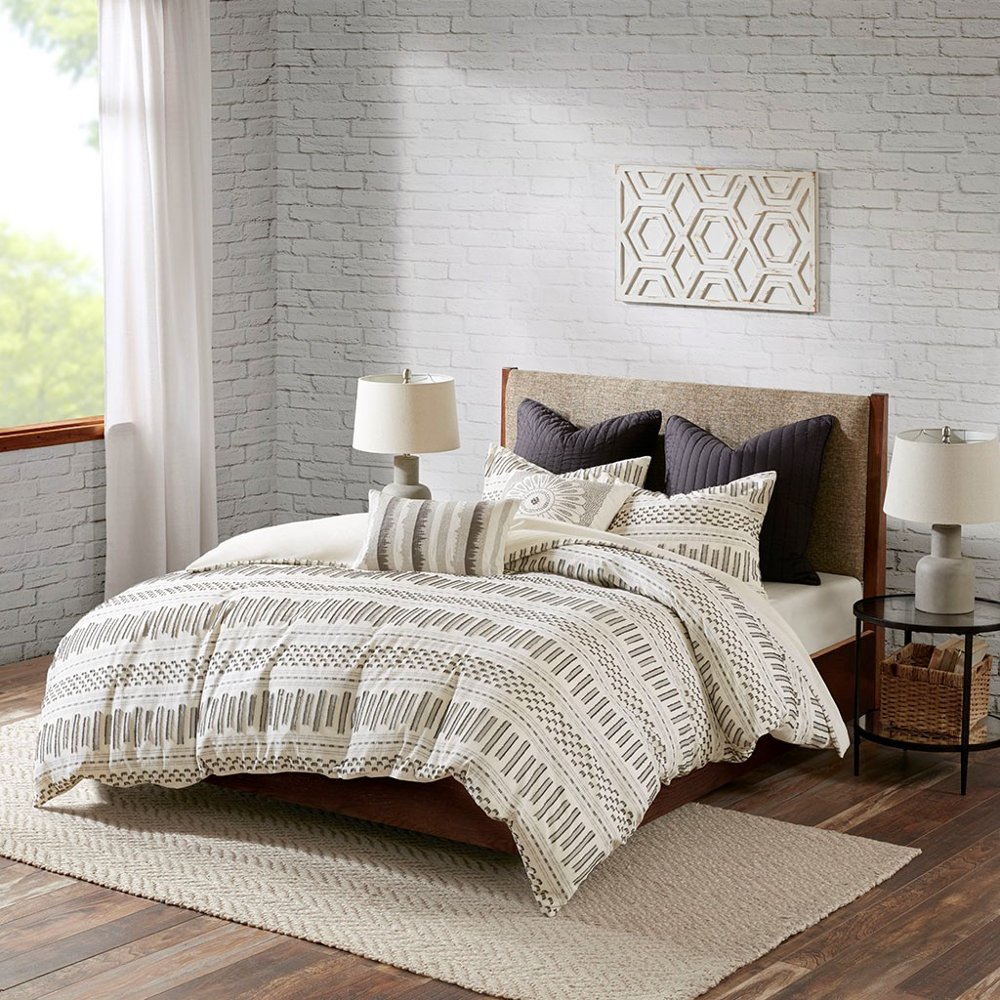
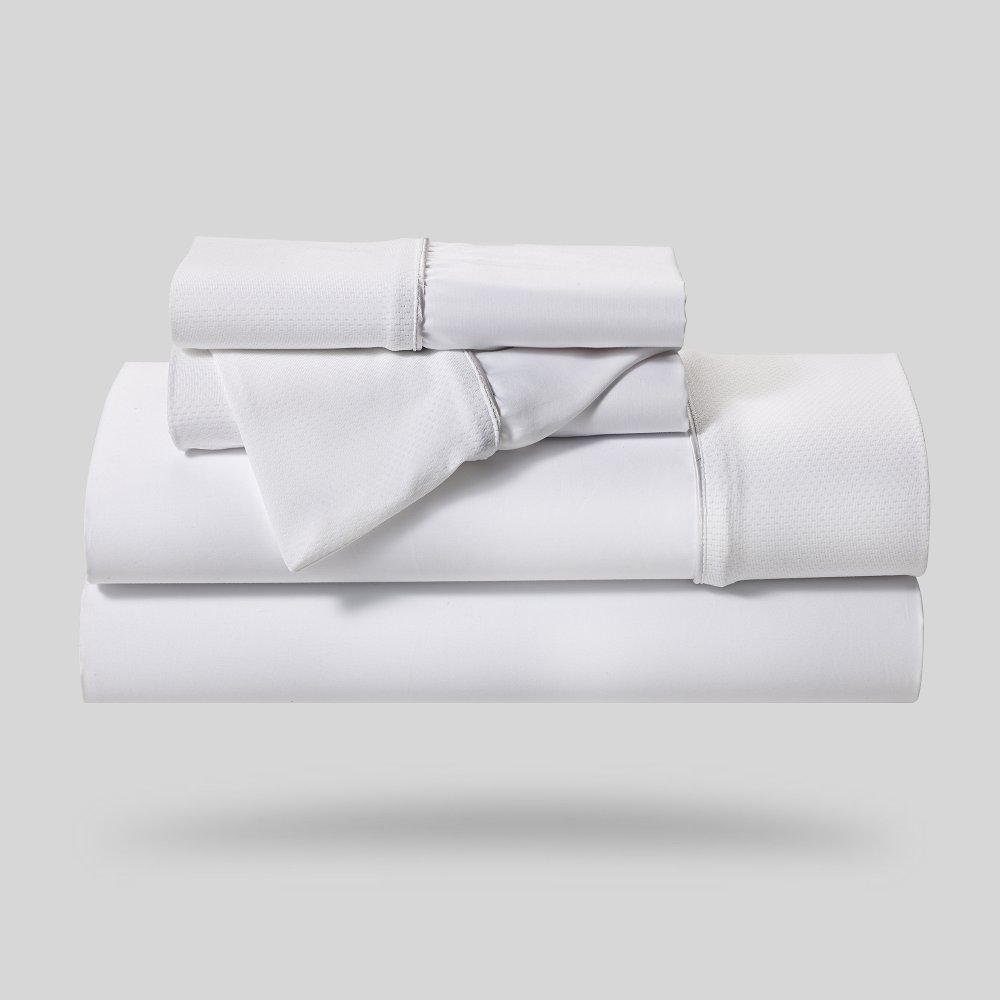
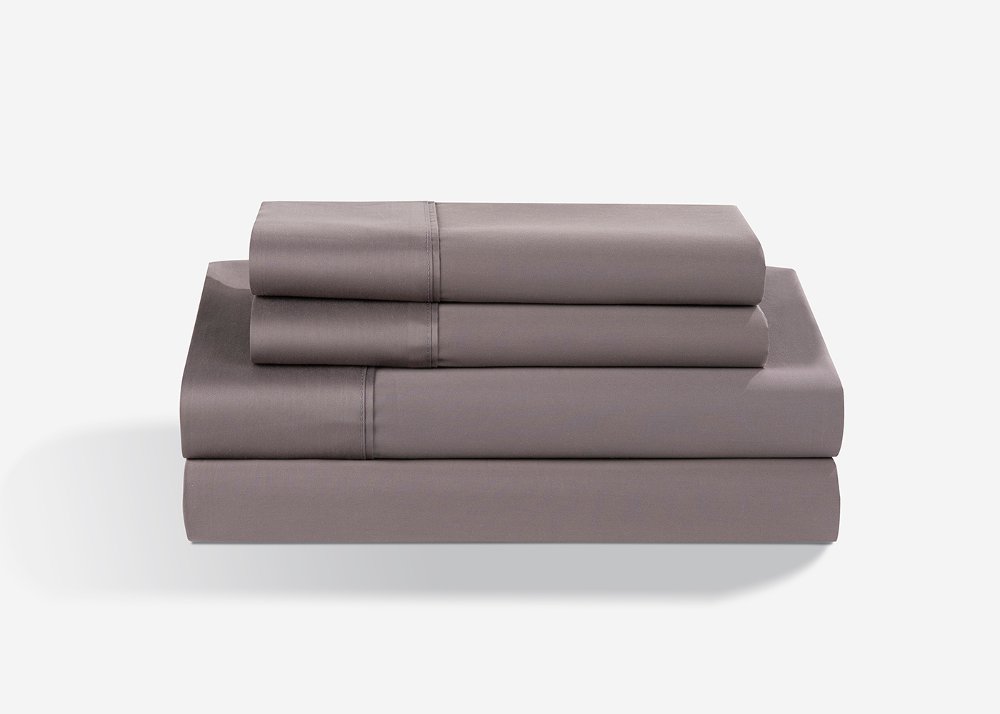
Comforter sets bring a bed’s main layers together with a filled comforter and coordinating accessories, making it easier to create a bedroom that feels settled and personal. A basic three-piece comforter set usually includes one comforter and two matching pillow shams, while twin sets often include a comforter and one sham. Larger sets may add decorative pillows, a bed skirt, or other finishing pieces. Bed-in-a-bag sets typically include more of the essentials, often pairing a comforter and shams with a fitted sheet, flat sheet, and pillowcases. The piece count alone doesn’t tell the whole story, so the listed contents matter when comparing sets. Shams are decorative pillow covers, not necessarily a substitute for the pillowcases used for sleeping, and sheets aren’t included in every comforter set. Unlike a duvet insert designed to slip inside a separate cover, a comforter generally has its outer fabric attached around the filling, with stitching that helps keep that filling distributed. This construction gives the bed a finished look without requiring a separate duvet cover. The coordinated pieces also give you a starting point for the rest of the room. An ivory comforter with subtle stitched texture can soften the look of a dark wood bed, while a patterned set can bring color to a bedroom with simple walls and furniture. Stripes create a tailored impression, florals add movement, and solid colors leave room for artwork or an upholstered headboard to stand out. Reversible designs offer another way to change the look without replacing the bedding. For a relaxed finish, a comforter with a softly textured surface can look inviting without elaborate pillow arrangements. For a more structured bed, matching shams and a neatly proportioned drop help create clean lines. A set doesn’t need to match every detail in the room; repeating one color from a rug, curtain, or favorite piece of art often creates a more natural connection. The best choice supports the way you use the bedroom, from a quiet space for reading to a guest room that feels welcoming with just a few thoughtful layers.
Materials influence how a comforter set feels, drapes, and holds up to everyday use. Cotton shells have a familiar fabric feel and allow airflow, although weave and finishing affect their smoothness and texture. Percale generally feels crisp, while sateen tends to feel smoother and has a subtle sheen. Linen has a more textured appearance with natural variation and a relaxed drape; its wrinkles are part of its character rather than a sign that the bed needs constant attention. Microfiber, commonly made from finely woven polyester fibers, often feels smooth and lightweight and can resist wrinkling. Fabric blends combine different qualities, so the fiber content gives a clearer picture than a description such as “soft” or “luxurious” alone. The filling matters just as much as the outer fabric. Polyester and other down-alternative fills provide loft without down, while down-filled comforters have their own care requirements and feel. Fill amount and construction influence weight and fullness, so a thick-looking comforter isn’t automatically the right choice for someone who prefers lighter bedding. Quilted stitching, channels, and box-style construction help control where the fill sits, though the details vary. Fit deserves equal attention. Comforter sets commonly come in twin, twin XL, full, queen, king, and California king sizes, but the actual comforter dimensions can differ between sets carrying the same size label. Combined full/queen sizing makes those measurements especially useful. Mattress width and length are only part of the equation: a deep mattress, a topper, and a tall foundation all affect how much fabric hangs over the sides. Measuring the mattress and deciding where you want the comforter to end helps avoid a skimpy-looking edge or excess fabric that gathers on the floor. A low platform bed may suit a shorter drop, while a taller bed may need more coverage. King and California king mattresses have different proportions, so their bedding shouldn’t be assumed interchangeable. Check the included sham dimensions against your pillows, too; a well-filled sham looks tidy, while an oversized cover can leave corners looking loose even when the comforter fits beautifully.
Care and construction help determine whether a comforter set works for your household beyond the first neatly made bed. Washability varies, and the care label should guide cleaning rather than the fabric name alone. Some sets allow machine washing, while others require professional cleaning or separate care for decorative pieces. A comforter also needs enough room to move inside the washer; squeezing a bulky layer into a small drum can prevent thorough cleaning and rinsing. If home laundering is important, consider both the care instructions and the capacity of your appliances. Follow the recommended detergent, cycle, and drying method, and allow the filling to dry completely before returning the comforter to the bed or storing it. Damp filling can develop odors, even when the surface feels dry. Between washes, washable sheets provide a practical layer against skin oils, and prompt spot treatment can keep a small spill from becoming a larger cleaning job. Households with pets may appreciate a smooth surface with fewer raised details for claws to catch, while a child’s room often benefits from straightforward care and durable seams. Embroidery, tufting, and delicate trim add character but may need gentler handling. Closely finished edges and secure stitching are useful details to look for, and visible texture or busy patterns may make everyday rumpling less noticeable. Comforter sets can also make thoughtful gifts for a college student setting up a dorm room, a couple furnishing a shared bedroom, or someone moving into a new home. Mattress size, preferred colors, and laundry access make those gifts more personal and practical; a dorm bed, for example, may require twin XL rather than standard twin bedding. A coordinated set is equally useful for refreshing a guest bedroom without adding unnecessary layers. When considering how the comforter will work with sheets and other essentials, exploring comfortable bedding sets can help you picture the complete bed. Choosing pieces that fit properly, feel good against your skin, and suit your cleaning routine creates a bedroom that’s comfortable to use, not just attractive to look at.
Read More