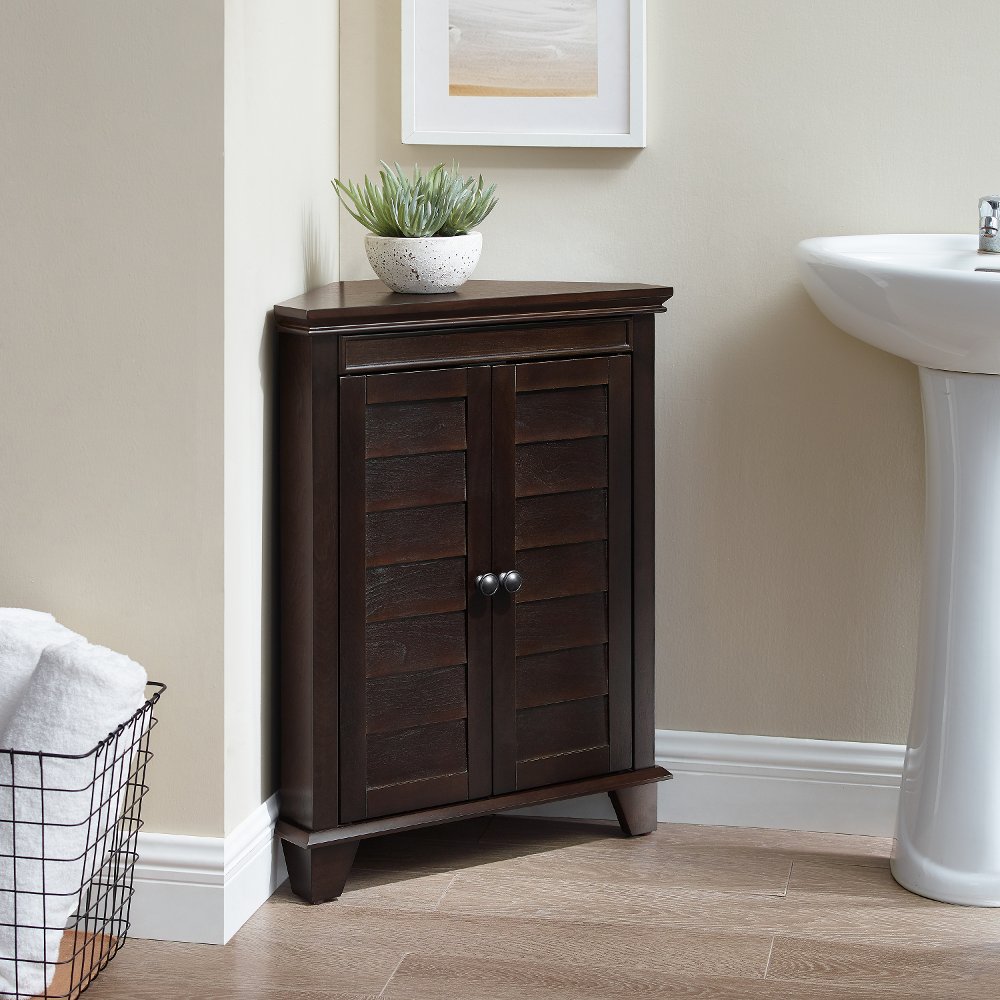
Quiet close cabinets bring a calmer, more comfortable feel to the rooms where you store everyday essentials. Instead of a door snapping against the frame, a soft-close hinge or damper catches it during the final part of the swing and guides it shut with a smooth, controlled motion. That small difference can make a noticeable impact in a busy kitchen, bathroom, laundry room, home office, or entertainment area. You’ll hear less banging during early mornings, late-night snack runs, and the steady rhythm of putting dishes, toiletries, or supplies away throughout the day. Quiet close operation also helps protect cabinet doors and frames from the repeated force of hard impacts, making it a practical choice for households with children, light sleepers, pets, or anyone who appreciates a more peaceful home. When comparing options, start with the cabinet’s overall purpose, available storage space, and the way the room is used. Consider door size and weight, the amount of daily traffic, and whether you want a traditional framed cabinet appearance or the clean, uninterrupted lines of a frameless design. Door style, finish, interior storage, and hardware placement all shape the look and function of your room, while soft-close hinges add a refined finishing touch without demanding much attention. Quiet close cabinets can work especially well in kitchens where several people share the space, bathrooms used by the whole household, and storage areas that need to feel orderly during the cooler months when more time is spent indoors. They also make a thoughtful choice for a new homeowner, someone settling into a first apartment, or a family creating a more accessible and comfortable living space. If you’re coordinating cabinets with other storage pieces, explore our selection of Door Cabinets to continue a consistent look throughout your home.
If you’re refreshing cabinets you already own, quiet close operation may be possible without replacing every cabinet box or door. Small add-on dampers attach to the inside corner of the cabinet frame and slow the door as it closes, while clip-on attachments can connect to some compatible concealed hinges. Another option is replacing standard hinges with integrated soft-close concealed hinges for a streamlined appearance. Before purchasing an add-on or replacement hinge, inspect the cabinet carefully. Identify whether it has a face frame around the front opening or a frameless construction, then check whether the existing hardware is concealed inside the cabinet or visible from the outside. It’s also important to confirm that the current hinge is self-closing, meaning it pulls the door shut after you push it partway closed. Frame-mounted dampers generally work best when the door already has that self-closing action. A standard-size door often needs one damper positioned near the upper hinge side, while a broad, tall, or heavier door may need two dampers—one near the top and one near the bottom—to distribute the closing force more evenly. Always compare the hinge type, overlay, mounting pattern, door thickness, and weight with the hardware specifications before beginning an update. A careful measurement can prevent a door from sitting unevenly, rubbing against its neighbor, or stopping short of the frame. For a new cabinet purchase, look for sturdy construction, smooth door alignment, dependable hinges, and storage that matches the items you plan to keep inside. Think about the way your hand naturally reaches for a door while carrying a plate, folding towels, or helping a child tidy up; convenient access and gentle closing should support those routines rather than complicate them. Quiet close cabinets are especially helpful in open-concept homes, where a sharp cabinet slam can travel from the kitchen into a living room or bedroom. They’re equally useful in compact spaces, where every sound and movement feels close by. With the right dimensions, layout, and hardware compatibility, you can create storage that feels composed and dependable from the first opening of the day to the last quiet close at night.
Read More