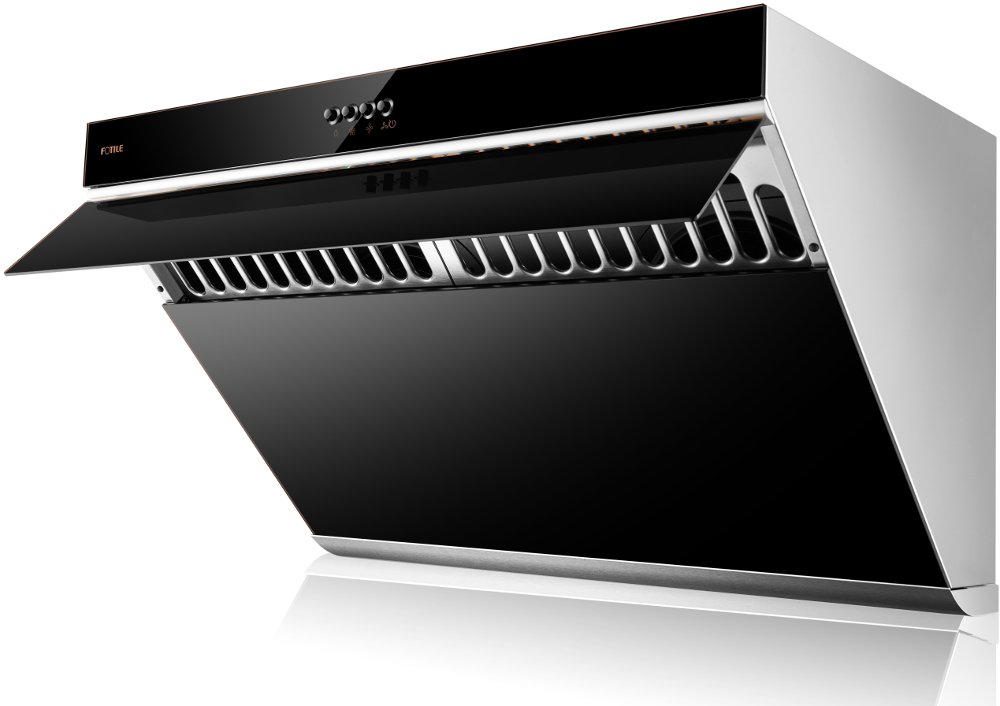
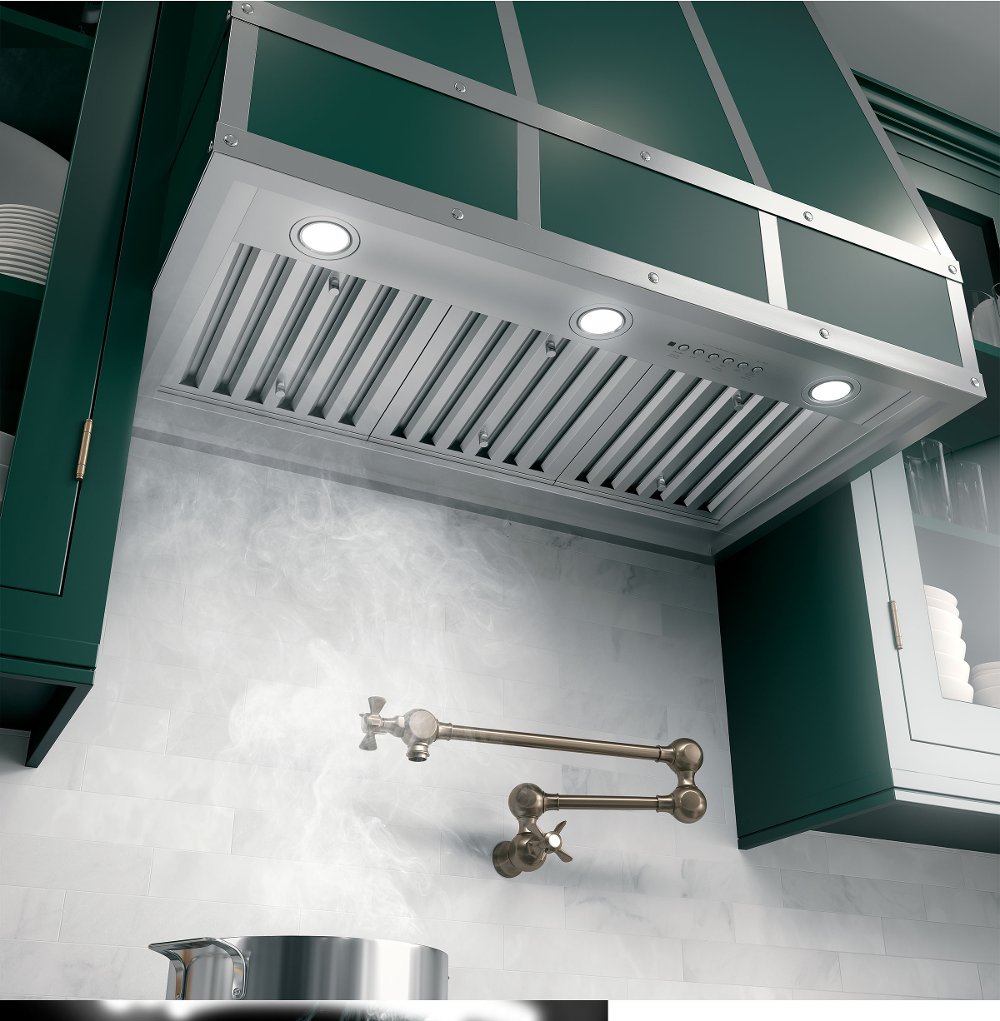
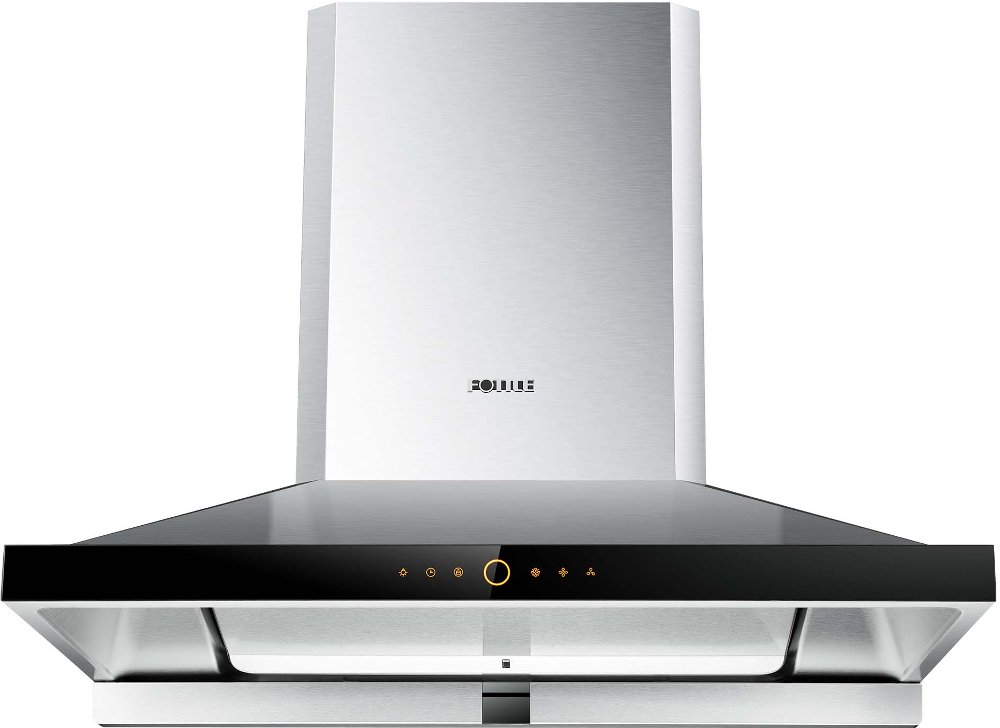
Range hood extensions help complete a kitchen ventilation setup when a standard hood configuration doesn’t quite reach the ceiling, cover the cooking area, or provide the visual balance you want above the range. They’re commonly used with wall-mounted and island range hoods in kitchens with taller ceilings, where the original chimney cover may stop short and leave an unfinished gap above the hood. An extension can also refer to a forward-reaching lip or attachment that improves coverage over the front burners when a microwave or under-cabinet hood sits farther back than the cooktop. These two types serve different purposes, so identifying the style you need is the best place to start. A chimney extension continues the decorative flue upward toward the ceiling, while a forward extension reaches over the cooking surface to help capture steam, smoke, grease, and cooking odors closer to where they rise. During the cooler months, when windows tend to stay closed and comforting meals simmer on the stove, dependable ventilation can make the kitchen feel fresher and more comfortable. Whether you’re finishing a kitchen renovation, replacing an old hood setup, or adjusting a recently installed range hood to fit your home, the right extension can bring the installation together in a clean, intentional way. Explore more ways to create a comfortable cooking space with Range Hood Ventilation options from RC Willey.
Compatibility deserves careful attention before you add an extension to your cart. Range hood extensions are generally designed for a specific hood family, and chimney covers are rarely universal even when two hoods appear similar in size or shape. Start with the manufacturer name and exact model number of your existing range hood, then compare the extension’s listed compatibility information. If you recently moved into a home and don’t have the original paperwork, check the label on the hood, look inside the cabinet or chimney area, or measure the unit and search for installation documents before purchasing. Ceiling height is another important detail. Many standard range hood installations work with ceilings around eight to ten feet, while taller ceilings may call for a single extended cover, a dual-piece extension, or another configuration specified for the hood. Measure from the finished floor to the ceiling, and account for the distance between the cooktop and the bottom of the hood. That measurement helps you confirm that the finished installation will sit at an appropriate height for effective capture and comfortable cooking. Also review the extension’s width, depth, length, finish, and connection style. Stainless steel, black stainless, and matte black finishes can look very different under kitchen lighting, and even a small color variation may stand out against surrounding cabinetry. Mounting brackets, joining hardware, and other installation parts may be included or sold separately, so read the details closely instead of assuming every piece comes in one package. A compatible extension should fit into the hood’s intended installation system; improvised materials can melt, discolor, collect grease, or trap odors near the cooktop.
These extensions are especially useful for homeowners with vaulted or high ceilings, people updating a kitchen after a remodel, and cooks who want their ventilation equipment to look finished from every angle. They can also be a thoughtful housewarming or renovation gift for someone who has chosen a new range hood but needs the correct finishing component for an unusual ceiling height. Because the right part depends on the recipient’s exact hood model, ceiling measurement, and preferred finish, it’s best to confirm those details before gifting one. In everyday use, a properly fitted chimney extension creates a more polished transition between the hood and ceiling, helping the appliance feel built into the room rather than suspended below an empty stretch of wall. A forward extension can provide additional reach over front burners, which may be useful when sautéing, boiling pasta, searing meat, or preparing foods that release a noticeable amount of steam. It won’t replace the need for the hood’s fan, filters, ductwork, or correct installation, and it should never obstruct controls, lights, filters, or required clearances. Follow the hood manufacturer’s installation instructions and local building requirements, and consider professional installation when the project involves electrical connections, ductwork, ceiling reinforcement, or work above an island. Take a moment to picture the finished kitchen: the hood aligned with the range, the flue reaching neatly toward the ceiling, and cooking aromas moving through the ventilation system instead of lingering in nearby rooms. With accurate measurements and careful compatibility checks, a range hood extension can provide the practical reach and finished appearance your kitchen has been missing.
Read More