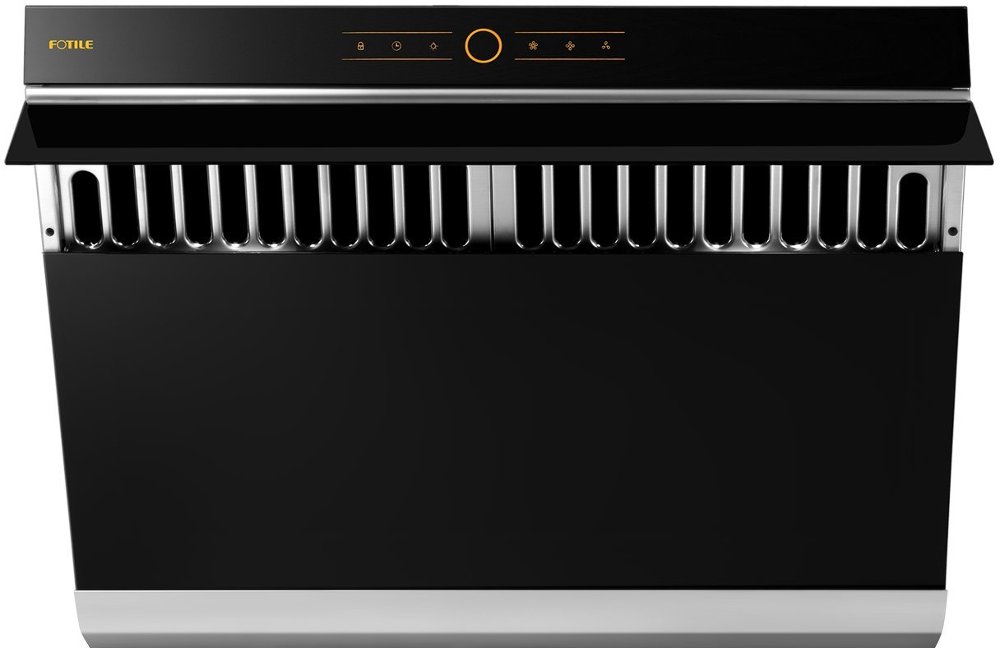
Range hood ventilation helps keep your kitchen comfortable by capturing cooking smoke, airborne grease, and odors near the cooktop before they spread through your home. A pot of simmering soup may release mostly steam, while a hot skillet full of onions or a seared steak can send grease and smoke into the air. The right kitchen ventilation supports both everyday meals and longer cooking sessions, especially in open floor plans where the kitchen shares space with a dining table or sofa. Ducted range hoods exhaust captured air outdoors, making them more effective than recirculating designs at removing cooking heat, moisture, and odors from the kitchen. Ductless range hoods pass air through grease and odor filters, then return it to the room; they offer an alternative when outdoor venting isn’t possible, but they don’t exhaust heat or moisture outside. Convertible range hoods can support either arrangement when installed with the components specified by the manufacturer. For kitchens with a suitable outdoor exhaust route, vented kitchen range hoods provide a practical starting point for comparing designs that carry cooking exhaust out of the home. The best fit depends on your cooking habits as much as your kitchen’s appearance. Someone who frequently stir-fries, browns meat, or cooks several dishes at once has different ventilation needs than someone who mostly reheats meals and boils pasta. Gas cooking also produces combustion pollutants, which makes effective outdoor exhaust particularly important. Electric and induction cooktops still benefit from ventilation because the food itself releases particles, grease, and moisture as it cooks. During the cooler months, when windows tend to stay closed and meals spend more time on the stove, dependable ventilation can make a noticeable difference in how the kitchen feels. Whether you’re replacing an aging hood or planning a kitchen renovation, look for a design that suits the space, captures emissions effectively, and feels easy to use every day.
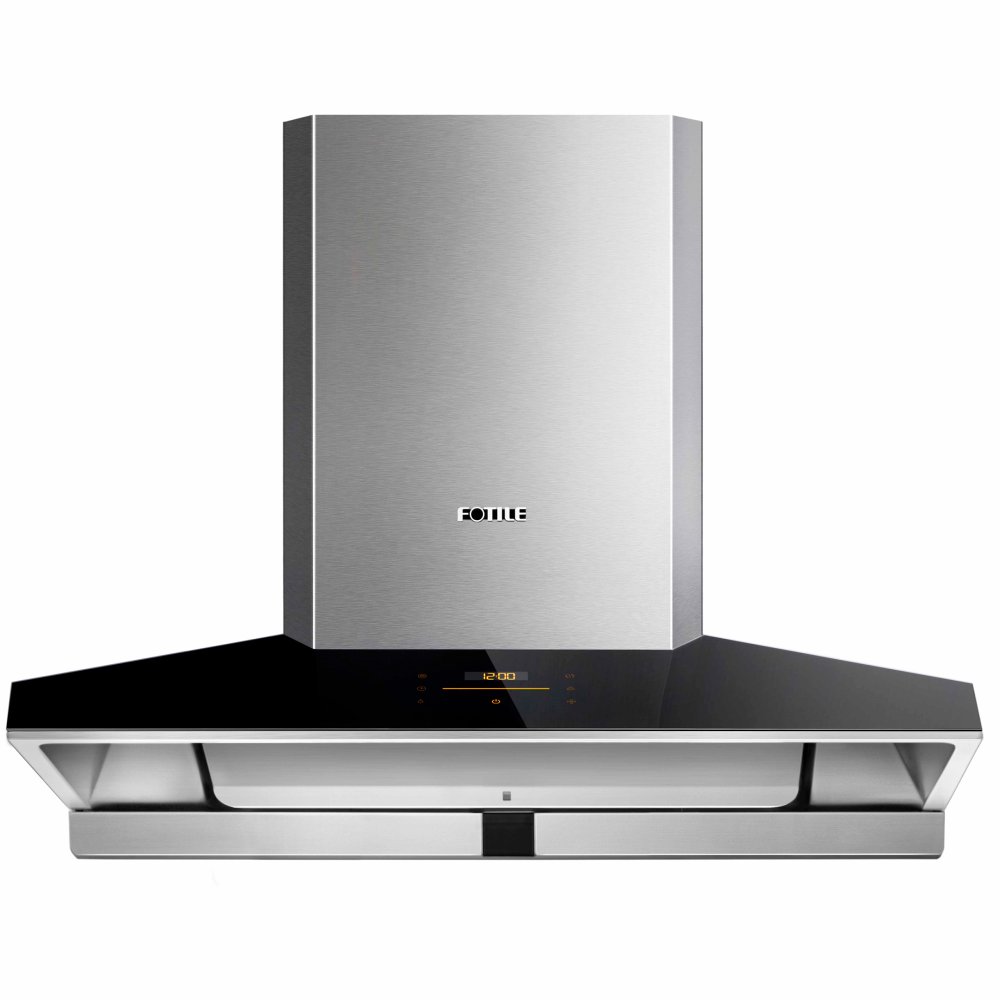
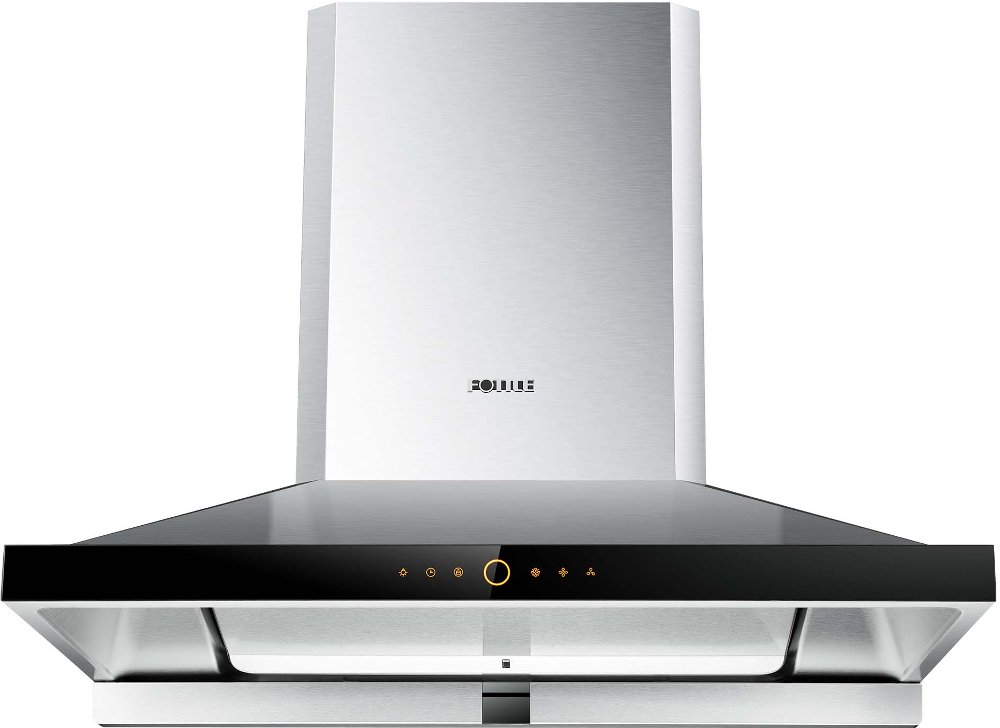
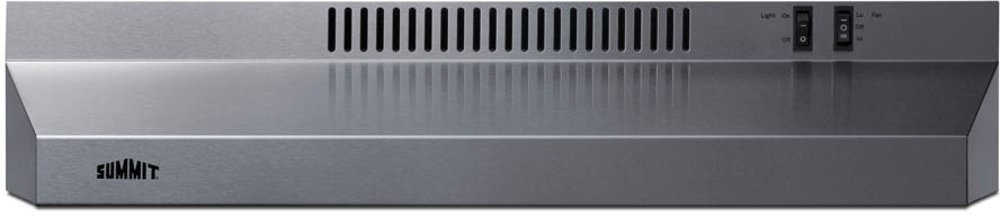
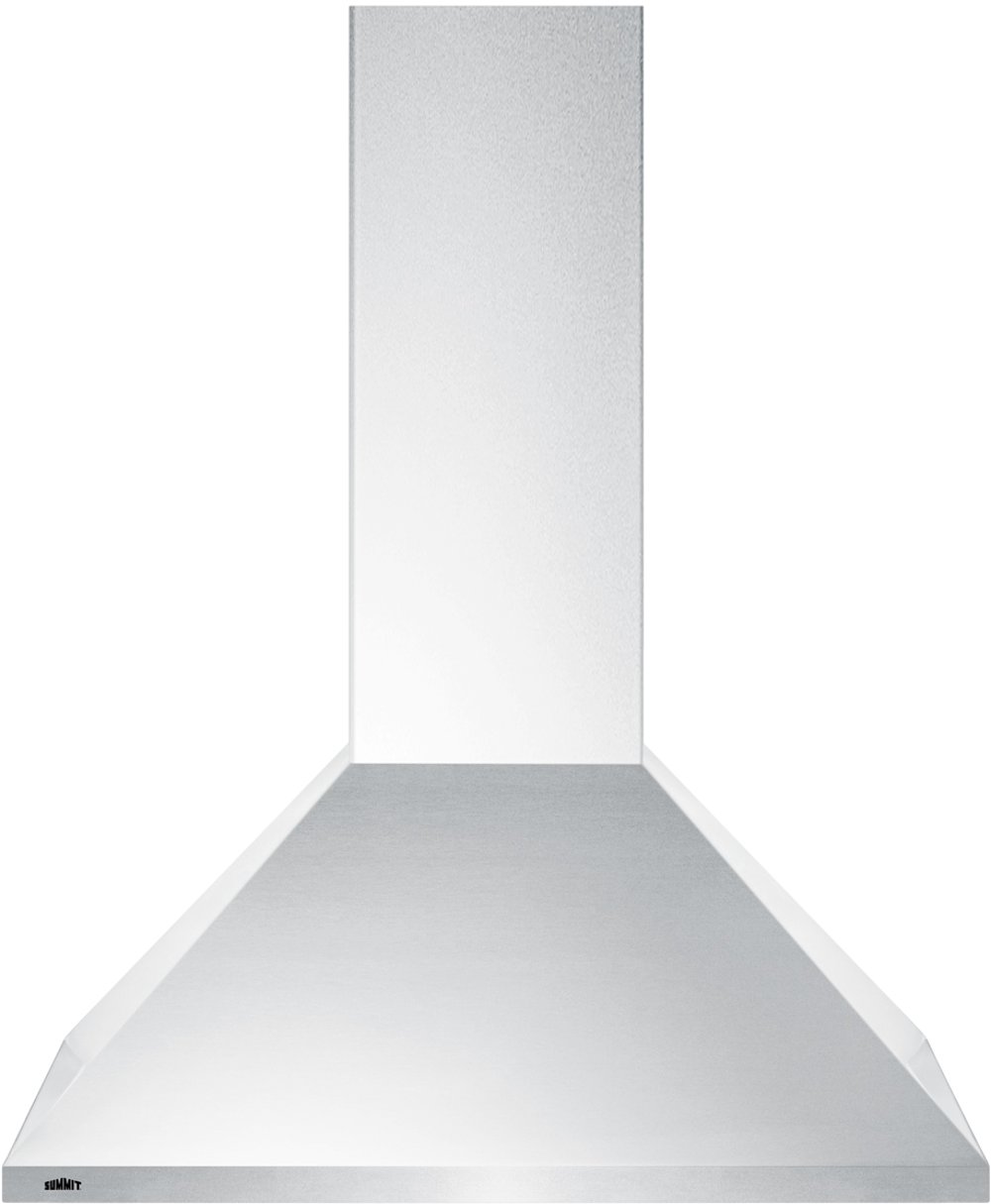
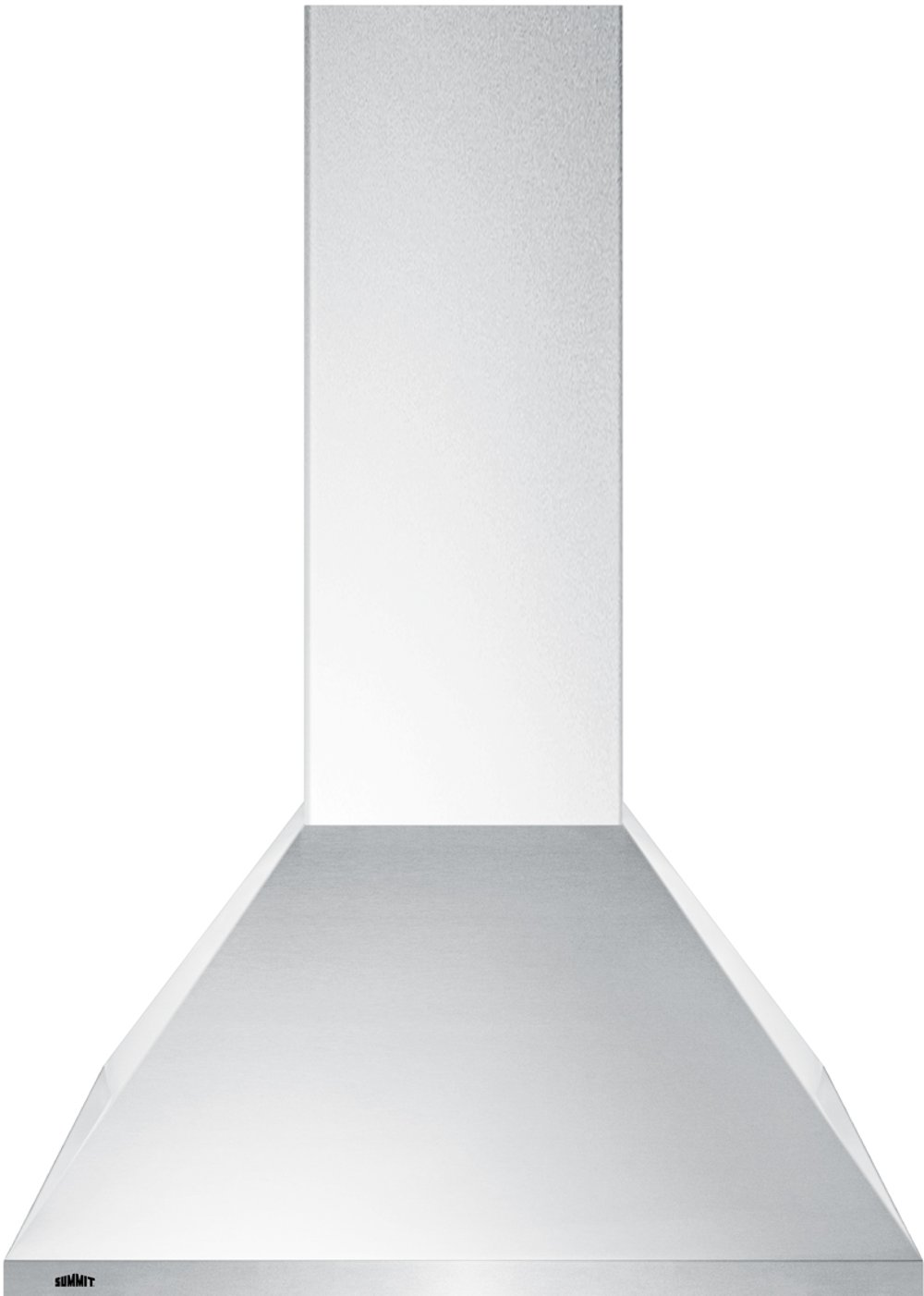
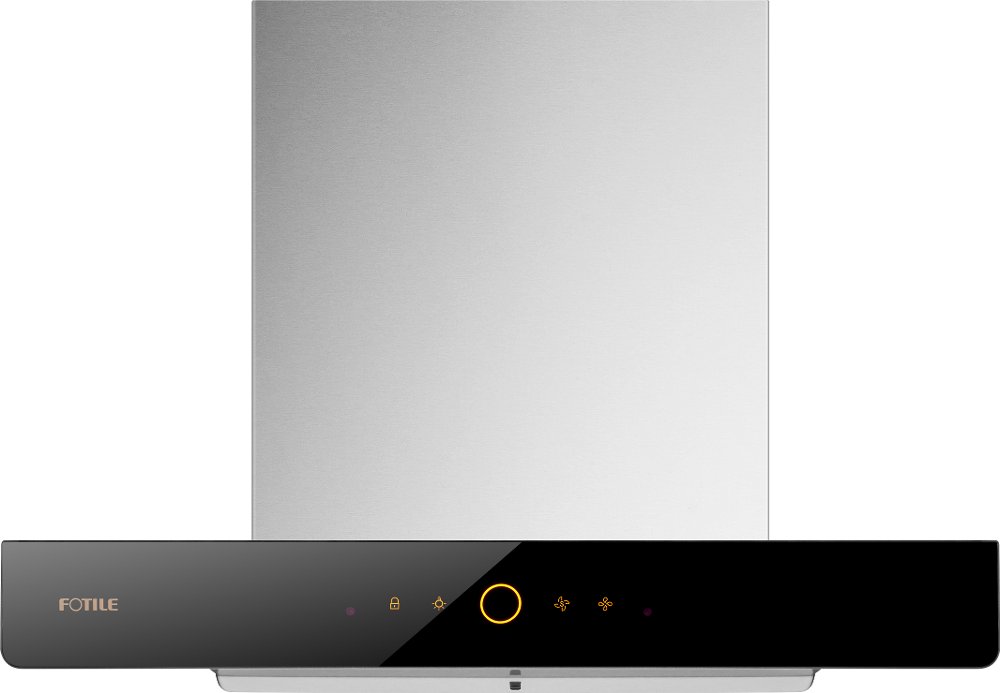
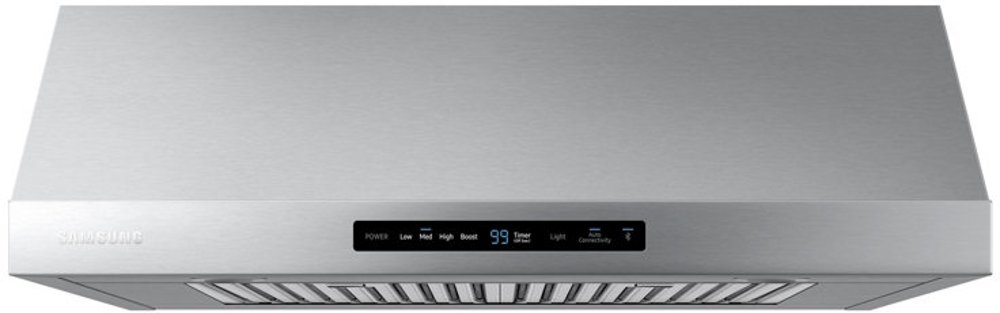
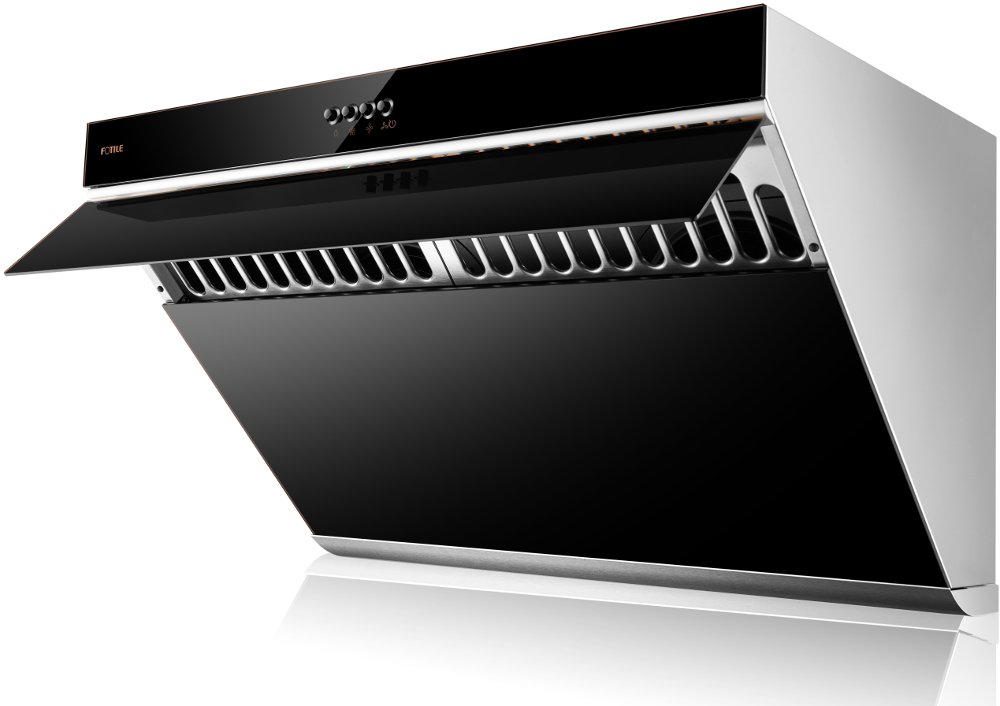
Fit starts with the cooking surface, surrounding cabinets, and available duct route. Under-cabinet range hoods tuck beneath overhead cabinetry, while wall-mount hoods create a more visible focal point above a range against the wall. Island range hoods hang above cooking surfaces away from a wall, and hood inserts fit inside compatible decorative enclosures for a built-in appearance. Width matters, but so do depth and mounting height: a hood needs enough coverage to capture rising cooking emissions, including those from the front burners. Follow the hood and cooking appliance manufacturers’ clearance requirements rather than assuming one installation height works for every kitchen. Airflow ratings, measured in cubic feet per minute, or CFM, describe how much air a fan can move under specified conditions. Higher airflow may suit intensive cooking or a larger cooking surface, but the largest rating isn’t automatically the best match. Capture area, duct resistance, fan settings, and installation quality all affect real-world performance. A high-capacity system may also require makeup air under local building codes, so a qualified installer should evaluate the home’s ventilation needs and any combustion appliances that could be affected by depressurization. For a ducted hood, exhaust should terminate outdoors through an appropriate wall or roof outlet, never in an attic, crawl space, or garage. A direct route through an exterior wall can reduce bends when the kitchen layout allows it; a roof route may better suit an interior wall or island location. Smooth, rigid metal ductwork sized to the hood’s requirements helps air move efficiently and limits places where grease can collect. Flexible ducting and unnecessary elbows add resistance, and reducing the duct diameter can compromise performance. There’s no single maximum duct length that fits every hood: the manufacturer’s permitted equivalent length accounts for straight sections, elbows, and termination fittings. Proper exterior weather protection, roof flashing where needed, and a compatible backdraft damper help protect the installation and limit unwanted outdoor air entering when the fan is off.
Materials, controls, and maintenance determine how well a range hood fits into your daily routine after installation. Stainless steel is a common choice for its durability and compatibility with many kitchen finishes, though fingerprints and grease marks can show on exposed surfaces. Painted and coated metal finishes offer a different look, while glass accents create a lighter appearance but may need frequent wiping to stay clear of splatters. Whatever finish suits your kitchen, smooth surfaces and accessible edges make cleanup easier after a busy evening at the stove. Grease filters do important work behind the scenes. Mesh filters catch grease across layers of material, while baffle filters use shaped passages to separate grease from the moving air. Cleaning methods vary, so check whether the filters are dishwasher-safe or require hand-washing. Ductless configurations also need compatible odor filters, often made with activated charcoal, that generally require replacement at the manufacturer’s recommended intervals. Those filters don’t replace grease filtration, and routine care matters even when the hood still looks clean from below. Let surfaces cool before cleaning, use finish-appropriate products, and avoid abrasive pads that can scratch visible panels. For stainless steel, wiping with the grain helps preserve its appearance. Practical features deserve just as much attention as the finish. Multiple fan speeds let you match airflow to a gentle simmer or a smoky skillet, and clearly marked controls make adjustments simpler when several pans need attention. Built-in task lighting helps illuminate the cooking surface, especially beneath deep cabinetry. Sound ratings are useful when comparing ventilation for an open kitchen, although ratings are most meaningful when measured at comparable fan speeds and test conditions. A quiet low setting can be helpful for everyday cooking, with stronger settings ready for heavier smoke and steam. Start ventilation as cooking begins and let it continue briefly afterward, following the manufacturer’s operating recommendations. A well-matched range hood brings together effective capture, sensible upkeep, and a style that belongs in your kitchen, helping you enjoy the meal without carrying its lingering cooking odors into the rest of your home.
Read More