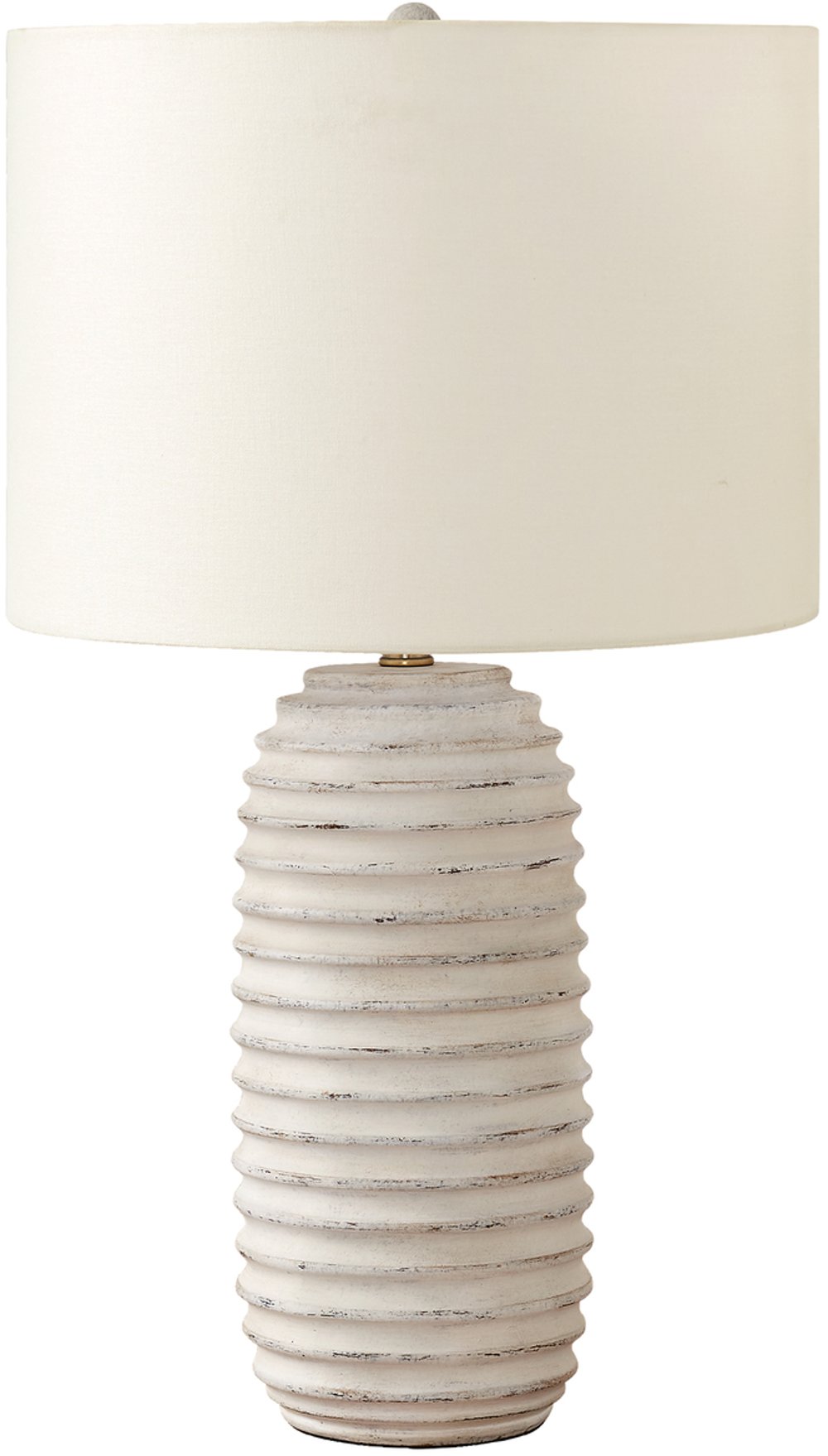
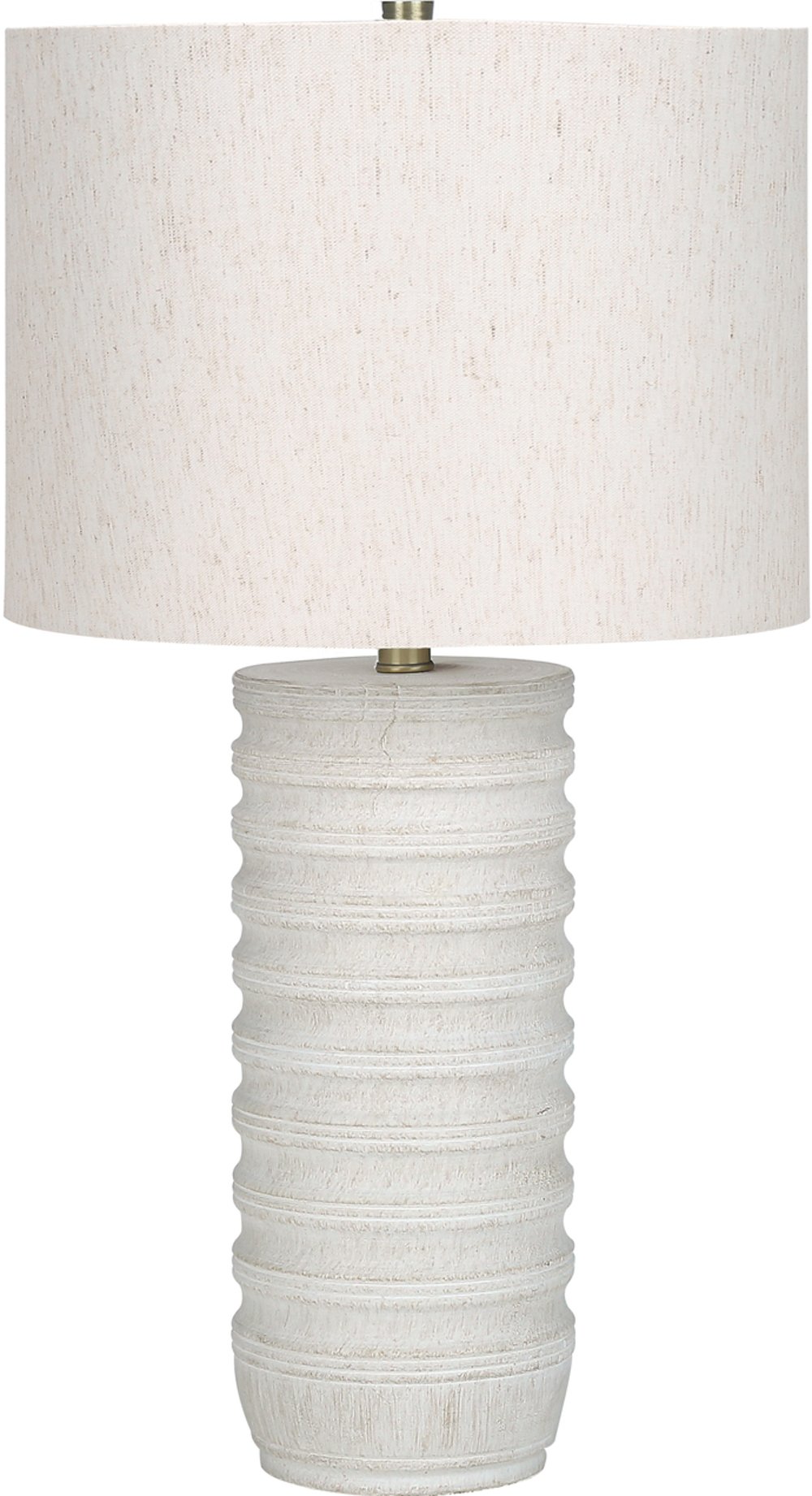
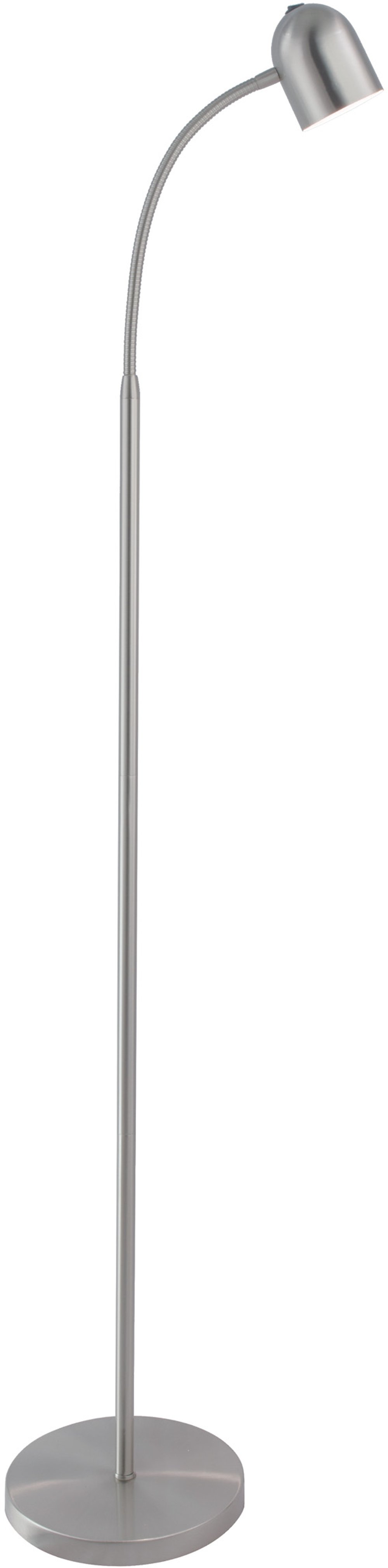
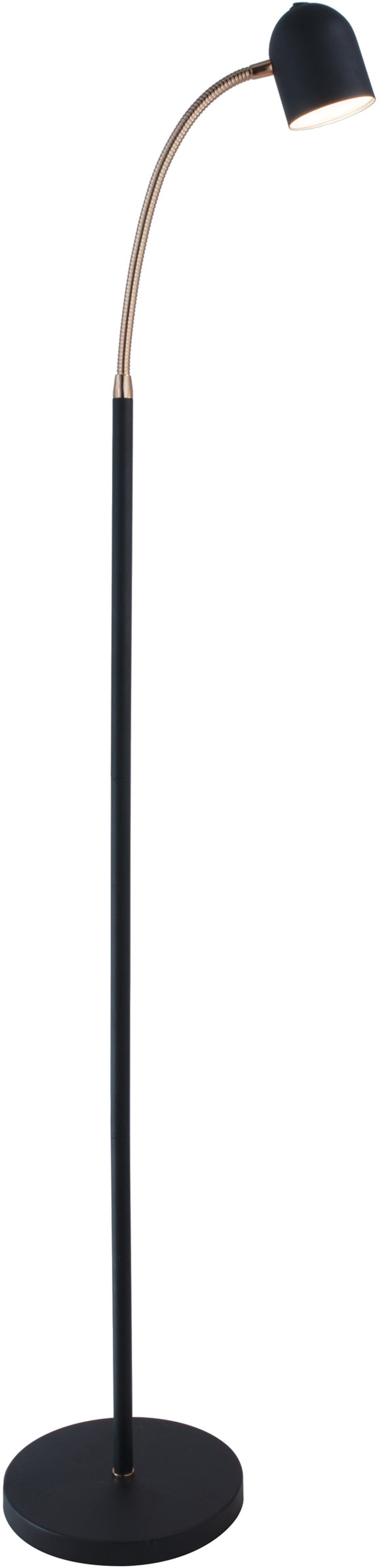
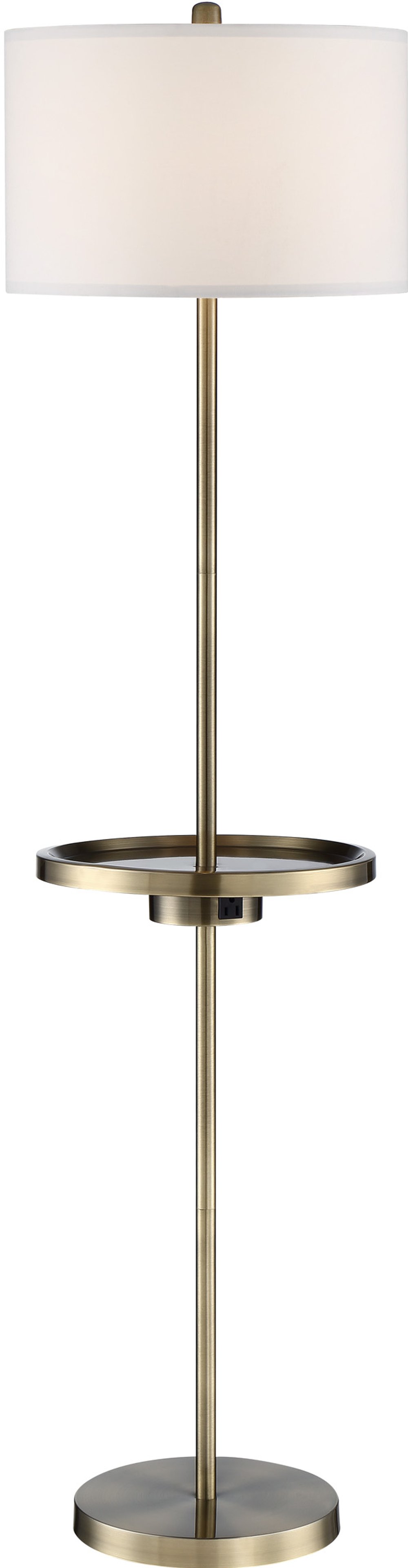
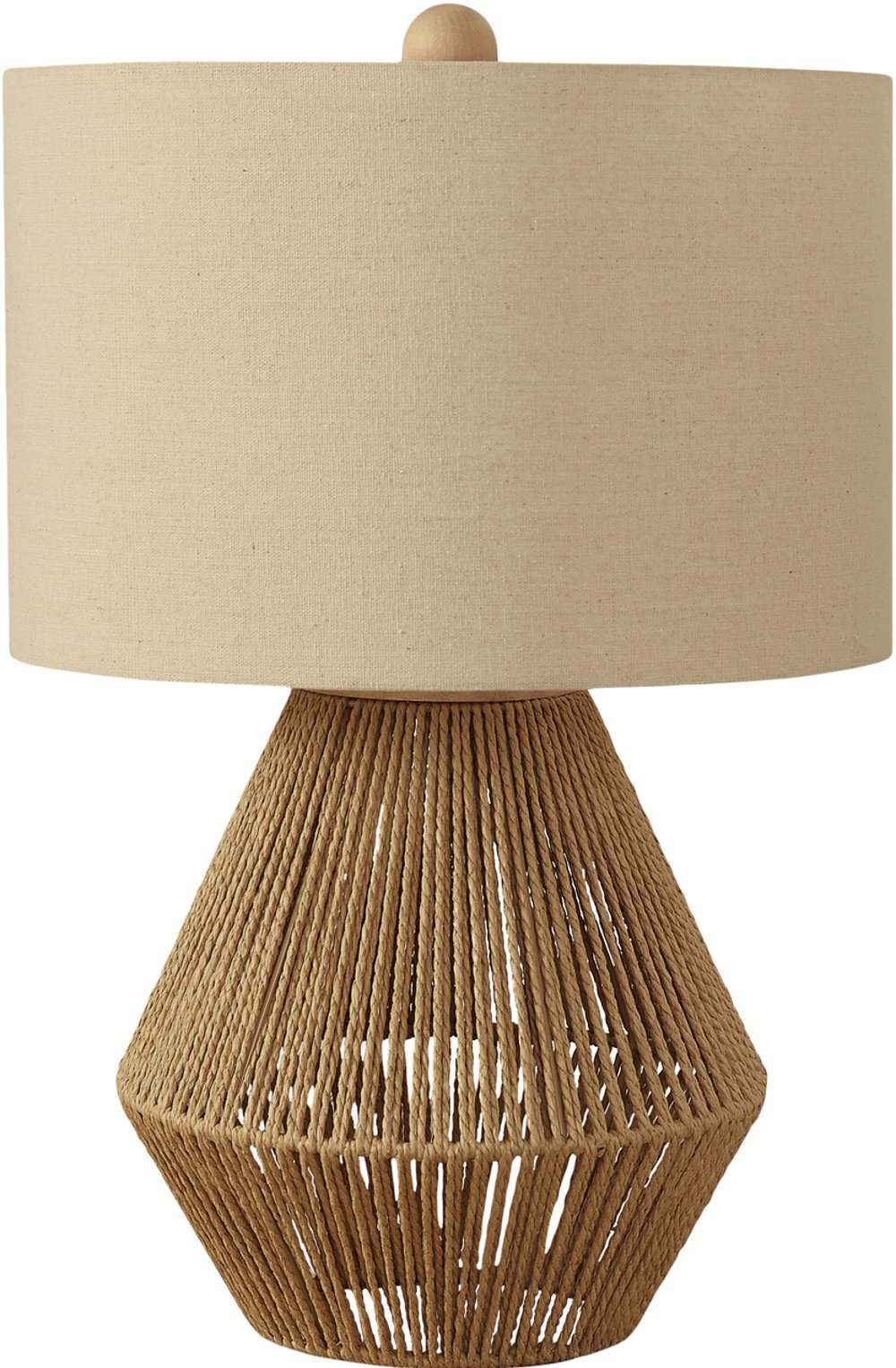
Resin lighting brings shape, texture, and practical illumination into your home through lamps and decorative fixtures made with resin components. In home furnishings, the term often describes a lamp with a molded resin base or decorative body, rather than a UV curing lamp used to harden craft resin. Some decorative lights also feature translucent resin paired with wood or integrated lighting, but resin doesn’t have to be transparent to make an impression. Opaque finishes can resemble carved stone, weathered wood, ceramic, or sculpted plaster, giving a simple lighting piece a distinctive presence on a nightstand or console. Resin is a moldable material that allows for everything from crisp geometric profiles to rounded forms and detailed surface patterns. Some lamp bodies use resin blended with mineral fillers, sometimes described as polyresin, although the exact composition varies by design. That flexibility makes resin table lamps a natural fit for many decorating styles. A softly textured base can bring depth to a room filled with smooth upholstery and glass, while a clean, angular silhouette can add definition beside a relaxed sofa. For a coordinated look, repeat one element already in the room, such as the curved edge of a mirror, the earthy tone of a rug, or the dark finish on a cabinet. The lamp doesn’t need to match every nearby accessory. A little contrast can help a side table feel thoughtfully arranged rather than overly uniform. Resin lighting can serve as a subtle supporting piece or a sculptural focal point, depending on its scale, color, and shade. On an entryway console, it creates a welcoming pool of light and gives keys, framed photos, and a catchall tray a more finished setting. Beside a favorite chair, it helps turn an unused corner into a comfortable place to read. In a bedroom, a pair of resin lamps can provide visual balance without requiring an entirely matching furniture set.
The best fit starts with how you’ll use the light and how much room the lamp needs. For a bedside table, check the overall height, base footprint, and shade width, leaving space for everyday essentials such as a phone, a glass of water, and a book. A slim base may take up very little surface area, but a broad shade can still crowd a headboard or extend into a walkway. In a living room, consider the lamp’s proportions beside the sofa or chair rather than judging it by the tabletop alone. When you’re seated, a shade that conceals the bulb from your normal line of sight can help reduce glare. Taller arrangements may work better beside substantial furniture or in a corner that needs more vertical presence; exploring Tall Lighting can help you compare those proportions with more compact options. Shade material matters just as much as the resin body. Light-colored fabric typically diffuses light gently into the room, while an opaque shade directs more illumination through its openings. A translucent resin feature may create an atmospheric glow, but that effect isn’t necessarily bright enough for reading or detailed tasks. Check the light output in lumens, the recommended bulb type, and the fixture’s maximum wattage before deciding where it belongs. Warm-white light often suits bedrooms and relaxed seating areas, while a more neutral light may feel useful on a work surface. If adjustable brightness matters, confirm that the fixture, bulb, and any dimmer control are compatible. Switch placement also makes a difference in daily use. A socket switch tucked beneath a shade may be easy to reach on a side table but less convenient behind a tall headboard. Cord length and outlet location deserve the same attention so the lamp can sit where it works best without stretching a cord across a walking path. These small checks help decorative lighting feel comfortable and useful, not simply attractive.
Resin lighting offers plenty of design versatility, but its durability depends on the formulation, construction, and finish. Molded resin can hold intricate details well, and some designs are easier to move than similarly sized pieces made from solid stone. Weight still varies considerably, so check the listed dimensions and weight rather than assuming that every resin lamp is lightweight. A stable base is especially important on narrow tables, in busy family rooms, or anywhere a passing elbow could catch the shade. Resin can chip, crack, or lose part of its finish if dropped or struck, so lift a lamp by the main body or base instead of the shade, socket, or decorative projections. For routine care, turn the lamp off, unplug it, and let the bulb cool before cleaning. A soft, dry cloth usually handles surface dust, while a soft brush can reach grooves and raised details without aggressive rubbing. Follow the manufacturer’s care directions before using a damp cloth, and avoid abrasive pads or strong cleaners that could affect the finish. Keep moisture away from electrical parts. Extended direct sunlight can change the color of some resins or coatings, and excessive heat may damage certain materials, making placement and the correct bulb especially important. Resin construction alone doesn’t make a light suitable for a patio, bathroom, or other damp setting; use it only in locations covered by its electrical rating and care instructions. With those practical details in mind, resin lamps can be an appealing choice for someone furnishing a first apartment, refreshing a guest room, or adding character to a home office. They can also make thoughtful housewarming gifts when the recipient’s space and style are familiar. A restrained shape and versatile finish tend to be easier to place than a large statement design. Whether the goal is focused light beside a reading chair or a softer glow across a console, the most satisfying choice balances an expressive resin form with comfortable illumination and an easy fit for everyday life.
Read More