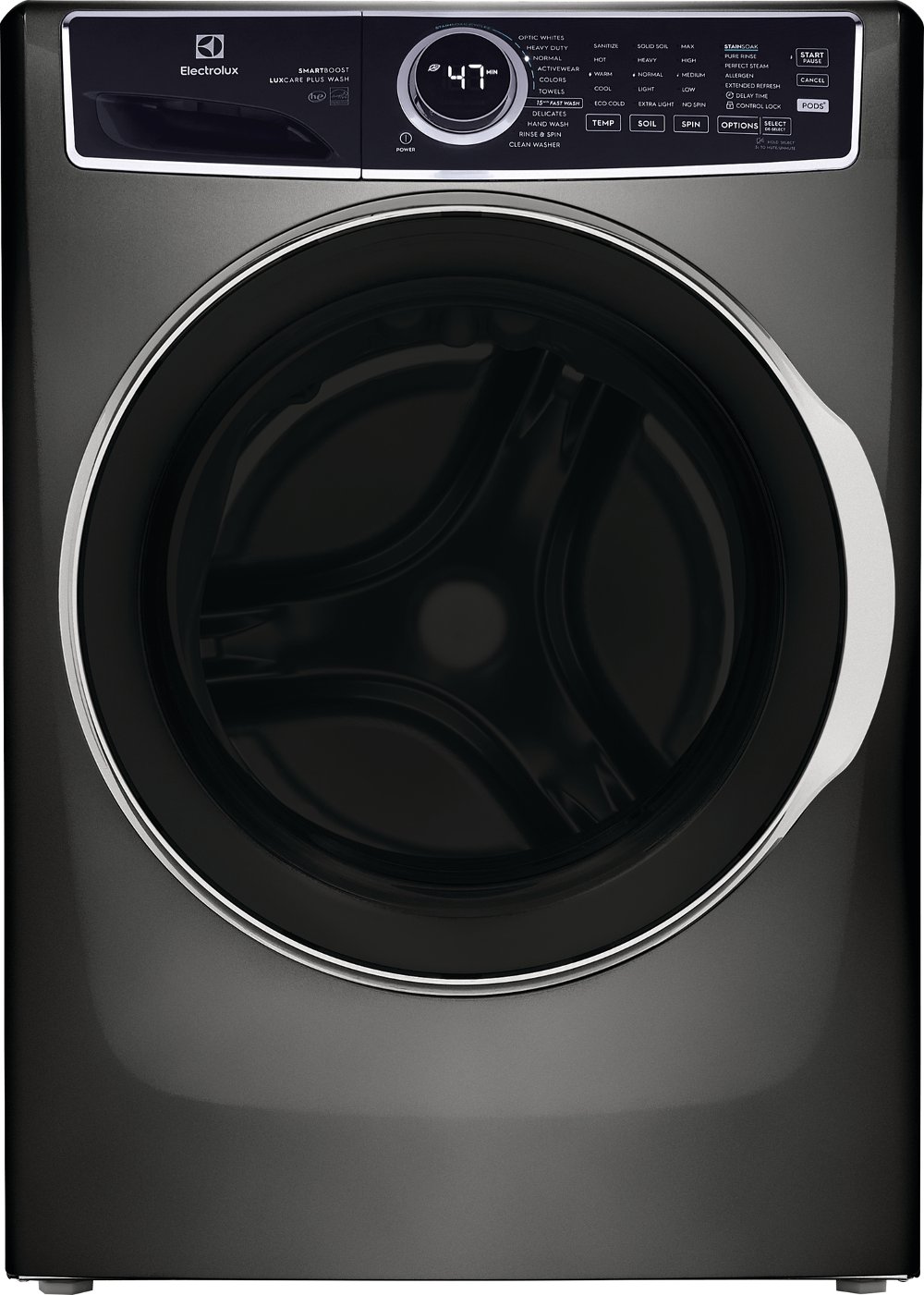
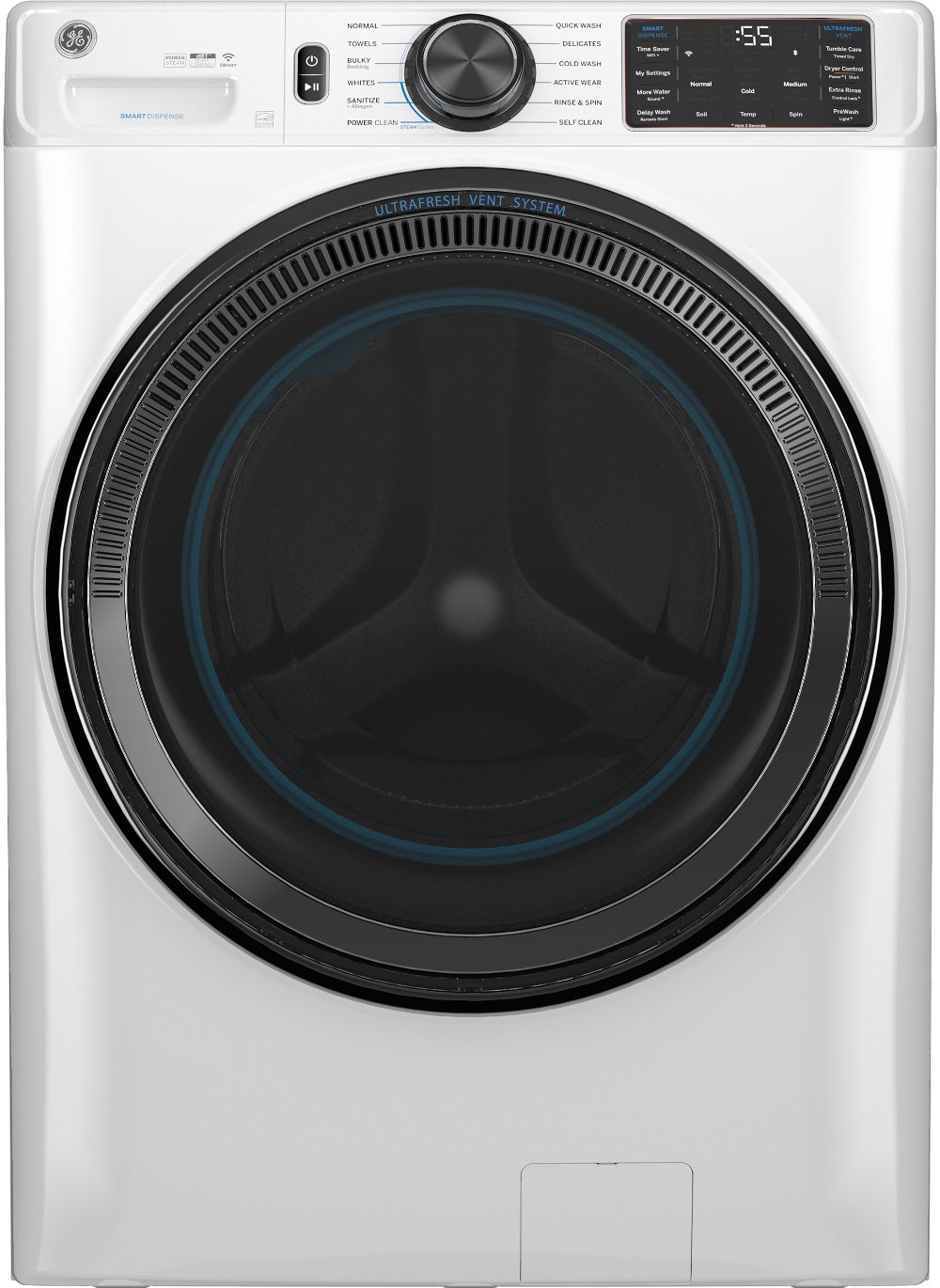
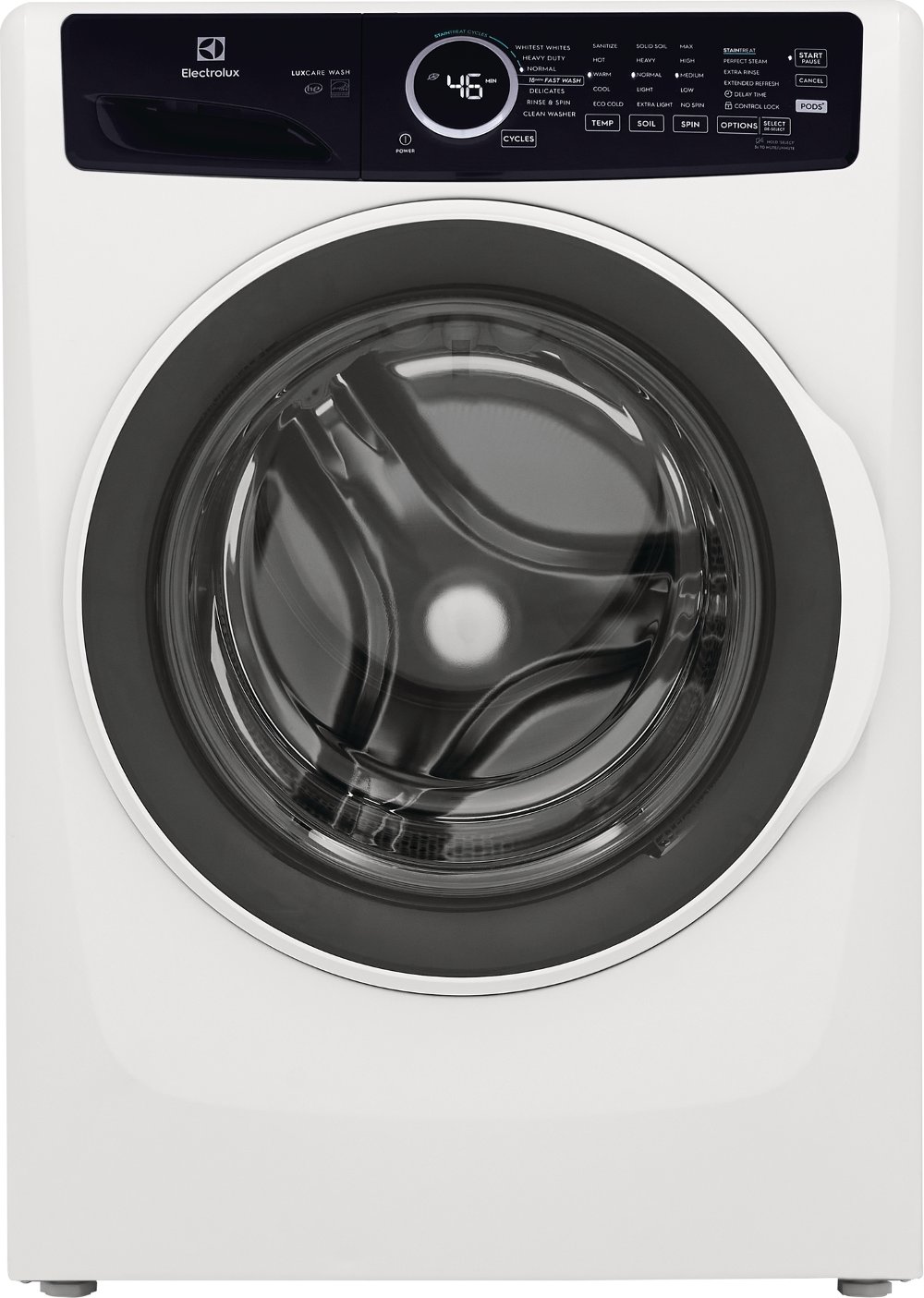
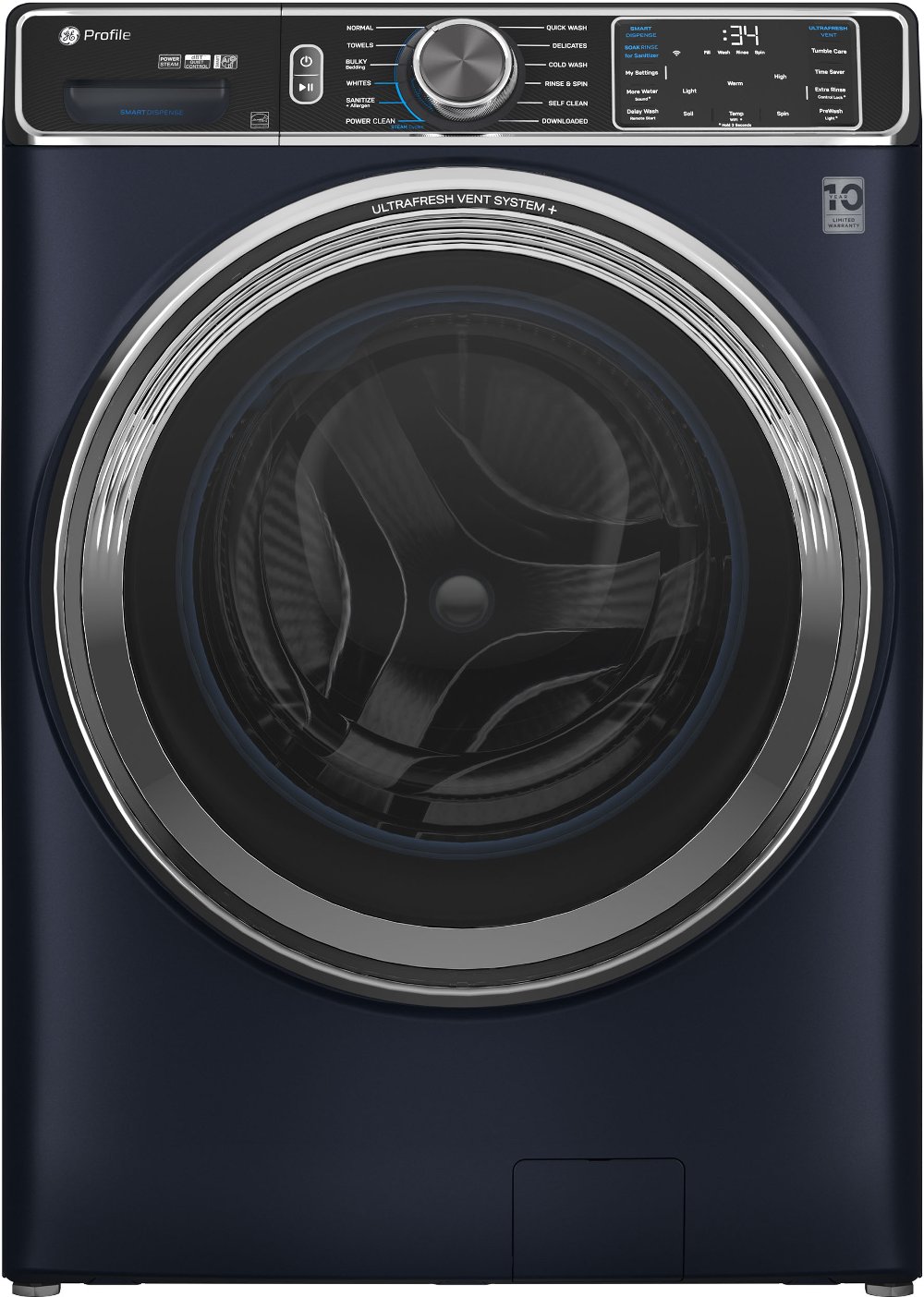
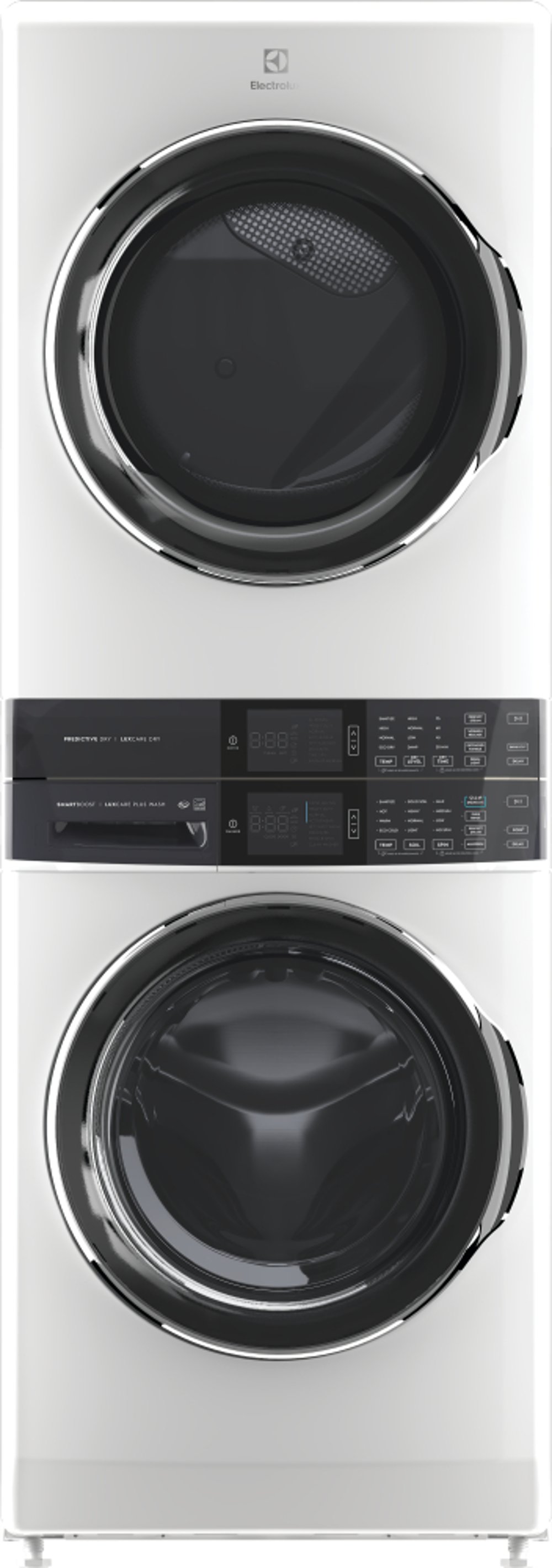
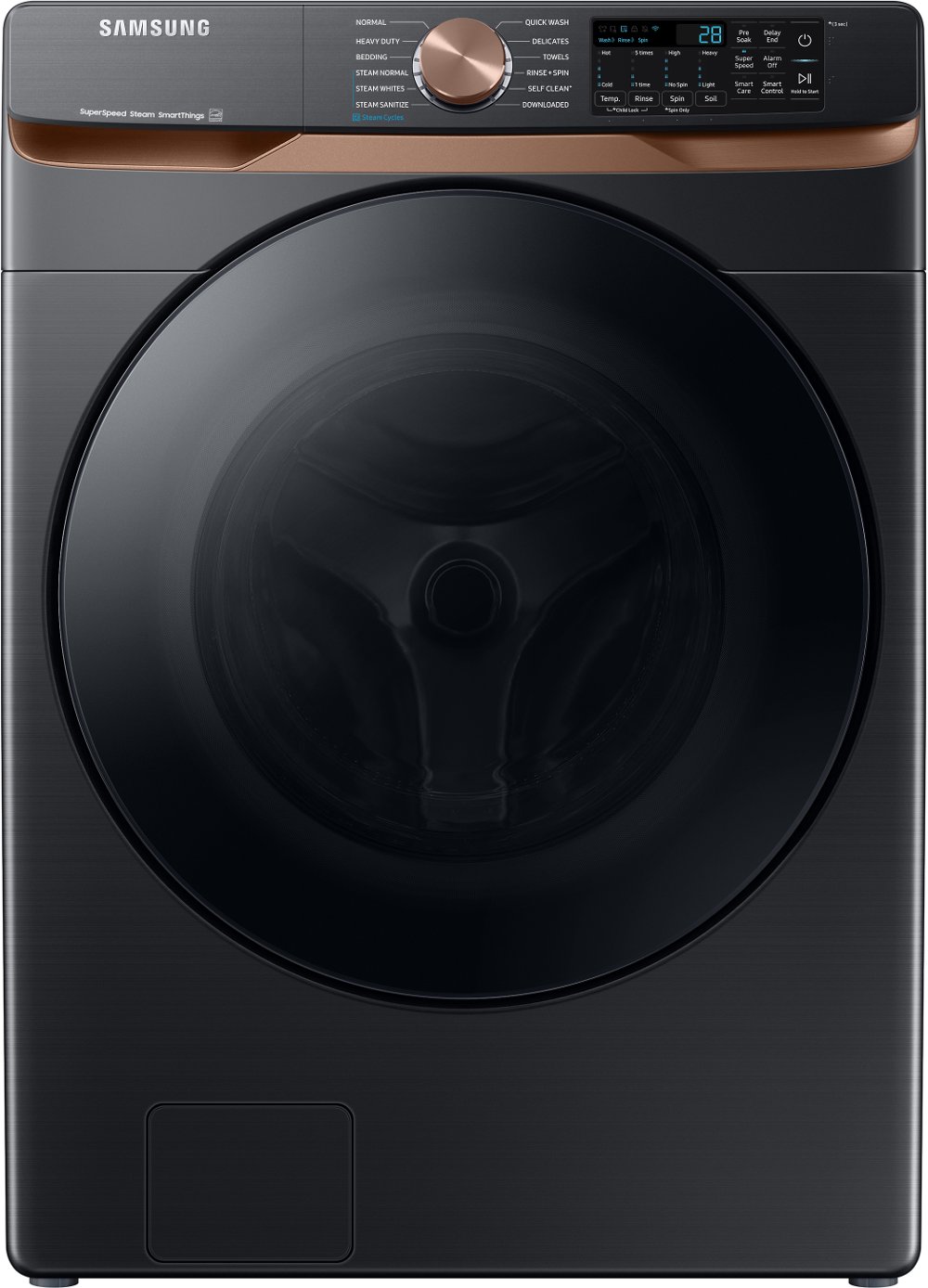
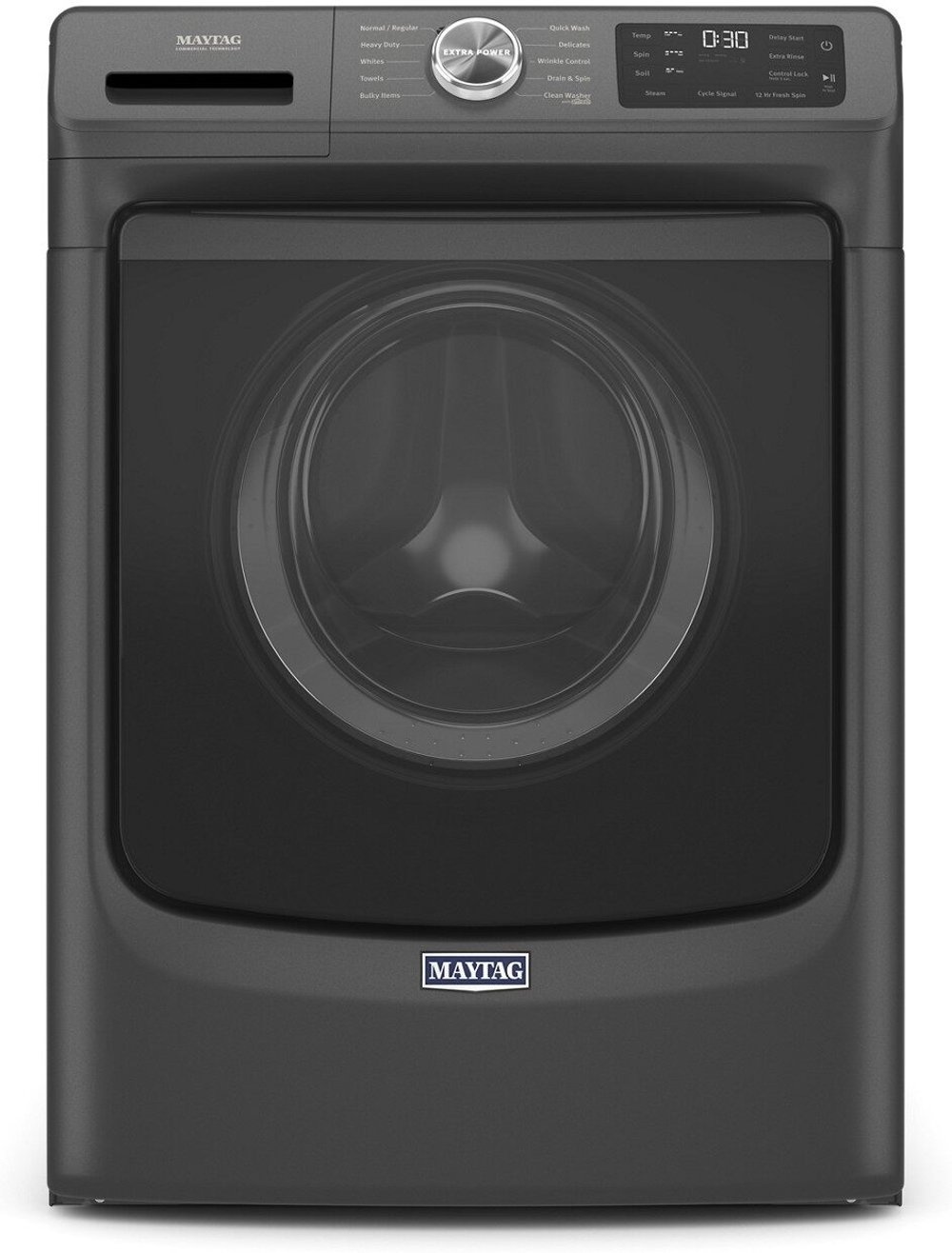
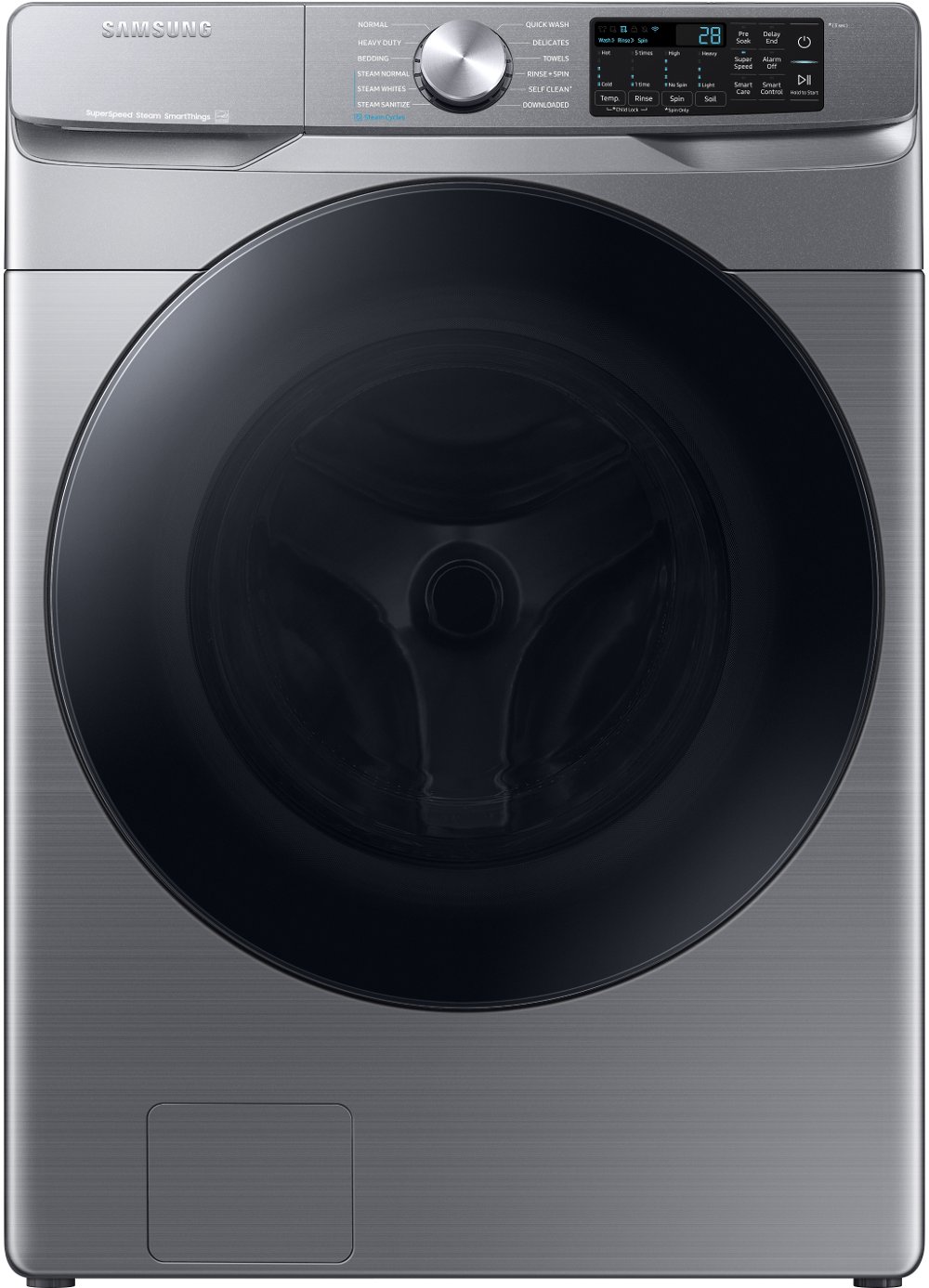
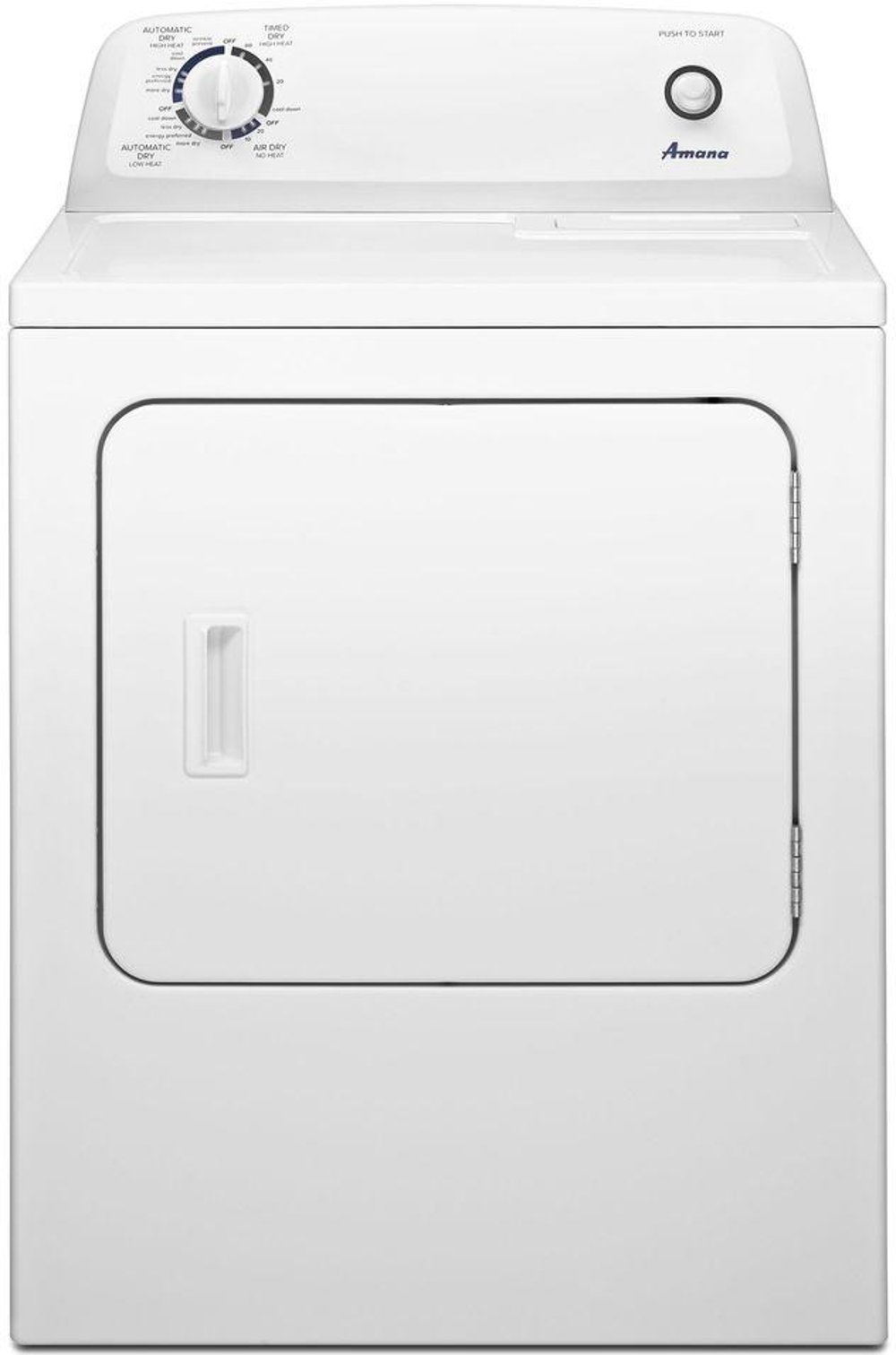
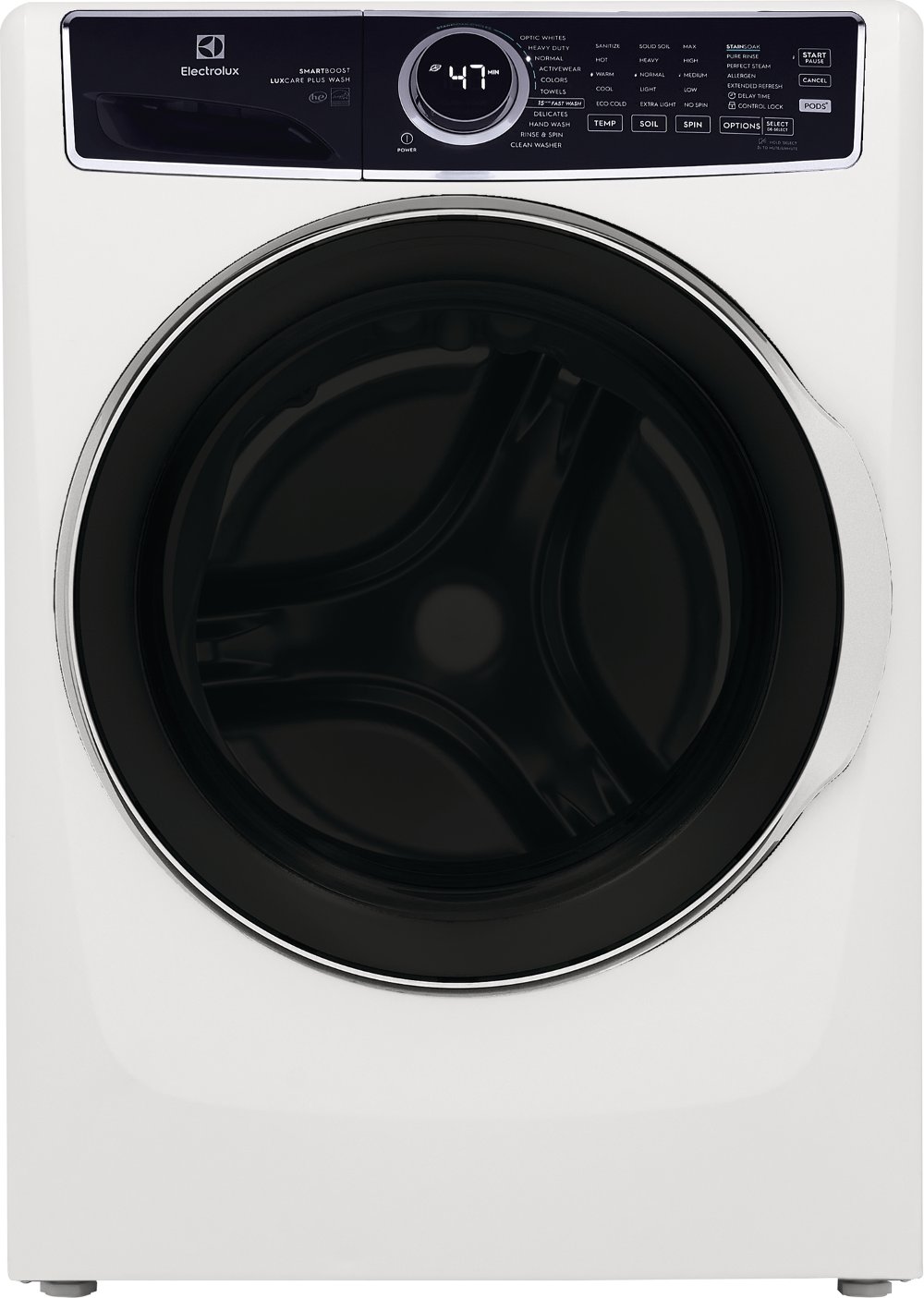
Reversible door washers are washing machines with doors that can be configured to open from either side, helping the appliance fit the layout of your laundry space. The feature matters most with front-load washers, whose doors swing outward into the room. Most front-load washing machines have a fixed door swing, so a reversible washer door is a feature to confirm in the manufacturer’s specifications, not an assumption to make from the appliance’s appearance. A reversible dryer door also doesn’t mean the matching washer door is reversible; each appliance needs its own check. When the washer supports a change in opening direction, you can arrange the door to swing away from the path between the washer and dryer rather than sit between the two openings. That small difference can make transferring a load of damp towels feel much less awkward. It’s especially useful in a narrow laundry room, a hallway closet, or a space where a cabinet or nearby wall limits access from one side. A parent carrying a basket of school clothes, someone washing bulky bedding, or a person who prefers to load from a seated position may appreciate a clearer approach to the drum. Door direction alone doesn’t establish accessibility, though; opening height, reach, handle design, and room to maneuver matter, too. Reversibility refers to changing the door’s installed hinge direction, not a door that swings both ways during everyday use. Depending on the design, the change may involve the hinge, latch, and additional door components. Manufacturer-approved instructions and any required installation service help protect the door’s alignment, locking function, and watertight seal. A washer described as having a left-opening or right-opening door isn’t necessarily reversible, either. Clear documentation makes it easier to distinguish a genuinely configurable door from a fixed design and choose a washer that suits the way you move through the room.
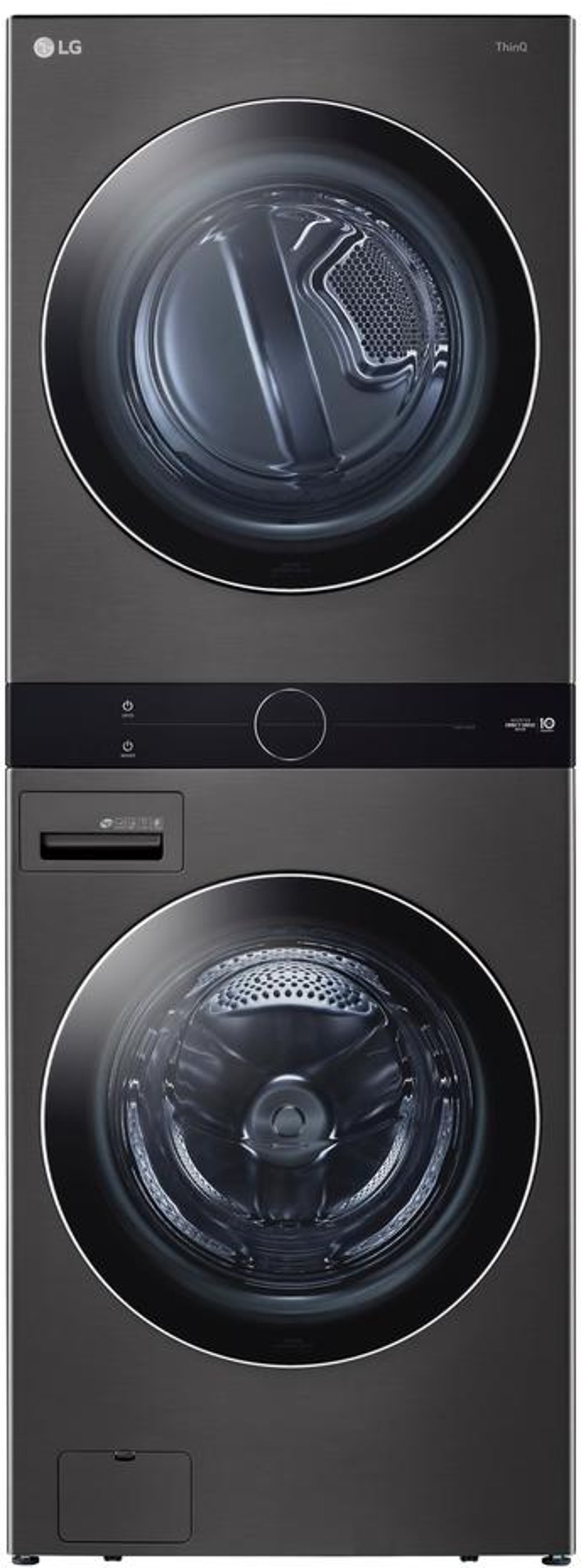
The best fit accounts for the washer’s full working space, not just the width of the cabinet. Appliance dimensions, the open door’s reach, hose connections, and required installation clearances all affect how comfortably a reversible door washer fits into a laundry area. A machine may slide neatly into an alcove yet leave too little room to stand beside an open door or set down a basket. Closet doors, folding counters, cabinet pulls, and nearby entry doors can create additional conflicts. Picture the washer open with a full laundry basket in front of it: the useful layout leaves space to reach the drum without squeezing around the door or blocking the room’s entrance. Side-by-side arrangements benefit when the washer and dryer openings allow a direct transfer, but plumbing, electrical connections, and the dryer’s installation requirements may limit where each appliance belongs. Stacked arrangements call for separate attention to the washer’s door swing, control placement, and the manufacturer-approved stacking kit. A reversible hinge doesn’t make unrelated appliances suitable for stacking. Pedestals can raise the loading opening and reduce bending for some people, while also changing the height of the controls and the space beneath a counter. Beyond placement, drum capacity should reflect the loads your household actually washes. A smaller household may value a compact footprint, while a busy family may need room for frequent loads of bath towels, everyday clothing, and sheets. Bulky comforters need space to move freely, so the washer’s capacity and bedding instructions matter more than whether an item can be pressed through the opening. Cycle choices also deserve attention: delicate fabrics, heavily soiled work clothes, and quick loads of everyday essentials have different care needs. Higher spin speeds can remove more water before drying, but the right setting still depends on the fabric. A level installation on suitable flooring supports steady operation, particularly during extraction, when an uneven load can make vibration more noticeable.
Materials, upkeep, and everyday controls help determine how satisfying a washer remains after the first few loads. Stainless steel drums are common in front-load designs and provide a corrosion-resistant washing surface; a smooth interior also matters for clothing that can catch on rough edges. Door construction, the condition of the flexible gasket, and secure hinge alignment all contribute to dependable operation. Exterior finishes are mainly a matter of appearance and care preferences, whether the washer sits behind closet doors or in a visible utility room. Frequently handled surfaces benefit from gentle cleaning with products approved for the finish rather than abrasive pads that can leave scratches. Inside the machine, correct detergent use is especially important. Washers designed for high-efficiency detergent need the appropriate formula and an amount suited to the load, soil level, and detergent concentration. Extra detergent can leave residue rather than deliver a better clean. Front-load door gaskets also need regular attention because small socks, lint, and moisture can collect in their folds. Checking pockets before washing helps keep coins, hairpins, and other loose objects away from the drum, seal, and drain system. Following the manufacturer’s cleaning cycle, dispenser-care instructions, and filter-maintenance directions supports consistent performance without turning routine care into guesswork. Allowing the interior to dry as directed can help manage moisture, with appropriate precautions to keep children and pets away from an open appliance. Controls should feel equally manageable: clearly marked cycles, readable displays, and settings that match familiar laundry habits often matter more than a long list of extras. Connected features may suit someone who wants cycle notifications, while straightforward controls may be a better match for a shared household. For a broader comparison of washing machine styles, capacities, and everyday features, explore Appliance Washers. A reversible door is one part of that comparison, but it can be an important one when the right opening direction gives you easier access, a smoother transfer to the dryer, and more comfortable use of the space you already have.
Read More