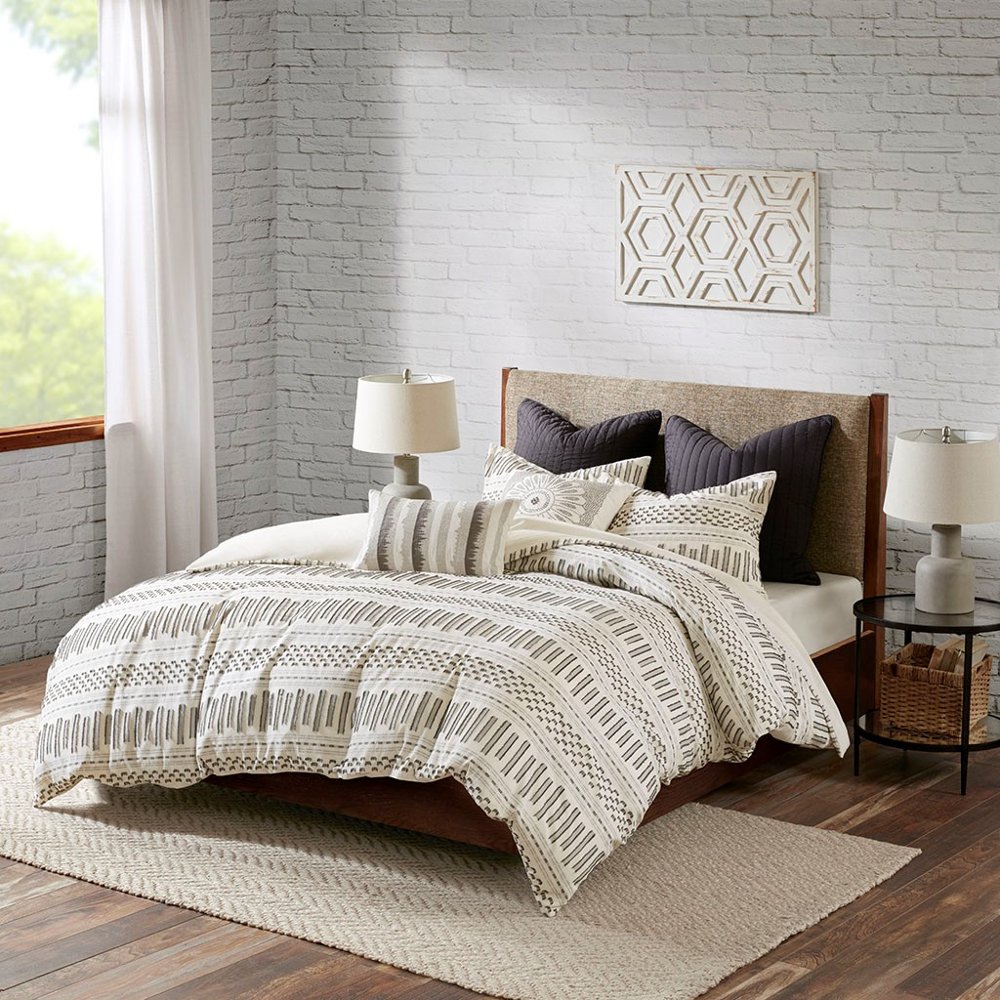
A room makeover can change the way your home feels without requiring a complete renovation. The right combination of furniture, lighting, window treatments, rugs, wall accents, and storage can make a room more comfortable, useful, and personal. Begin by thinking about how the space needs to work each day. A living room may need to welcome guests, support family movie nights, and offer a comfortable place to read during the cooler months. A bedroom may need to feel calm at the end of a busy day while also providing practical storage for clothing, bedding, and everyday essentials. A home office, guest room, dining area, or child’s room can benefit from the same thoughtful approach. Before choosing anything, measure the room, note the locations of doors and windows, and consider walking paths, outlet placement, ceiling height, and natural light. A simple layout sketch can help you see whether a larger seating arrangement will leave enough space to move comfortably or whether a narrower storage piece will make better use of an empty wall. Clearing away clutter first also makes it easier to recognize what the room truly needs. You may discover that one well-sized piece, a warmer light source, or a more organized surface creates a bigger improvement than filling every corner. Color and texture help establish the mood, too. Soft neutrals can make a compact room feel open, while richer tones, patterned accents, and layered materials can give a larger space a welcoming sense of depth. When the days grow shorter, a mix of overhead illumination and lower, softer lighting can make the room feel inviting from morning through evening. A rug can visually anchor furniture and add warmth beneath your feet, while curtains or shades can filter bright daylight, support privacy, and frame the windows. For additional inspiration as you compare styles and room layouts, explore Room Decoration Ideas.
Choosing pieces for a room makeover is easier when appearance and everyday performance receive equal attention. Check dimensions carefully, including the depth and height of each item, and compare them with the room’s proportions rather than relying on a product photo alone. Consider how many people use the space, whether children or pets will share it, and how much maintenance feels realistic for your household. A busy family room may call for durable, easy-care materials and surfaces that keep books, remotes, blankets, or games close at hand. A guest space may benefit from flexible furnishings, comfortable lighting, and a welcoming arrangement that gives visitors room to unpack and settle in. If you’re refreshing a nursery, bedroom, or teen retreat, look for choices that support changing needs as the occupant grows. In a dining area, make sure seating leaves enough clearance for people to pull out chairs and move around the table. In an entryway, storage can help contain shoes, bags, and seasonal layers before they spread through the home. Scale matters just as much with decorative touches as it does with larger furnishings. A small accent can disappear on a broad wall, while too many oversized pieces can make a compact room feel crowded. Try balancing solid colors with patterns, smooth finishes with woven textures, and open display areas with closed storage. Mirrors can reflect light and add visual space, while framed art, greenery, baskets, and trays bring personality without taking over the room. These finishing touches can also make thoughtful gifts for someone moving into a new home, setting up a first apartment, preparing a guest room, or creating a more comfortable space for a student or young family. A useful gift often combines beauty with a practical purpose, such as helping organize a nightstand, brighten a reading corner, soften a floor, or give an empty wall a finished look.
A successful room makeover does not need to happen all at once. Many people begin with the room’s most important function, then build around the piece or arrangement that supports it best. In a living area, that may mean establishing a comfortable conversation zone before adding tables, lighting, and wall décor. In a bedroom, it may mean creating a restful layout first, then adding storage and accents that keep daily routines smooth. For a work area, prioritize an arrangement that supports focus, keeps supplies within reach, and allows enough room to sit comfortably for extended periods. If the space feels plain after the main furnishings are in place, layers can bring it to life: a rug underfoot, curtains at the windows, warm illumination at different heights, art on the walls, and a few personal objects that tell your story. Leave breathing room between pieces so the room feels intentional rather than overfilled. As temperatures shift from mild fall days into cooler winter weather, flexible comfort becomes especially valuable. Extra throws, softer textures, practical storage, and inviting light can help a room support quiet mornings, family gatherings, and relaxed evenings indoors. The best choices are the ones that fit your home, your routines, and your budget—not simply a look that happened to catch your eye. Whether you’re making a subtle update or giving an entire room a fresh direction, thoughtfully selected furnishings and décor can help you create a space that feels more organized, more comfortable, and unmistakably yours.
Read More