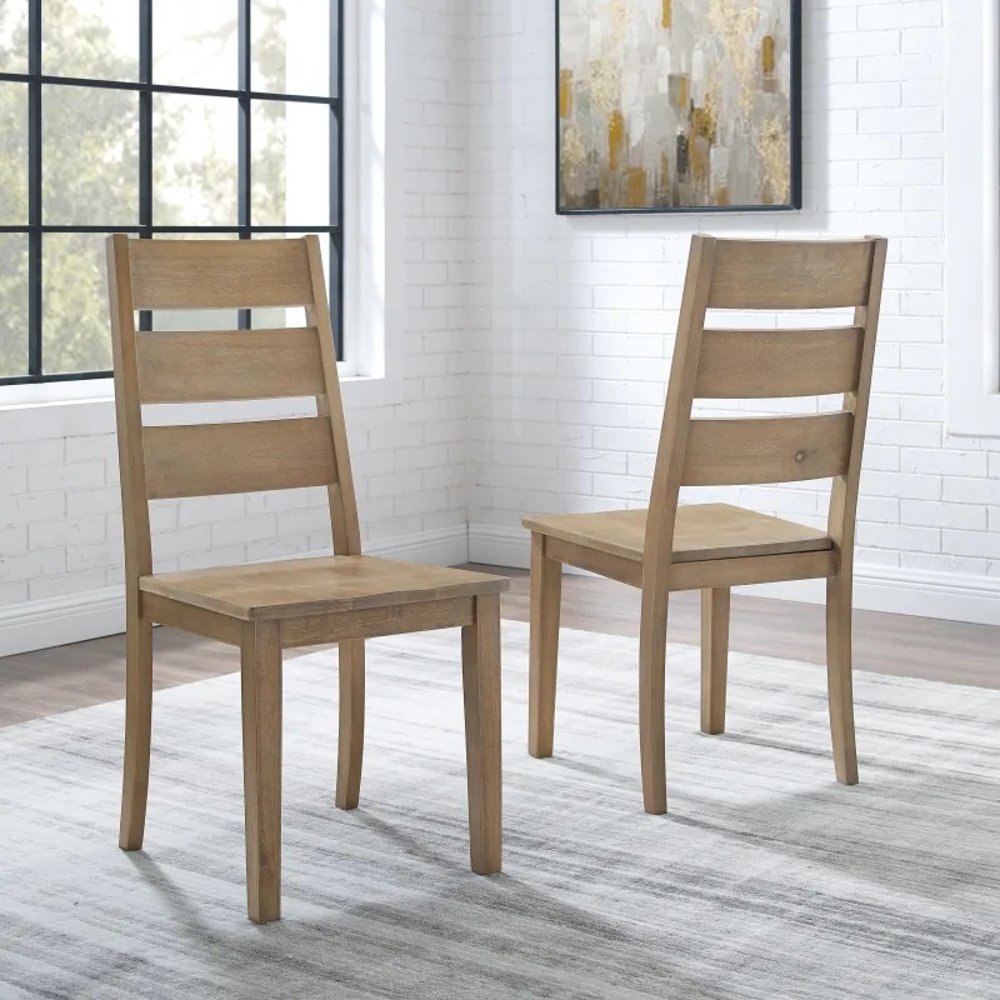
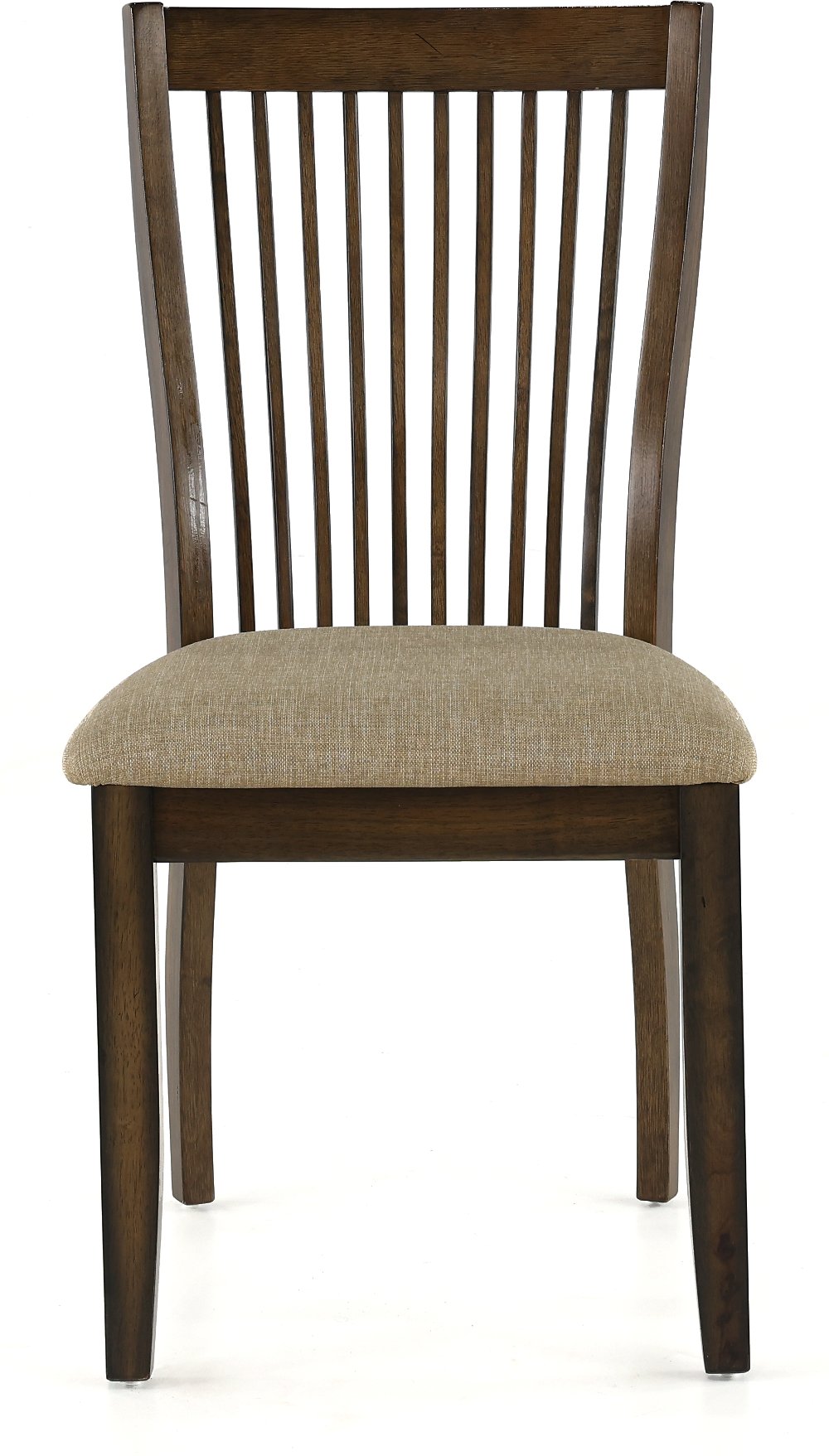
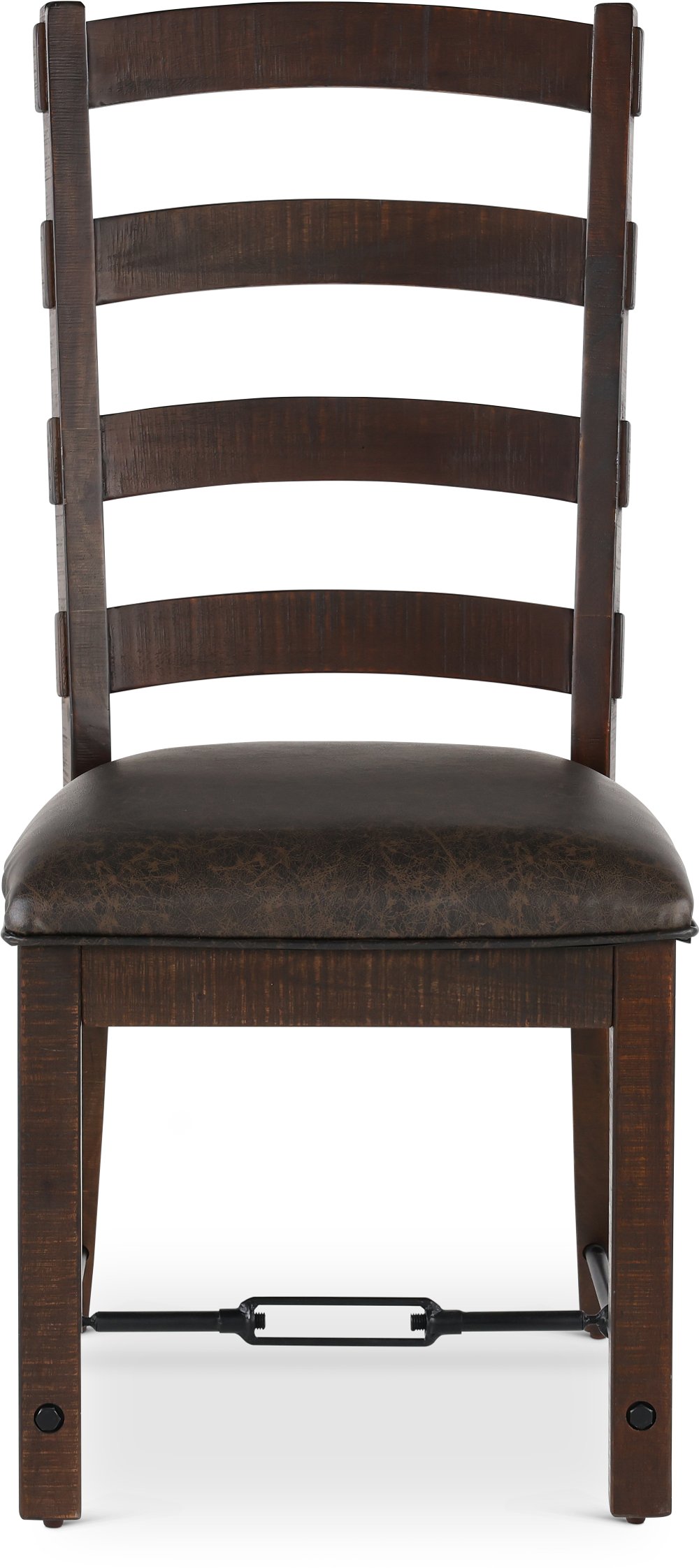
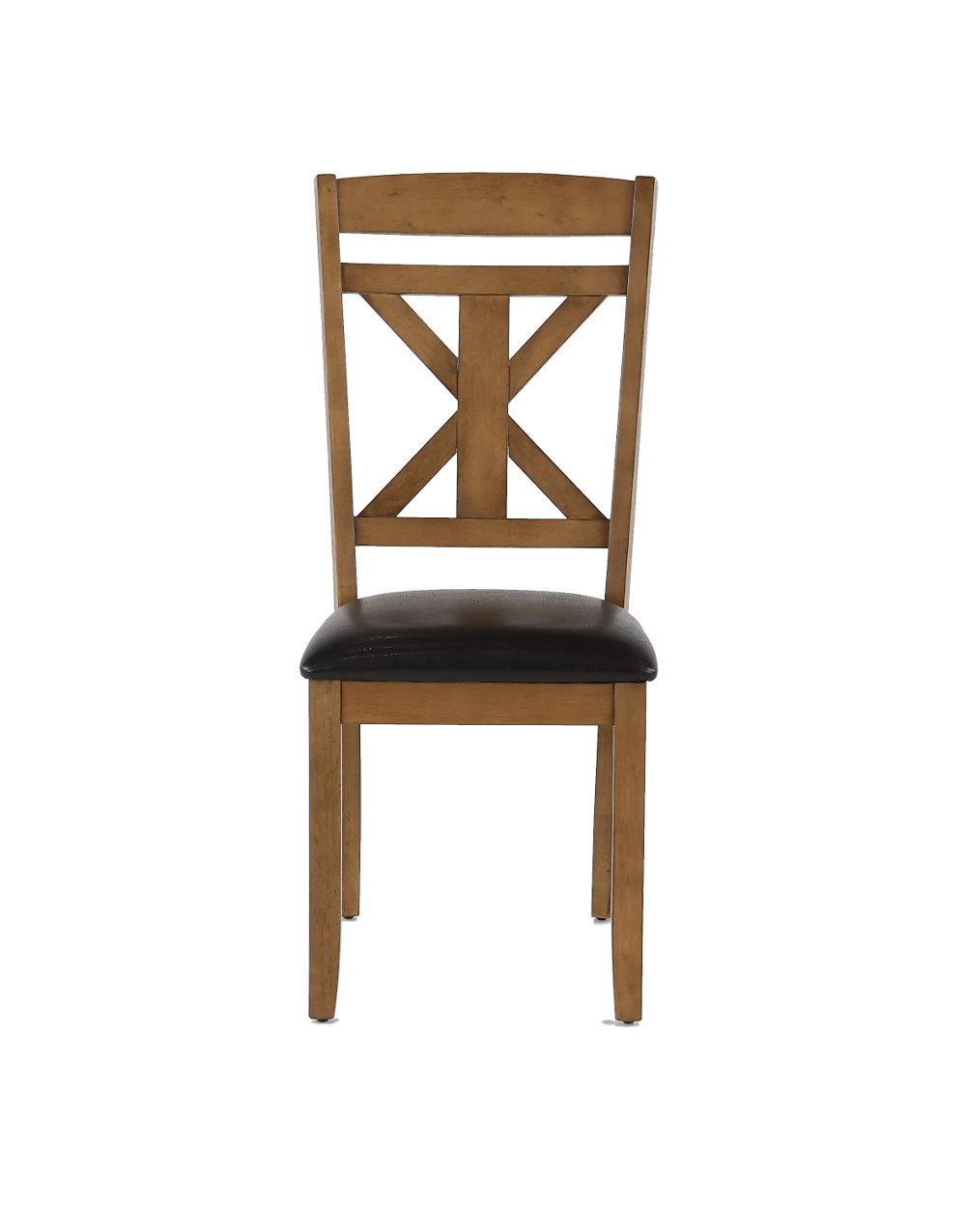
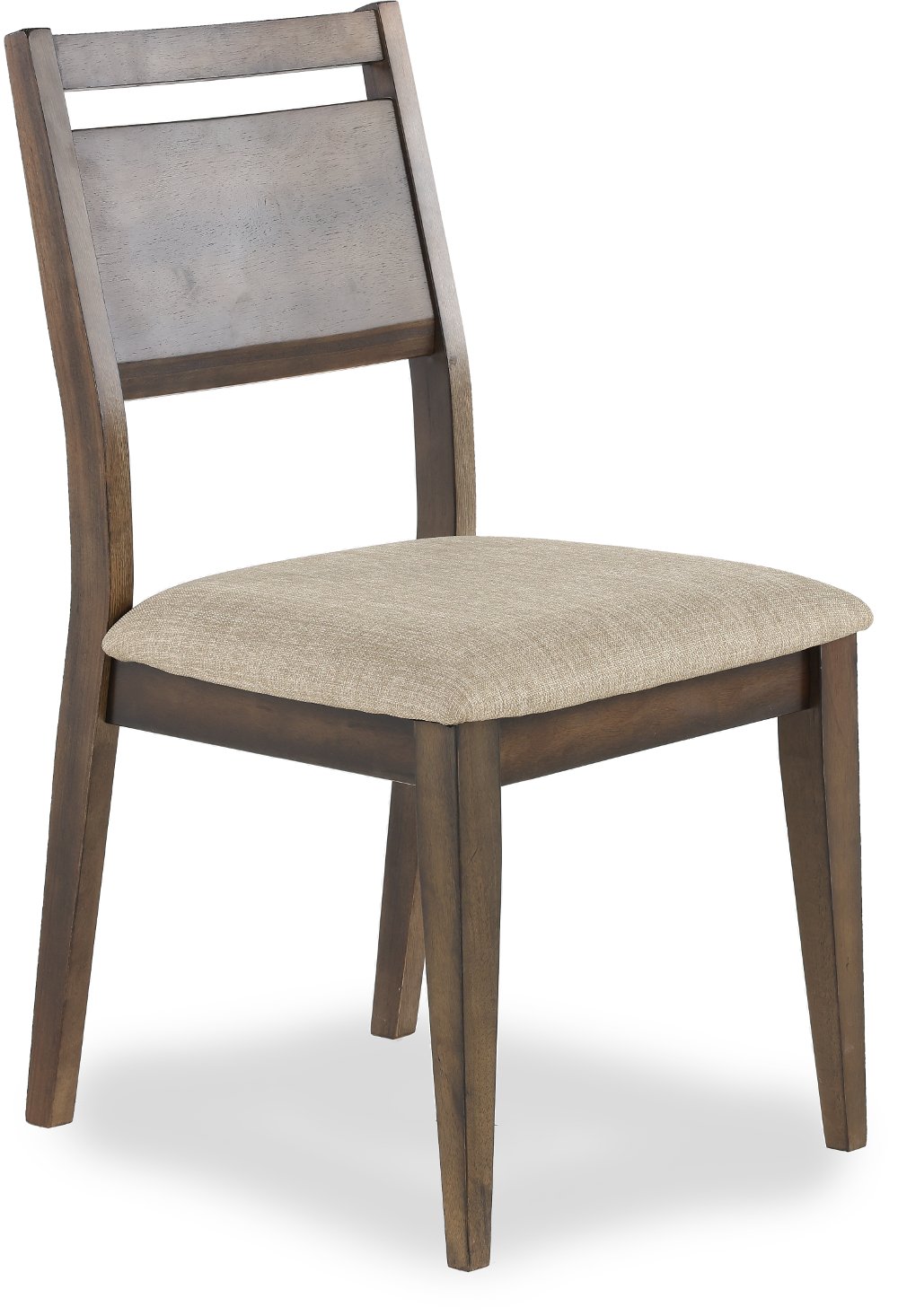
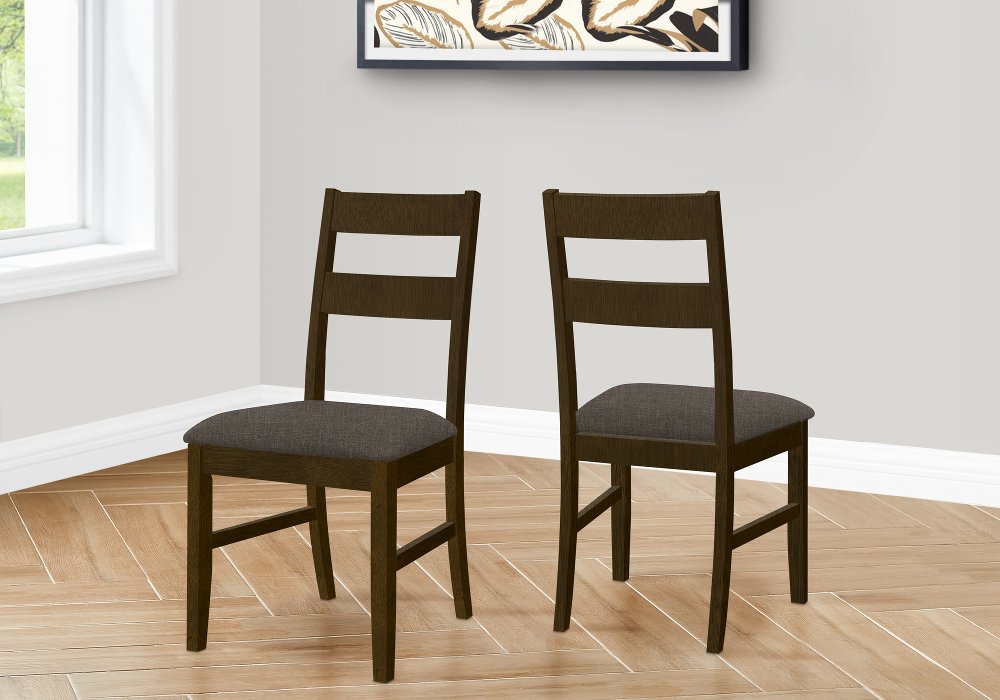
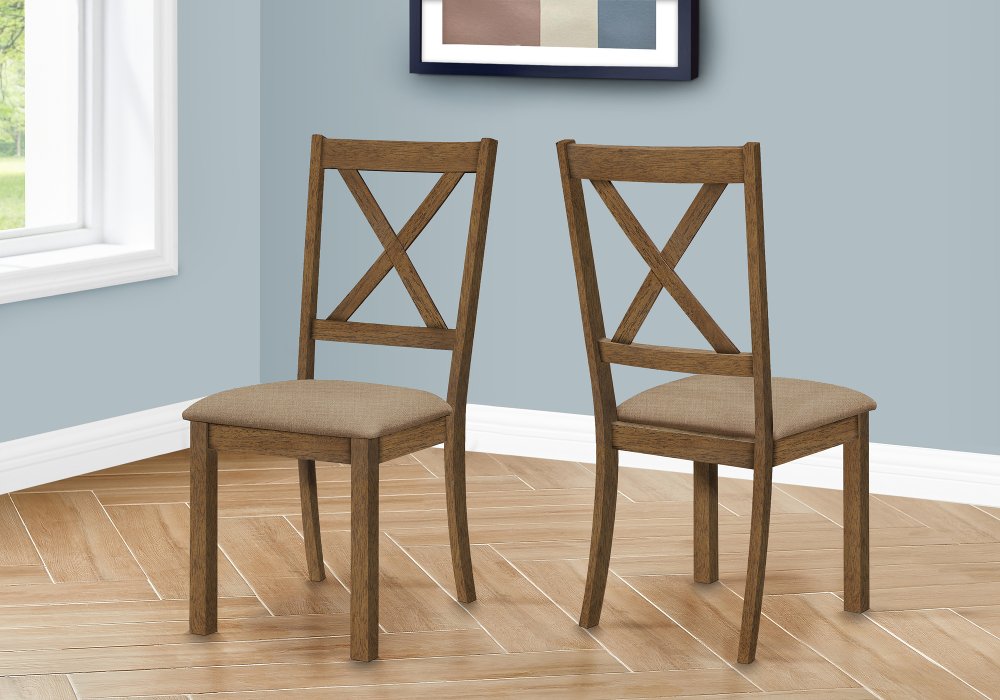
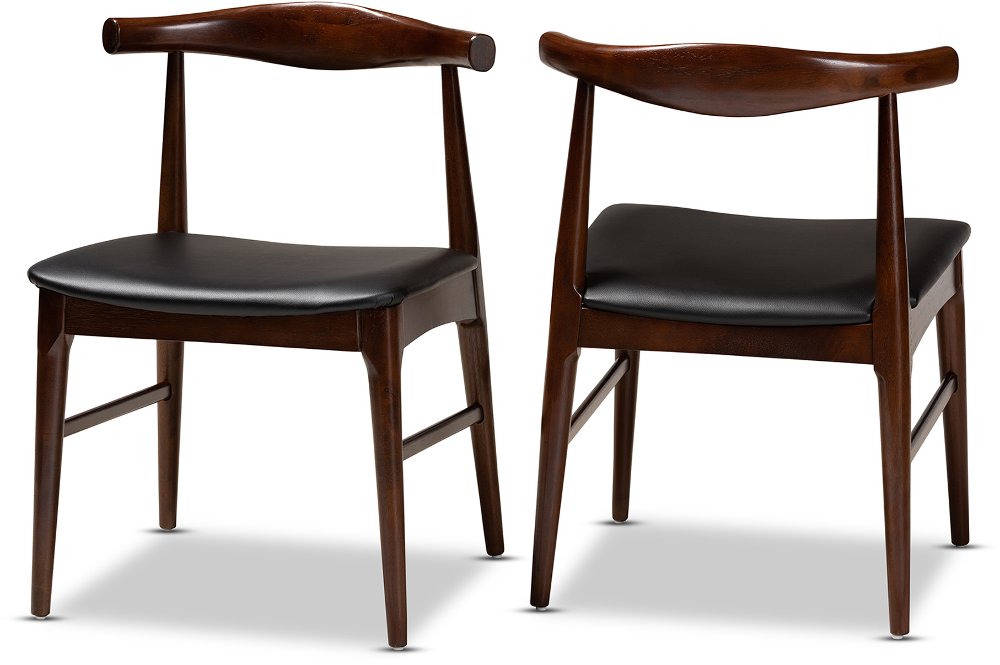
Rustic brown dining chairs bring a grounded, welcoming feel to the place where meals turn into conversations. Their appeal comes from the details: visible wood grain, warm brown finishes, gently worn edges, and shapes that feel comfortable rather than formal. Around a dining table, those elements can soften a room with crisp white walls, complement a patterned rug, or add depth beside a simple linen tablecloth. Rustic style has plenty of range, so the look doesn’t have to mean a cabin-inspired room. A ladder-back chair with a honey-brown finish can feel at home in a farmhouse kitchen, while a deep brown seat paired with dark metal legs can lean more industrial. Straight lines and subtle distressing offer a quieter take that works well with contemporary furniture. Brown finishes vary, too, from golden and reddish undertones to muted shades with hints of gray. That variation matters when chairs sit next to an existing table or wood floor. Finishes don’t need to match exactly, but a shared undertone helps the combination feel intentional. A darker chair can give a pale wood table definition, while a medium brown finish can bridge the difference between light cabinetry and a darker dining surface. For a broader look at wood-focused styles, brown wooden dining chairs offer another way to explore the relationship between finish, grain, and shape. The most natural-looking dining spaces often include a little contrast rather than identical wood tones throughout. Upholstered seats, woven textures, and curved backs can keep a grouping from feeling too heavy, especially around a substantial table. Whether the setting is a breakfast nook, an apartment dining corner, or a separate room used for shared meals, rustic brown seating gives the space a sense of warmth without requiring every piece of furniture to follow the same style.
Materials and construction influence how rustic brown dining chairs look, feel, and hold up to daily routines. Solid wood can show distinctive grain patterns and natural color variation, while veneer over an engineered wood core can provide a real-wood surface with a more consistent appearance. Neither description tells the whole durability story; secure joints, sound construction, a protective finish, and proper use all matter. A distressed finish may make small signs of wear less noticeable, but it doesn’t make a chair scratchproof or eliminate the need for care. Brushed surfaces and deliberately uneven coloring can add character, although deeper grooves may take a little more attention when crumbs settle into them. Smooth finished seats are often convenient for households where the dining table handles breakfast, homework, and an occasional craft project. Upholstered seats offer a softer place to linger over dinner, with care needs that depend on the covering. Textured fabric can add softness to a wood-heavy room, while leather and leather-look upholstery each have their own cleaning requirements. Removable cushions offer another way to adjust comfort, provided they fit securely and don’t slide during use. Comfort also depends on the backrest angle, the shape of the seat, and whether the front edge presses against the backs of the legs. A gently contoured wood seat may feel more supportive than a flat one, even without padding. Arms provide a place to rest elbows, but armless chairs generally make it easier to move sideways into a close seating arrangement. For a dining area that doubles as a place to work on a laptop or finish a puzzle, those differences become more noticeable over a longer stretch of sitting. Chair weight deserves attention as well. A substantial frame may feel reassuring, yet a lighter chair can be easier to pull out, reposition, and move for cleaning. The right balance depends on who uses the seating and how often it moves, not simply on how heavy the chair feels.
A good fit makes rustic dining seating easier to enjoy, particularly when chairs need to work with a table that’s already part of the home. Many standard-height dining tables pair with seats roughly 17 to 19 inches high, but the actual measurements matter more than the category name. About 10 to 12 inches between the top of the seat and the underside of the tabletop is a common starting point for comfortable legroom. A low apron beneath the table can reduce that space, and chair arms may need additional clearance to tuck underneath. Counter-height tables require taller seating, so checking both table and seat height helps avoid an awkward pairing. Width matters just as much. Allowing roughly 24 inches of table edge per person is a useful starting point, with more room for broad chairs or seating with arms. Table legs and trestle bases can interrupt that space, making their placement worth checking before settling on a chair arrangement. Behind the seats, leave enough room to pull a chair out and stand comfortably; a walkway behind seated diners needs additional clearance. In a small nook, open backs and slimmer frames can make the arrangement feel less crowded without sacrificing the brown wood character. In a larger dining room, taller backs or upholstered end chairs can give the table a stronger presence. Everyday care helps preserve either look. Dust wood surfaces with a soft cloth, blot spills promptly, and follow the manufacturer’s instructions for cleaners and upholstery care. Excess moisture, abrasive pads, and harsh chemicals can damage finishes, even when the surface is designed to look aged. Felt pads suited to the flooring can reduce scraping, and occasional checks of assembly hardware help keep chairs secure. With thoughtful proportions, supportive seating, and materials that suit the household, rustic brown dining chairs can serve everyone from a couple sharing a compact kitchen table to a busy family gathering for dinner. Their lasting appeal is practical as much as visual: an inviting place to sit, a finish that works with familiar furnishings, and enough character to make the dining area feel personal.
Read More