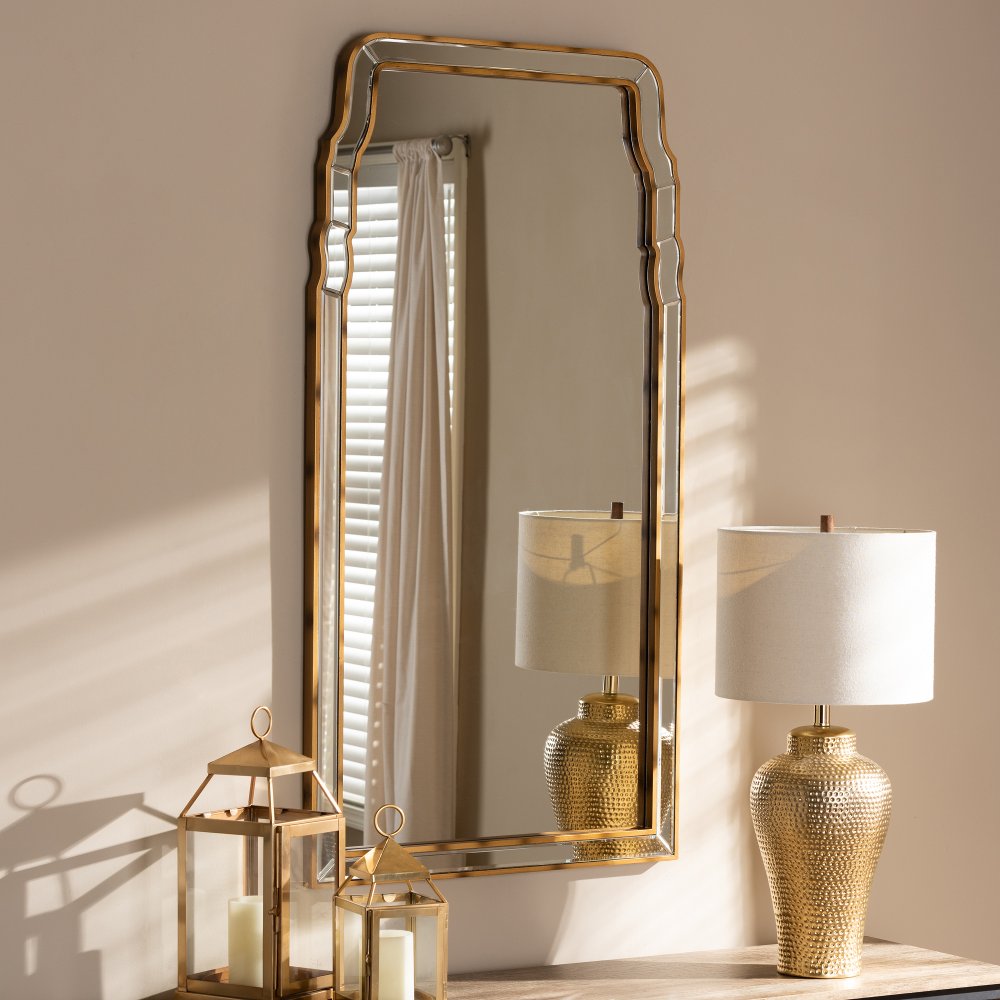
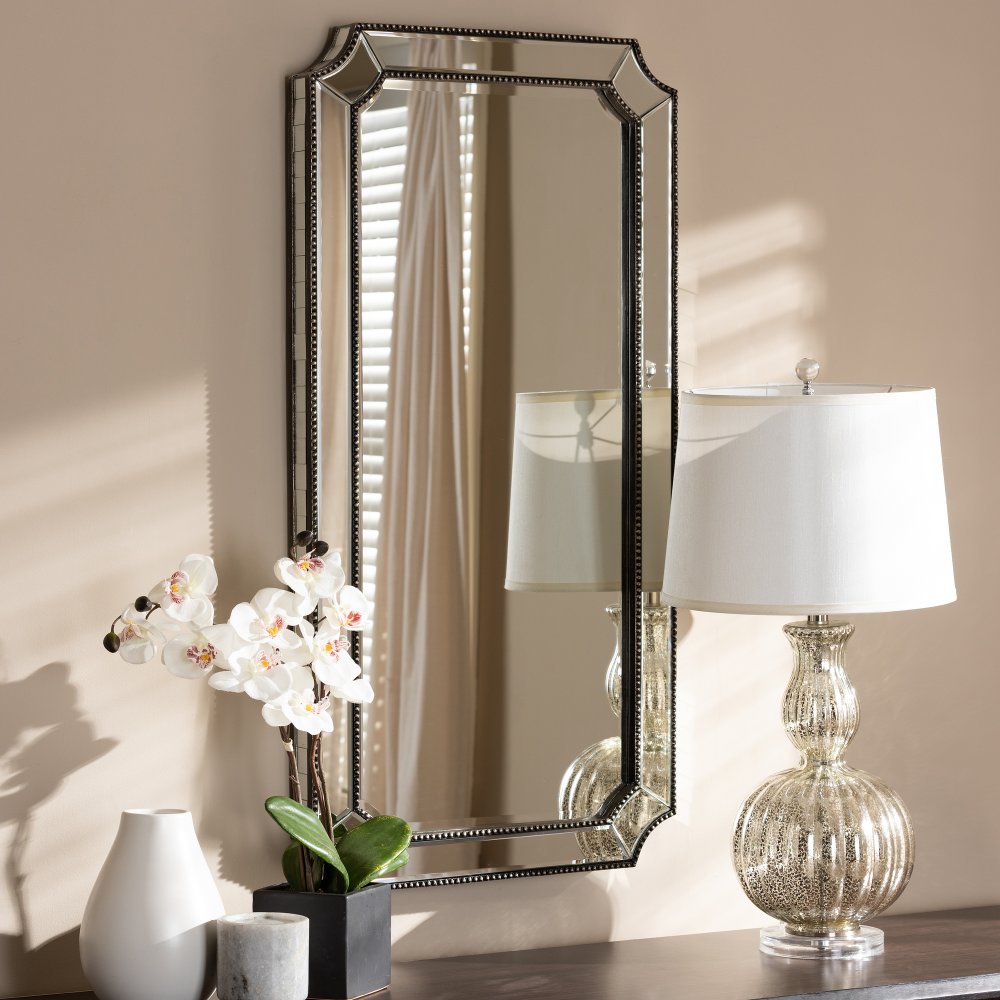
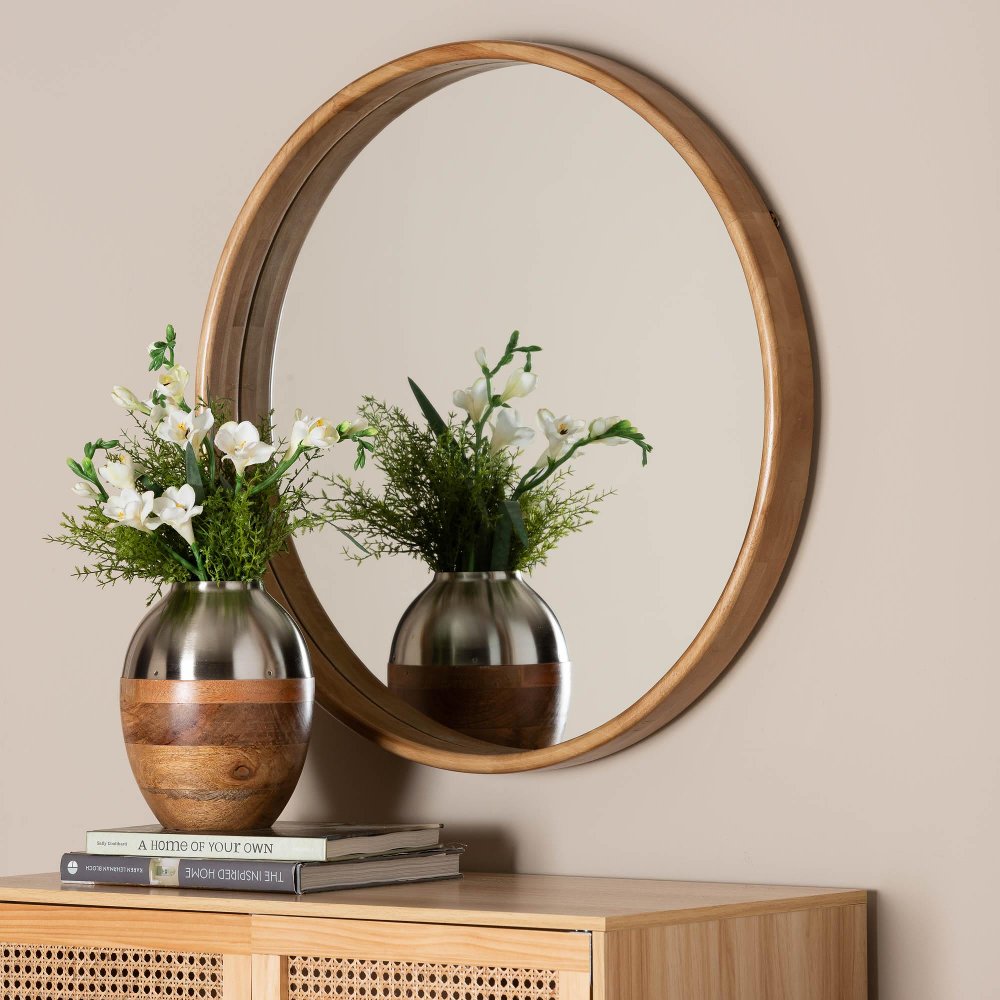
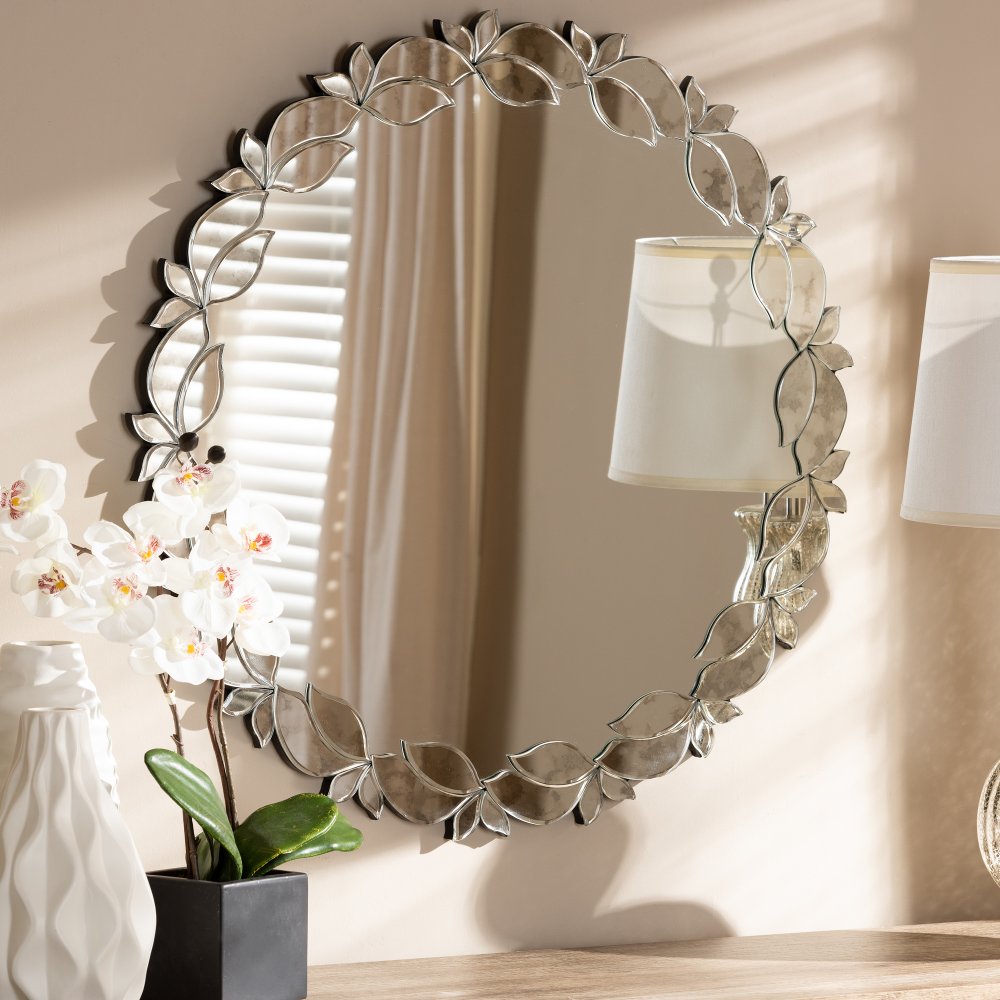
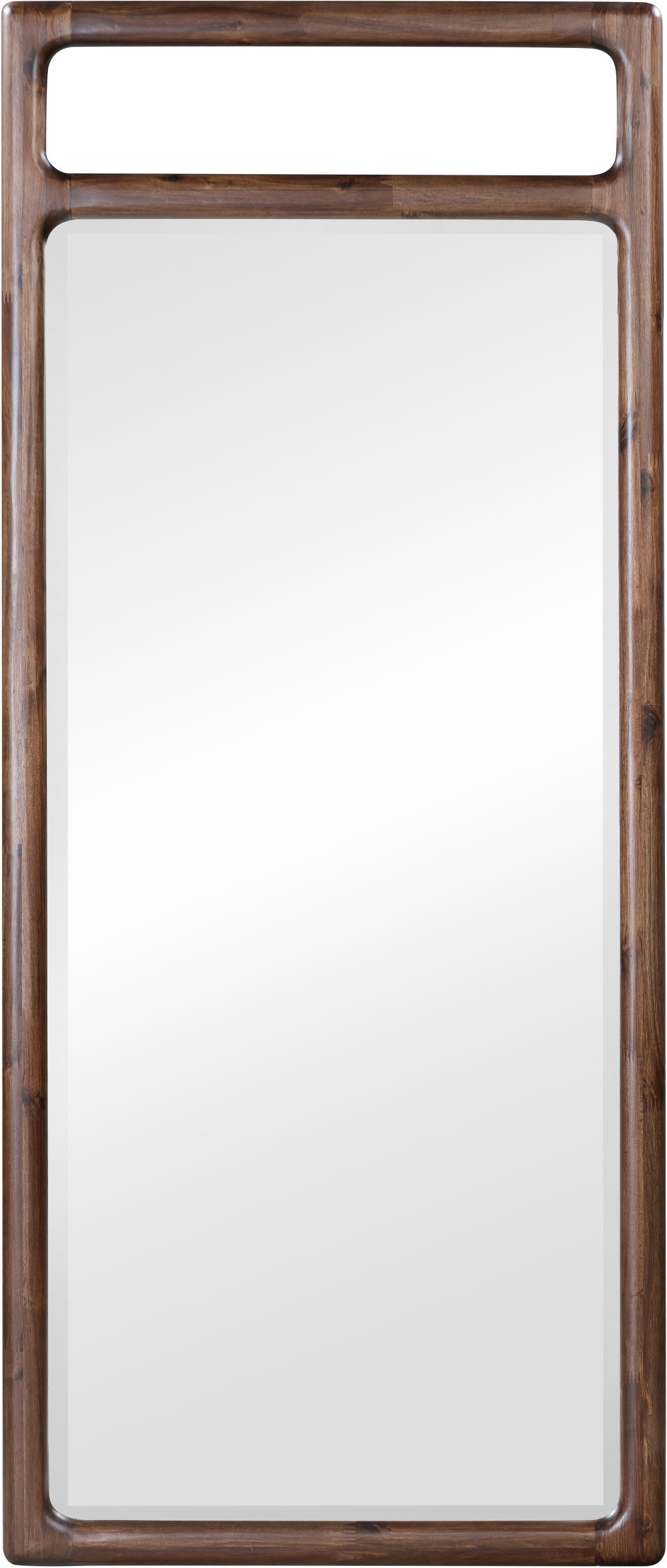
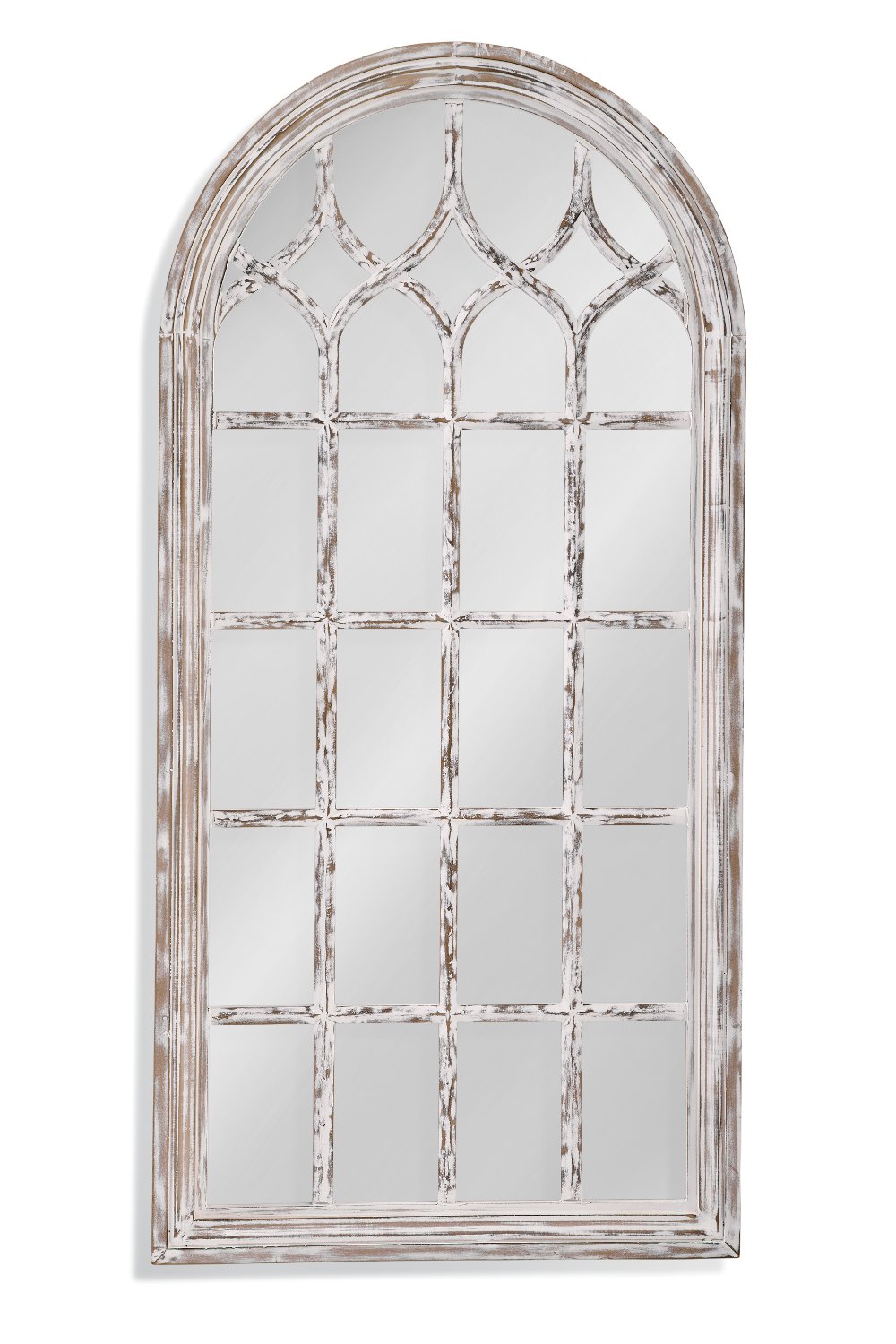
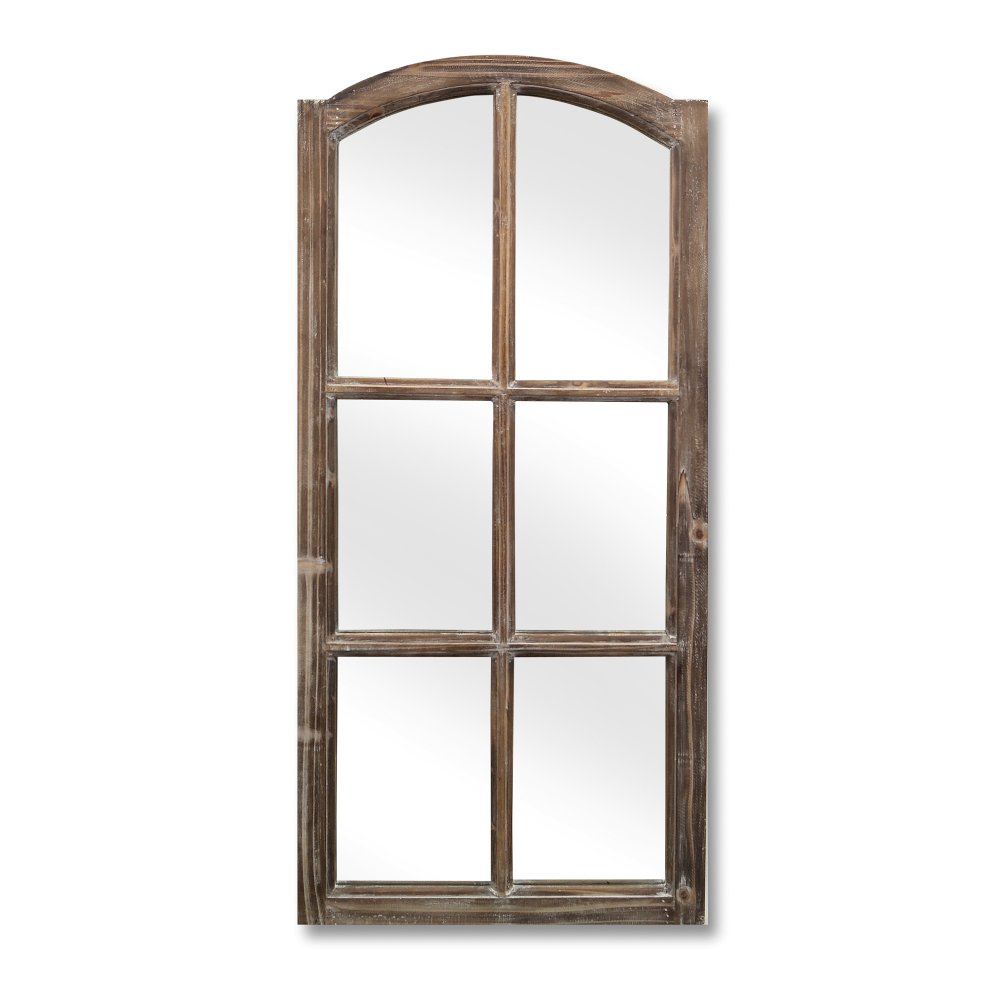
Rustic mirrors bring natural texture and an easygoing sense of character to a room, pairing reflective glass with frames that feel warm, substantial, and comfortably lived in. Visible wood grain, gently worn edges, dark metal accents, and finishes that reveal subtle variations give this style its appeal. The look can lean farmhouse, lodge-inspired, industrial, or quietly traditional, depending on the frame’s shape and detailing. A broad rectangular frame with a weathered finish feels at home above a substantial dresser, while a round mirror with a narrow wood border can soften the straight lines of an entryway console. Arched shapes introduce a little architectural interest without requiring a room full of decorative details. Rustic doesn’t have to mean rough or heavily distressed, either. Smooth wood with a matte finish can offer the same grounded feeling in a cleaner, more understated form. Oak, pine, and other woods each have distinct grain patterns, although the final appearance also depends on staining, brushing, and finishing techniques. Some frames use reclaimed lumber, which may retain old nail holes or other signs of its earlier use; others create a weathered appearance with new materials. Those differences make the construction details worth considering alongside the overall look. Warm brown frames work naturally with cream upholstery, leather seating, and woven baskets, while gray-washed or dark finishes can connect with painted furniture and metal lighting. There’s no need to match every wood tone exactly. A shared undertone or a repeated accent color can help a mirror feel connected to the furniture around it without making the room look overly coordinated. For a living room with a linen sofa and a dark coffee table, a medium-toned wood frame can provide a comfortable visual bridge. In a bedroom, a simpler rustic mirror can balance patterned bedding or a carved headboard. The right frame adds personality while leaving room for the rest of the space to feel like home.
Size and placement shape how a rustic wall mirror feels and functions in everyday life. A mirror above an entryway table offers a convenient place for a quick check before heading out, while its reflection can make a narrow passage feel more open. Above a dresser, a generously sized rectangle creates a practical getting-ready area and gives the furniture below it a clear visual partner. A full-length rustic mirror suits a bedroom or dressing area where seeing an entire outfit matters more than filling an empty patch of wall. In a dining room, a framed mirror can reflect a pendant light, artwork, or the texture of an opposite wall, adding depth without introducing another large piece of furniture. What appears in the glass matters as much as the frame itself: a view of a favorite painting or an uncluttered corner usually feels more intentional than a reflection of cords or a busy countertop. Measurements help translate that idea into a comfortable fit. Consider the mirror’s outside dimensions, not just the glass, because a wide rustic frame can take up a surprising amount of wall space. Above a console or dresser, a mirror that’s narrower than the furniture often creates a balanced arrangement, with enough breathing room at each side. Nearby lamps, doorways, switches, and furniture should also have comfortable clearance. For an entry shared by people of different heights, placement should support an easy view rather than simply lining up with another wall decoration. Frame depth matters in tighter spaces, where a chunky profile may project farther than expected. Installation deserves the same attention as appearance. Larger mirrors can be heavy, and mounting hardware needs to suit both the mirror’s weight and the wall’s construction. Manufacturer instructions should determine the hanging orientation and attachment method, with appropriate anchors or structural support where required. A floor mirror designed to lean still needs its recommended anti-tip attachment, especially in a home with children or pets. Secure placement lets the mirror serve its purpose without becoming an obstacle near a walkway or door.
Materials and finish influence how well a rustic mirror fits the way a household lives. Solid wood offers natural grain variation, while wood veneers over engineered substrates can provide a wood surface with a different underlying construction. Neither description alone tells the whole story; secure frame joints, a stable backing, suitable hanging hardware, and a finish appropriate for the intended room all matter. Metal details can add contrast, from slim dark borders to corner brackets, but decorative hardware shouldn’t be mistaken for a mounting point unless the manufacturer identifies it that way. For anyone drawn specifically to wood-framed styles, decorative wooden wall mirrors offer another way to explore natural grain, frame profiles, and finishes that complement existing furniture. A rustic mirror intended for a dry living area may not be suitable above a bathroom sink, where humidity and splashes can affect wood, backing materials, and reflective coatings. Bathroom placement calls for a mirror specifically suited to those conditions. Everyday care is generally straightforward, though textured frames benefit from a gentle approach. A soft, dry cloth removes loose dust, and a soft brush can reach shallow grooves without scrubbing away the finish. For the glass, apply an appropriate cleaner to a cloth rather than spraying the mirror directly, keeping moisture away from frame joints and edges. Abrasive pads and harsh cleaners can damage both decorative finishes and reflective surfaces. Direct sunlight may gradually change some wood tones, so placement can help preserve the appearance. Rustic distressing adds character, but loose joints, lifting veneer, or damaged glass aren’t part of that decorative effect. With suitable care and secure installation, a well-made mirror can remain a useful part of the room through furniture rearrangements and decorating changes. It can also make a thoughtful housewarming gift when the recipient’s style, available wall space, and installation needs are known—a practical finishing touch that feels personal without taking over the room.
Read More