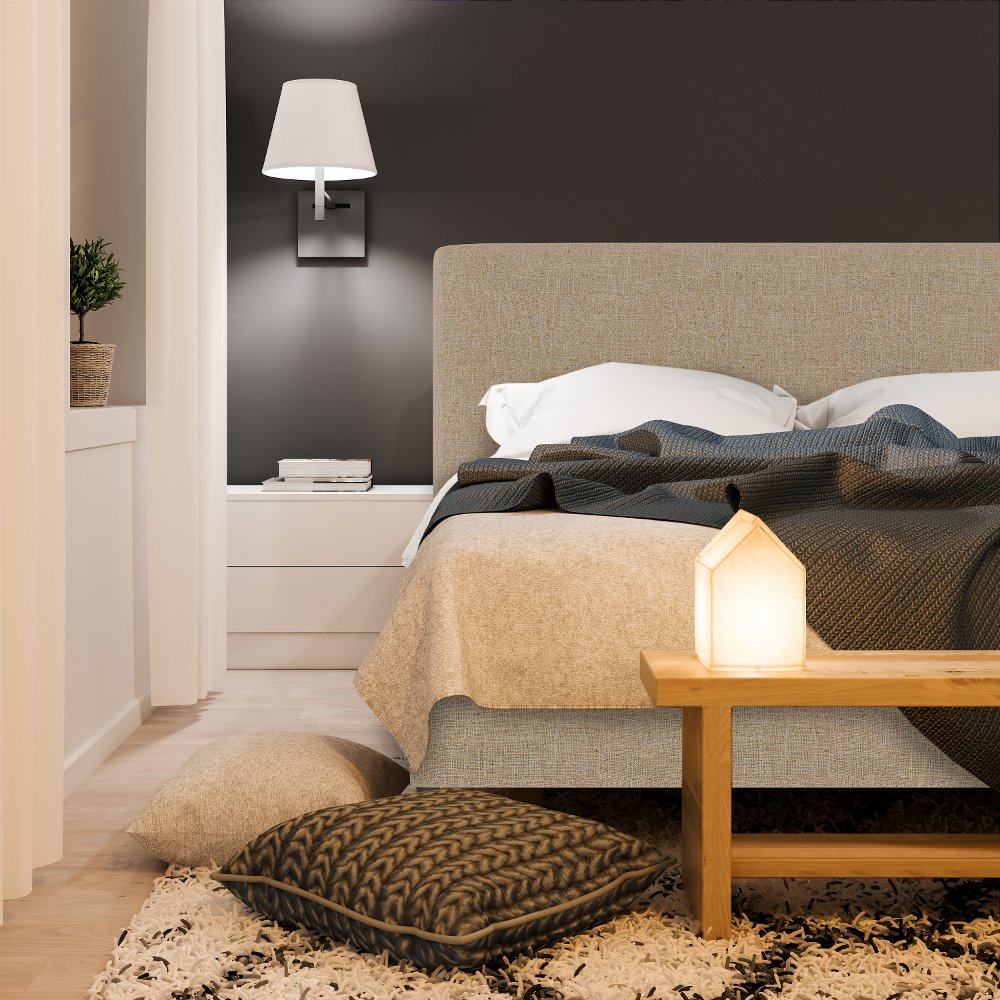
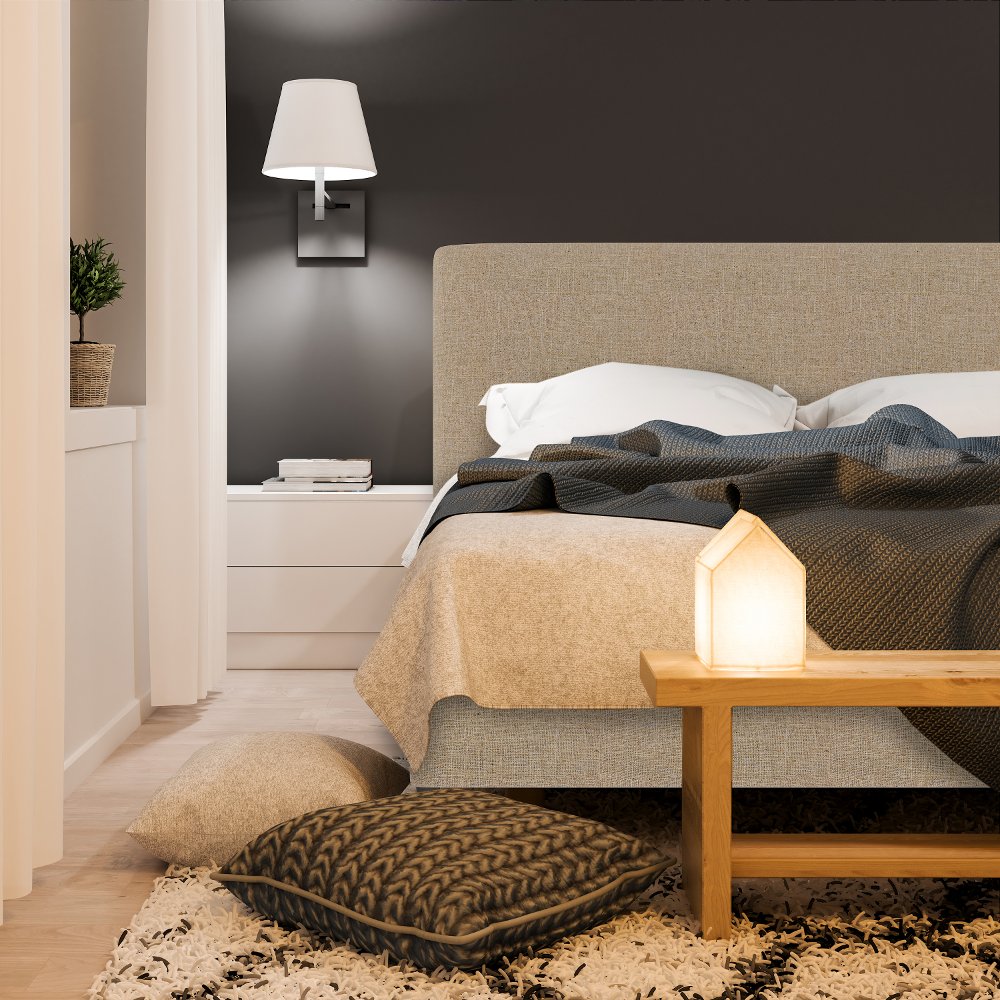
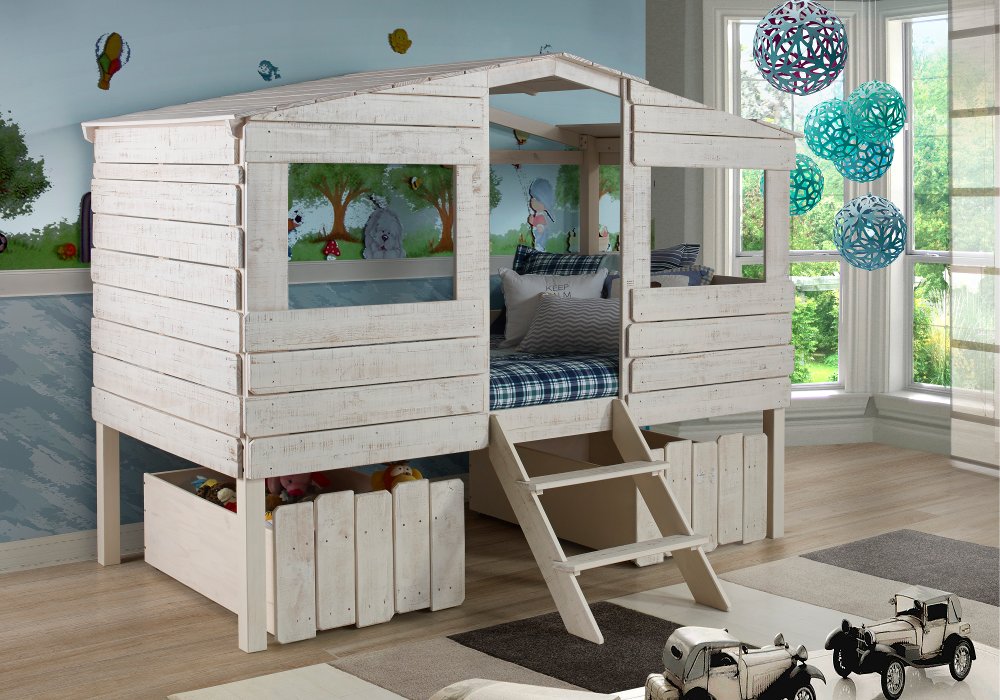
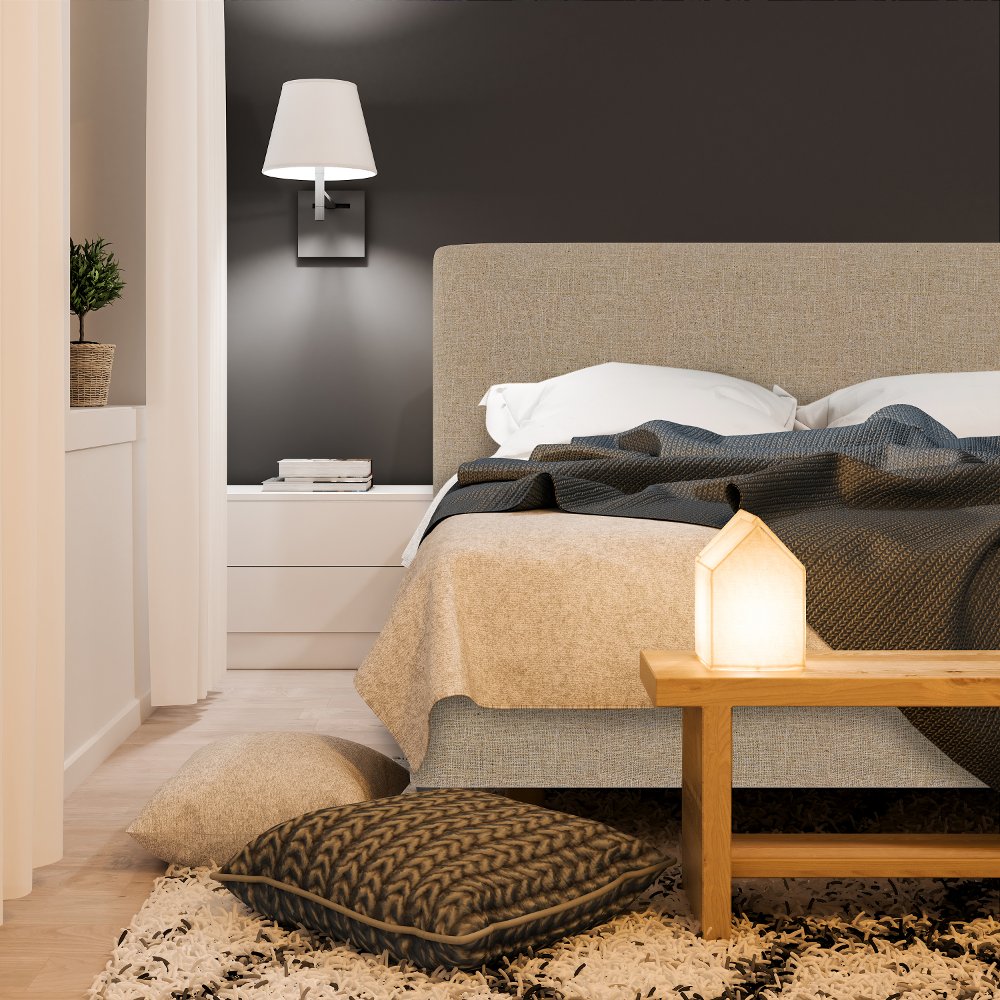
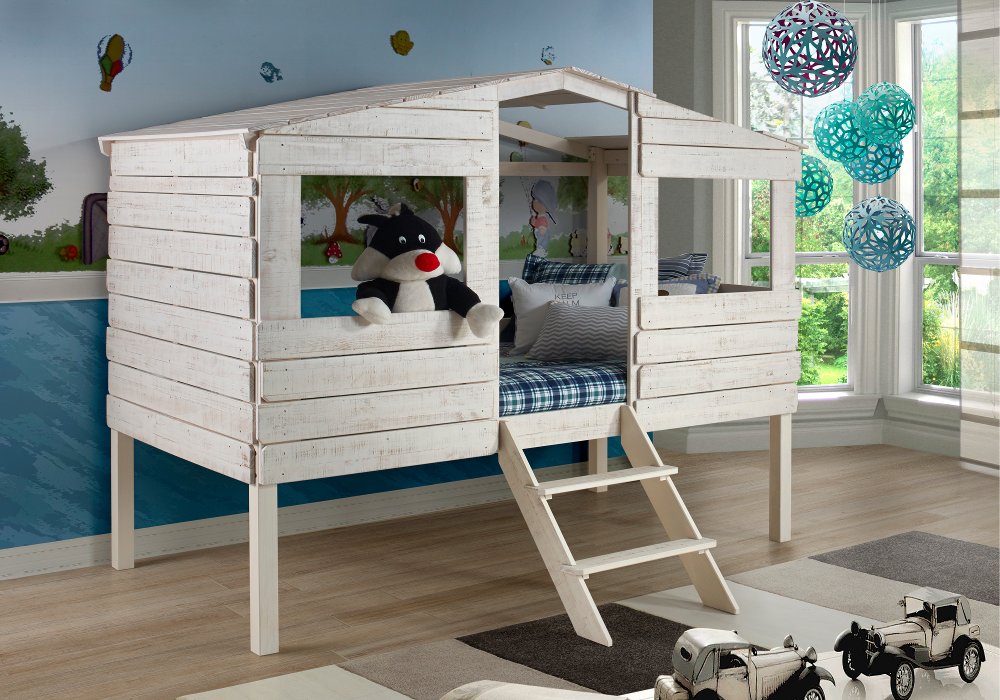
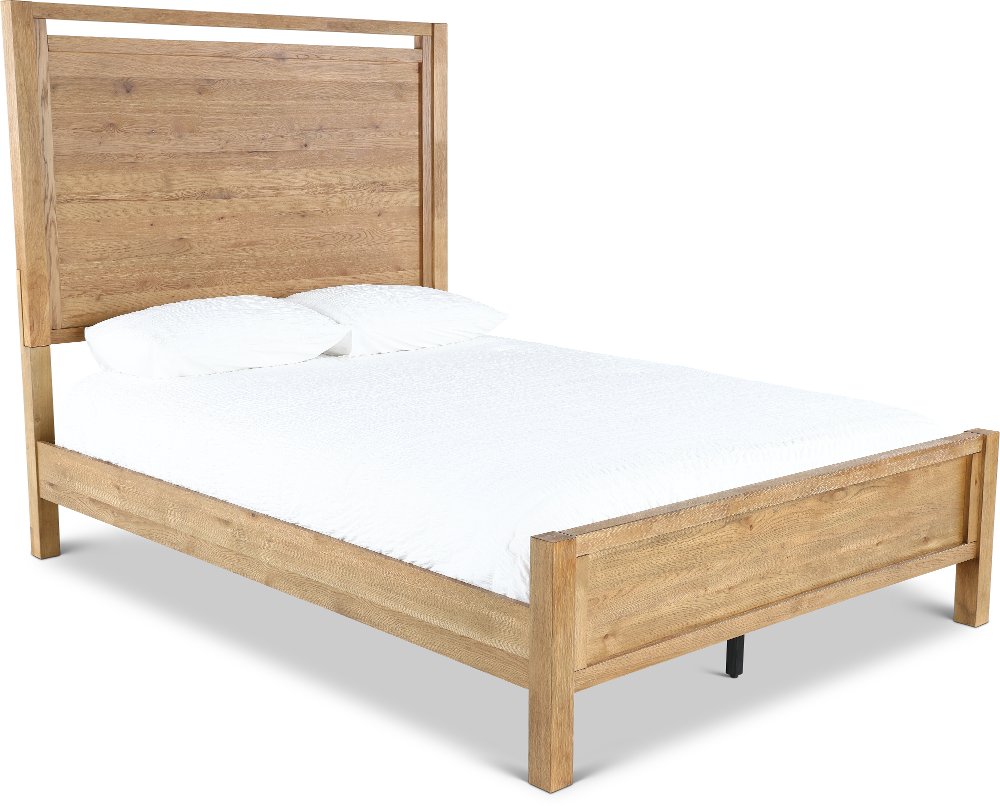
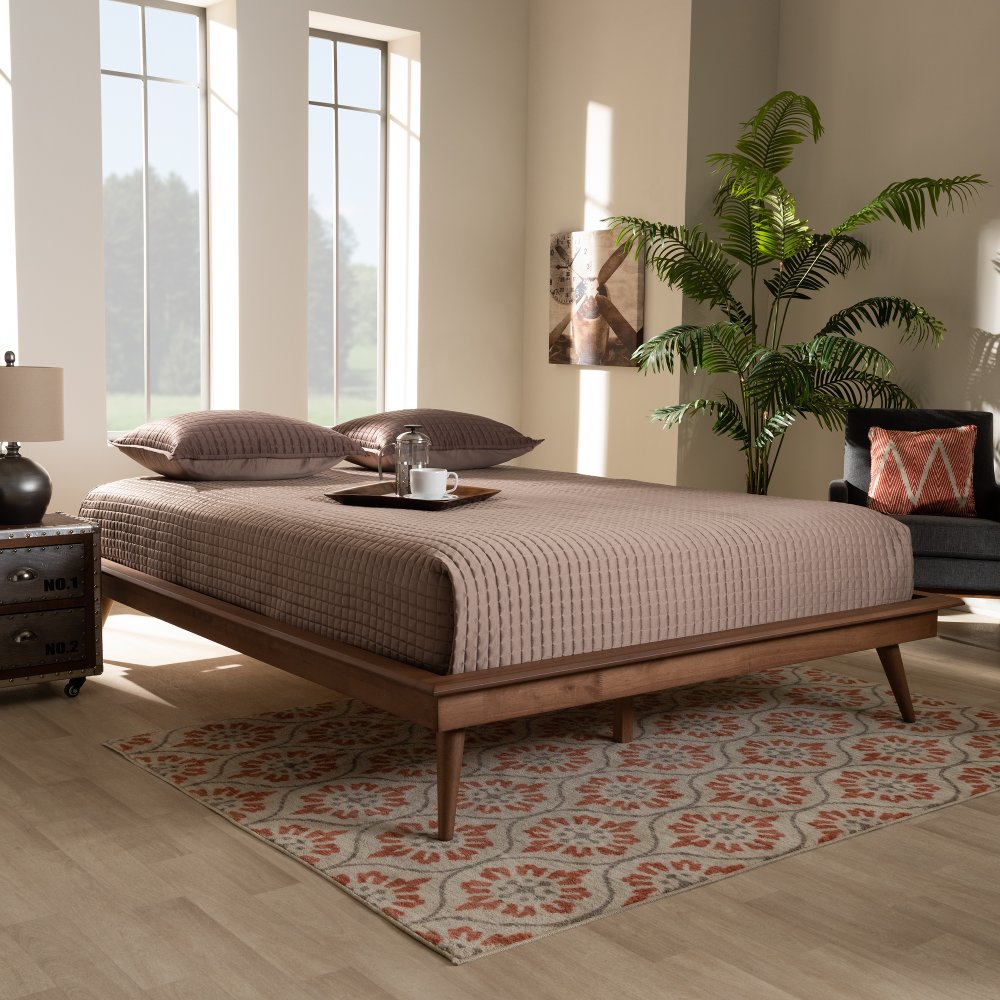
Sand beds bring a soft, grounded look to the bedroom, pairing the easy warmth of a sandy neutral with the comfort and structure you expect from a well-made bed frame. In home furnishing, “sand” usually describes a light beige, taupe, or warm greige finish that sits between cream and light brown. It has enough color to feel inviting without becoming the main event, which makes it a flexible choice for primary bedrooms, guest rooms, children’s rooms, and shared spaces. Picture a bedroom with morning light across natural-looking bedding, woven accents, and a calm backdrop that feels just as comfortable during the cooler months as it does when the weather warms. Sand-colored beds work especially well when you want a room to feel relaxed and collected, but you don’t want to commit to a bold finish that limits future decorating choices. They can complement crisp white sheets, muted blue blankets, terracotta accents, charcoal details, or natural wood tones. If you’re refreshing more than the bed, a neutral foundation also makes it easier to coordinate with other furniture finishes, including the clean, practical look of Laminate Beds. The result can be casual and comfortable, tailored and polished, or somewhere in between depending on the bedding and accessories you choose.
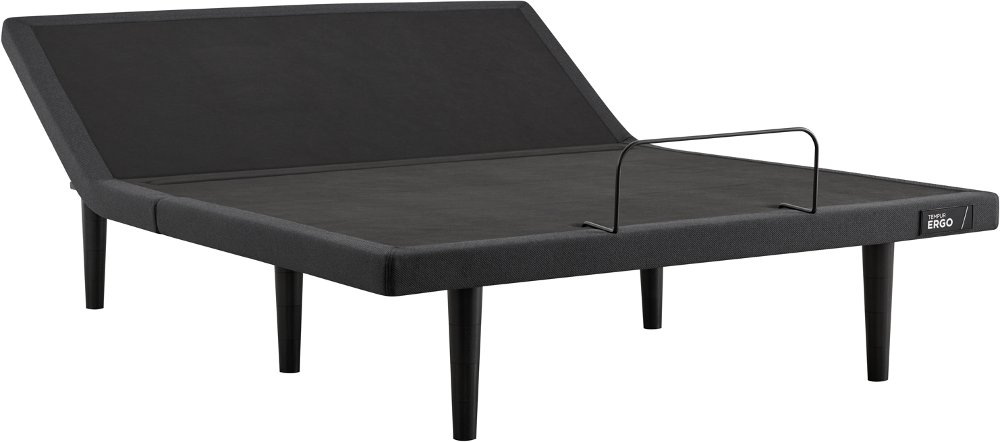
Before selecting a sand bed, think about the room’s size, the mattress you plan to use, and how you move through the space each day. Measure the available area from wall to wall, then leave enough room to open drawers, walk beside the bed, and make the bed without bumping into nearby furniture. A spacious room may suit a larger frame with a substantial headboard, while a compact bedroom often benefits from a simpler silhouette that keeps the floor plan feeling open. Check the bed’s dimensions carefully rather than relying only on the mattress size, since the frame and headboard can add several inches in either direction. Height matters, too. A taller bed can create useful clearance underneath and make a room feel more elevated, while a lower profile can feel cozy and easier to get in and out of. If you’re replacing an existing frame, confirm whether your mattress, foundation, or adjustable base is compatible with the new design. Some beds support a mattress directly with slats, while others require a separate foundation. It’s also worth considering the habits of the people using the room. A busy family bedroom may benefit from a durable finish that stands up to everyday activity, while a guest room may prioritize a welcoming appearance and dependable support between visits. Sand is forgiving in many decorating schemes, but every finish responds differently to sunlight, dust, and spills, so follow the care instructions and use a soft, lightly damp cloth when cleaning. Avoid harsh cleaners unless the manufacturer specifically recommends them, and keep moisture from sitting on wood or finished surfaces.
A bed is one of the most important pieces in a bedroom because it sets the scale, supports the nightly routine, and influences how the entire room feels. That makes a sand bed a thoughtful choice for someone settling into a new home, creating a more comfortable guest room, updating a child’s space, or giving a bedroom a calmer look without starting from scratch. It can be especially helpful when several people share decorating decisions, since a warm neutral finish tends to bridge different tastes. To build around it, start with one or two textures rather than filling the room all at once: washed cotton, a nubby throw, a woven basket, or a rug with subtle variation can bring the finish to life. Keep the palette layered instead of perfectly matched. Slight differences between beige, ivory, tan, and warm gray often create the relaxed depth that makes a bedroom feel lived in. For a guest room, provide clear walking space, a dependable reading light, and bedding that feels welcoming without being overly delicate. For a child or teen, choose accessories that can change as their interests do while the neutral bed remains useful for years. For a primary bedroom, consider how the headboard, nightstands, lamps, and window coverings work together from across the room; the best arrangement feels balanced when you first walk through the door and comfortable when you settle in at night.
It’s important to note that “sand bed” can also describe a specialized medical support surface known as an air-fluidized therapy bed. This equipment is not the same as a residential bed in a sand-colored finish. An air-fluidized therapy bed uses warm air to suspend millions of small, coated beads so they behave somewhat like a fluid. The patient’s body can gently immerse into the surface, which helps distribute weight and reduce friction and pressure on vulnerable areas. Clinicians may use this type of therapy for serious pressure injuries, certain severe burns, or recovery involving fragile skin grafts, depending on the patient’s condition and care plan. Because these beds require clinical assessment, specialized operation, and careful monitoring, anyone seeking one for medical care should speak with a physician, wound-care specialist, hospital team, or qualified medical-equipment provider. A standard bedroom bed is not a substitute for prescribed air-fluidized therapy, and insurance coverage, rental arrangements, and home-use requirements can vary. For everyday bedroom furnishing, however, sand beds generally refer to beds with a sand, beige, or similarly warm neutral appearance. Choosing one with the right size, support system, construction, and finish can give you a comfortable foundation that feels personal today and remains easy to live with through changing seasons and changing styles.
Read More