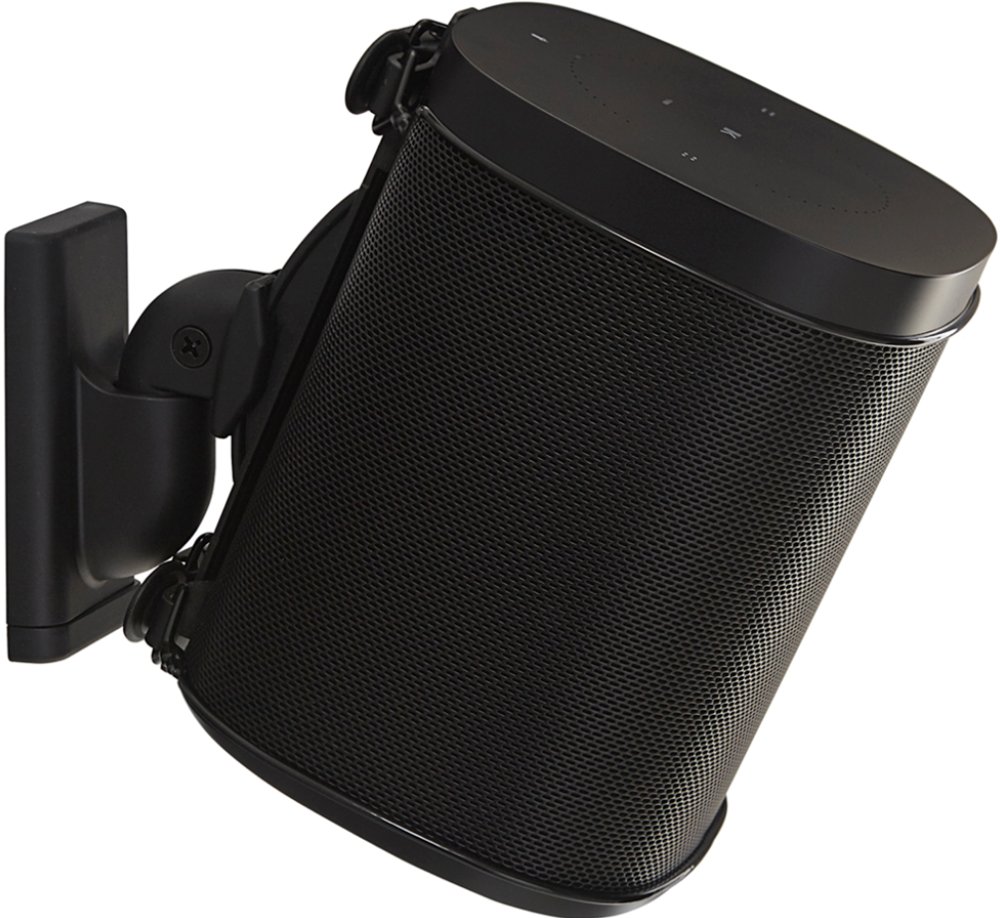
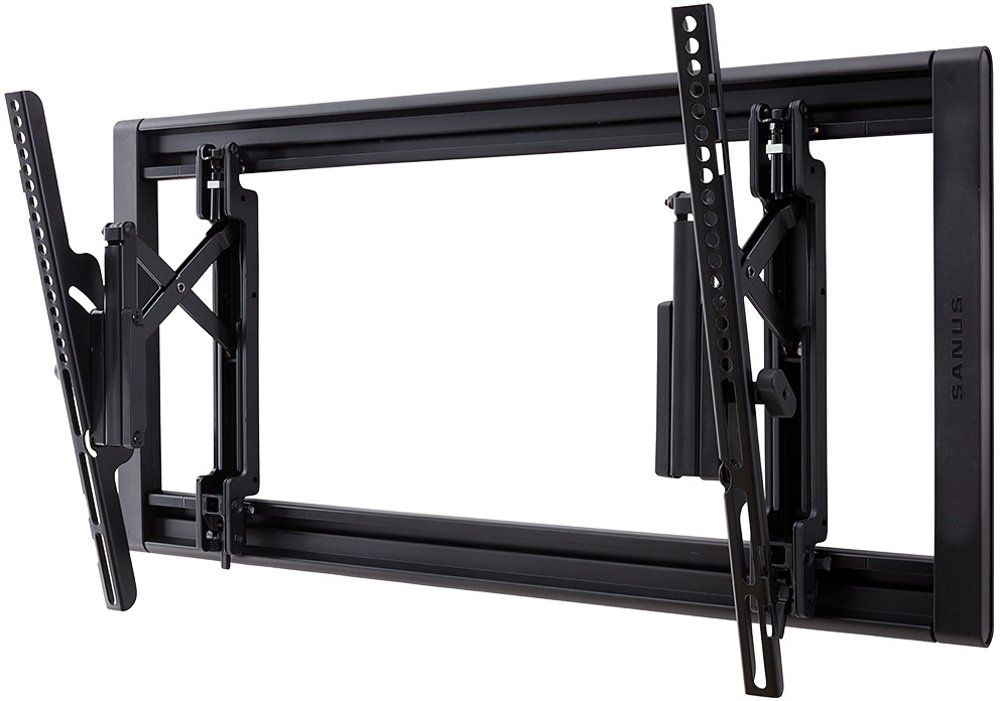
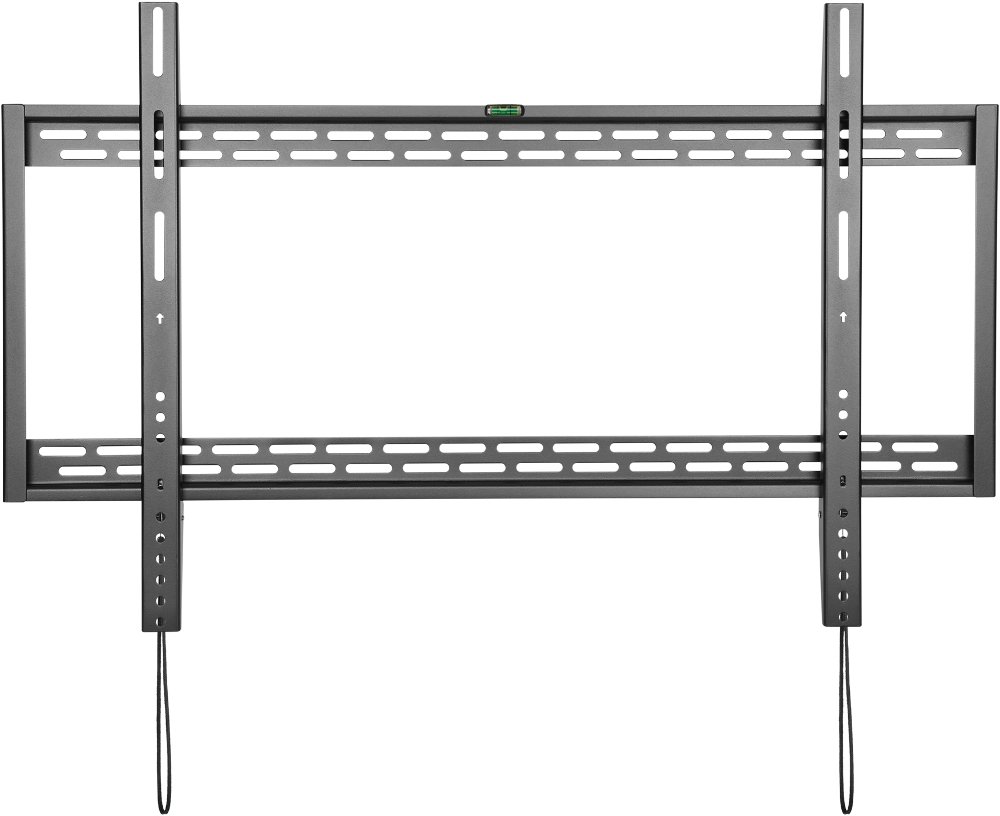
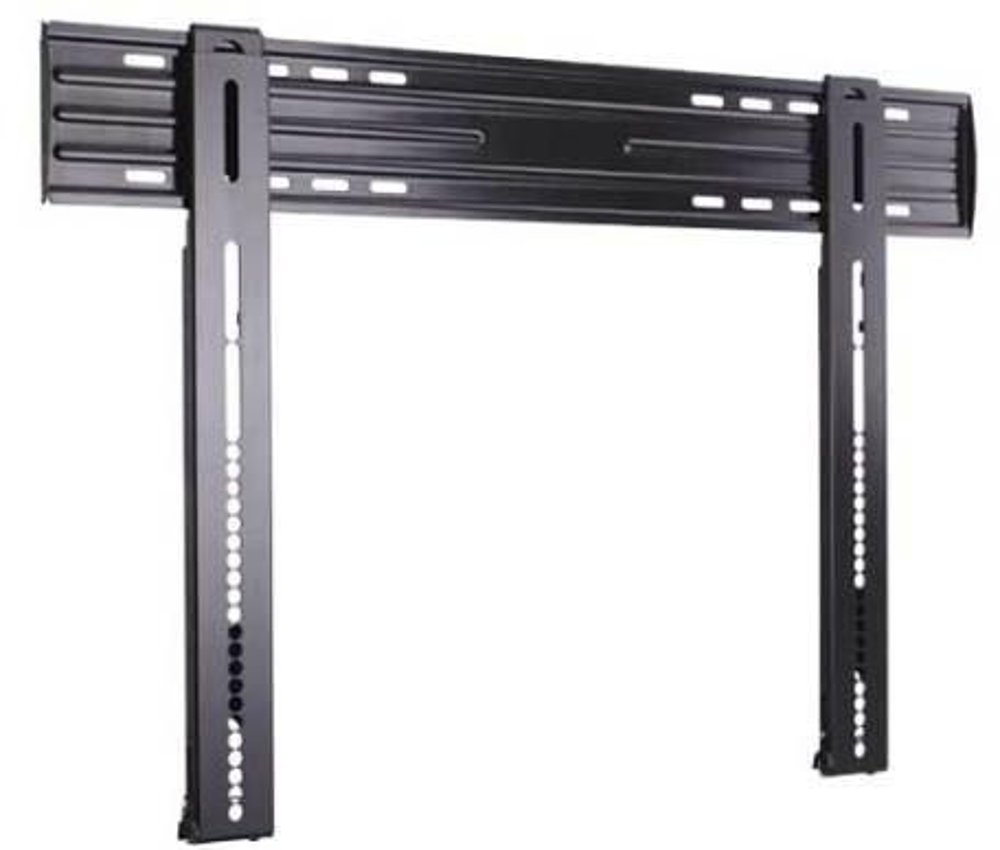
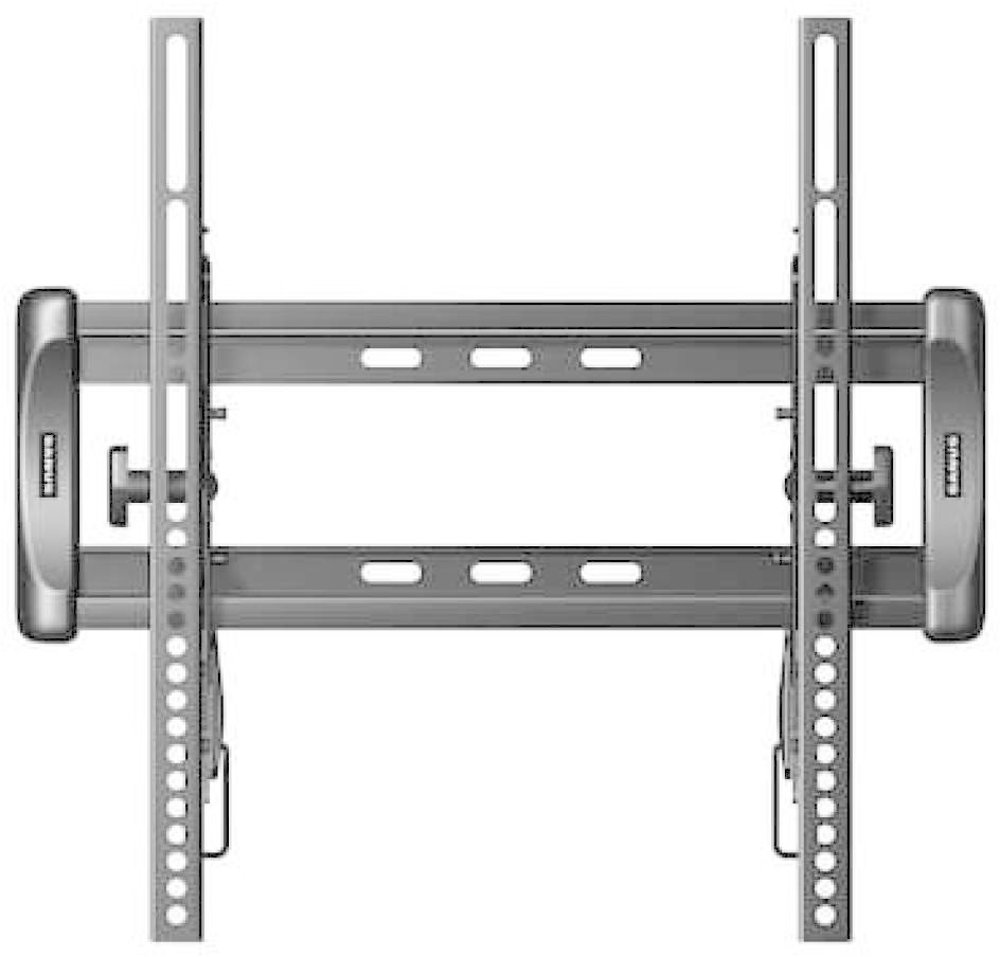
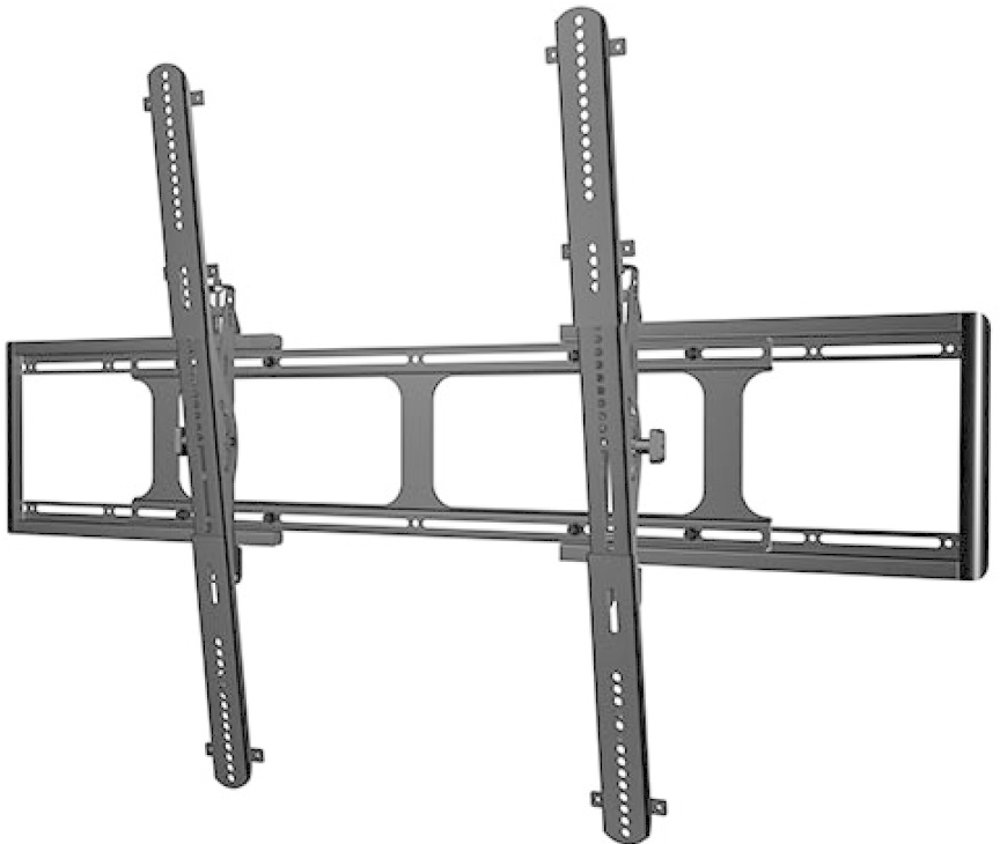
Secure mounts are brackets, anchors, and fastening systems designed to hold an object firmly in place and, in some designs, help prevent unauthorized removal. For home entertainment and connected living spaces, that often means supporting a television, speaker, monitor, or tablet without relying on a tabletop stand. A well-matched mount can give a room a cleaner appearance, free up space on a media console, and position a screen where it’s comfortable to watch. The right choice depends on what the mount will support, where it will attach, and how much movement you want after installation. Fixed TV mounts keep a screen close to the wall and suit seating arrangements that face the television directly. Tilting mounts allow vertical angle adjustments, which can help improve the view when a screen sits above eye level. Full-motion mounts use an extending arm to bring a screen forward or turn it toward different seats, such as a sofa on one side of the room and a dining table on the other. Each design has its own clearance requirements and weight limit; a slim profile or a substantial-looking bracket alone doesn’t establish compatibility. For TVs and monitors, the VESA mounting pattern describes the spacing between the attachment holes on the back of the display, usually in millimeters. Matching that pattern is just as important as checking the display’s weight and the mount’s supported screen-size range. The shape of the display matters, too. Recessed mounting holes, a curved back, or connections that face straight toward the wall may require manufacturer-approved spacers or additional clearance. Speaker and tablet mounts use different attachment methods, so their fit depends on the device’s dimensions, weight, and mounting provisions rather than TV specifications. Secure mounting starts with that complete match between the object, the bracket, and the supporting surface—not simply a product described as heavy-duty.
Materials and construction help explain how a mount performs over time. Steel is common in TV brackets and support plates because it offers strength and rigidity, while aluminum can provide a lighter structure in designs engineered for the intended load. Powder-coated finishes help protect exposed metal during ordinary indoor use, and some fasteners have corrosion-resistant coatings. Those features are useful, but the manufacturer’s load rating remains the measure to follow. Hinges, pivot points, locking mechanisms, and attachment hardware all contribute to the assembly’s durability, especially on mounts that move frequently. A television that stays flat against a bedroom wall puts different demands on its mount than one extended and repositioned throughout the day. Wall construction also changes which mounting system is appropriate. Wood studs, metal studs, masonry, and hollow-wall surfaces need different fasteners and installation methods. Drywall by itself shouldn’t be treated as equivalent to a structural support, and an anchor rated for one application isn’t automatically suitable for another. An extending arm creates additional leverage, making correct attachment especially important. Specialized hollow-wall systems may be approved for particular uses, including certain grab-bar installations, but only when the complete assembly, wall conditions, and installation meet the manufacturer’s requirements. A TV bracket or general-purpose anchor isn’t a substitute for hardware designed to support a person. For a household shopping for entertainment mounts, practical fit also includes the space around the screen. A narrow alcove may limit swivel movement, while a nearby cabinet door can interfere with an extended arm. Rear-facing power and signal connections need enough room to avoid crushed plugs or sharply bent cables. Built-in cable channels or clips can help keep cords organized, although cables still need sufficient slack for the mount’s full permitted movement. Checking those details helps preserve access to connections and keeps a tidy installation functional when a game console, streaming device, or sound system becomes part of the setup.
Security features serve a different purpose from basic load support, and it helps to distinguish the two when comparing mounts. A locking screw, retaining tab, or safety latch may keep a display from accidentally lifting off its bracket. An anti-theft mount may add a keyed lock, tamper-resistant fasteners, or an enclosure intended to discourage unauthorized removal. Neither description should be assumed to mean the other, and no locking feature makes an installation theft-proof. These designs can be useful in shared spaces, rental properties where the owner provides electronics, or rooms where access to equipment needs to stay controlled. At home, secure attachment also matters around children and pets, although a wall-mounted screen doesn’t replace furniture anchoring, thoughtful cord placement, or supervision. For related attachment components, Mounting Hardware provides another category to consider alongside the mount itself. Fasteners, spacers, and accessories should match the approved mounting arrangement rather than be chosen only because they look similar to the original parts. Care is generally straightforward: remove surface dust with a soft cloth, follow the manufacturer’s cleaning instructions, and avoid spraying cleaners into joints or locks. Periodic checks for loose fasteners, damaged cables, unexpected movement, or changes in alignment help identify wear before it disrupts everyday use. Adjustment points may require specific tension settings, so tightening every moving part as much as possible can be counterproductive. Professional installation can be a sensible choice when wall construction is uncertain, the display is difficult to handle, or electrical connections need attention. Secure mounts are practical accessories for a home office, an entertainment room, or a small apartment where usable surface space matters. They can also make a thoughtful gift for someone setting up a new space, provided the device specifications and installation conditions are known. The most useful choice supports the equipment properly, suits the way the room is used, and leaves everyday viewing, adjustments, and connections easy to manage.
Read More