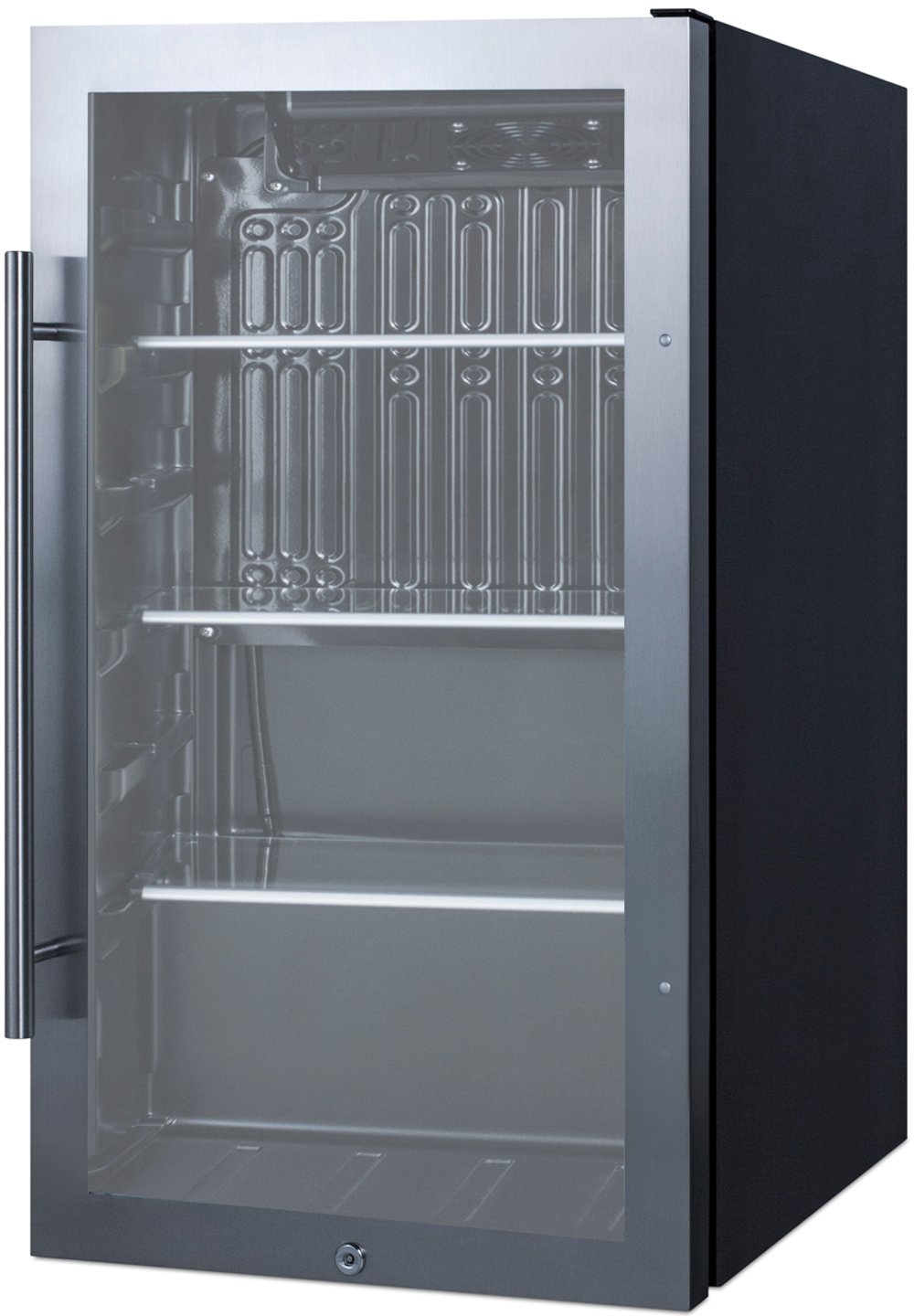
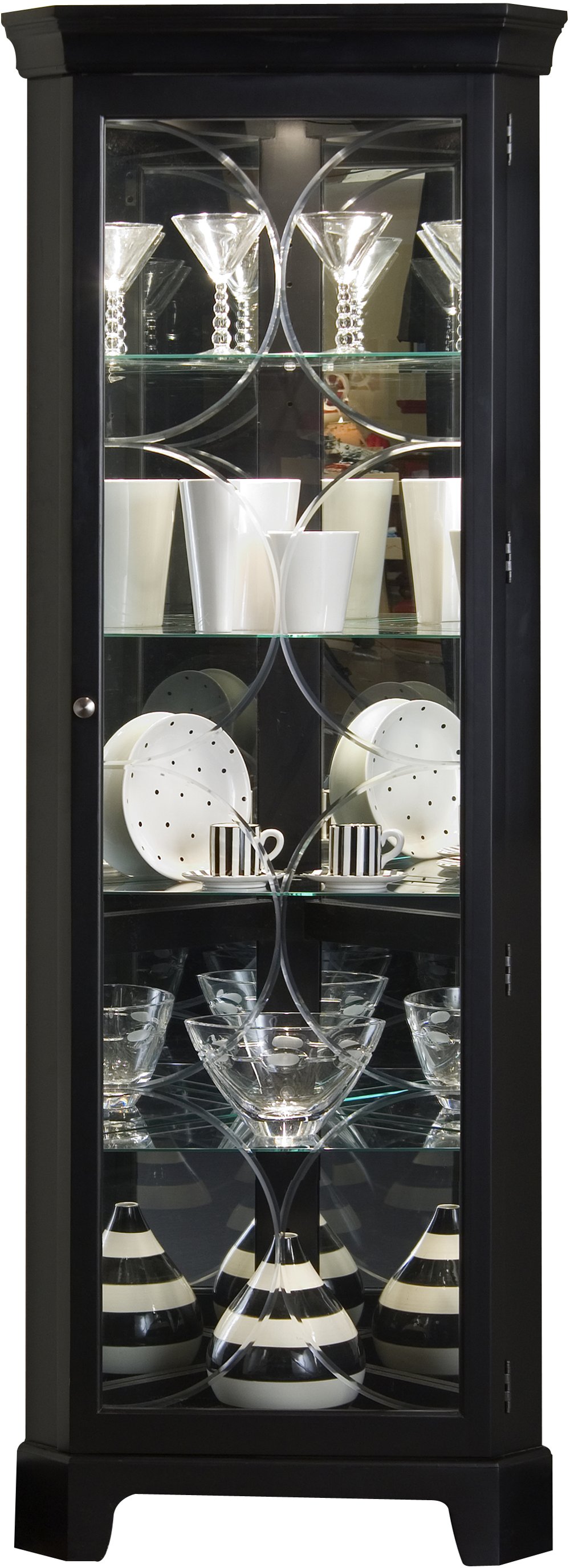
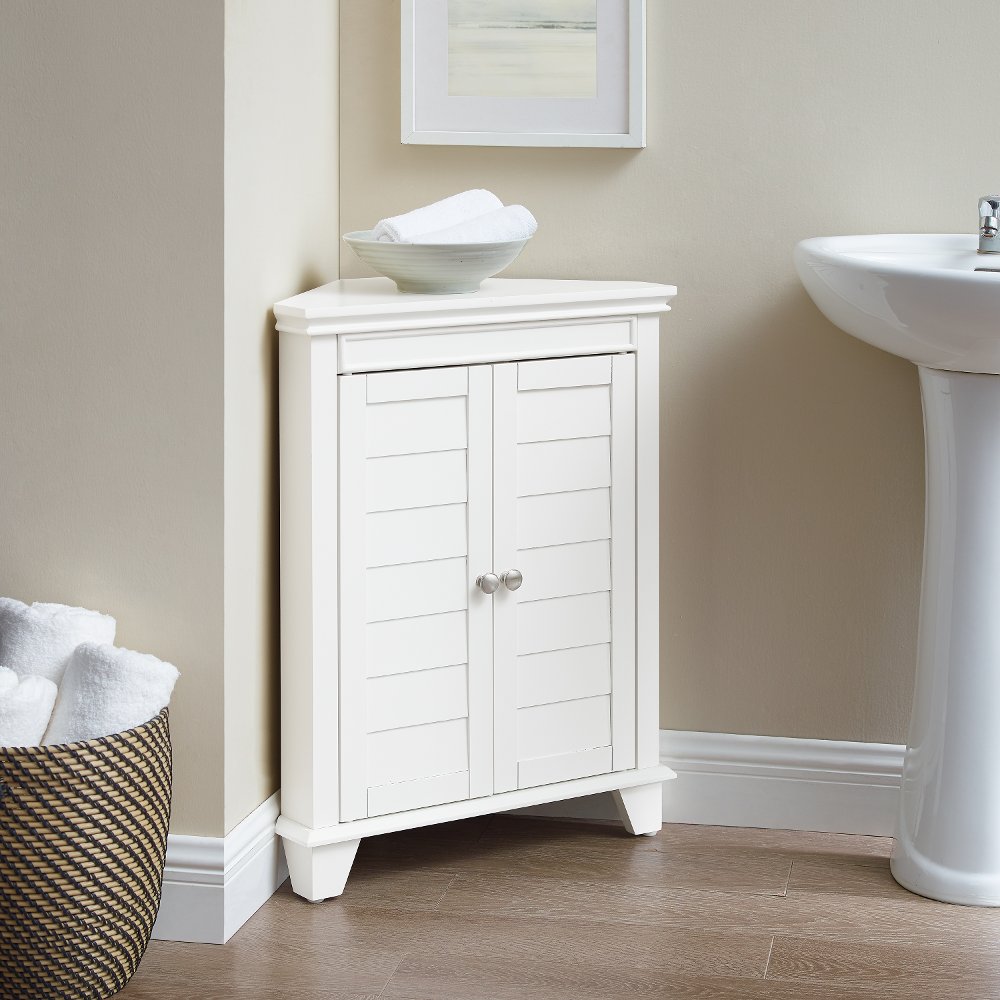
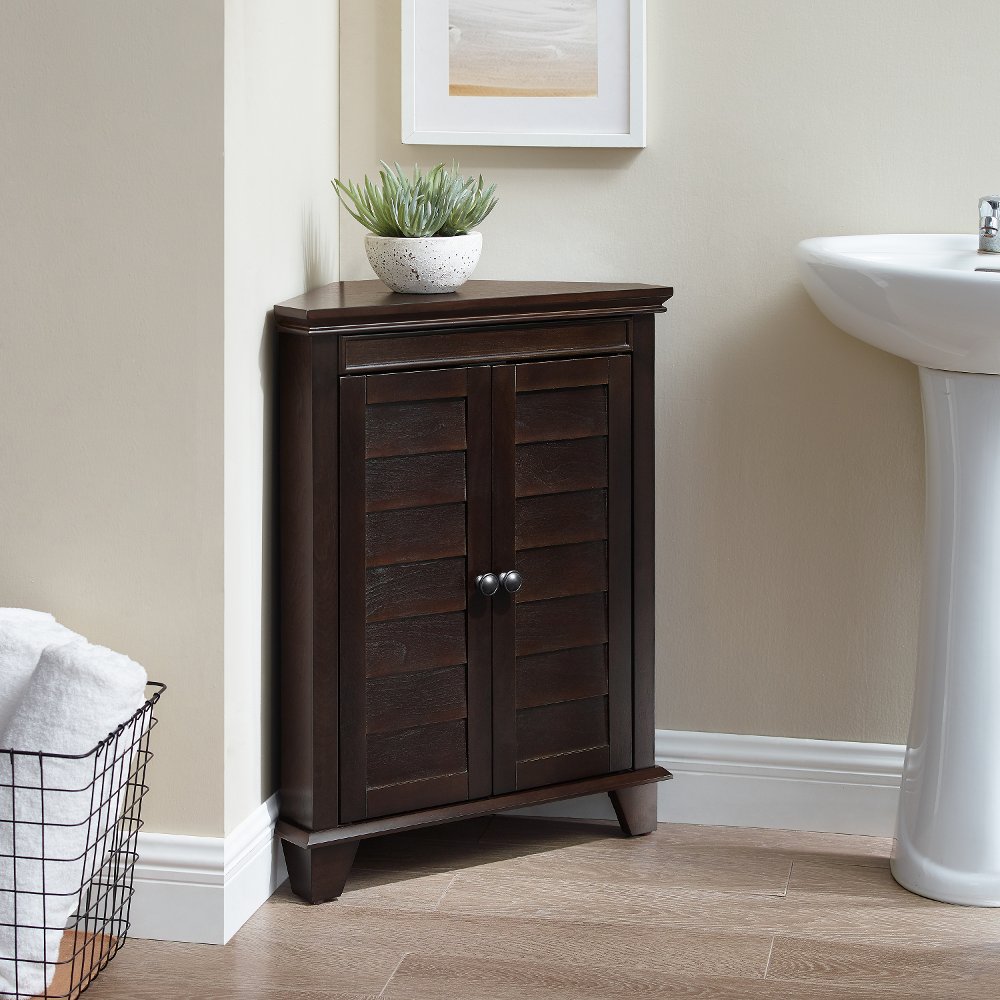
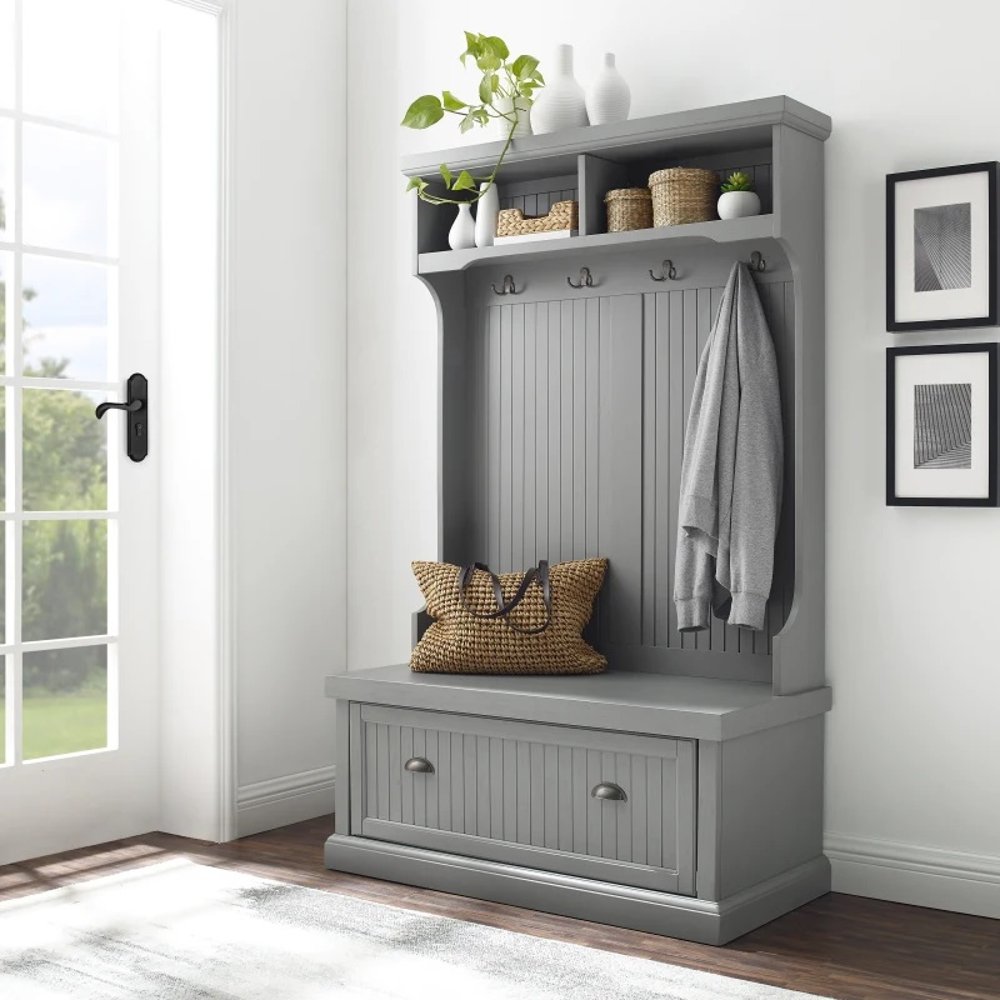
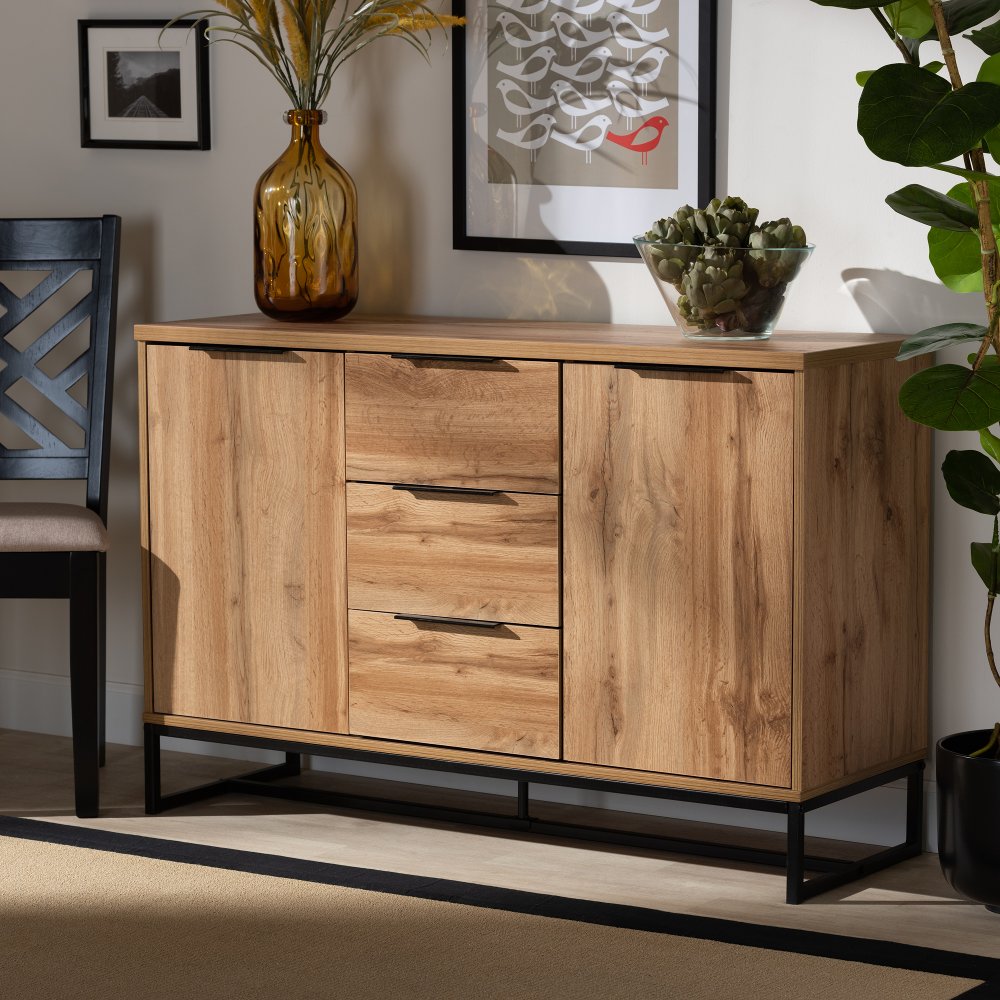
Shallow depth cabinets provide enclosed storage with a smaller front-to-back footprint than full-depth cabinets, helping you put narrow spaces to work without crowding the room. Many shallow designs measure roughly 12 to 15 inches deep, although dimensions vary by cabinet type and intended use. For comparison, standard kitchen base cabinets are commonly about 24 inches deep before accounting for the countertop overhang. Wall cabinets are often about 12 inches deep, so the term “shallow” depends on the category rather than describing one universal size. In living areas, a slim storage cabinet can hold everyday essentials along a wall while leaving more room for walking, pulling out a chair, or opening an adjacent door. That makes shallow depth cabinets especially useful in apartment dining areas, compact home offices, narrow entryways, and rooms where furniture needs to serve more than one purpose. A cabinet beside the dining table can keep napkins, placemats, and serving utensils close by; one near the front door can give mail, sunglasses, and dog-walking supplies a place to land. Shallower shelves also make smaller belongings easier to see instead of letting them disappear behind a second row of objects. The right fit involves more than the depth printed in the dimensions. Overall measurements may include doors, trim, or hardware, while the usable shelf depth will be smaller than the cabinet’s exterior depth. Baseboards can hold the cabinet away from the wall, and projecting knobs can extend into a walkway. A comfortable layout leaves room for cabinet doors and drawers to open without bumping nearby furniture or interrupting a busy path through the house. For a narrow hallway, that might mean choosing a modest-width cabinet with smaller doors rather than a wide unit with a single large door swing. The goal is useful storage that fits the way you move through your home, not simply the largest cabinet that fits against the wall.
Materials and construction influence how a shallow cabinet looks, feels, and holds up to everyday use. Solid wood brings natural grain and variation, while wood veneer provides a real-wood surface over an engineered core. Engineered wood can provide a smooth, consistent foundation for painted, laminated, or veneered finishes; its performance depends on the panel quality, construction, and protection from moisture. Metal cabinets offer a different look and can suit utility spaces or interiors with industrial details, though finish quality and care still matter. No material alone guarantees durability. Secure joints, sturdy shelf supports, smooth drawer operation, and well-aligned doors all contribute to a cabinet that feels dependable in daily use. Adjustable shelves make the interior more flexible, especially when your storage needs change from folded table linens to taller bottles or baskets. Check shelf weight limits for heavier belongings such as dishes, books, or small equipment, since a shallow cabinet is not automatically designed for a heavy load. Interior width matters, too: a dinner plate may fit across the cabinet but still prevent the door from closing if the usable depth is too short. Closed doors help conceal the visual clutter of chargers, paperwork, and household supplies, while glass-front doors keep favorite dishes or decorative pieces visible. Drawers work well for small objects that benefit from separation, provided their interior measurements accommodate what you plan to store. Style can help the cabinet settle naturally into the room. A painted finish and simple door fronts can sit quietly beside existing furniture, while visible wood grain adds texture to a plain wall. Hardware offers another point of connection with nearby pieces, whether that means warm-toned pulls alongside wood dining chairs or understated knobs in a home office. A shallow accent cabinet does not need to match every finish in the room, but repeating one color, material, or detail can help the space feel considered rather than crowded.
The most useful shallow storage cabinets give everyday belongings a sensible home without asking the room to do more than it can. In a dining space, that may mean keeping folded runners and serving pieces near the table rather than carrying them from another room. In a home office, a narrow cabinet can organize notebooks, envelopes, and charging accessories while leaving floor space beside the desk. A shared household might use separate shelves or bins to keep each person’s essentials easy to find. In a kitchen, reduced-depth cabinetry can provide secondary storage along a narrow wall or on the outward-facing side of an island, where deeper cabinets would take up too much floor space. Built-in installations need appropriate support, clearances, and coordination with surrounding surfaces; a freestanding accent cabinet is not a substitute for cabinetry designed to support a countertop. For more floor-level storage possibilities, explore Lower Cabinet Storage with your room’s dimensions and everyday routines in mind. Wherever a cabinet goes, follow the manufacturer’s anchoring instructions, especially for tall, narrow furniture or homes with children and pets. Keep heavier belongings on lower shelves and stay within the stated load limits. Everyday care is usually straightforward: dust with a soft cloth, wipe spills promptly, and use cleaning methods approved for the cabinet’s finish. Excess water can damage wood-based materials, particularly around edges and seams, while abrasive cleaners can dull or scratch finished surfaces. Felt pads beneath decorative objects can help protect the top, and lined bins can corral loose belongings without scraping shelves. Cabinets placed near sinks or in laundry areas should be specifically suited to those conditions rather than chosen for their size alone. With the right dimensions, practical interior storage, and materials suited to the setting, a shallow depth cabinet can make an overlooked stretch of wall useful while keeping the rest of the room open and comfortable.
Read More