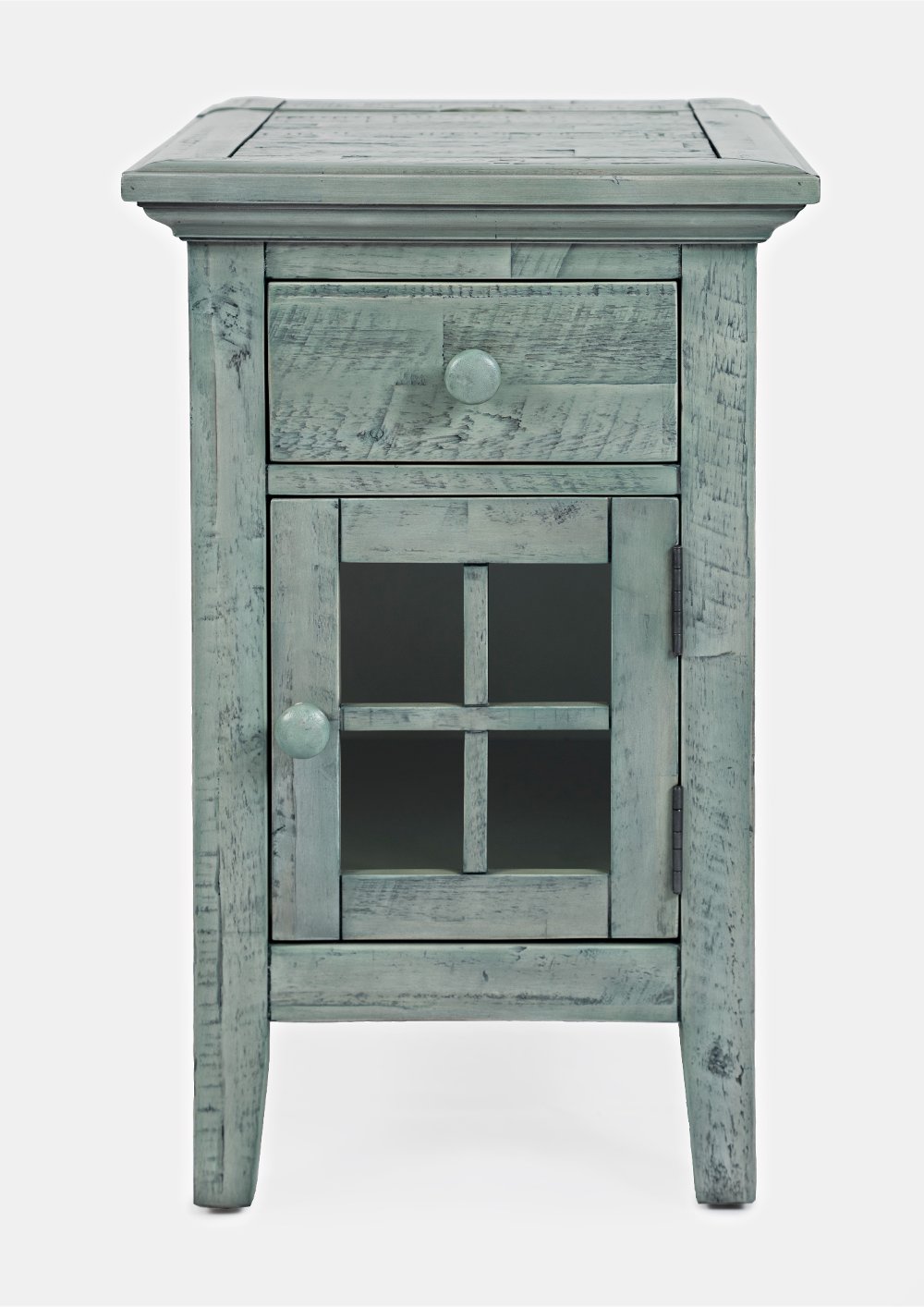
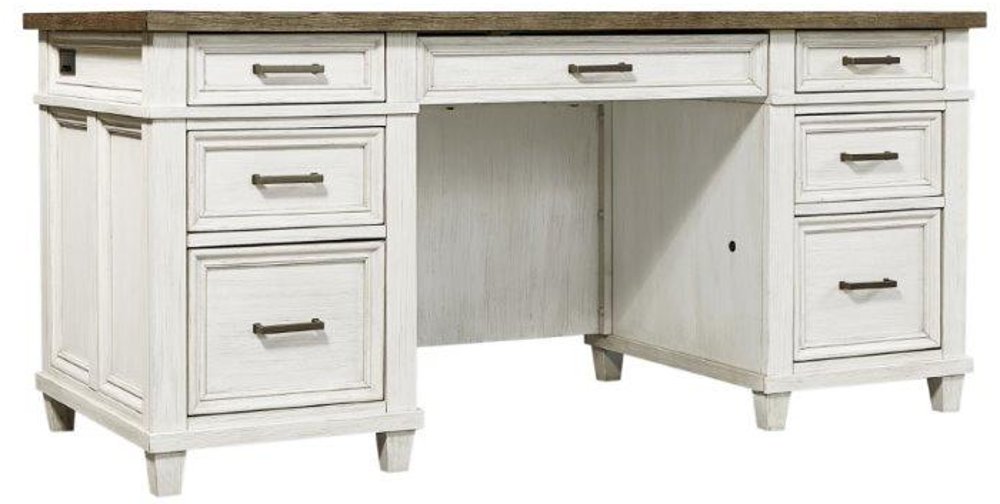
Side tables with outlets bring everyday essentials together in one convenient spot: a place for a drink, a home for the reading lamp, and a nearby connection for the devices that keep your day moving. Beside a sofa, an outlet-equipped end table can keep a phone charging within reach while leaving the main wall outlet behind the furniture. Next to a bed, it can give a lamp and charging cable a shared home without stretching cords across the room. That convenience is especially useful in apartments, guest rooms, and living rooms where accessible wall outlets are limited. These tables still connect to a household outlet with a power cord, so their placement depends on both the furniture arrangement and the location of the nearest suitable connection. The charging features deserve a close look alongside the finish and shape. Depending on the design, a table may include standard electrical outlets, USB ports, or a combination of connections. USB-A and USB-C ports accommodate different cable types, and charging performance depends on the port’s output and the device’s requirements; a built-in USB port doesn’t automatically mean fast charging. Outlet placement also changes how the table feels in daily use. Connections positioned along the back can make cords less noticeable, while side-mounted connections may be easier to reach beside a favorite chair. A recessed charging area can help organize plugs, though larger power adapters still need enough clearance to fit without blocking neighboring connections. Think about the devices that will actually spend time there: a phone beside the couch, a tablet near a reading chair, or a bedside lamp and alarm clock. A layout that accommodates those everyday needs is more useful than extra ports in an awkward location. The best fit keeps connections accessible while preserving enough tabletop space for the things that make the room comfortable, whether that’s a coaster, a pair of glasses, or the book you’re halfway through.
The furniture itself should feel just as considered as the charging setup. A side table that sits close to the height of a sofa or chair arm makes it easier to set down a mug without leaning far forward or reaching up. Beside a bed, a tabletop near the top of the mattress generally offers comfortable access to a lamp switch and other nighttime essentials. Width and depth matter, too, particularly next to a recliner that needs room to open or between a sofa and a busy walkway. Leave enough space for the table’s power cord, plugs, and any drawers or doors to function without pressing against neighboring furniture. Narrow rectangular shapes can suit tighter spaces, while square or round tables may offer a more generous surface beside an open seating arrangement. Materials help establish both the look and the level of care a table will need. Solid wood brings natural grain and character, with performance influenced by the wood species, finish, and construction. Wood veneer offers the appearance of real wood over a supporting core, while engineered wood can provide a consistent surface beneath a decorative finish. Metal frames create a crisp outline and may complement simpler furniture silhouettes; glass tops have a lighter visual presence but show fingerprints readily. For frequent use, pay attention to a stable base, secure joints, and a finish suited to the table’s intended setting. A substantial-looking table isn’t necessarily the right choice if its proportions crowd the room. Warm wood tones can soften a seating area, darker finishes can coordinate with existing case goods, and lighter finishes can blend into an airy bedroom. Storage adds another layer of usefulness. An open shelf keeps a basket or stack of books visible and accessible, while side tables with drawers offer another option when concealed storage is a priority. In an outlet-equipped table, that storage can give spare charging cables, remotes, and reading glasses a designated place instead of letting them spread across the top.
A thoughtfully chosen side table with outlets can support several routines without making a room feel like a workspace. In a family living room, it can serve the person reading under a lamp and the person charging a phone nearby. In a guest bedroom, accessible connections give visitors a straightforward place to plug in their devices without moving the bed or searching behind a dresser. For someone furnishing a first apartment or setting up a comfortable reading corner, this type of table may also make a practical housewarming gift, provided the dimensions, finish, and electrical features suit the recipient’s space. Everyday care helps protect both the furniture and its built-in connections. Use coasters beneath drinks, wipe up spills promptly, and keep liquids away from outlets and USB ports. Follow the furniture manufacturer’s cleaning directions, since wood, veneer, metal, and glass may require different products. Spray a recommended cleaner onto a cloth rather than directly toward the electrical components, and avoid soaking surfaces or allowing moisture to collect around seams. Before cleaning near the charging unit, follow the manufacturer’s instructions for disconnecting power. Electrical use should stay within the unit’s stated limits, with devices and adapters connected only as directed. Route the power cord where it won’t be pinched by furniture, caught in a recliner mechanism, or stretched across a walking path, and don’t hide it beneath a rug. Keep enough clearance around plugs to prevent sharp bends in the cables. Periodic checks for loose hardware, wobbling, or damage to the cord can help keep the table dependable over time. For homes with young children or pets, consider stability, cord access, and the placement of electrical connections as part of the furniture choice. When the proportions, storage, and charging layout work together, the table becomes an easy part of daily life: a useful surface beside your favorite seat, with power close at hand and less need to rearrange the room around a charging cable.
Read More