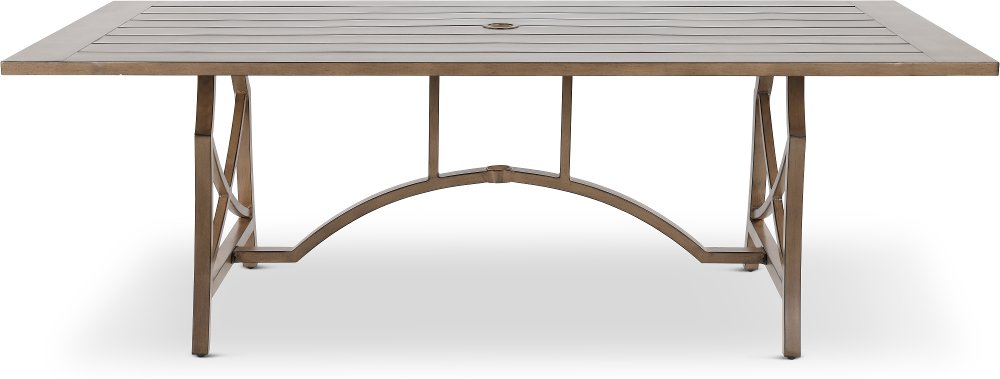
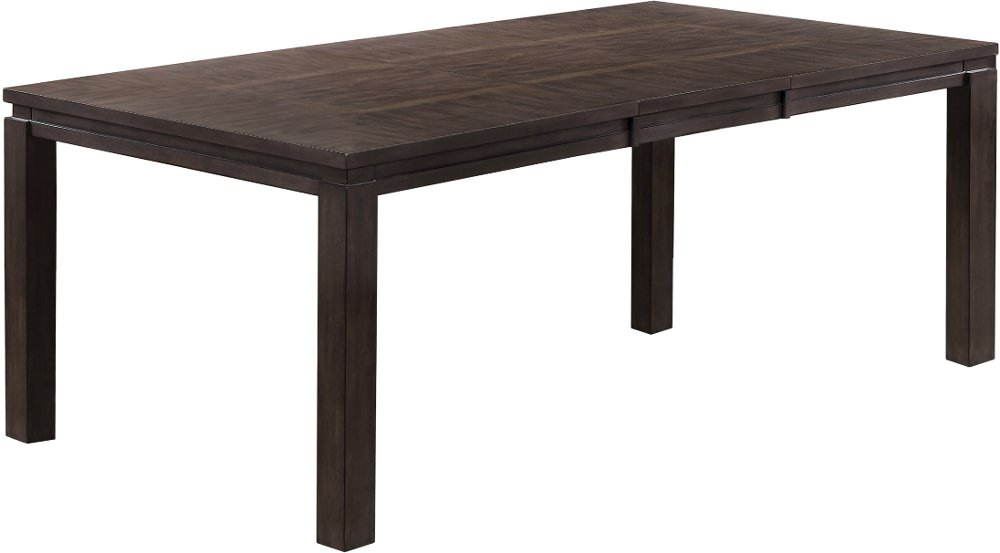
Long tables give everyday routines a little more room, whether that means dinner with the whole household, a puzzle that stays out between meals, or a generous surface behind the sofa. Their stretched proportions can anchor a dining room, define an eating area in an open floor plan, or make a narrow entryway feel more useful. The right shape depends on how that space works. A rectangular dining table offers a familiar layout for place settings and serving dishes, while an oval top softens the outline and eliminates sharp corners along busy walking paths. A long, slim console serves a different purpose, holding a lamp, a catchall tray, or a few favorite photographs without taking up the depth of a dining table. Length alone doesn’t tell the whole story: width, height, base design, and surrounding furniture all affect how comfortably a table fits. In dining areas, about 36 inches between the table edge and nearby walls or furniture provides a useful starting point for pulling out chairs, with more space helpful along main walkways. Allowing roughly 24 inches of table edge per person can help with seating plans, though wide chairs and roomy place settings may need more. A table that looks spacious on its own can feel quite different once chairs, a sideboard, and an open doorway enter the picture. The base matters, too. Corner legs may limit where chairs can slide, while a pedestal or trestle can offer more flexibility, depending on its footprint and crossbars. For households that regularly shift between quiet meals and larger gatherings, an extension table provides extra surface when needed. Leaf storage, the effort required to open the table, and leg placement when fully extended all deserve a closer look. A good fit leaves room not just for another chair, but also for someone to carry a full plate comfortably past it.
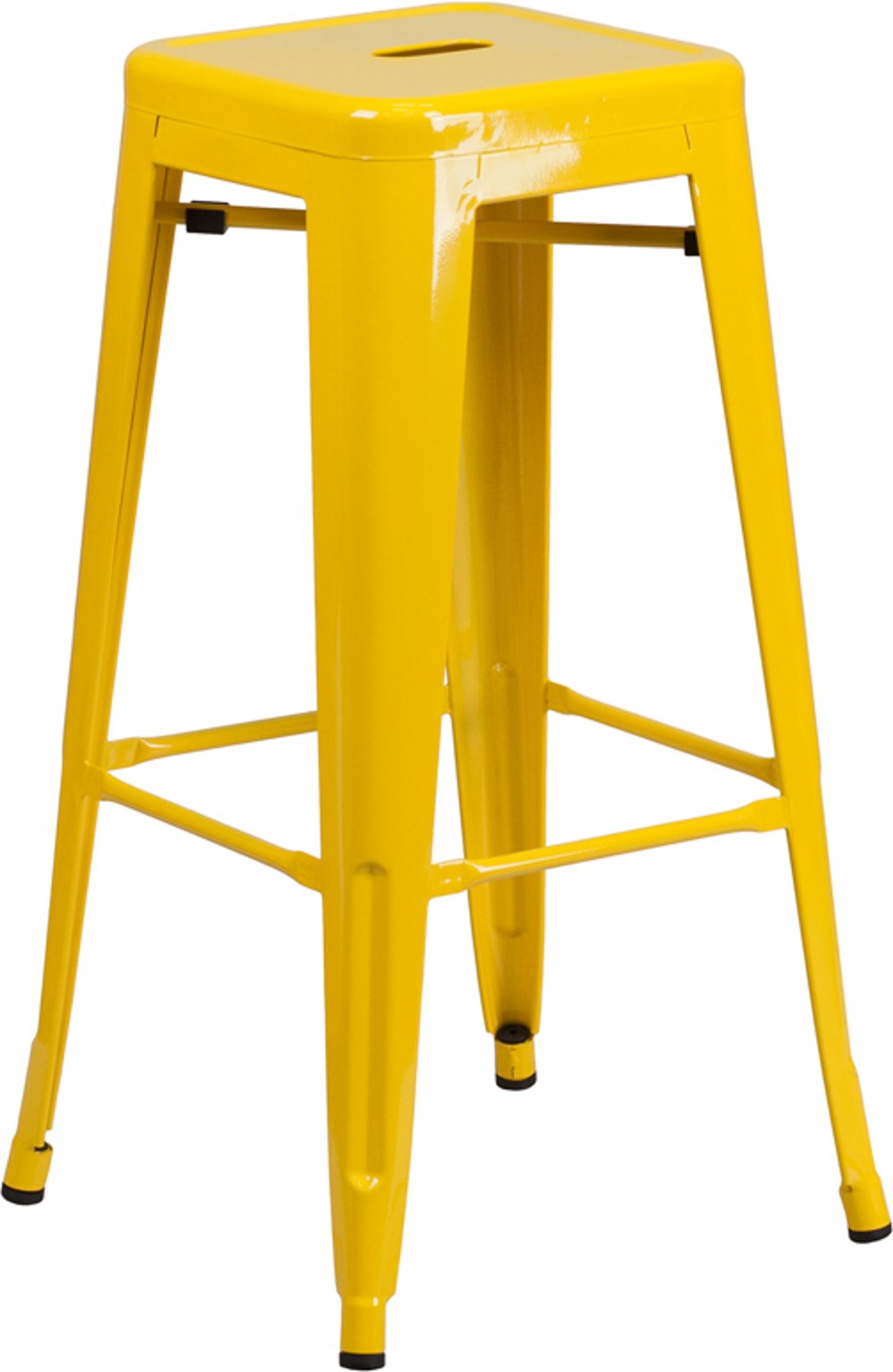
Materials give long tables much of their personality, from the visible grain of wood to the crisp outline of a metal base. Solid wood offers natural variation and, depending on its finish and construction, may be repairable or refinishable over time. It also responds to changes in indoor humidity, so sound joinery and consistent care matter. Wood veneer brings a thin layer of real wood over a supporting core, creating attractive grain patterns with efficient use of material; it still benefits from protection against standing water, heat, and deep scratches. Engineered wood with a laminate surface can be practical for busy spaces, though edges and seams need protection from moisture. Metal bases can give a long tabletop a visually lighter foundation, while substantial wooden legs create a more grounded appearance. Glass allows light to pass through and keeps the view open across a room, but fingerprints and smudges tend to show, especially where hands touch the edges. Stone and stone-look surfaces introduce another texture, with weight, stain resistance, and maintenance needs varying by material. These differences are worth considering when the same table will host everything from breakfast to an afternoon craft project. Style can follow the room’s existing details without matching every finish exactly. A warm wood top can soften a space with metal shelving, and a clean-lined table can balance chairs with curved backs or woven seats. Light finishes may keep a large table from feeling visually heavy; darker finishes can create a strong focal point against pale walls. For a brighter focal point, yellow tables bring color into dining spaces, entries, and other gathering areas. A repeated accent in artwork or upholstery can connect a colorful table to the rest of the room without making everything feel coordinated to the last detail. The result feels more personal when color, texture, and proportions work together rather than compete.
Everyday use is often the best test of a long table’s design. A family dining table may need to handle homework, washable markers, and several meals a day, while a table in a quieter dining room may be used mainly for shared meals and conversation. A long console behind a sofa needs a stable base and enough clearance to keep cords out of walking paths. For a table used as a desk, knee space and a comfortable relationship between the tabletop and chair matter more than decorative details underneath. Standard dining-height tables are often around 28 to 30 inches tall, but checking the actual measurements helps ensure chairs and armrests fit comfortably. Benches can tuck neatly along a long edge, although moving in and out may be less convenient for someone seated in the middle. Upholstered chairs offer softness for lingering conversations, while easy-clean seats can simplify everyday spills. Care should suit both the surface and the way the household lives. Coasters, trivets, and placemats help protect finishes, and a padded barrier is useful under writing, art supplies, or projects that could leave marks. Wiping up spills promptly with a soft cloth prevents moisture from lingering around seams and edges. Manufacturer care instructions are the best starting point for cleaners, polishes, and any sealing requirements, since a product suited to one surface may damage another. Long tables also need support across their full span, so secure connections, a level base, and properly installed leaves matter as much as the tabletop itself. Before moving a large table into place, account for doorways, corners, stairs, and whether the base can be separated from the top. With the practical details settled, a long table becomes an easy part of the room: a place to spread out serving bowls, sit beside someone working on a project, or set down a bag on the way inside. Its value comes from making those ordinary moments more comfortable.
Read More