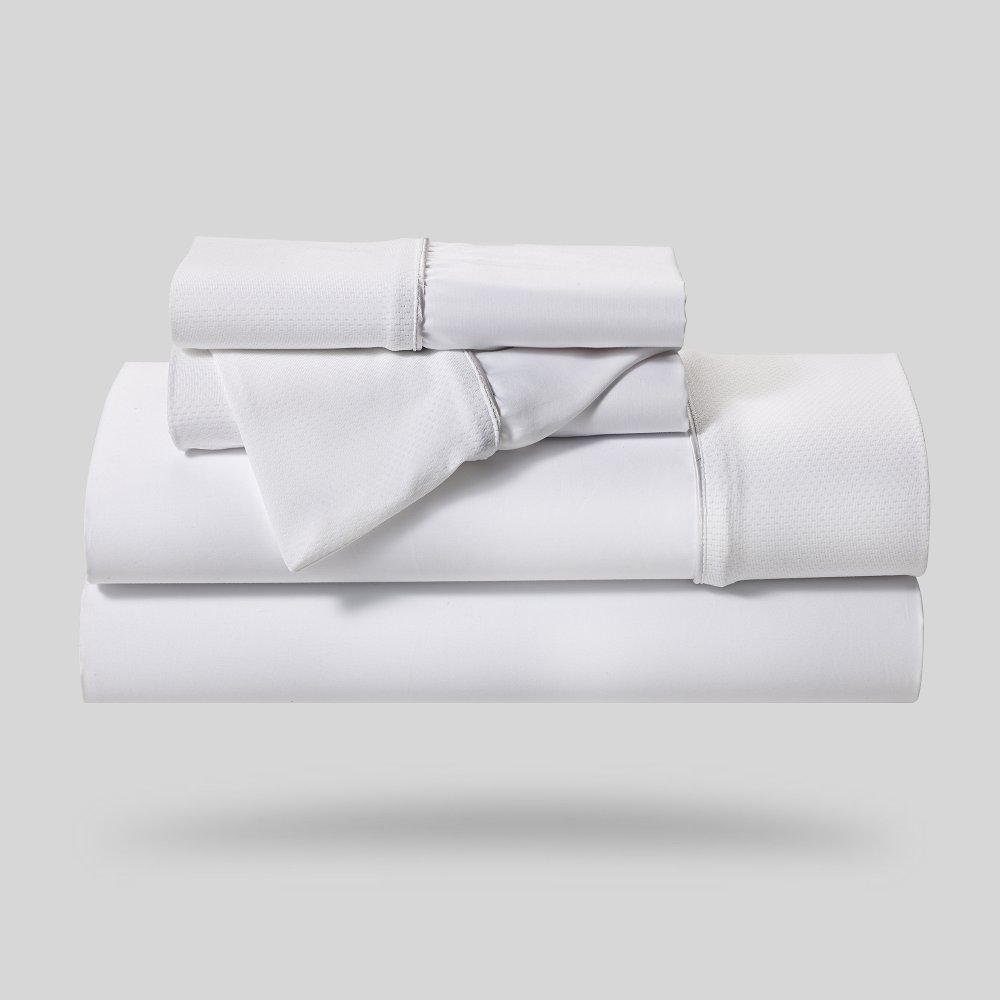
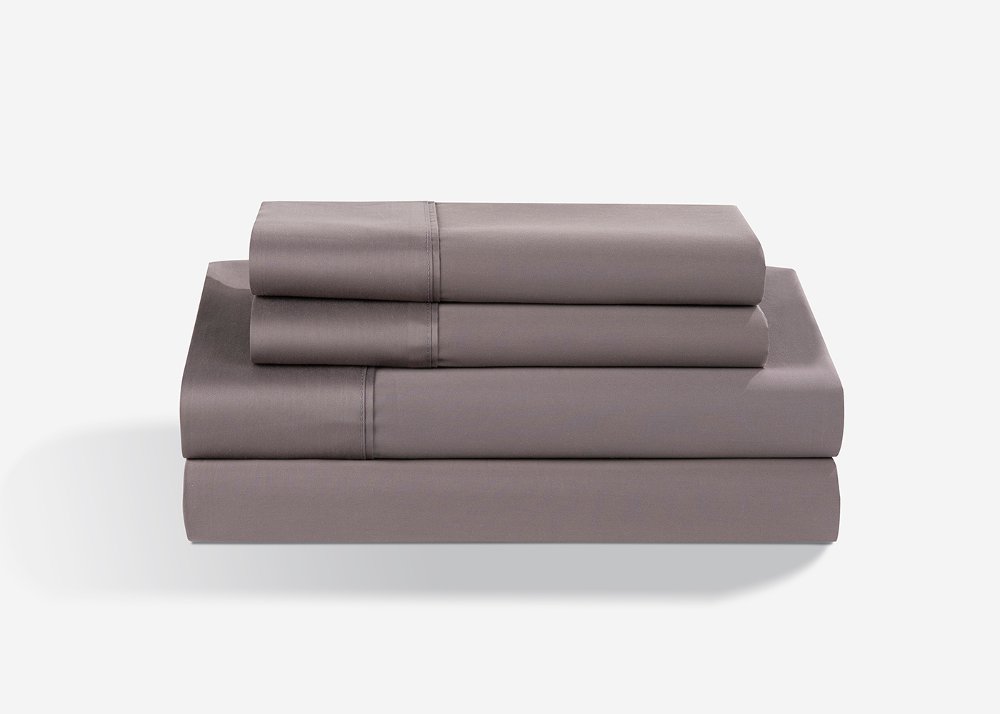
Soft cotton bedding sets bring breathable comfort and an inviting feel to the place where each day begins and ends. Cotton absorbs moisture and allows air to move through the fabric, making it a practical choice for bedding that touches your skin all night. The feel depends on more than the fiber alone: weave, yarn quality, fabric weight, and finishing all shape how sheets and covers settle around you. Cotton percale has a close, plain weave with a matte finish and a crisp, lightweight feel, much like a freshly made guest bed. It’s often a comfortable option for sleepers who run warm or prefer sheets that feel cool at first touch. Cotton sateen uses a weave that exposes more yarn along the surface, creating a smoother hand, a subtle sheen, and a more fluid drape. It generally feels a little heavier than percale, which can appeal to anyone who likes fabric that rests softly against the body. Washed cotton describes a finish rather than a particular weave; washing treatments give the material a relaxed appearance and a broken-in feel from the start. Cotton flannel has a brushed surface that holds warmth close, making it especially cozy in a chilly bedroom during the cooler months. For lasting softness, fiber quality matters, too. Long-staple cotton has longer fibers that can be spun into smoother yarns with fewer exposed ends, helping reduce pilling when the fabric is well made and properly cared for. A high thread count alone doesn’t guarantee better bedding, and a dense fabric may feel warmer than a lighter one. Check the fiber label to distinguish 100% cotton from a cotton blend, which may offer different wrinkle resistance, drying time, and breathability. If textile testing matters to you, an OEKO-TEX STANDARD 100 label indicates that the certified textile has been tested for harmful substances against the standard’s limits. The most useful choice is the one that matches your preferred feel, whether that’s crisp and airy or smooth and gently enveloping.
A comfortable bed also needs bedding that fits without a nightly tug at the corners. Soft cotton bedding sets can include different combinations of pieces, so the contents deserve as much attention as the color or fabric. A sheet set typically includes a fitted sheet, a flat sheet, and one or more pillowcases, while a duvet cover set generally pairs a removable cover with coordinating shams. Comforter sets commonly include a filled bed covering and shams, but sheets aren’t always part of the package. Reading the listed contents helps you build a complete bed without assuming every layer comes together. A cotton outer fabric also doesn’t tell you what’s inside a comforter; check the fill material and weight separately, especially if you prefer a lighter covering. Match fitted sheets to both your mattress size and its total depth, including any topper. A queen mattress with a thick pillow top needs a different pocket depth than a slim queen mattress, even though the length and width are the same. Twin XL and twin mattresses differ in length, and king and California king dimensions aren’t interchangeable. For duvet covers, compare the actual measurements with your insert rather than relying only on the size name. Interior ties can help keep the insert from shifting, while secure buttons or a zipper keep the opening tidy. Comforter dimensions matter visually as well: a thicker mattress or taller bed frame may call for more side coverage if you like a generous drape. Pillowcases should fit your sleeping pillows, while decorative shams may need separate inserts. Across the broader selection of bedding sets, coordinating pieces can make it easier to create a pulled-together room without matching every detail exactly. For a primary bedroom, prioritize the texture you enjoy every night. For a guest room, breathable cotton layers let visitors adjust their warmth with a folded blanket at the foot of the bed. Shared beds can benefit from the same approach, giving a cooler sleeper extra coverage without adding weight to both sides.
Everyday care plays a big part in keeping cotton bedding soft, comfortable, and ready for regular use. Follow the care label for each piece, since dyes, finishes, decorative stitching, and fill materials can require different treatment. Many cotton sheets can be machine washed, but the recommended water temperature and drying settings vary. Give bedding enough room to move in the washer, use a measured amount of detergent, and avoid packing sheets tightly around heavier laundry. Too much detergent can leave residue that dulls the fabric’s feel, while washing sheets with rough towels or exposed zippers can increase friction and wear. Promptly treating spills according to the care instructions helps keep small marks from becoming lasting stains. When tumble drying is permitted, use the recommended heat setting and remove bedding promptly to limit wrinkles; excessive heat can contribute to shrinkage and shorten the life of elastic. Cotton naturally creases, and that lightly rumpled look can suit a relaxed bedroom beautifully. Smoothing sheets as you make the bed often gives them a neat appearance without ironing. Keep bedding completely dry before folding it away, and rotate between sets so each gets a break from constant washing and use. Strong seams, neatly finished edges, and secure closures are useful details to look for when durability is a priority. Beyond practical care, color and texture help make cotton bedding feel at home in your space. Soft white and ivory brighten a room with darker wood furniture, muted blue or sage brings a gentle touch of color, and a small-scale stripe adds interest beside a solid quilt. During cooler weather, a textured throw can add warmth without covering up the bedding’s natural drape. Cotton bedding also makes a thoughtful housewarming, wedding, or college move-in gift when you know the recipient’s mattress size and preferences. For someone settling into a new place, a well-fitting set in an easy-to-coordinate color offers something useful and personal: a comfortable bed that feels like theirs from the first night.
Read More