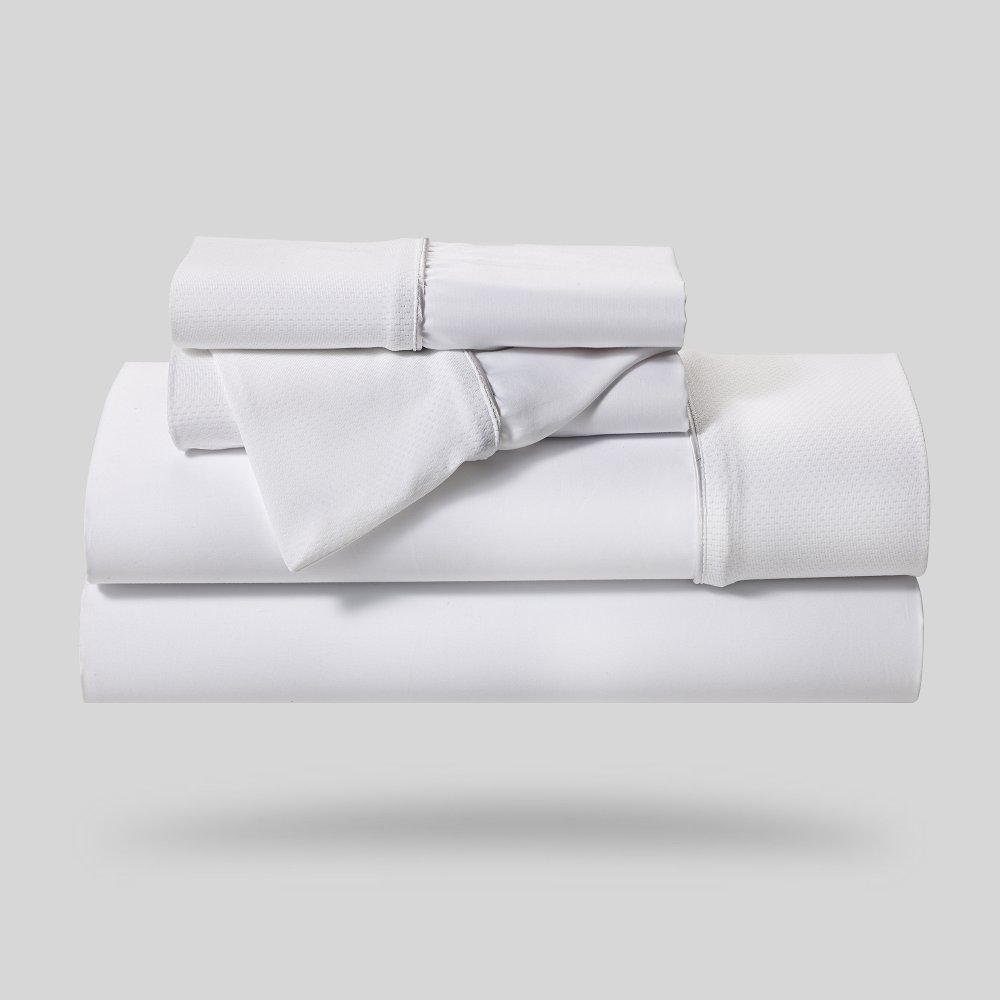
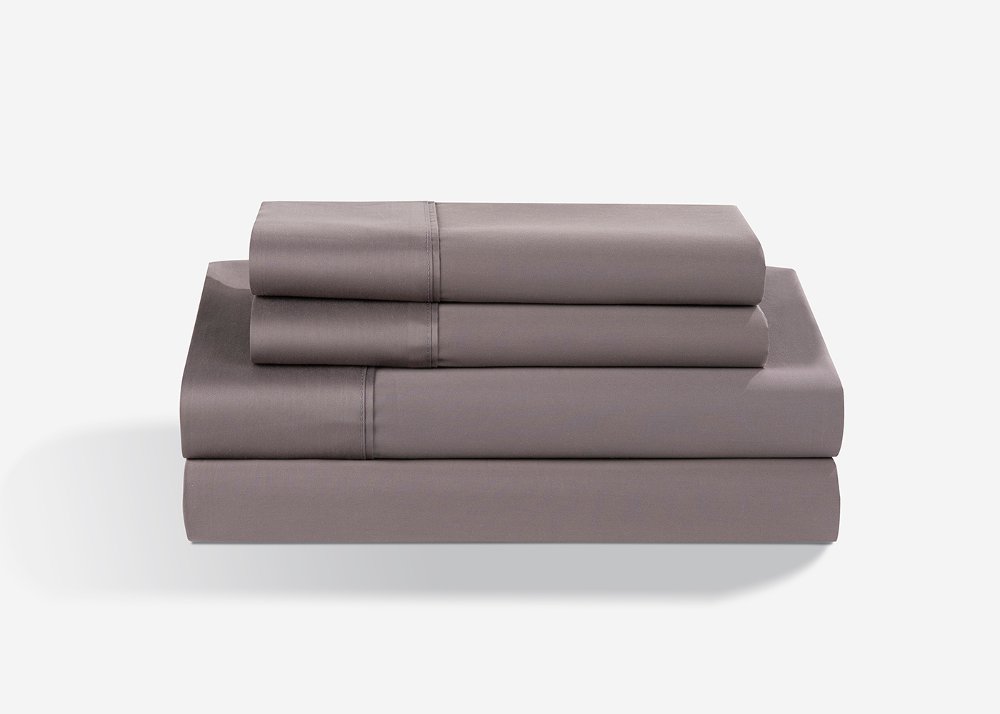
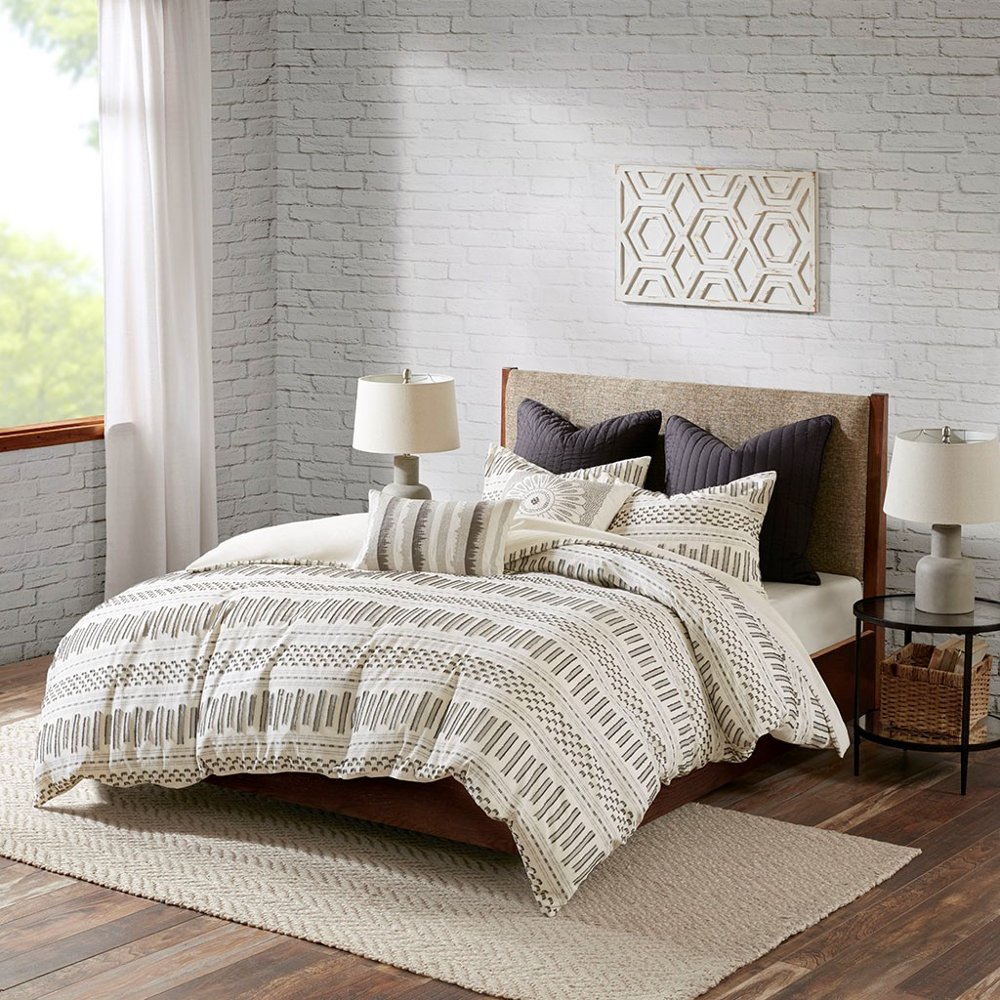
Comfortable bedding sets bring together the layers that make a bed feel inviting, from a smooth surface against your skin to a soft cover that settles around your shoulders. The right combination depends on how you sleep, how warm your bedroom stays, and the textures you enjoy. A hot sleeper may prefer breathable cotton and a lighter top layer, while someone who gets chilly might gravitate toward brushed fabrics, fleece, or a lofty comforter. Cotton percale typically has a crisp, matte feel, while cotton sateen feels smoother and has a subtle sheen. Linen offers a relaxed texture that generally softens with washing, and microfiber often feels smooth and soft with relatively little wrinkling. For a more plush finish, faux fur, micromink, and sherpa-style fabrics add a fuzzy surface that feels especially welcoming during the cooler months. These textures can hold warmth, so they’re worth considering alongside your usual sleeping temperature rather than appearance alone. The filling matters, too: a comforter’s warmth depends on its fill material, amount of fill, and construction, not simply how fluffy it looks. Down and synthetic fills can both provide loft, but their care requirements and feel vary. Quilts and coverlets generally create a flatter, less bulky layer, making them useful for sleepers who like less volume or prefer to add warmth with a separate blanket. Comfortable bedding can feel crisp and cool, gently brushed, or deeply plush; softness doesn’t have a single definition. A smooth cotton cover might be just right after a warm shower, while a textured comforter can make reading in bed feel a little cozier. Coordinated sets also give a bedroom a finished look without requiring every piece to match exactly. Across the broader category of Bedding Sets, the most useful distinctions are the layers included, the fabric against your skin, and the warmth those layers provide together. Those details help turn an appealing bedroom look into bedding that suits everyday life.
A comfortable fit starts with both the mattress size and the dimensions of each bedding layer. Twin, twin XL, full, queen, king, and California king beds have different proportions, and a size label alone doesn’t tell you how far a comforter will hang over the sides. A tall mattress or added topper can leave less fabric to drape, particularly when two people share the bed. Comparing the cover’s measurements with your mattress helps you picture whether the finished bed will have a generous overhang or a neater, shorter edge. For sets that include sheets, fitted-sheet pocket depth is especially important: it needs to accommodate the mattress and any topper without pulling loose at the corners. Set contents also vary. A comforter set commonly includes a comforter and coordinating shams, while a duvet cover set provides a removable outer cover that usually needs a separate insert. More extensive ensembles may include sheets, pillowcases, or decorative accents, but the piece count doesn’t always describe the same combination of layers. Sleeping pillowcases and decorative shams serve different purposes, and sham sizes should match the pillows you plan to use. These practical details matter just as much in a guest room as they do in the bedroom you use every night. Guests may appreciate a breathable base with an extra layer folded nearby, while a teen’s room or college bedroom benefits from bedding that’s easy to straighten and wash. For couples with different temperature preferences, a lighter shared set with a separate blanket on one side offers flexibility without adding warmth everywhere. Color and texture help the bedding feel at home in the room, too. Soft neutrals can settle comfortably alongside wood furniture, muted blues and greens create a quiet backdrop, and a patterned cover can bring interest to simple surroundings. Subtle quilting, woven texture, or a reversible design adds variety without requiring an elaborate arrangement of accent pillows. The result can feel polished while still being easy to pull back at the end of the day.
Everyday comfort also depends on how well bedding handles regular use. A beautiful set earns its place when its care routine fits your household, whether that means frequent washing in a child’s bedroom or refreshing the guest bed between visits. Machine-washable bedding can simplify those routines, but the care label remains the best source for water temperature, cycle settings, and drying instructions. A bulky comforter needs enough room to move through the washer and dry thoroughly; crowding it into a small drum can limit cleaning and leave damp areas inside the fill. A removable duvet cover offers a different approach, allowing the outer layer to be washed separately while the insert receives care according to its own instructions. Fabric construction and finishing affect durability as well as feel. Even stitching, secure seams, and quilting or baffles that help control fill movement are useful details to look for. Thread count alone doesn’t establish softness or quality, and a very high number isn’t a substitute for a fabric you enjoy touching. Plush surfaces may need gentler handling to preserve their texture, while decorative trims can require extra attention around pets, little hands, or frequent laundering. Bedding in a household with pets also benefits from practical choices about texture and color: loose loops may catch claws, and strongly contrasting fabrics tend to make shed hair more noticeable. Following recommended care helps limit avoidable wear, although fading, pilling, and shrinkage depend on the material, construction, and use. For gifting, a bedding set can be a thoughtful choice for a housewarming, wedding, or move into a first apartment when the recipient’s bed size and preferences are known. An easy-care fabric and a familiar color palette are often more useful than an ornate design that needs special handling. Whether the bed belongs to a light sleeper, a busy family member, or an occasional overnight guest, comfortable bedding sets work best when warmth, fit, texture, and upkeep suit the person using them. That balance makes the bed feel welcoming, not just when it’s freshly made, but through the ordinary nights that follow.
Read More