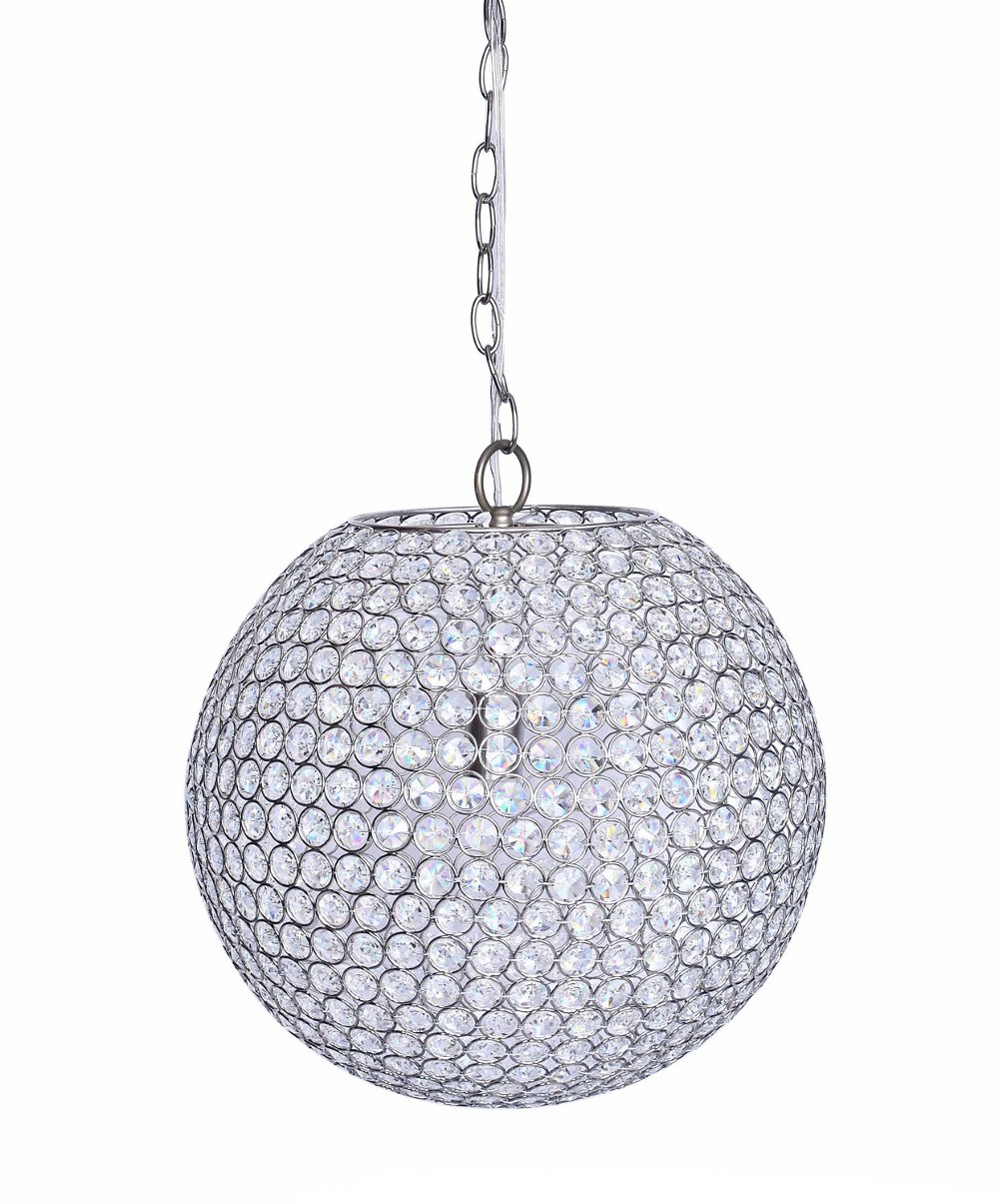
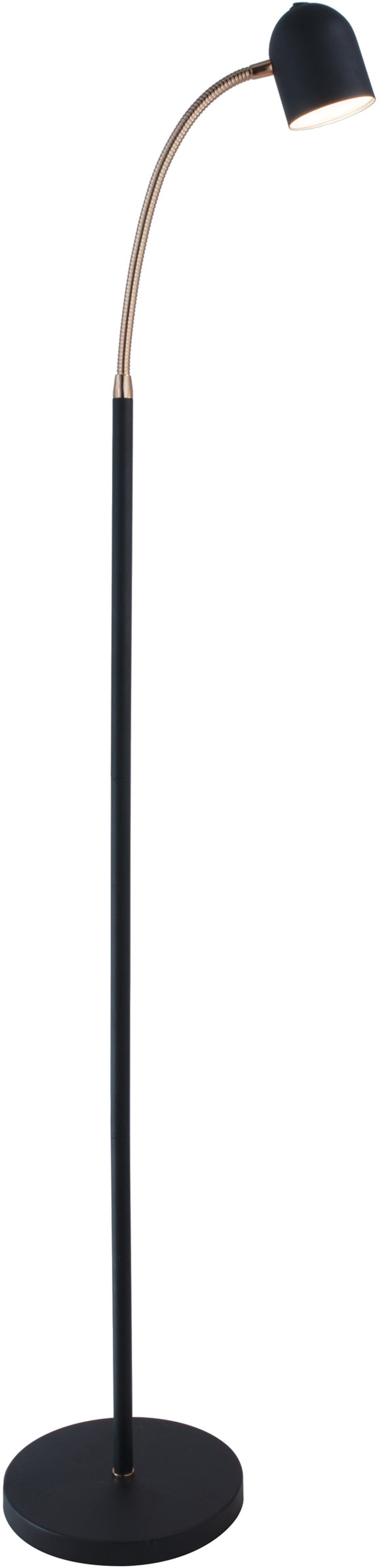
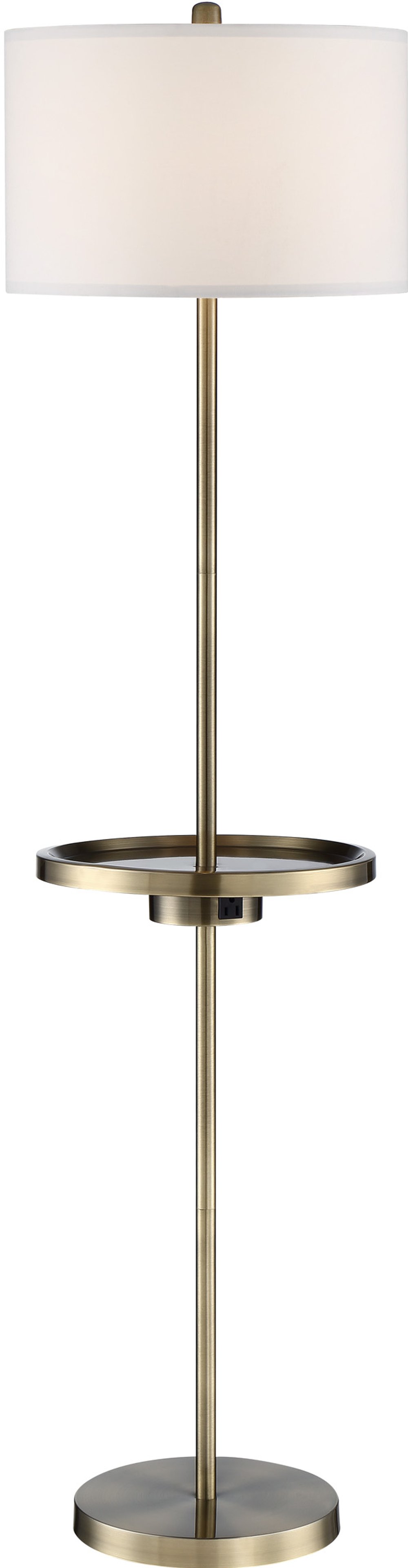
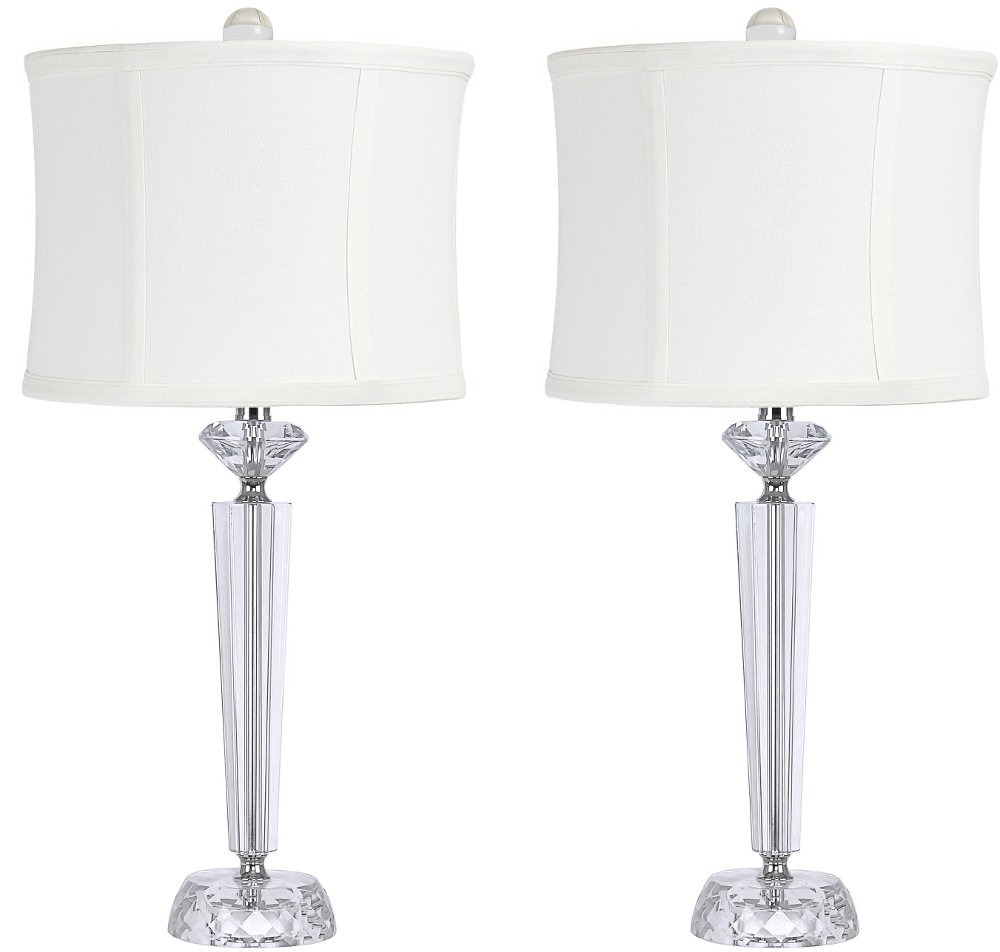
Sphere lamps bring a rounded silhouette and a welcoming glow to living rooms, bedrooms, and other spaces where lighting helps set the mood. Also called globe lamps, these fixtures feature a spherical shade, body, or illuminated orb, with designs ranging from small tabletop accents to tall floor lamps with multiple globes. A frosted or opal glass shade scatters light across its surface, softening the view of the bulb and creating a more even glow than clear glass. Clear globes have a different appeal: They leave the bulb visible, giving its shape and brightness a larger role in the overall look. Both styles introduce curves that feel at home beside the straight lines of a sofa, dresser, or bookcase. A single luminous globe on a wood console can make an entryway feel inviting, while a pair of sphere table lamps gives a bedroom a balanced, settled look. Their simple geometry fits naturally into modern and minimalist rooms, and globes paired with slender metal stems often recall mid-century lighting. Warm metallic finishes can complement wood furniture and rich upholstery; black or brushed metal creates a more defined outline against pale walls. For rooms that blend classic furniture with cleaner contemporary accents, Transitional Lamps offer another way to carry that balance throughout the space. Sphere lighting can serve as a focal point without requiring a whole-room redesign. Its effect depends on proportion, placement, shade material, and the light source inside, rather than the round shape alone. An opaque globe usually works well for ambient illumination, while a clear shade may create brighter highlights and more noticeable shadows. During the cooler months, a softly lit orb beside a favorite chair can make an evening indoors feel especially comfortable. In an open living area, several thoughtfully spaced light sources create welcoming places to read, talk, or unwind without relying entirely on overhead lighting.
The right sphere lamp fits both the surface it sits on and the way that space gets used. On a nightstand, a compact globe leaves room for a phone, a water glass, and the book that follows you to bed. A larger sphere makes more of a statement on a wide sideboard or substantial end table, where its diameter feels proportional to the furniture below it. Check the full width of the shade as well as the base footprint; a narrow stand can support a globe that extends well beyond its edges. Beside a sofa, a sphere floor lamp adds height without taking up tabletop space, although branching arms and multiple globes need clearance from curtains, doorways, and passing traffic. A stable base matters in busy rooms, especially where children or pets might brush against the lamp. Cord placement deserves the same attention: A nearby outlet keeps the setup tidy and helps avoid stretching a cord across a walkway. For reading or close work, look beyond appearance to the lamp’s light output and position. A softly glowing orb may provide beautiful background light without delivering enough illumination onto a page or desktop. Pairing ambient globe lighting with a directed task light can give a room both comfort and function. Lumens indicate brightness, while color temperature describes whether the light appears warmer or cooler. Warm white light around 2700K to 3000K often suits bedrooms and relaxed seating areas. The globe’s tint and opacity can also influence how that light looks. Dimming adds flexibility when the fixture and light source support it, letting the same corner feel brighter for conversation and softer for winding down. Touch controls, remote operation, and smart features vary by design, so check the stated capabilities rather than assuming every sphere lamp includes them. For replaceable bulbs, match the socket type, bulb dimensions, and maximum wattage, and use bulbs rated for enclosed fixtures when required.
Materials shape the look, durability, and everyday care of sphere lamps. Glass has a smooth, substantial presence, with opal and frosted finishes helping conceal the bulb and diffuse its light. Blown glass may show subtle variations that give the globe character, though glass still needs careful handling and a secure location away from table edges. Acrylic and other polymer shades generally weigh less and may resist impacts better than glass, depending on their construction, but they can scratch or react poorly to harsh cleaners. Metal bases offer a crisp contrast to rounded shades, while wood details bring warmth and connect the lamp visually to surrounding furniture. A heavier base can improve stability, but weight alone doesn’t determine how securely a lamp stands; the base width, overall height, and placement matter, too. Routine care usually starts with turning the lamp off, unplugging it, and letting it cool before gently removing dust with a soft cloth. Follow the manufacturer’s cleaning directions for the shade and finish, avoid spraying liquids into sockets or controls, and handle removable globes with both hands. Ease of maintenance is worth considering when a lamp will get daily use. A replaceable bulb offers a straightforward way to refresh the light source, while an integrated LED design may require a different service approach at the end of its useful life. Portable sphere lights can bring a similar glow to spaces without a convenient outlet, but battery runtime and charging requirements determine how well they fit the routine. For patios and other outdoor areas, choose lighting specifically rated for its intended exposure; an indoor globe isn’t suitable outside simply because its shade looks sealed. Pool use requires explicit approval for immersion, not just a general outdoor rating. Indoors, sphere lamps make thoughtful housewarming gifts or additions to a guest room, home office, or first apartment. A manageable size, an accessible switch, and a finish that works with existing furnishings help make the gift useful as well as attractive. Whether it’s a quiet bedside glow or a sculptural accent beside the sofa, sphere lighting brings a distinctive shape to a practical part of home.
Read More