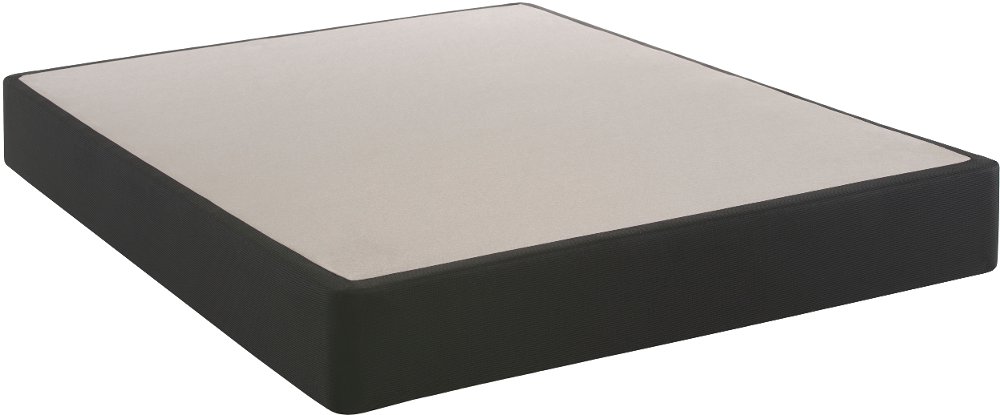
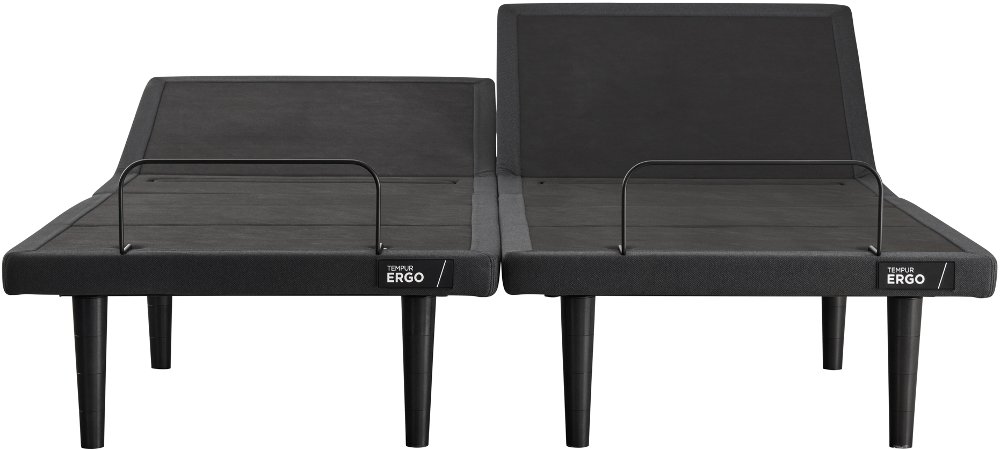
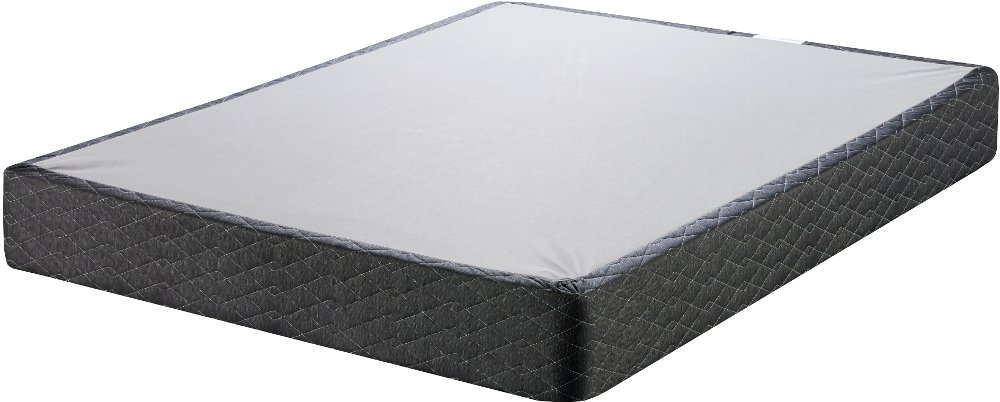
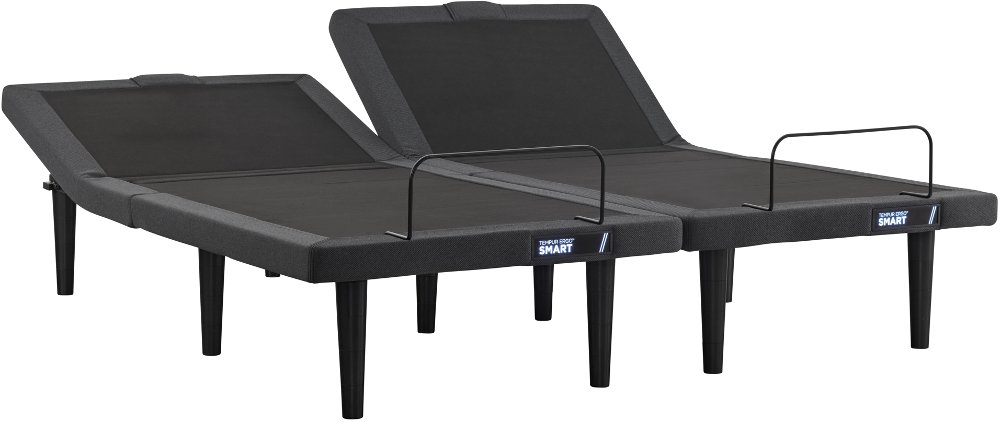
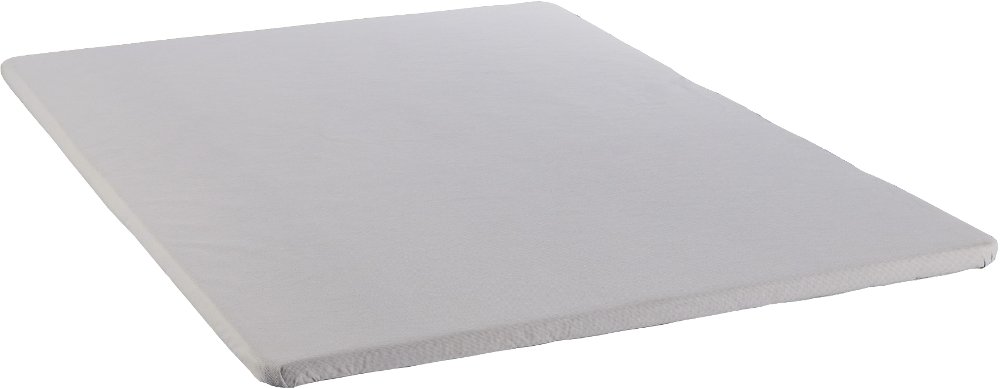
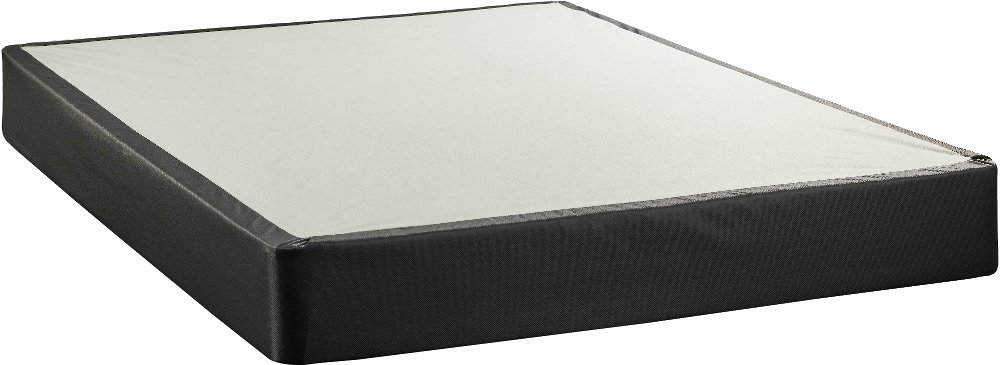
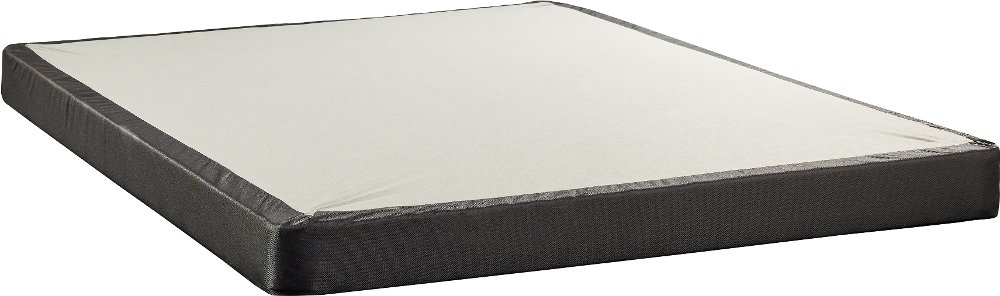
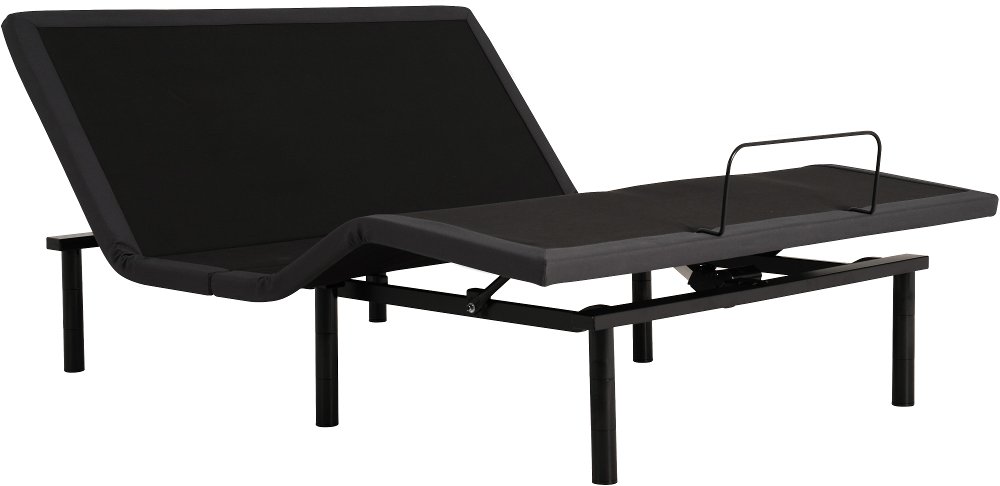
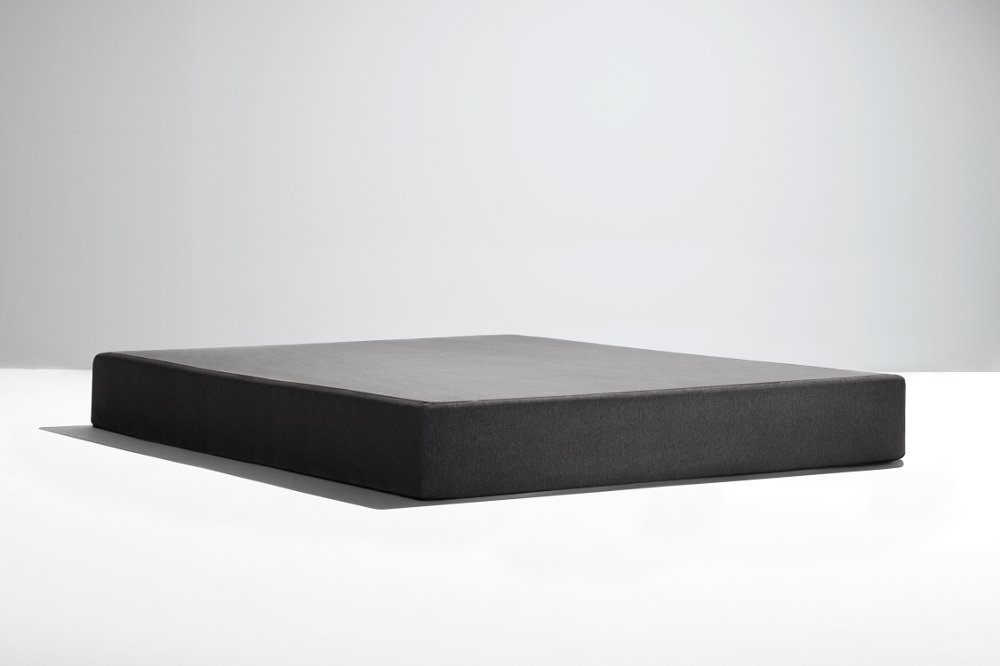
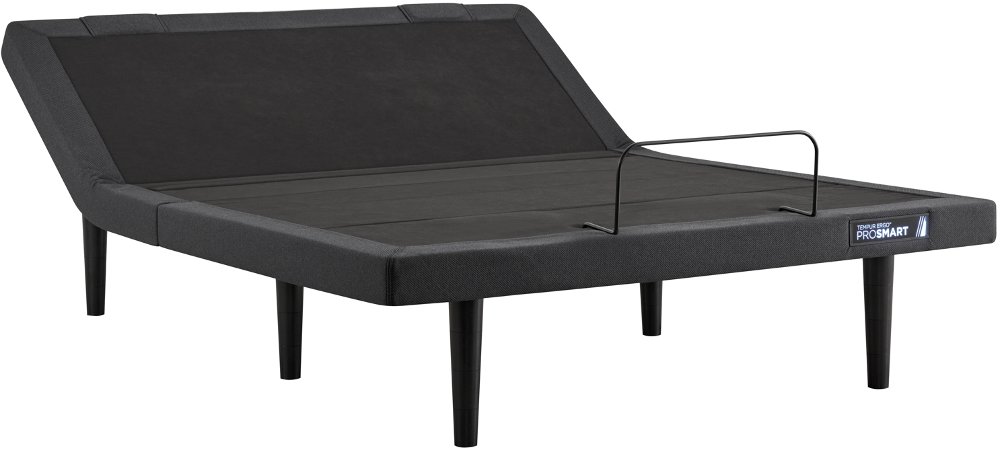
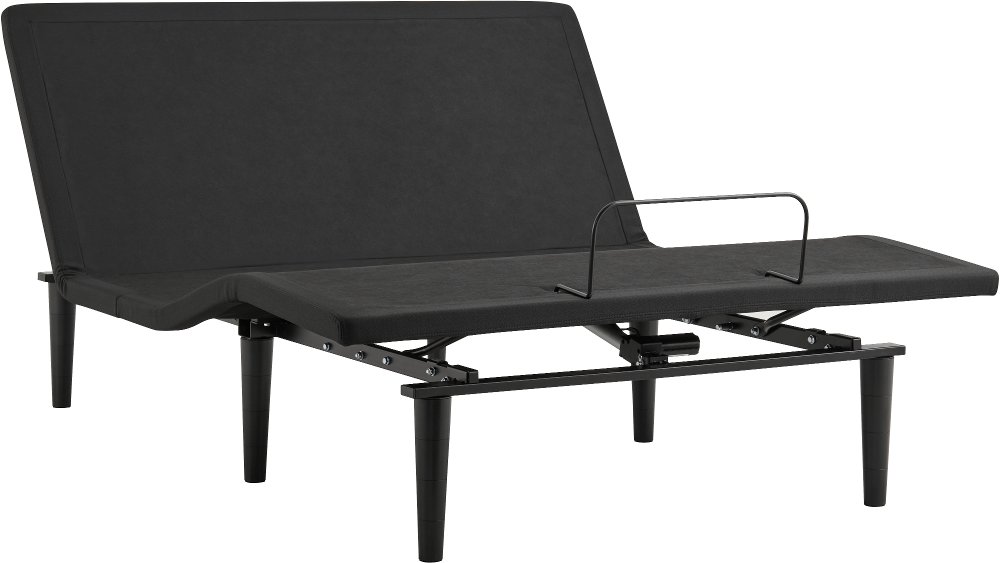
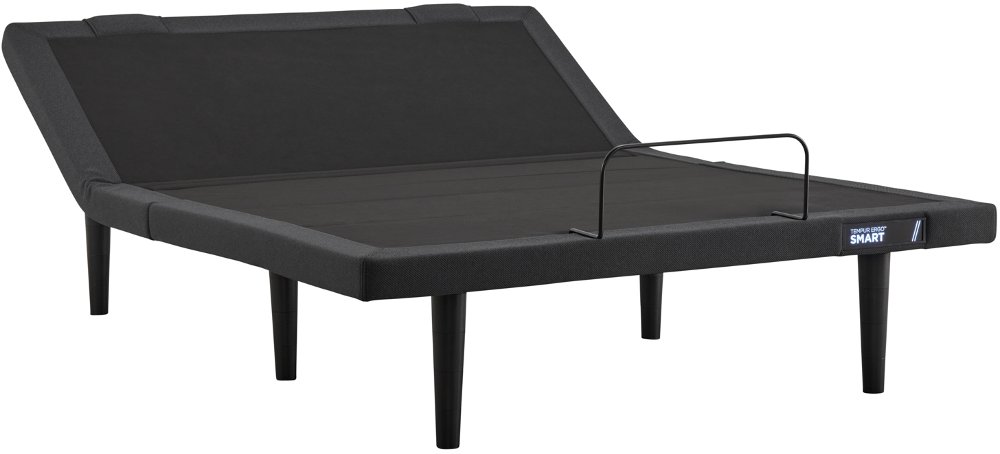
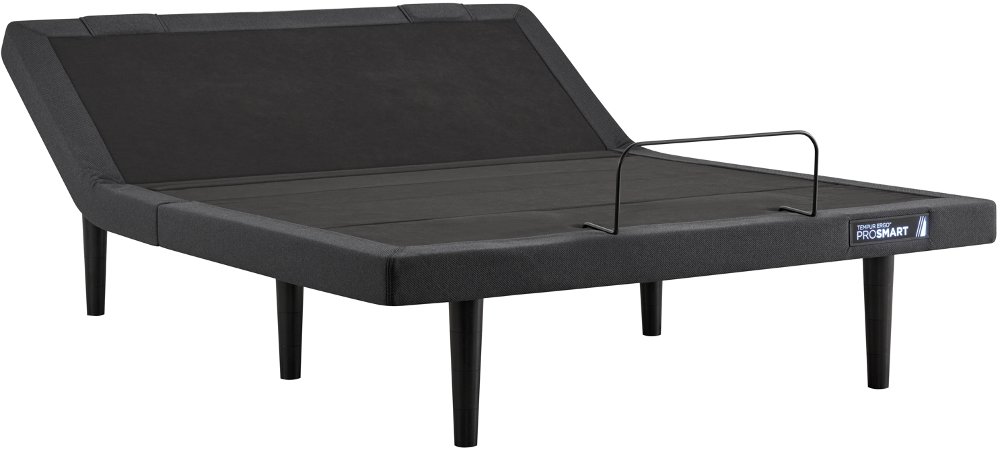
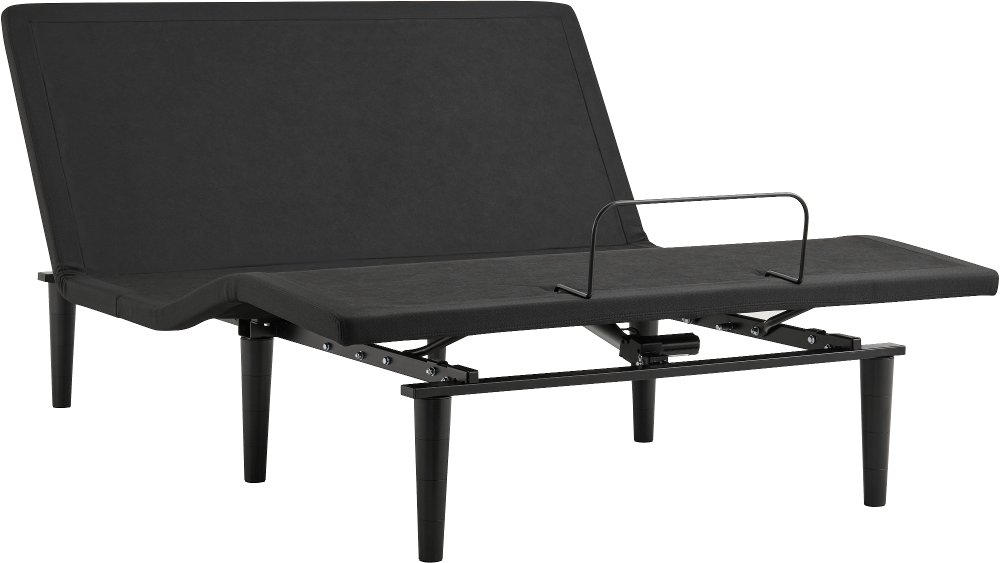
A split foundation is a mattress support base made in two separate sections that sit side by side beneath a mattress. Together, the sections create the level, stable support surface of a full-size foundation while making it easier to move the base through a home. That two-piece design is especially useful when a bedroom sits at the top of a turning staircase, beyond a narrow hallway, or behind a doorway that won’t accommodate a large, rigid foundation. Instead of trying to angle one bulky rectangle around a landing, you can move each narrower section separately and position both inside a compatible bed frame. Each section is generally lighter than an equivalent one-piece base, although its size and weight may still call for two people to handle it safely. Split mattress foundations serve the same basic purpose as one-piece foundations: supporting the mattress evenly and helping establish a comfortable overall bed height. The split describes the construction of the base, not necessarily the mattress above it. A single queen, king, or California king mattress can rest across two appropriately sized foundation sections without requiring two separate mattresses. For couples who share one mattress, that means the familiar sleeping surface stays intact while the support underneath becomes easier to transport. This practical construction suits primary bedrooms, guest rooms, apartments, and homes with challenging access. It can also make sense for people who expect to move, since a foundation that fits easily into one bedroom may need to navigate a very different floor plan later. A split foundation doesn’t automatically offer adjustable positioning, independent movement, or improved motion isolation; those features depend on other parts of the sleep setup. Its main advantage is straightforward: substantial mattress support in two more manageable pieces, provided the foundation and frame meet the mattress manufacturer’s requirements.
Size and fit matter at every layer of the bed, from the mattress dimensions to the frame that holds the foundation. A standard queen mattress measures approximately 60 by 80 inches, so a split queen foundation typically consists of two sections measuring about 30 by 80 inches each. A standard king mattress measures approximately 76 by 80 inches and commonly uses two foundation sections about 38 by 80 inches each, the same nominal dimensions as a twin XL. A California king mattress measures approximately 72 by 84 inches, so its split foundation generally uses two sections about 36 by 84 inches each. California king sections are therefore not interchangeable with standard twin XL foundations. Exact measurements can vary, making the listed dimensions of the mattress, foundation, and bed frame more useful than size names alone. Also check whether a foundation description refers to one section or a complete pair; the finished support surface needs both correctly matched halves. Both sections should have the same height and compatible construction so the mattress rests evenly across them. For a smaller bed in another room, full-size bed bases provide a separate size category to consider rather than trying to adapt queen or king foundation sections. Beyond width and length, foundation height affects how the bed feels in everyday use. A thick mattress on a tall foundation can leave your feet dangling when you sit at the edge, while a low-profile foundation can help keep the sleeping surface easier to reach. Add the frame, foundation, and mattress heights together when assessing the finished setup. Consider nearby furniture, too: a nightstand is more convenient when a glass of water or bedside lamp sits within easy reach. Measure the delivery path as carefully as the bedroom, including stair landings, overhead clearance, and the space available to turn each section through a doorway.
Construction determines how a split foundation supports a mattress and how well it holds up to everyday use. Common designs use wood framing, metal framing, or a combination of structural materials, often finished with a fabric cover. Inside, slats, cross supports, or other load-bearing components form the surface beneath the mattress. The spacing and strength of those components matter more than the appearance of the upholstery, especially for foam and hybrid mattresses that may require closely spaced or solid support. Although “box spring” and “foundation” are sometimes used interchangeably, a traditional box spring contains springs, while many modern foundations provide a rigid support structure without them. Match the support type to the mattress rather than assuming any upholstered base will work. Check the mattress manufacturer’s guidance on foundation design, slat spacing, and frame support, including any requirements tied to warranty coverage. The bed frame also needs to support both halves securely, with the center rail, legs, and other components specified for that setup. Some platform beds already provide suitable mattress support and don’t need a separate foundation; adding one may simply raise the bed higher than intended. Unless the foundation is specifically designed to stand on its own, it needs an appropriate supporting frame. For durability, look for sound joints, a sturdy structure, and clearly stated load limits, then follow assembly directions so the sections remain level and properly seated. Ordinary care is simple but worth keeping consistent. Follow the cover’s cleaning instructions, remove surface dust with an appropriate vacuum attachment when permitted, and avoid soaking the fabric or interior materials. When changing bedding or moving the mattress, take a moment to check for loose hardware, shifting sections, damaged slats, or areas that no longer sit flat. New squeaks or an uneven sleeping surface deserve a closer look at the frame and foundation before assuming the mattress is responsible. A well-matched split foundation keeps the focus where it belongs: a bed that fits your room, supports your mattress as intended, and remains practical to live with.
Read More