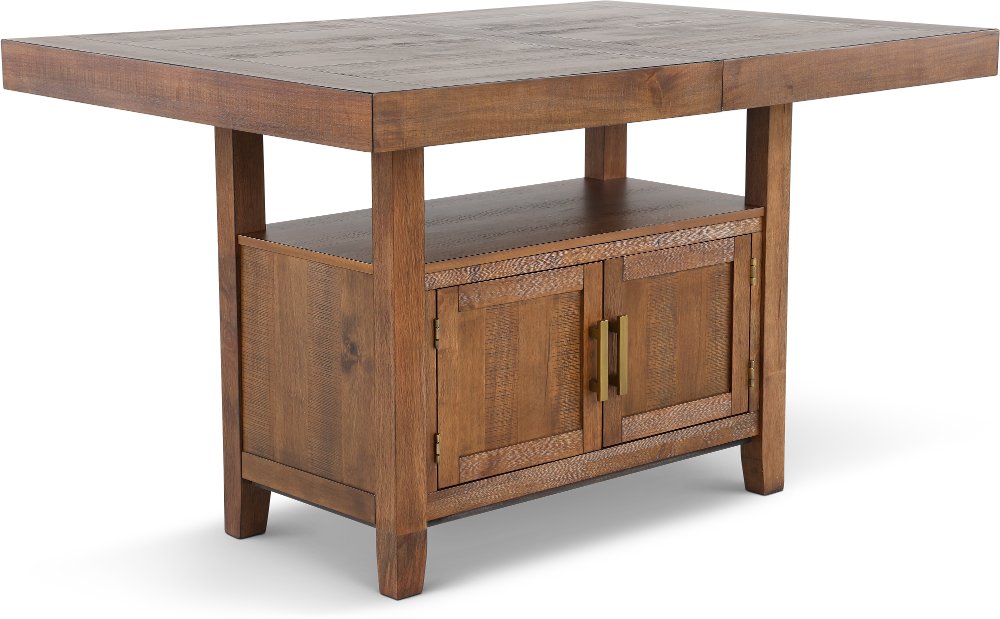
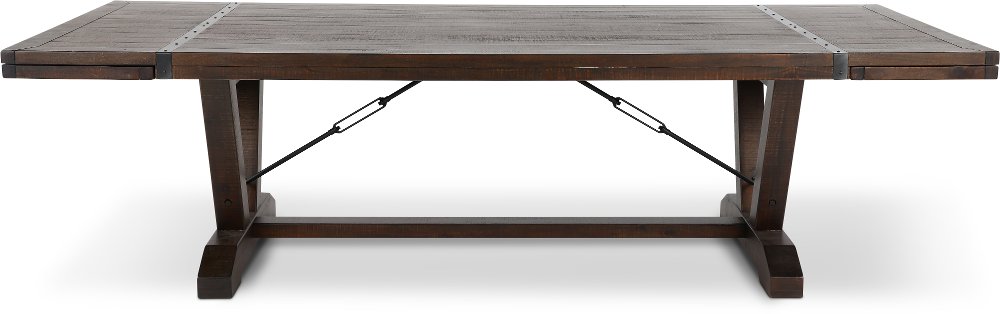
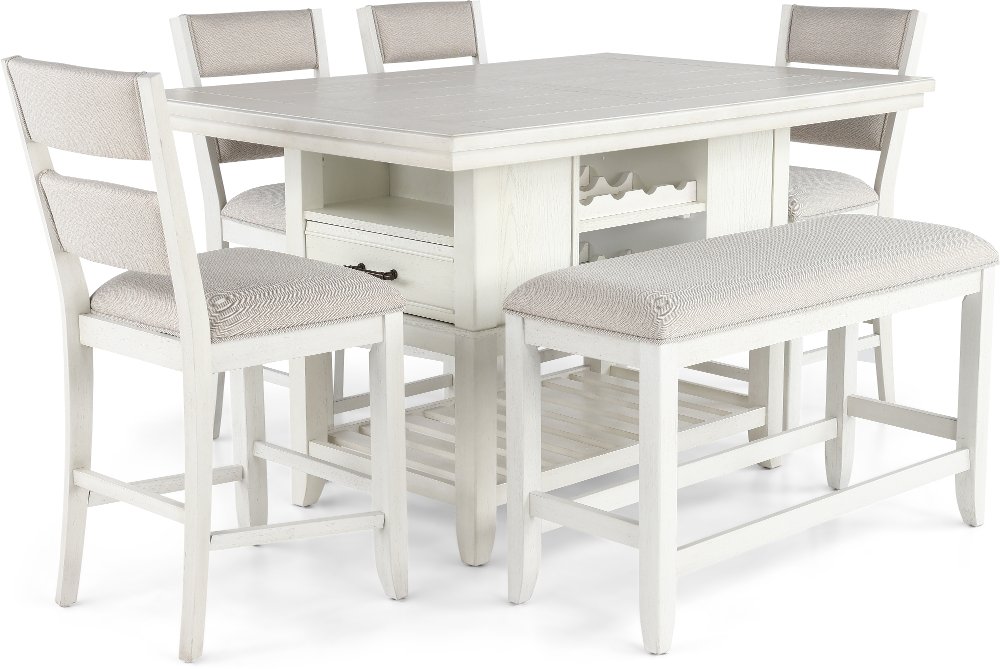
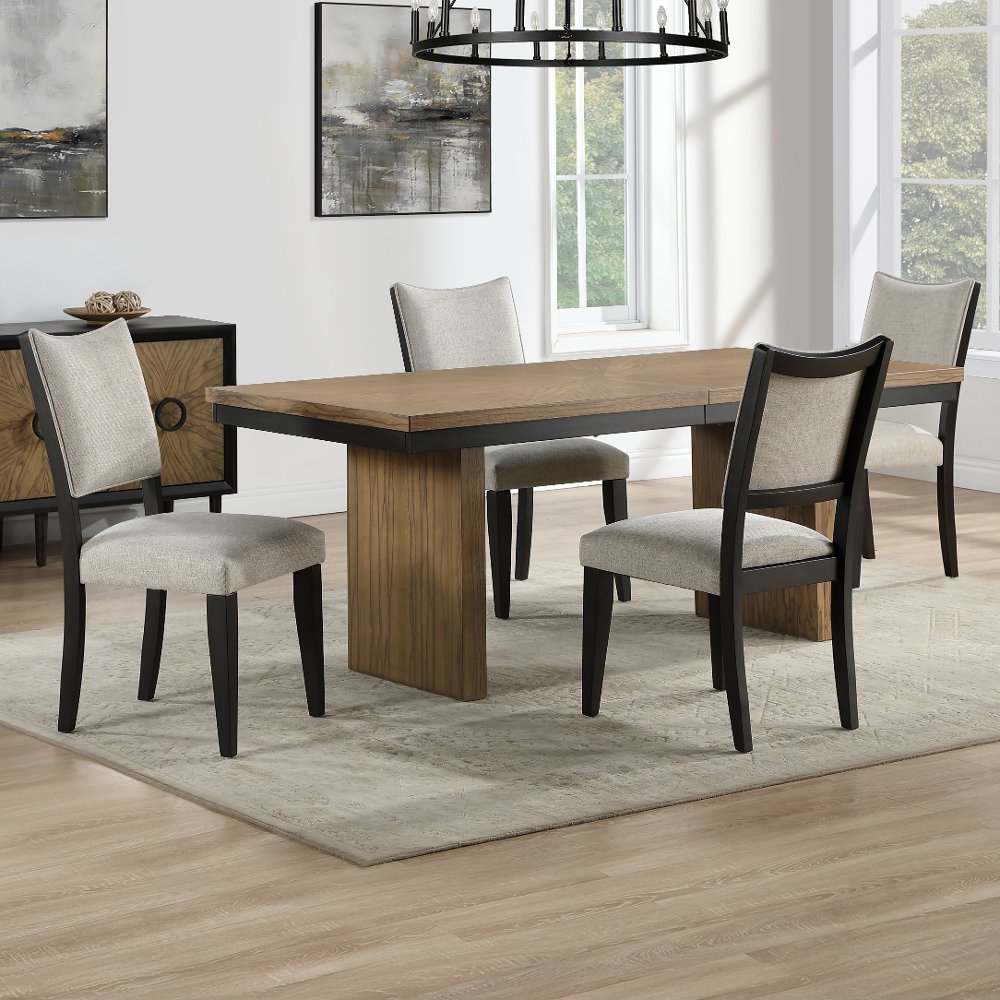
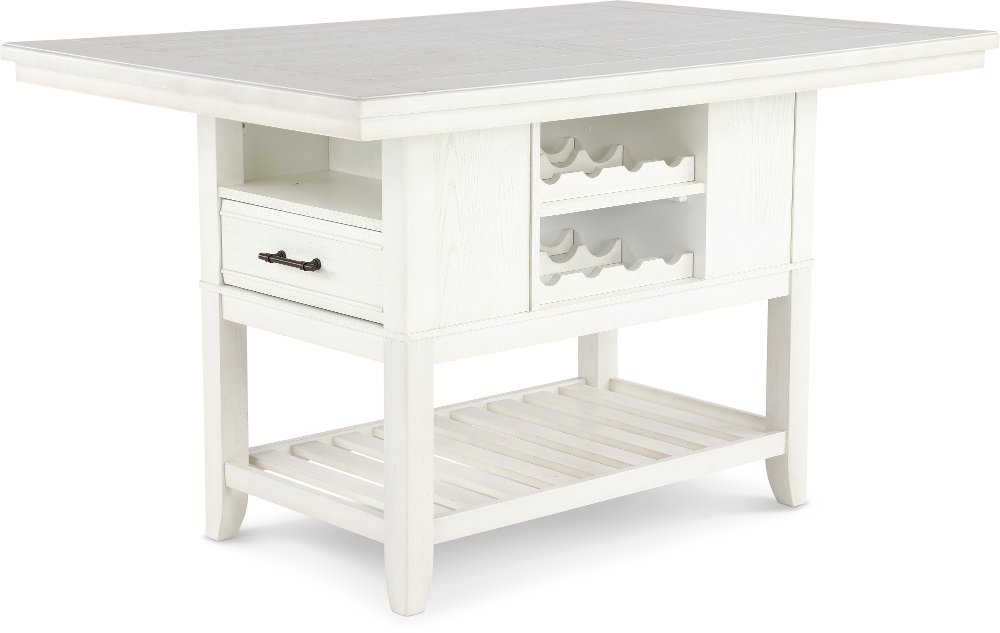
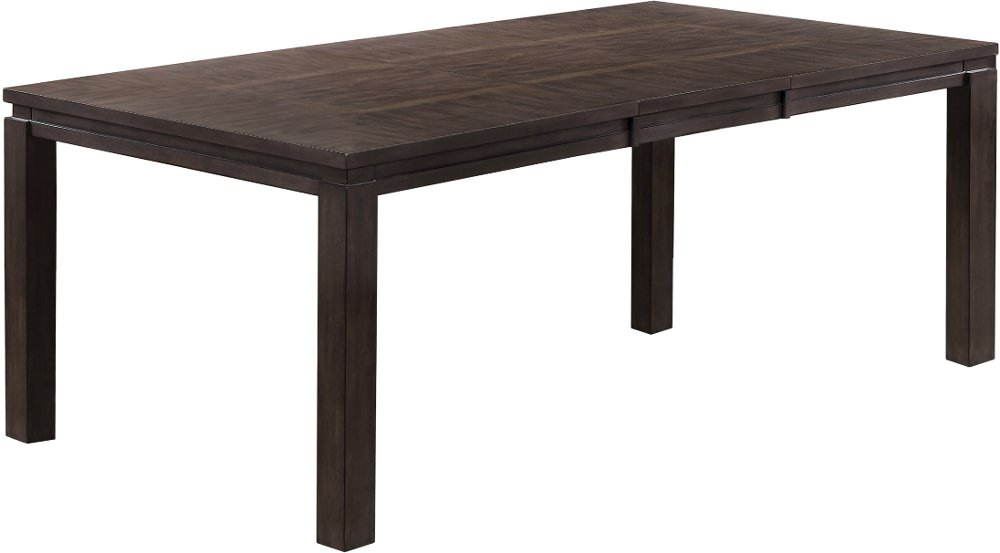
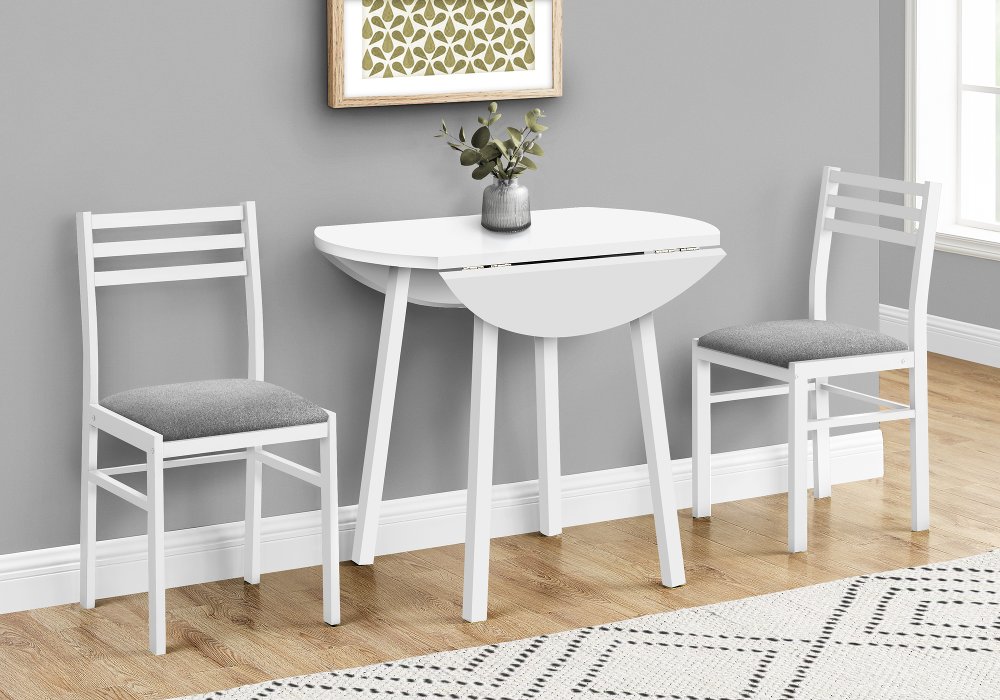
Storage dining tables combine a place to eat with built-in space for the things that make everyday meals easier. Depending on the design, that storage may include drawers beneath the tabletop, open shelves at one end, or a cabinet within a pedestal base. Each arrangement puts otherwise unused space to work, helping a dining nook, apartment kitchen, or multipurpose dining room feel less crowded. A shallow drawer can keep napkins, placemats, and serving utensils close without leaving them on the table. An open shelf makes frequently used dishes easy to reach, while an enclosed compartment keeps extra linens or board games out of sight. For a household that uses the dining area for homework between meals, separate compartments can give pencils and paper a home before dinner reaches the table. The most useful layout depends on what needs storing and how often someone needs to reach it. Shelves near an outside edge offer convenient access, but anything stored there remains visible. Storage inside a central base creates a more contained look, though chairs may need to move before a cabinet door can open fully. Some storage dining tables also have drop leaves or extension mechanisms, bringing flexible seating into the same footprint. A drop-leaf design reduces the tabletop’s size when its leaves are lowered; an extension table adds dining surface when opened. These features don’t automatically mean a table has built-in storage, and a compartment designed for a self-storing extension leaf may not accommodate household essentials. Looking closely at the storage configuration helps distinguish usable shelves and drawers from space reserved for the table’s own components. For couples sharing a compact breakfast corner, families balancing meals and projects, or hosts keeping serving pieces nearby, a dining table with storage can simplify the room without requiring a separate cabinet. It keeps useful things within reach while preserving the table’s main purpose: a comfortable place to sit down together.
The right fit includes the tabletop, the chairs, and the space needed to use the storage comfortably. Rectangular storage dining tables often suit longer rooms or dining areas alongside a kitchen, with end shelving that can face an open walkway. Square designs can create a compact setting for smaller households, while round tables soften the layout and make conversation easy across the surface. A round top doesn’t necessarily mean extra legroom, however; a substantial storage pedestal can take up space where feet naturally rest. As a general planning allowance, leave about 36 inches between the table edge and a wall or nearby furniture so chairs can pull out, and consider more clearance where people regularly walk behind seated diners. Measure an expandable table in both its closed and fully extended positions, including the space around any lowered leaves. Drawer travel and cabinet-door swing deserve attention, too. A table may fit neatly on a floor plan but become awkward if opening a drawer requires moving a chair into a busy doorway. Allow roughly 24 inches of tabletop width per diner as a starting point, then account for wider chairs, armrests, table legs, and the base’s shape. Seating capacity depends on these details rather than the tabletop dimensions alone. Standard-height dining tables generally pair with dining chairs, while counter-height storage tables need appropriately sized stools or chairs; about 10 to 12 inches between the seat and the underside of the tabletop is a useful comfort check. Aprons, drawers, and shelves can reduce that clearance, so measure the lowest obstruction rather than just the top’s height. In an open living and dining area, storage can also extend beyond the eating space. Complementary Storage Sofa Tables can hold baskets or everyday accessories behind a sofa, leaving dining-table compartments dedicated to mealtime essentials. Keeping those functions distinct helps the room feel connected without turning every shelf into a catchall.
Materials, construction, and finish influence how a storage dining table looks and how well it handles daily life. Solid wood brings natural grain and can develop character with use, although it responds to changes in indoor humidity and benefits from consistent care. Wood veneer offers a real-wood surface over a supporting core, creating a grain-rich appearance without solid-wood construction throughout. Its long-term condition depends partly on the quality of that core, the finish, and protection from moisture, especially along edges and seams. Laminate surfaces can be practical for frequent meals and craft projects because many wipe clean easily, but their resistance to scratches and heat varies. Metal bases can provide sturdy support and a visually lighter contrast to wood-look tops, while their joints and protective finishes still need attention. Durability comes from the whole construction, not a material name alone. A stable base, secure connections, smoothly operating drawers, and well-supported shelves matter when compartments get opened several times a day. Check stated weight limits before filling a shelf with stacked dinnerware or small appliances, and keep heavier pieces low when the design permits. Storage dimensions matter just as much as capacity: a shelf that holds folded napkins may be too shallow for dinner plates, and a drawer may need extra depth for placemats to lie flat. For everyday care, follow the manufacturer’s instructions, wipe spills promptly with a soft cloth, and avoid letting moisture collect around drawer fronts or tabletop seams. Coasters, placemats, and trivets help protect the surface from condensation, abrasion, and hot serving dishes. Clean crumbs from drawer tracks and shelf corners, and check hardware periodically as directed to keep moving parts working smoothly. Style can be practical as well as personal. Closed storage supports a streamlined room, open shelving gives neatly stacked bowls a place in the decor, and contrasting finishes add definition without extra furniture. Whether the table anchors a first apartment, a busy family dining area, or a smaller home with fewer cabinets, well-planned storage makes it easier to clear the surface, settle into a meal, and enjoy a room that works for everyday routines.
Read More