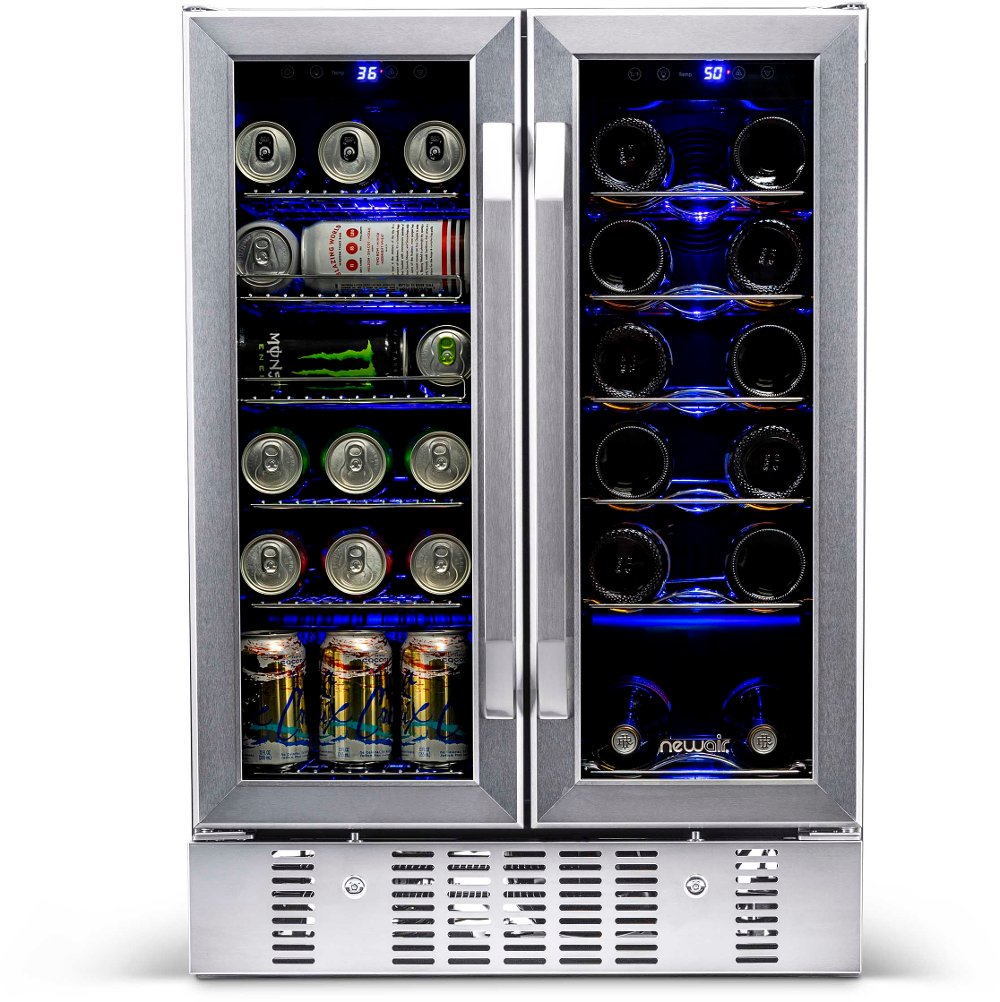
Tall refrigerators make use of vertical space, giving you room to organize fresh food, drinks, and meal ingredients in a layout that suits your kitchen. Many taller residential refrigerators measure approximately 70 to 84 inches high, though “tall” isn’t a standardized size category, and exact dimensions vary by configuration. Height alone doesn’t determine capacity: width, depth, insulation, and the arrangement of shelves and compartments all affect usable storage. A tall, narrow refrigerator can fit a smaller kitchen while providing more vertical organization, while a wider model may better accommodate serving platters and a full grocery haul. French door refrigerators typically place two fresh-food doors above a lower freezer, keeping frequently used ingredients near eye level. Bottom-freezer designs offer a similar arrangement with a single refrigerator door, while side-by-side refrigerators divide fresh and frozen storage into neighboring vertical compartments. A full-height refrigerator-only design dedicates its interior to fresh food and can work well for households that keep frozen groceries in a separate freezer. Built-in refrigerator columns offer another approach, with dedicated fresh-food storage designed to integrate into cabinetry, sometimes alongside a matching freezer column. These differences matter more in daily use than height by itself. Someone who cooks most meals at home may appreciate room for leafy greens, prepared ingredients, and tall containers of stock. A busy household might prioritize easy-to-reach snack drawers, adjustable door bins, and enough separation to keep lunch supplies from disappearing behind larger containers. Frequent hosts may prefer broad shelves that hold a cake carrier or a tray of appetizers without extensive rearranging. For an apartment or a kitchen with a compact footprint, vertical storage can be useful, provided the upper shelves remain comfortable to reach. The best fit puts the foods you use most often within easy reach rather than simply adding the greatest possible height. Consider how fresh and frozen foods divide your grocery list, too; a generous refrigerator compartment is most useful when the freezer also matches your routine.
A tall refrigerator needs to fit both its final location and the route through your home. Measure the cabinet opening at several points, noting the available height, width, and depth, and compare those measurements with the manufacturer’s installation requirements. Listed height may refer to the cabinet, the top of the hinge, or another measurement point, so check the dimension drawing rather than relying on a single number. An overhead cabinet or a low soffit can limit your options even when the refrigerator looks proportionate to the room. Allow the specified ventilation clearances, since a close fit shouldn’t restrict airflow needed for proper operation. Depth deserves equal attention. Counter-depth refrigerators generally have shallower bodies than standard-depth designs, but their doors and handles may still extend beyond the surrounding counters. Built-in models follow different installation requirements and may need particular cabinetry dimensions, anchoring, or ventilation arrangements. For a more integrated kitchen appearance, Luxury Refrigerators offer another way to explore designs where cabinetry alignment, finishes, and interior organization play a prominent role. Whatever style you prefer, leave enough space for the doors to open as specified and for interior drawers to slide out fully. A refrigerator beside a wall may require additional side clearance to make a crisper drawer accessible or removable for cleaning. Picture standing at the open door with a grocery bag while someone passes behind you; that everyday moment can reveal whether an island or nearby counter leaves enough working room. Doorways, hallway turns, stairways, and ceiling clearance along the delivery path also deserve a careful check. If you want an ice maker or water dispenser, confirm that the installation location has a suitable water connection and an accessible shutoff valve. A properly located electrical outlet matters as well. Renters and homeowners replacing an existing appliance can benefit from checking these details early, especially when moving to a taller configuration. A few extra inches of height can change how an otherwise familiar kitchen opening works.
Inside a tall refrigerator, thoughtful storage details can make the difference between neatly arranged groceries and food that’s difficult to find. Adjustable shelves help accommodate a pitcher, a covered mixing bowl, or upright beverage bottles, while split or folding shelf arrangements can create temporary space for taller containers. Check shelf dimensions and weight limits if you regularly store heavy cookware or large quantities of drinks. Glass shelves make small spills easy to see, and raised edges on some designs help contain them, although no shelf eliminates the need for prompt cleanup. Clear drawers let you spot produce before buying duplicates, and humidity controls, where included, provide flexibility for storing different fruits and vegetables. Deep door bins can free up shelf space, but their usefulness depends on the size of the containers you actually use. Keep less frequently needed foods on upper shelves and place everyday essentials where household members can reach them comfortably. Exterior materials affect both appearance and upkeep. Stainless steel offers a familiar, versatile finish, while coated finishes may reduce the visibility of fingerprints; cleaning requirements vary, so follow the care instructions for the surface rather than assuming every stainless-look finish needs the same treatment. Panel-ready designs use compatible cabinetry panels for a coordinated appearance and require careful planning for panel dimensions and weight. Durable daily performance also depends on sturdy shelf supports, smoothly operating drawers, well-aligned doors, and intact gaskets. Clean spills with an approved mild solution, wipe door seals gently, and keep ventilation areas unobstructed. Replace water filters and clean accessible components according to the manufacturer’s schedule. An overfilled compartment can block internal air vents, so leave space for the refrigerator’s cooling system to circulate air as intended. Compare the EnergyGuide labels for estimated annual energy use, and consider ENERGY STAR certification alongside capacity and layout. Features such as open-door alerts, interior lighting, and clearly marked controls can be particularly helpful in a tall appliance. A refrigerator that fits your space, keeps everyday groceries visible, and stays straightforward to care for can support everything from a quick breakfast to a full afternoon of meal preparation.
Read More