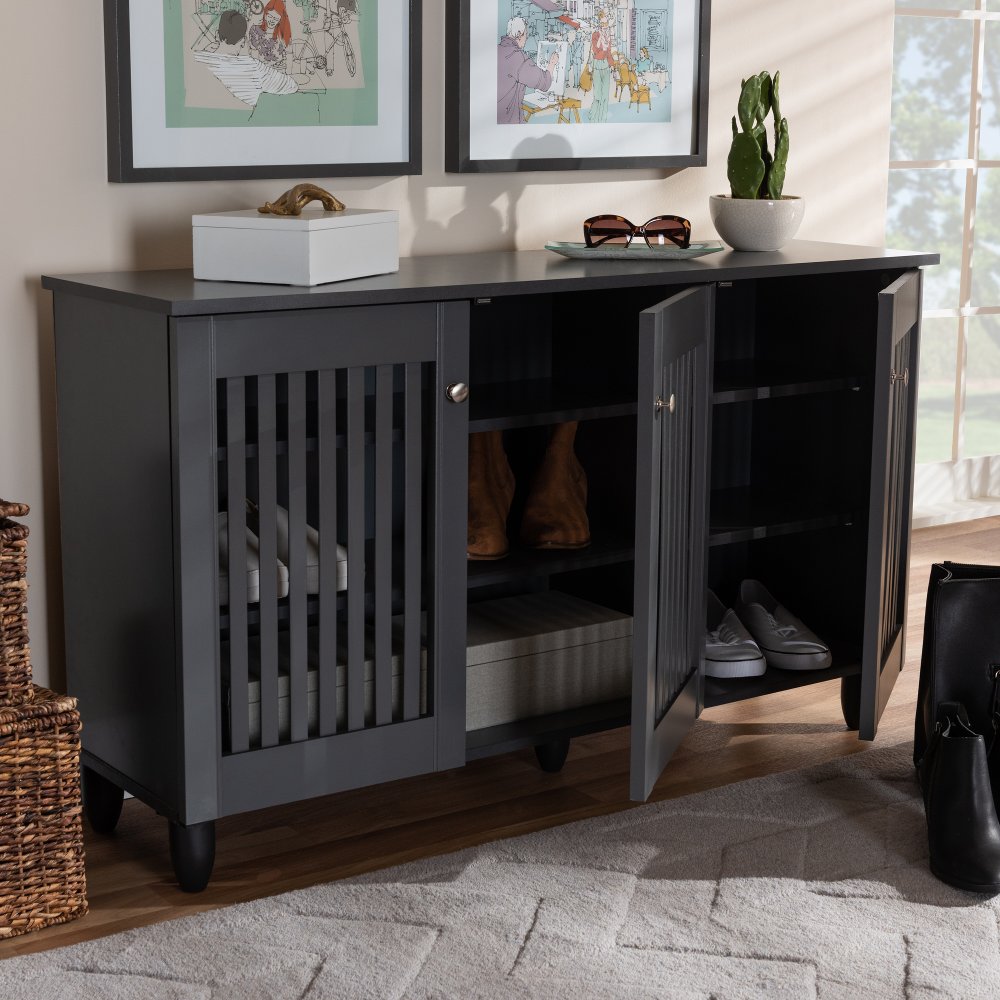
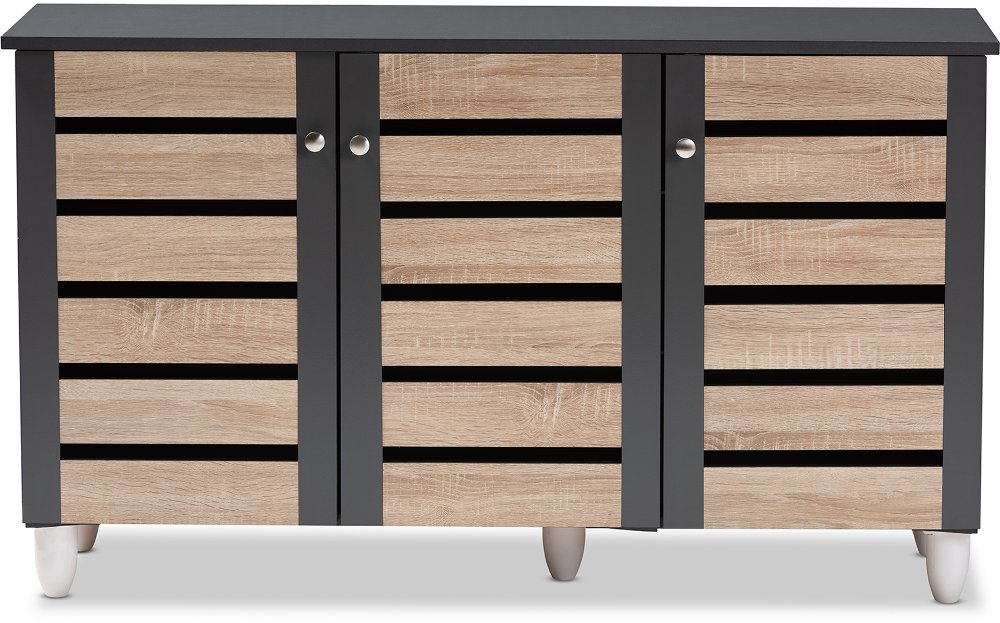
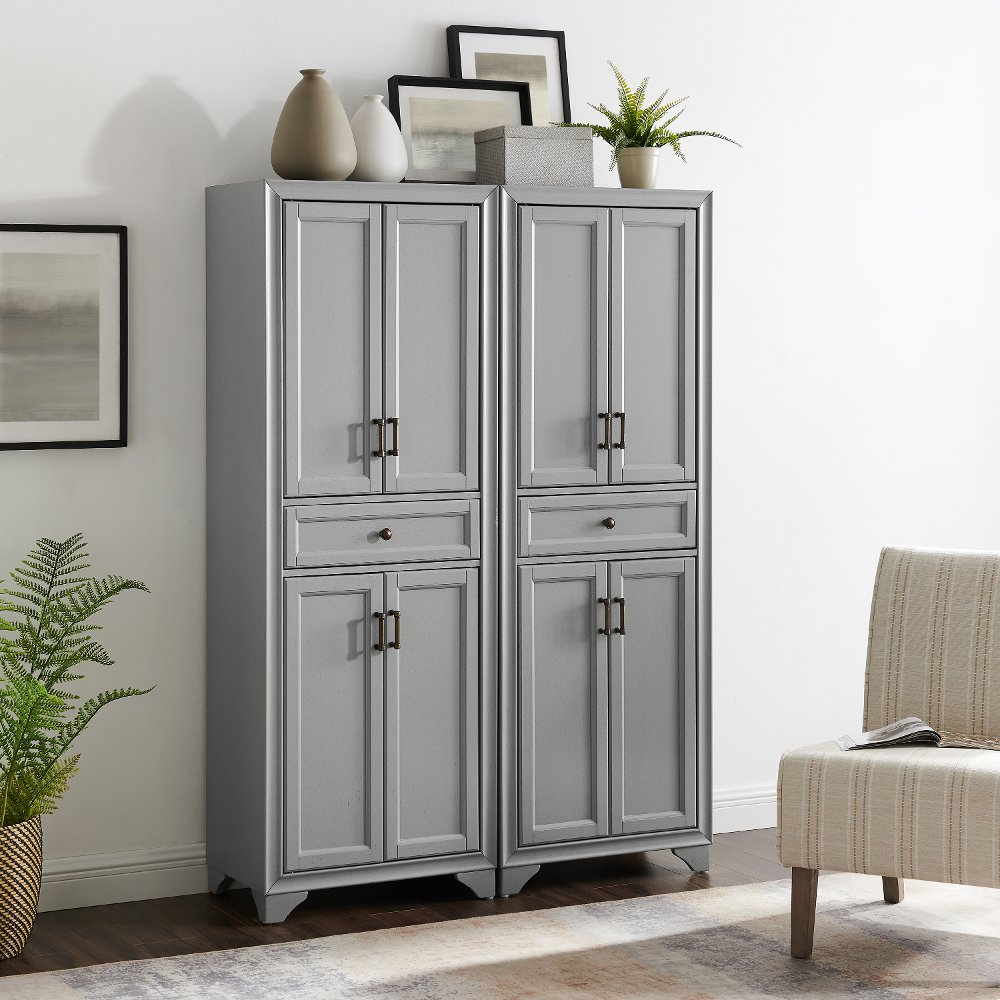
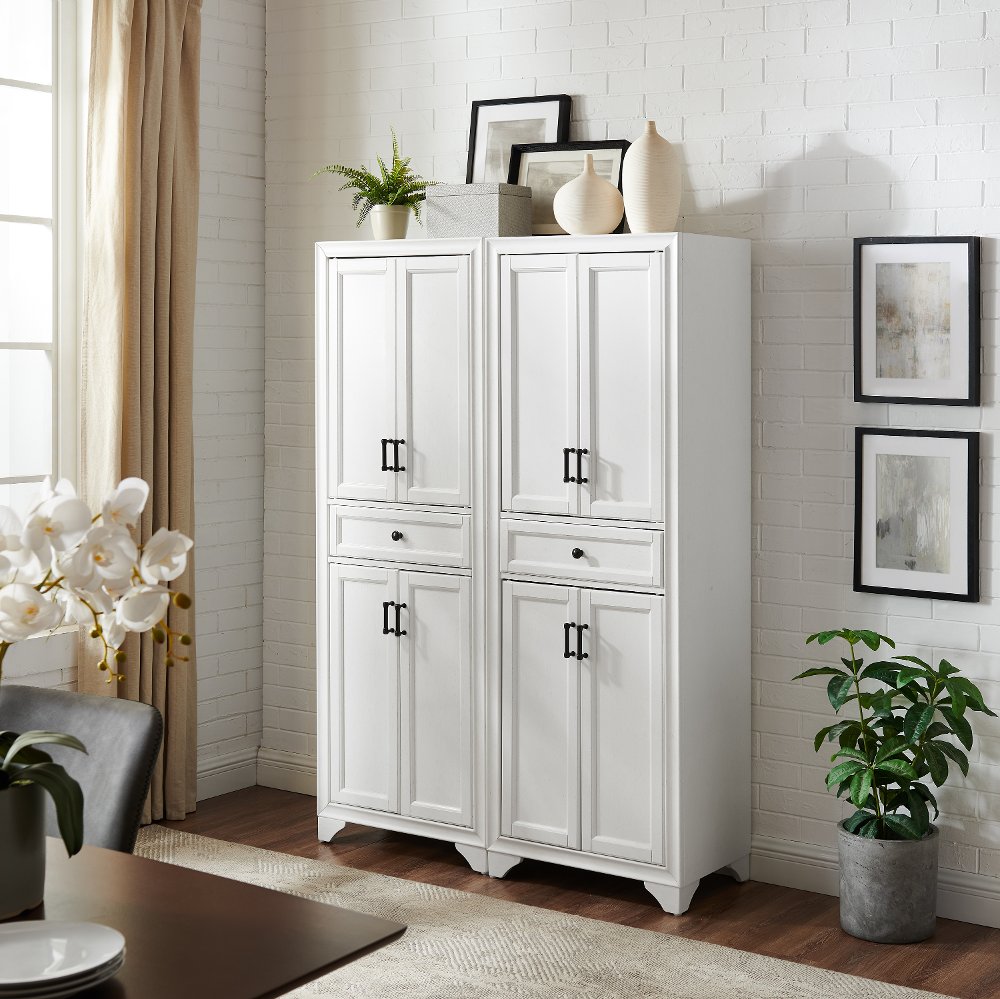
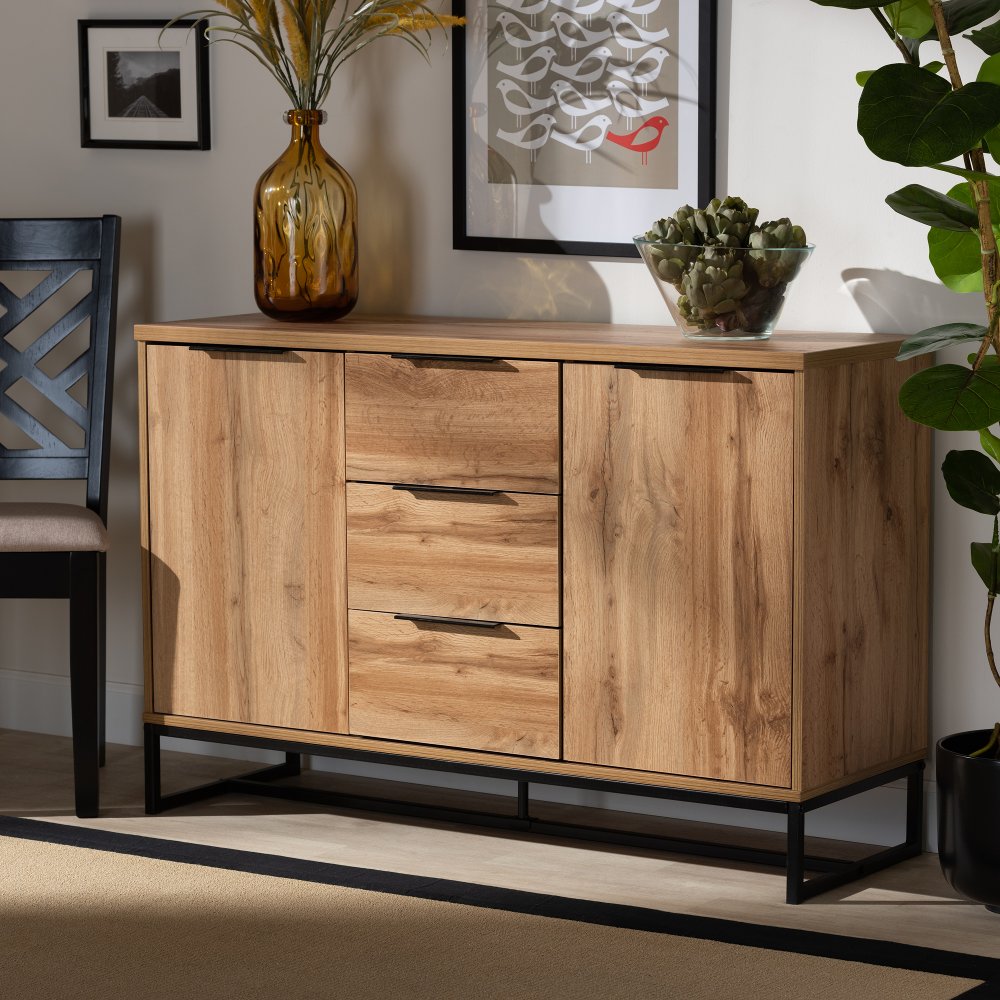
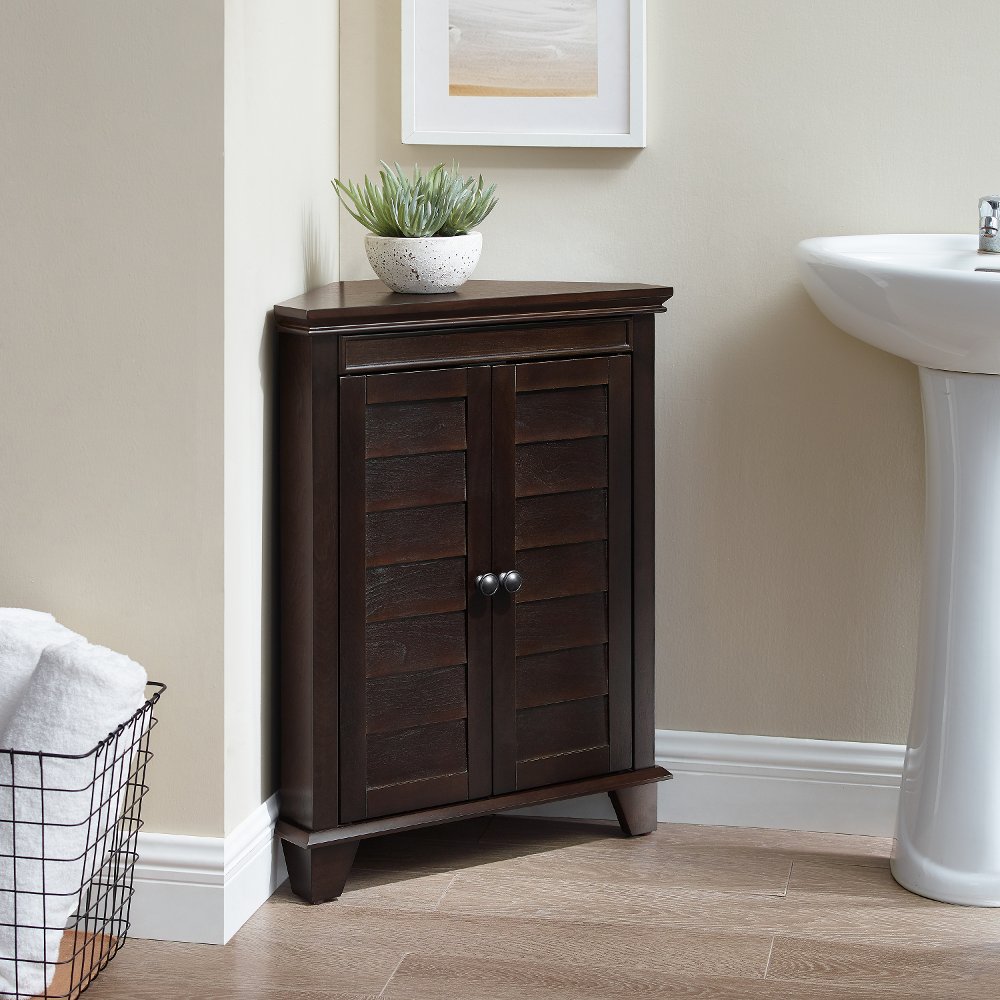
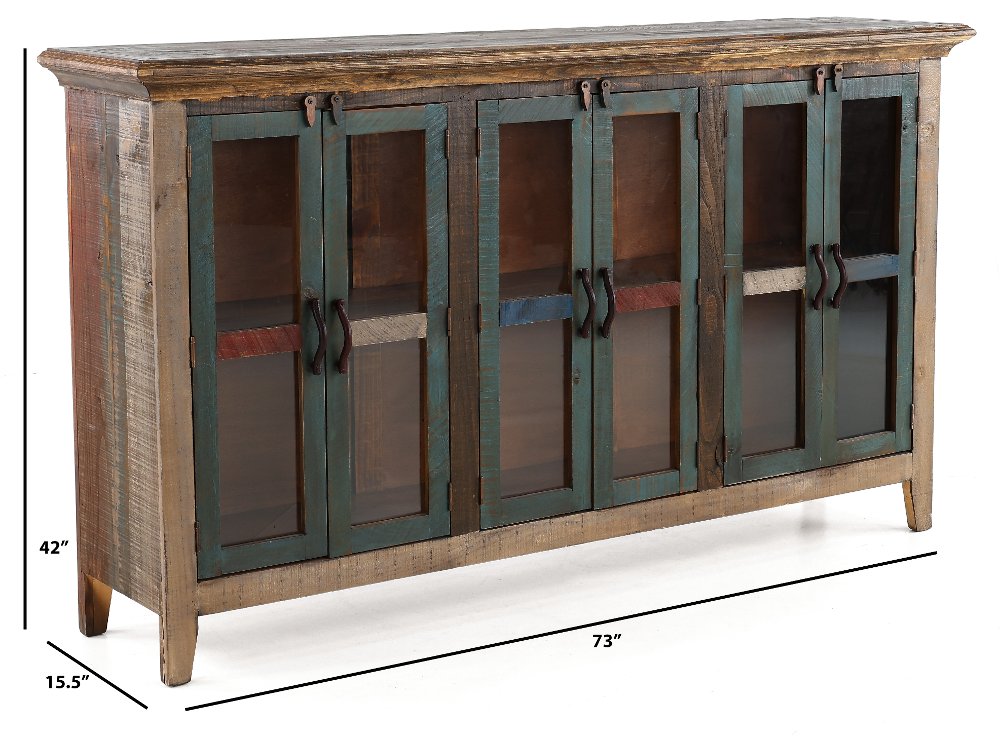
Three door cabinets combine enclosed storage with a useful top surface, giving dishes, books, games, and everyday essentials a place to land without leaving everything on display. A three door cabinet has three front doors, but the layout behind them can vary: some designs divide storage into separate sections, while others have a wider compartment behind two doors and a narrower section behind the third. That distinction matters when you’re putting away a serving platter, a stack of board games, or a tall vase. In a dining room, a three door sideboard or buffet cabinet keeps table linens and serving pieces close to the table, with room on top for a lamp or a tray of glasses. In a living room, an accent cabinet can hide puzzles, photo albums, and extra throws while giving framed pictures and pottery a defined display space. An entryway cabinet creates a convenient landing spot for a key tray, with enclosed room below for bags and other belongings, provided the shelves are sized to hold them. For households where one room handles several jobs, that flexibility is especially helpful. Work supplies can stay behind one door, craft materials behind another, and entertaining essentials in the remaining space, depending on the interior configuration. A cabinet doesn’t have to match every piece around it to feel at home. A wood finish can add warmth beside an upholstered sofa, a painted finish can echo nearby trim, and a metal frame can connect with lighting or table legs elsewhere in the room. Fluted fronts, simple flat panels, glass inserts, and woven details each change the look, from understated to more decorative. Within the broader range of Door Cabinets, three door designs offer a substantial storage surface and a balanced front that can work as a focal point or a quiet supporting piece.
The best fit comes down to more than finding a cabinet that fits along an empty wall. Width determines how much space the piece occupies, depth affects the walkway in front of it, and height shapes both its storage capacity and how comfortably you can use the top. A shallow cabinet may suit a narrow entry, while a deeper buffet can better accommodate large dishes, though the interior measurements still need to match what you plan to store. Leave enough clearance for all three doors to swing open without striking a chair, rug edge, or nearby wall. In a dining area, account for chairs pulled away from the table, not just tucked underneath it. Baseboards, outlets, floor vents, and door trim can also affect placement, especially when the cabinet needs to sit close to a wall. Delivery access deserves the same attention: hallways, stairs, and tight turns may limit what can reach the intended room. Inside, adjustable shelving makes it easier to arrange items of different heights, from folded napkins to pitchers, while fixed shelves can provide a straightforward layout for belongings that rarely change. Removable shelves may create space for taller objects, but the cabinet’s design and assembly instructions determine which components can safely move. Check shelf and top weight limits rather than assuming a broad cabinet can support any load. Heavy dinnerware belongs on a shelf rated for it, with weight distributed evenly. Small details can make daily use easier, too. Handles should feel comfortable to grasp, hinges should allow useful access, and doors should close without rubbing against one another. Soft-close hardware can reduce slamming when included, while adjustable hinges may help maintain alignment. If the cabinet will hold electronics, look for a design intended for that purpose, with appropriate ventilation, cord access, and weight capacity. A decorative storage cabinet isn’t automatically a suitable TV stand or an enclosed home for equipment that produces heat.
Materials and construction influence how a three door storage cabinet looks, feels, and holds up to regular use. Solid wood brings natural grain variation and may allow refinishing, depending on the finish and construction, but it also responds to changes in indoor humidity. Wood veneer provides a real-wood surface over a supporting core; its long-term appearance depends on the quality of the veneer, edge treatment, finish, and underlying structure. Engineered wood includes several different materials, so the category alone doesn’t tell you how durable a cabinet will be. Well-fitted joints, securely attached hardware, properly supported shelves, and a stable base are useful details to consider across material types. Laminate surfaces can be practical for everyday storage, though exposed edges and seams still need protection from moisture. Metal components offer another look and feel, with protective coatings helping preserve the surface. Glass doors put favorite dishes or collected objects on view while offering some protection from dust; opaque doors are more forgiving when the contents include mismatched baskets, charging cables, and busy household necessities. Woven door panels add texture, though open weaves won’t block dust as completely as solid fronts. Care should follow the manufacturer’s instructions, since a cleaner suited to one finish may damage another. A soft cloth, prompt attention to spills, and coasters beneath drinks help protect many cabinet surfaces. Avoid letting water sit along seams or beneath planters, and use protective pads under decorative objects that could scratch the top. Keep heavier belongings low, and install any required anti-tip hardware according to the instructions, particularly in homes with children or pets. For renters, growing households, and anyone furnishing a multipurpose room, a thoughtfully chosen cabinet can continue to serve as needs change. The same piece that stores dinnerware might later organize office supplies or hold linens in a guest room. Choosing proportions, shelving, and a finish that suit daily life makes three door cabinets useful beyond a single arrangement, with storage that helps your home feel comfortable and put together.
Read More