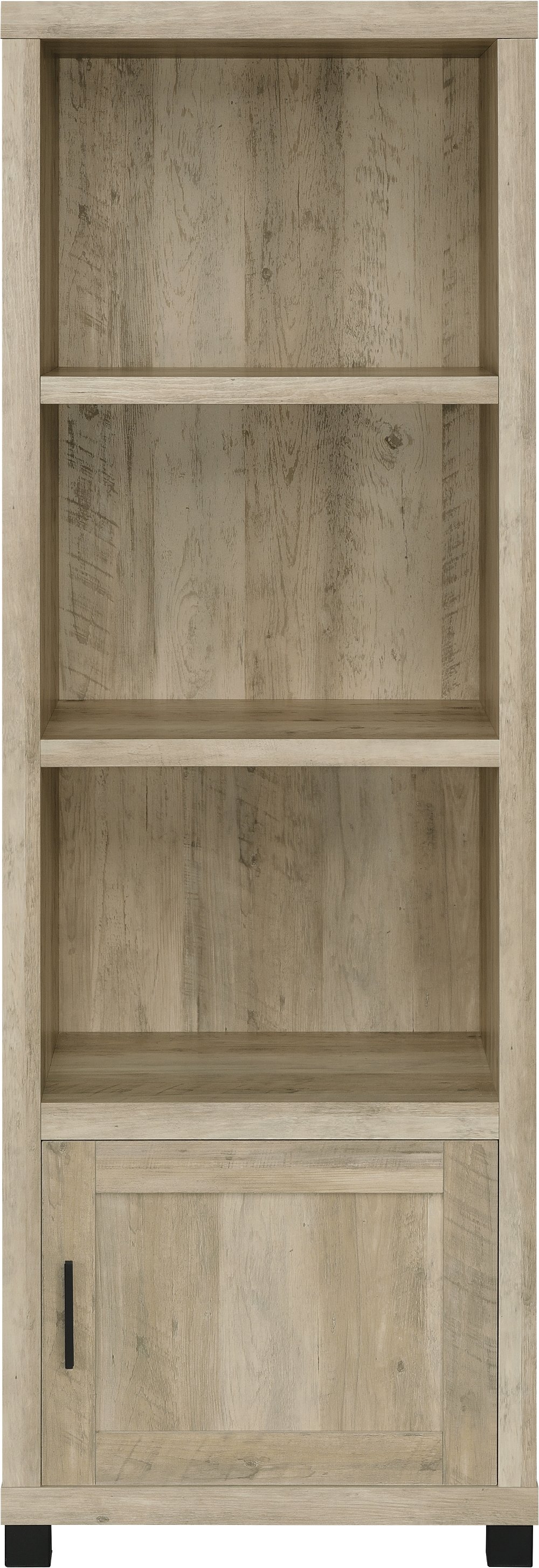
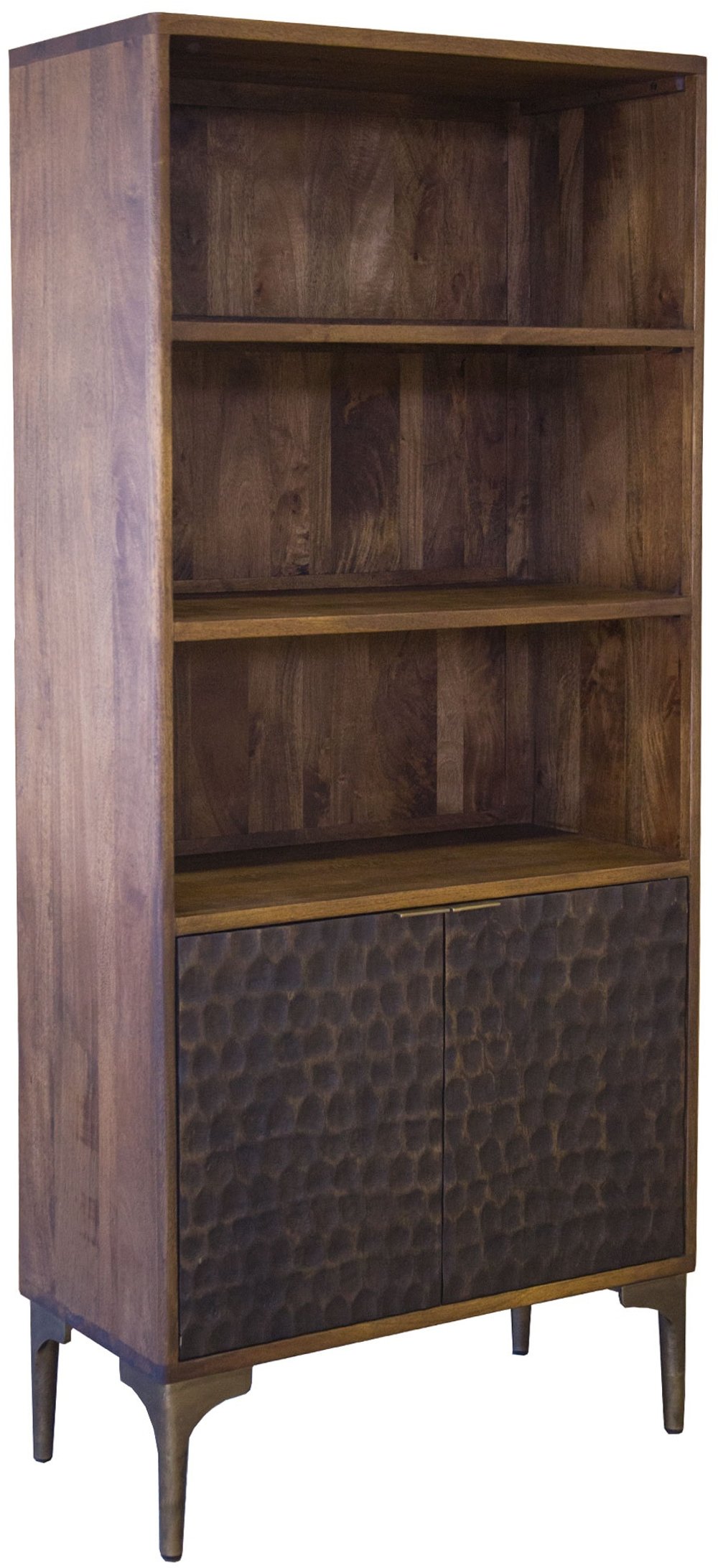
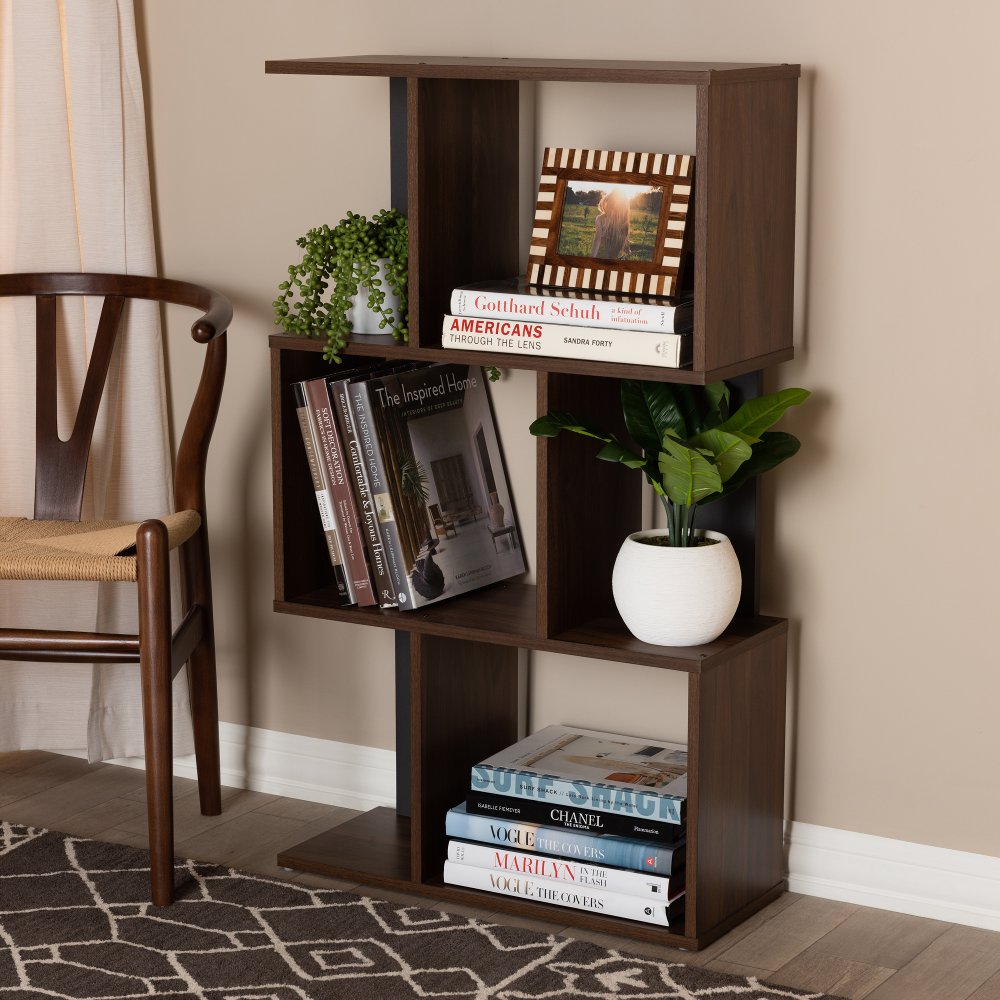
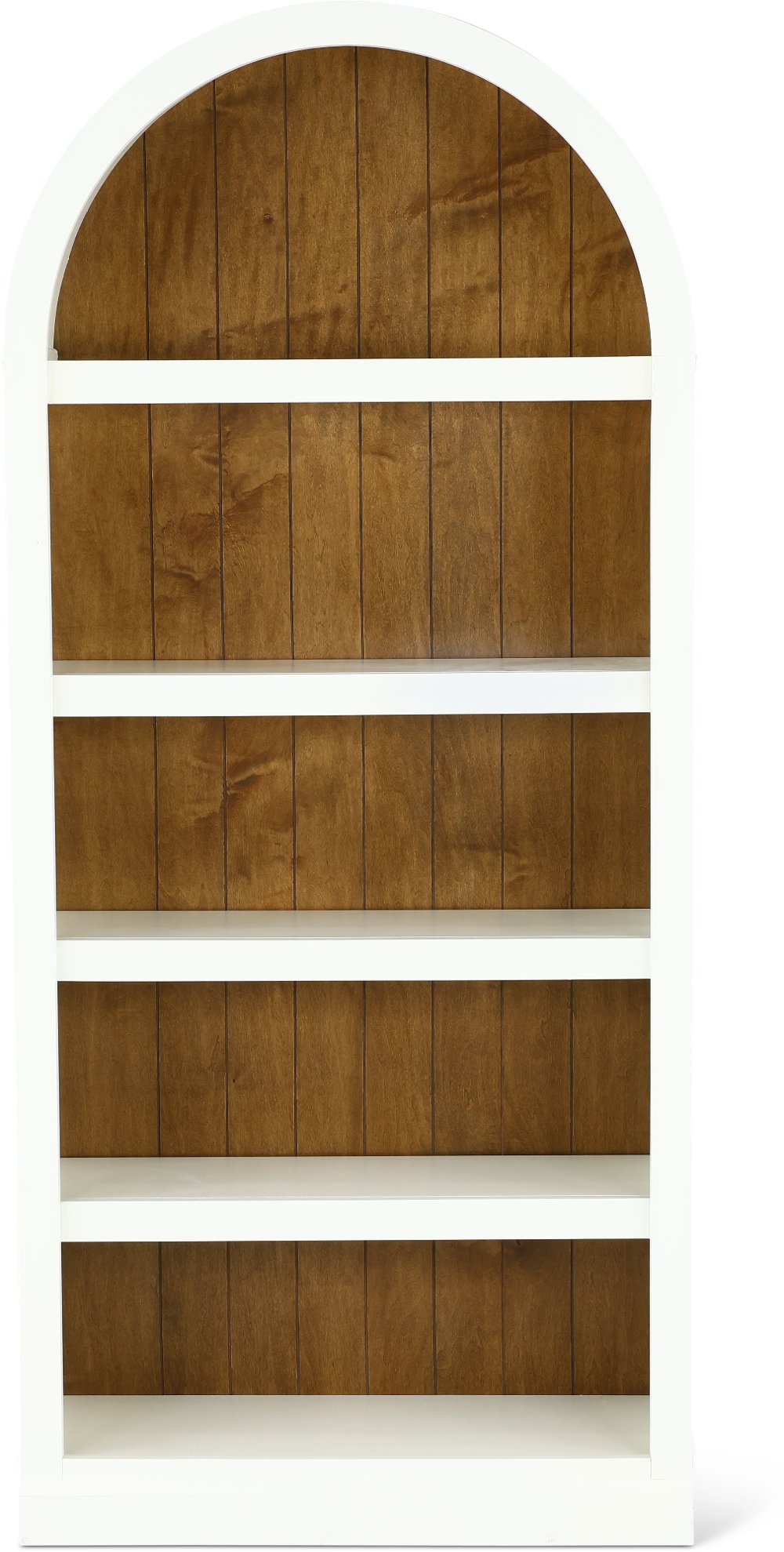
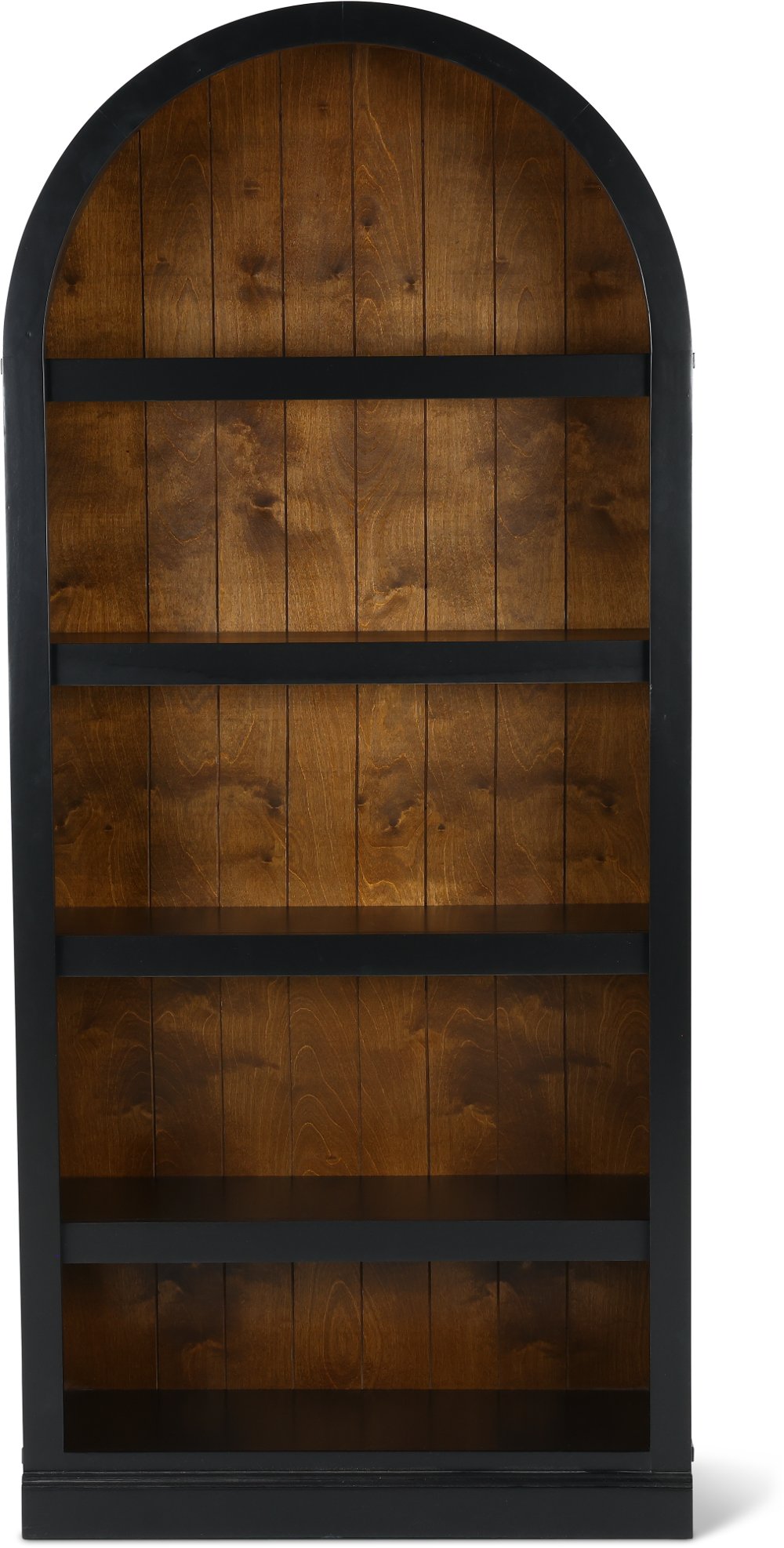
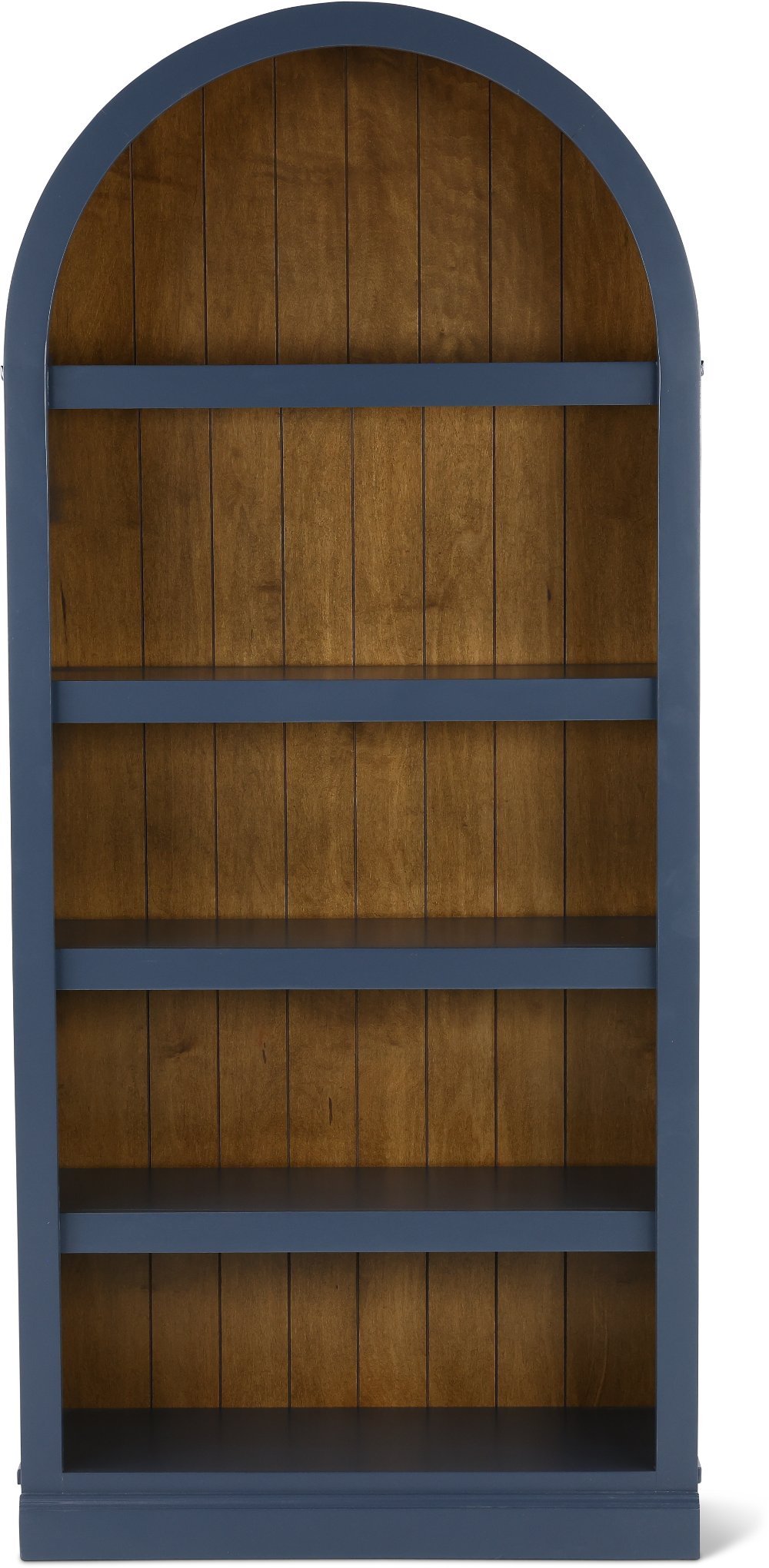
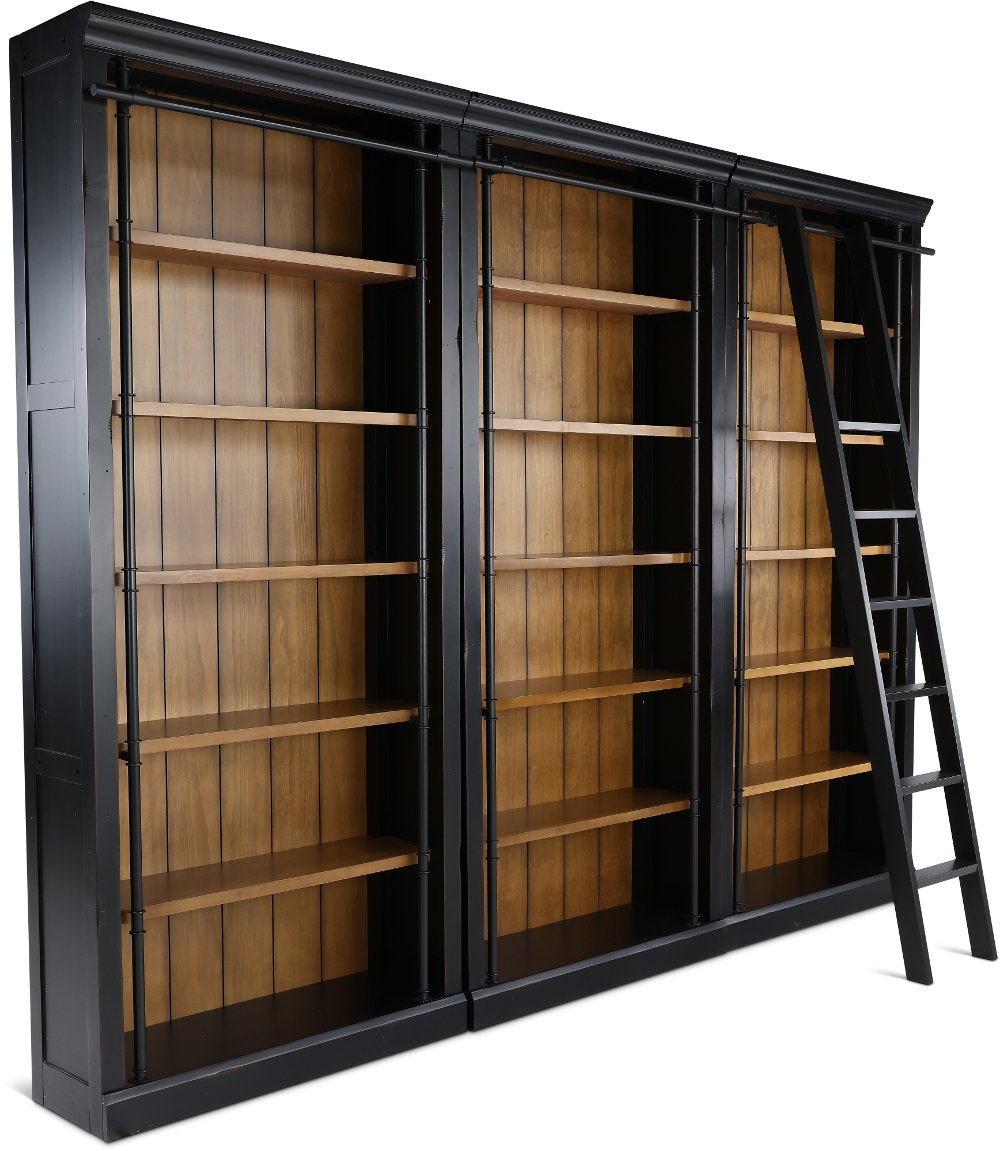
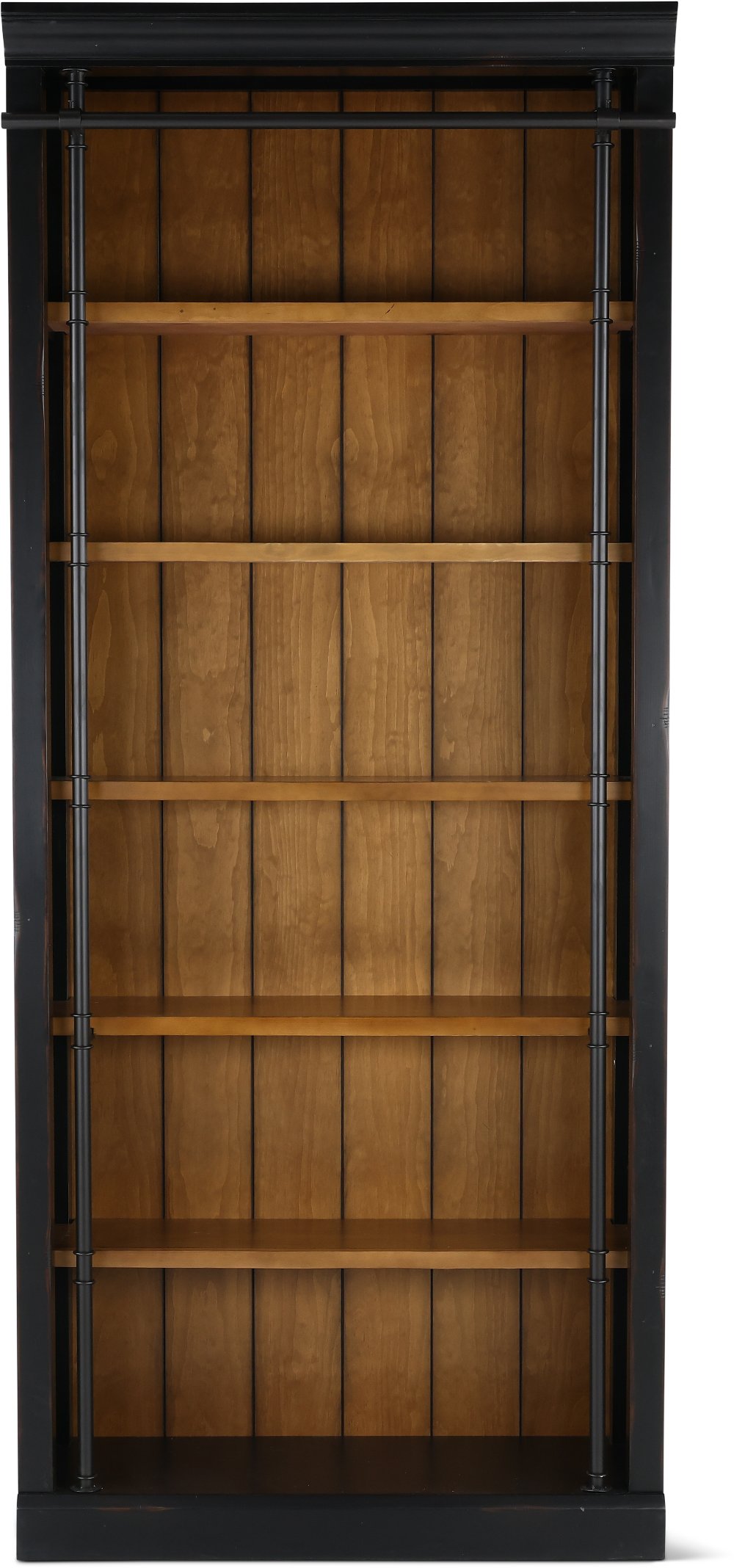
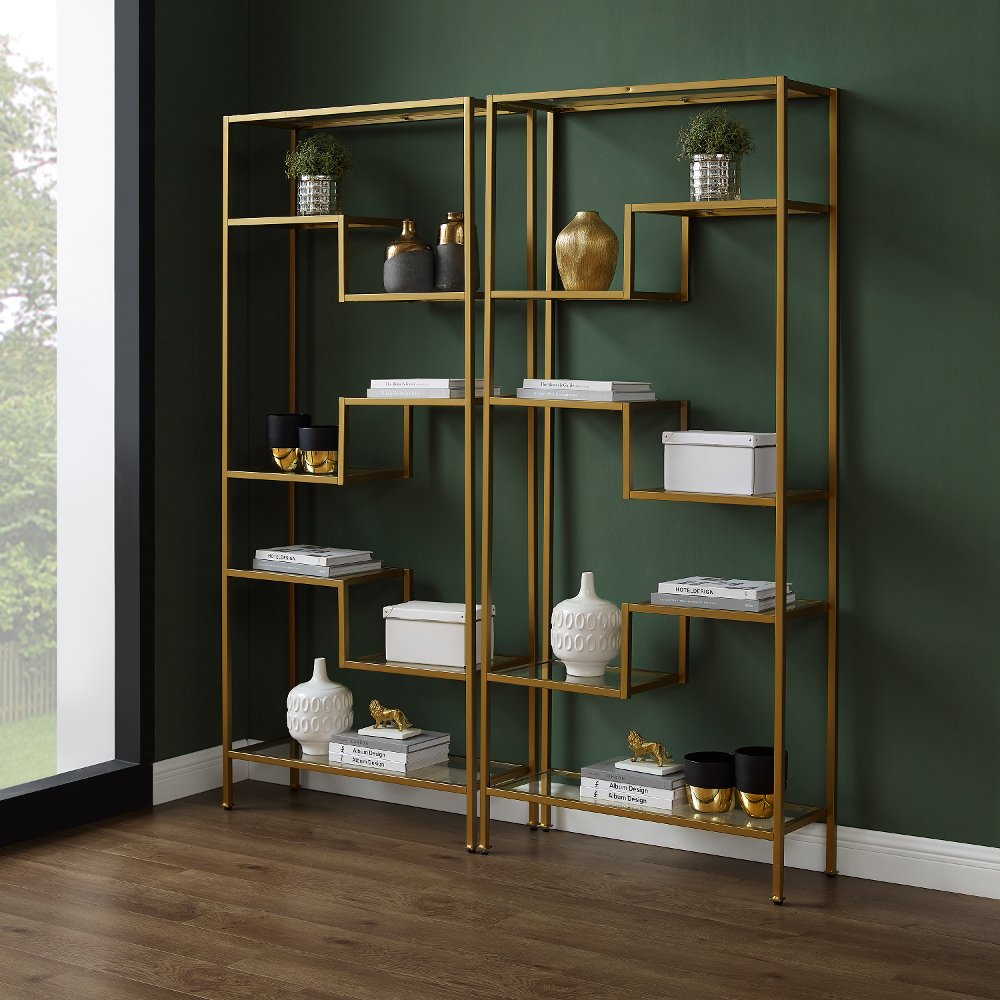
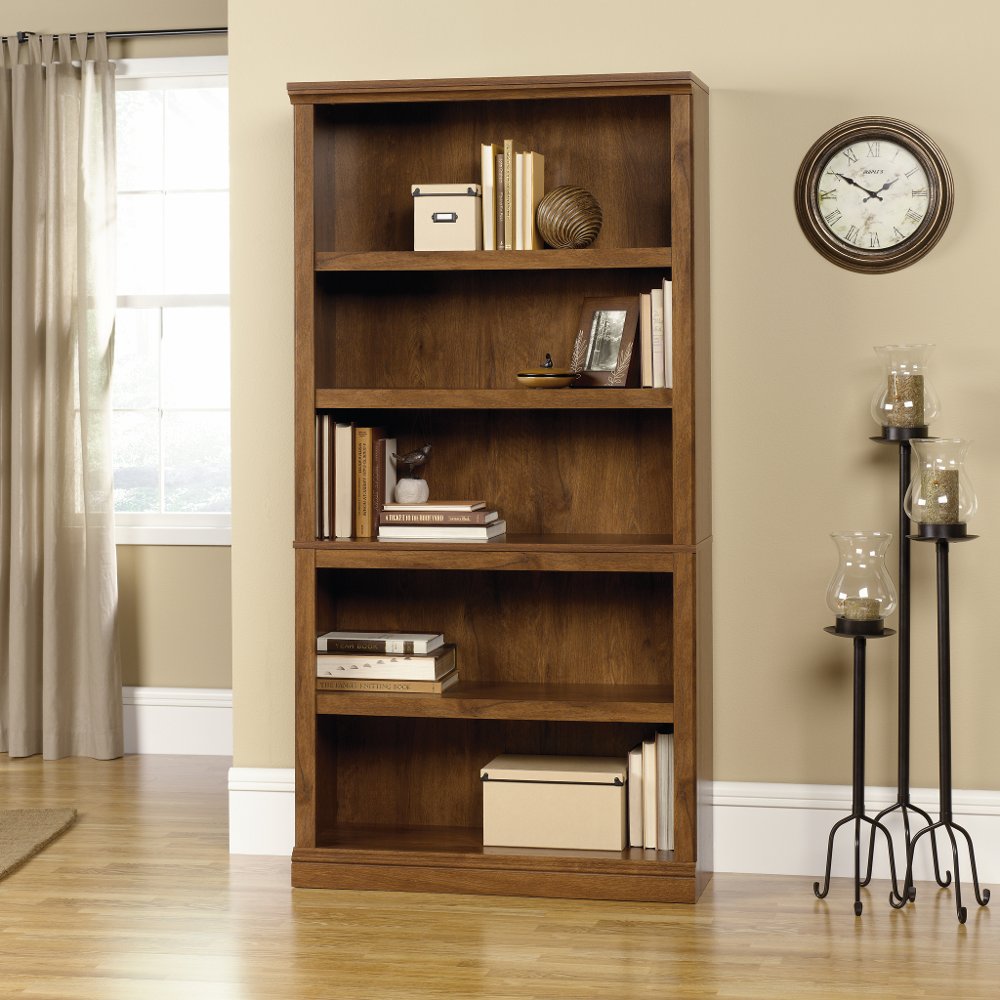
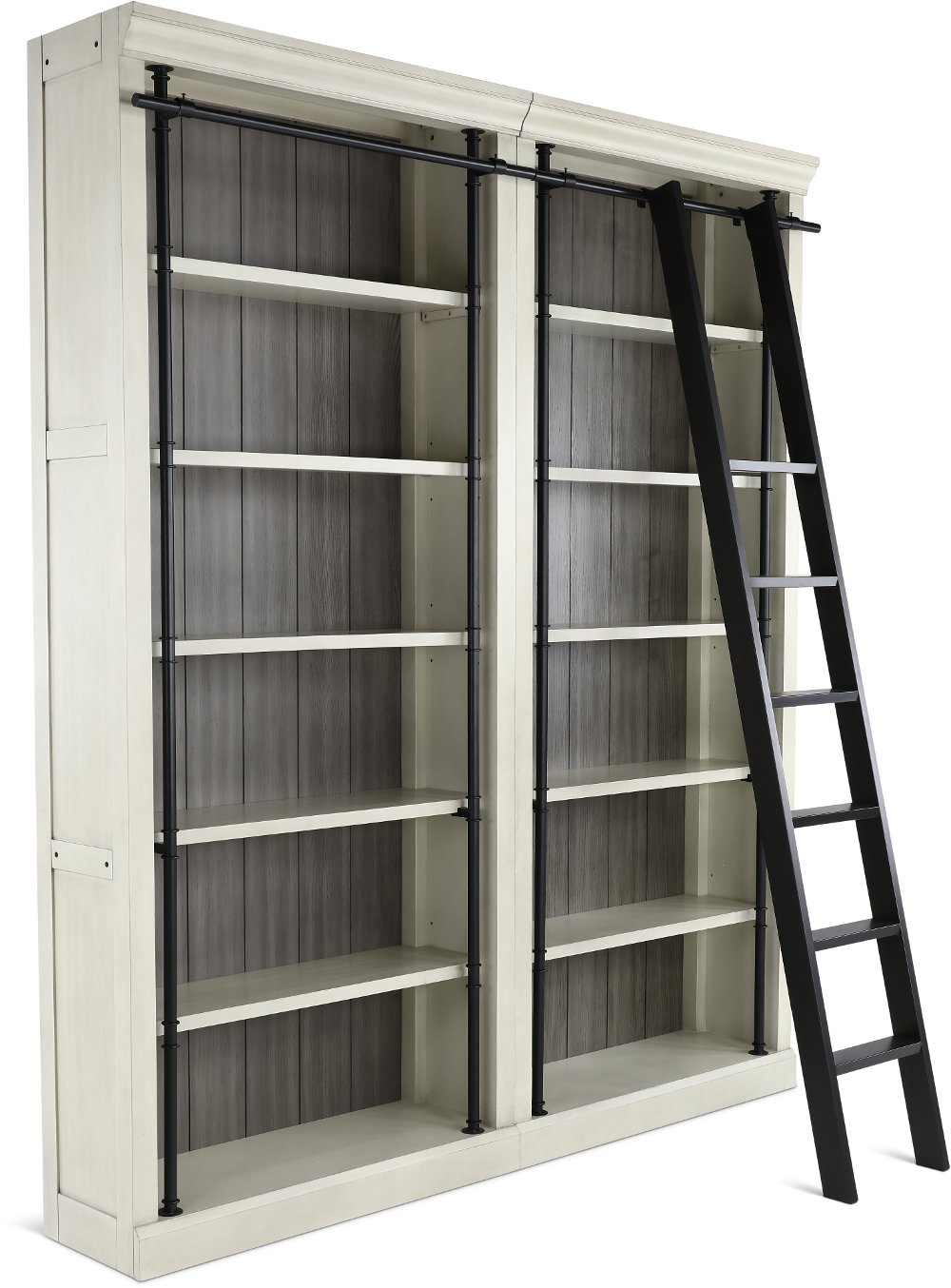
Three-shelf bookcases give books, favorite objects, and everyday essentials a place to land without making a room feel crowded. Their typically lower profile works especially well where a tall storage piece would compete with artwork, interrupt a sightline, or overwhelm nearby furniture. In a living room, a bookcase beside an armchair keeps novels and reading glasses close at hand. In a home office, three levels of storage can bring reference books, notebooks, and neatly contained supplies within easy reach. A dining area might call for cookbooks and a few serving pieces, while a bedroom may need a quieter arrangement of paperbacks, framed photos, and a small basket for loose belongings. The appeal is that useful mix of storage and display: enough structure to give everyday belongings a home, with room to add personality. Proportions matter more than the shelf count alone, though. A wide, low bookcase creates a different footprint than a narrow unit with three deeper compartments, and the outside dimensions don’t tell the whole story about what fits inside. Interior shelf height determines whether oversized art books can stand upright, while usable depth affects whether a storage basket sits neatly behind the front edge. Adjustable shelves offer flexibility for changing collections; fixed shelves establish consistent openings and may contribute to the frame’s rigidity, depending on construction. When comparing dimensions, allow for baseboards, nearby outlets, door swings, and enough clear space to walk comfortably past the piece. A bookcase positioned near a desk should leave room for the chair to pull out, rather than turn a convenient storage spot into a daily obstacle. Beside a sofa, its height and depth should feel balanced with the arm and surrounding furniture. Those practical details help a three-shelf bookcase become part of the room’s natural rhythm, whether it holds a carefully edited collection or the books that get picked up every day.
Materials and construction shape both the appearance of a bookcase and how it handles regular use. Solid wood brings natural grain and variation, with individual boards giving each piece its own character. Wood veneer offers a real wood surface over a supporting core, while engineered wood can provide a smooth, consistent foundation for painted finishes or decorative laminates. Metal frames create a more open outline and can pair comfortably with wood shelves for an understated, mixed-material look. No single material tells the full durability story: shelf thickness, support, joinery, assembly, and the manufacturer’s weight limits all matter, especially when a collection includes heavy hardcovers. A shelf filled end to end with textbooks carries a very different load than one holding a small vase and several paperbacks. Published weight capacities help clarify intended use, and evenly distributed weight is generally preferable to concentrating the heaviest objects in one spot. For adjustable designs, properly seated shelf supports are an important detail; for assembled furniture, secure connections help the frame stay stable through everyday use. Finish also deserves attention. A smooth painted surface gives a room a clean, tailored look, while visible grain introduces texture that works alongside upholstered seating and woven accents. Dark finishes can give colorful book spines a strong backdrop, and lighter finishes can make the outline feel less visually prominent. Care should always follow the manufacturer’s directions, since wood, veneer, laminate, and metal may need different cleaning methods. A soft cloth handles routine dusting, and prompt attention to spills helps keep moisture from settling into seams or damaging the finish. Harsh cleaners and abrasive pads can leave marks, even on surfaces that appear tough. Felt pads beneath decorative objects can help prevent scratches, and a protective tray beneath a plant adds a useful barrier against drips. Keeping the bookcase away from direct heat and prolonged, intense sunlight can also help preserve its appearance over time.
The most useful three-shelf bookcase is one that suits the people reaching for it. For an avid reader, that may mean generous shelf depth and openings tall enough for favorite editions. For a student, it could mean space for course materials alongside a basket of chargers and school supplies. In a shared household, a few designated sections can keep reading material and personal belongings organized without turning the room into a row of labeled bins. In a child’s room, a lower bookcase can make age-appropriate books easier to see and select, but a shorter profile doesn’t remove the need for tip-over protection. Furniture should be secured according to the manufacturer’s instructions, using appropriate hardware for the wall type, and children should never climb the shelves. Heavy belongings are best kept low, and the top shouldn’t hold tempting toys or other objects that encourage climbing. The same attention to stability matters in adult spaces, particularly where pets, active households, or uneven flooring come into play. Once the practical needs are covered, arranging the shelves can stay simple. A row of upright books beside a short horizontal stack creates variety without making everyday titles difficult to retrieve. A basket can gather small accessories, while a framed photo or ceramic bowl gives the arrangement a personal note. Leaving some open space keeps the shelves from feeling packed and makes room for the next book brought home. The top surface can support a modest display when the design and weight limits allow, but it’s worth preserving the open, lower-profile look that makes this size appealing. For a collection that needs more vertical storage, 5 shelf bookshelves offer another proportion to consider. Three-shelf designs remain a practical fit when accessible storage, balanced scale, and a comfortable view across the room matter most. They can move from a first apartment to a guest room or home office as needs change, keeping familiar books and meaningful objects close without asking the room to revolve around them.
Read More