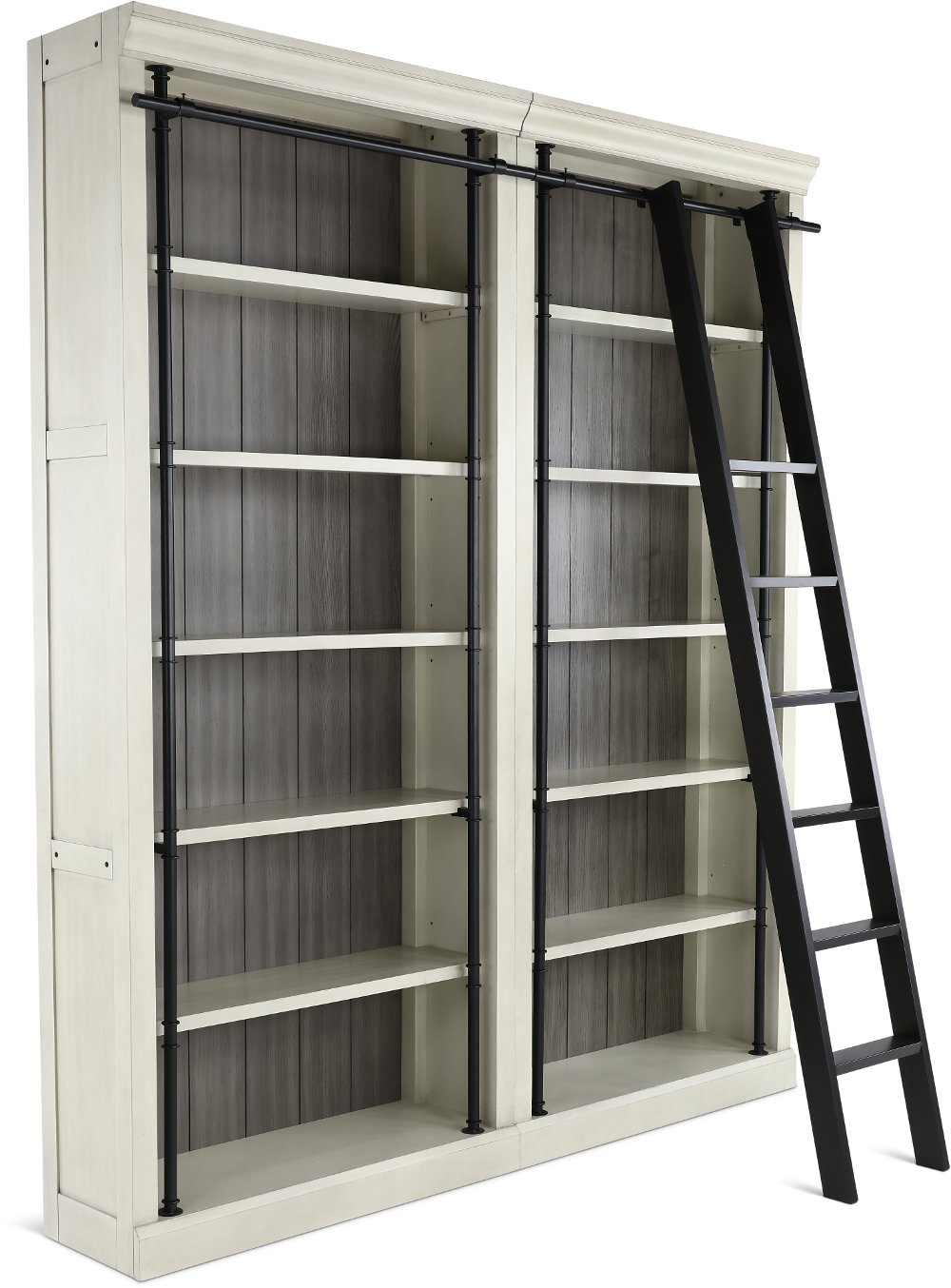
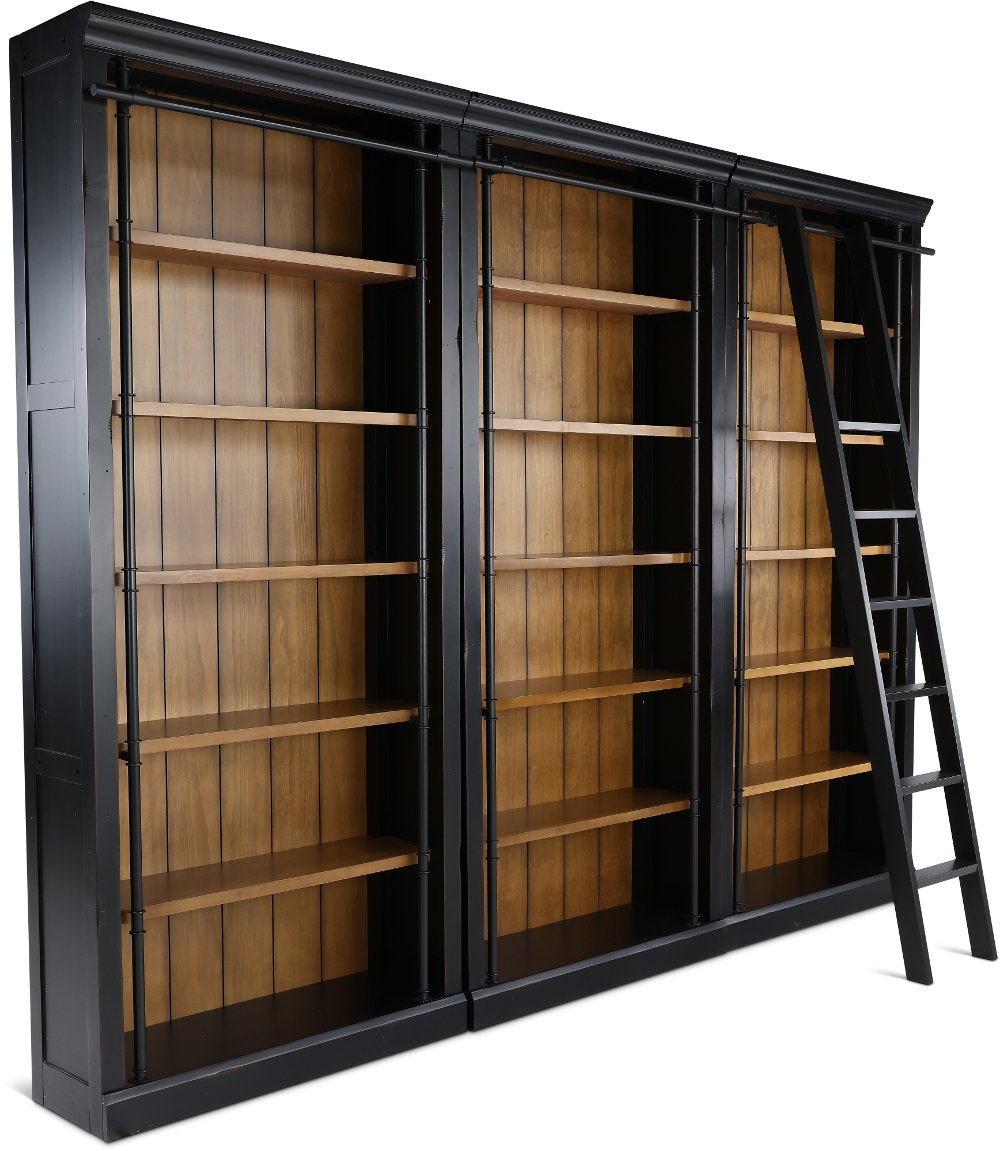
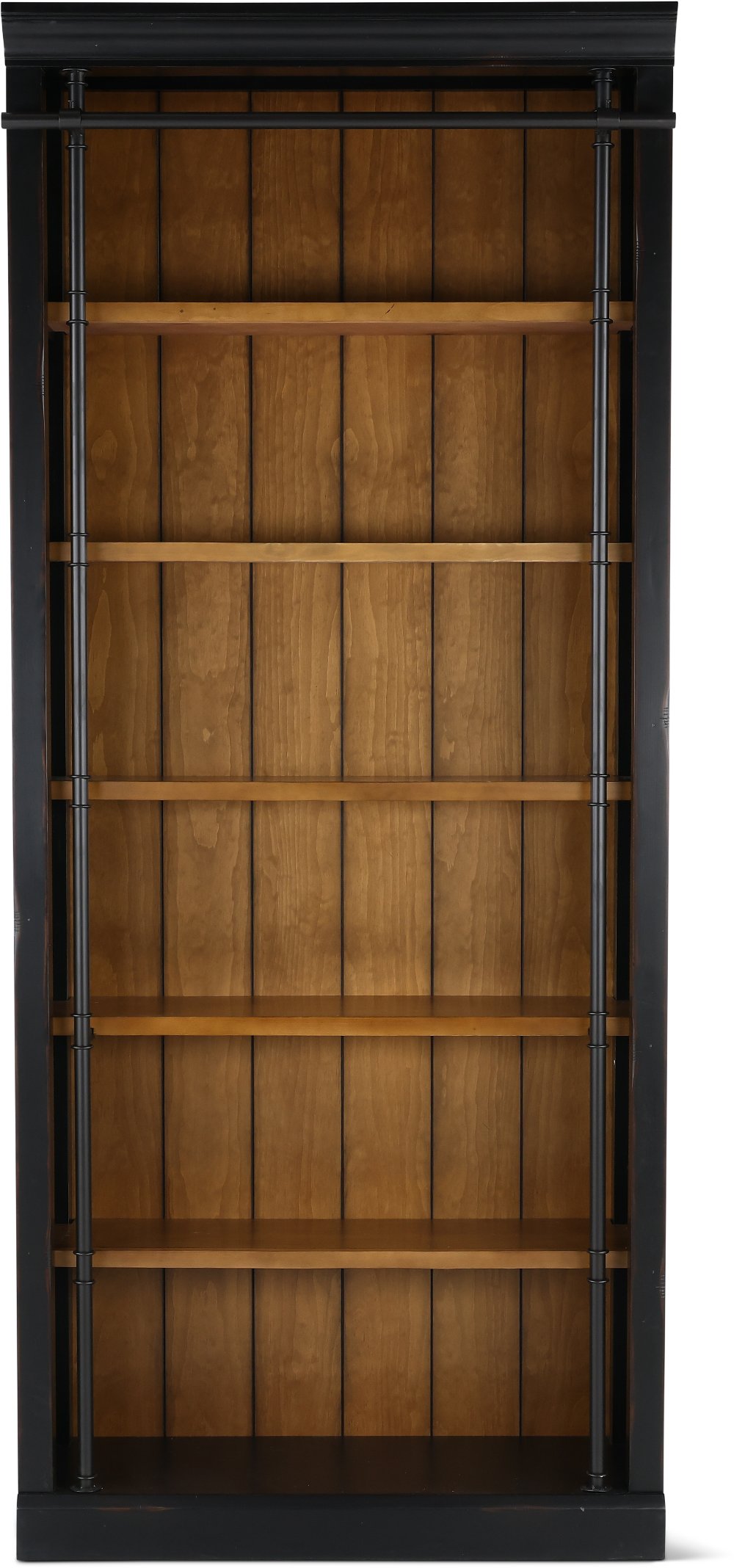
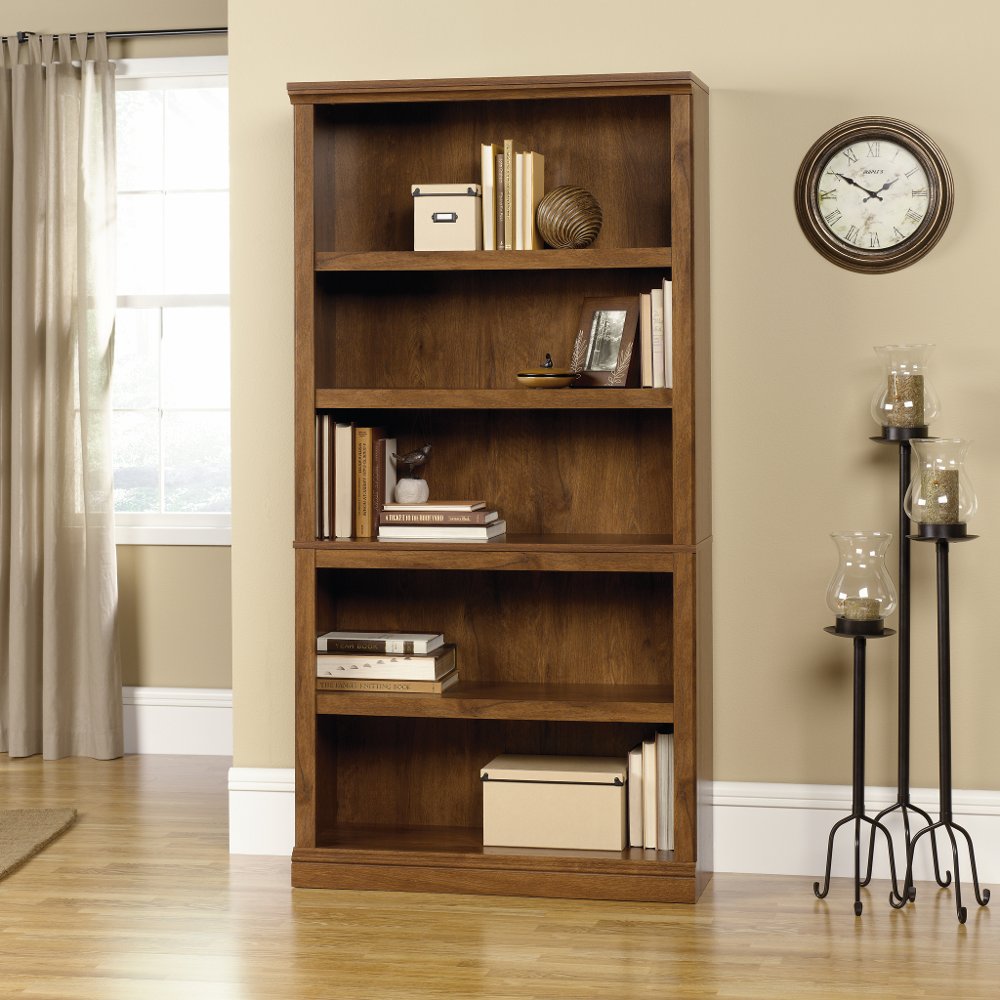
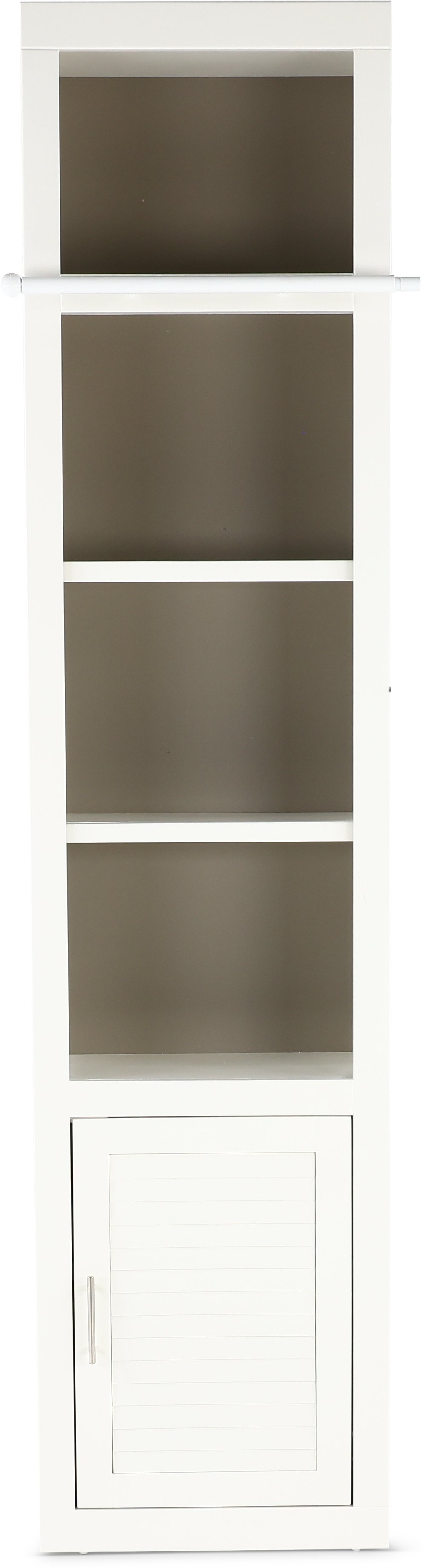
Wide bookcases give books, keepsakes, and everyday essentials room to spread out, turning a stretch of wall into useful storage and a natural focal point. These shelving units have a broad horizontal footprint, with many designs measuring 48 inches across or more. There’s no single measurement that makes a bookcase “wide,” so the listed dimensions matter more than the label. A low, wide bookcase can sit comfortably beneath wall art, while a taller design brings substantial storage to a living room, home office, or dedicated reading space. The extra width is especially useful for readers with growing collections, families sharing shelf space, and anyone who wants to display more than a row of books. Picture favorite novels beside a framed family photo, a handmade bowl, and a basket that keeps charging cords out of sight. In a home office, broad shelving can organize reference books and project materials without crowding the desk. In a dining room, it can hold cookbooks and decorative serving pieces, provided the shelves are deep enough and rated for their weight. Style helps a large piece feel at home rather than simply fill a wall. Clean lines and simple hardware suit modern spaces, natural wood grain adds warmth, and a combination of metal framing and wood shelves brings an industrial look. Traditional details, such as molding or paneled doors, can echo nearby furniture and trim. A lighter finish may blend gently into the room, while a darker finish gives a collection a more defined backdrop. Proportion matters just as much as appearance: a broad, low silhouette can balance a sofa, while a tall bookcase adds height beside shorter furnishings. For a smaller wall section or a tight corner, narrow bookcases offer a different footprint. Wide designs make the most sense when there’s enough uninterrupted wall space to accommodate both the furniture and comfortable movement around it.
Materials and construction shape how a wide bookcase looks, feels, and holds up to daily use. Solid wood offers natural grain variation and can develop character over time, though care requirements depend on the wood and finish. Wood veneer provides a real-wood surface over a supporting core, while engineered wood can offer a consistent appearance and smooth painted or laminated finishes. Particleboard is one type of engineered wood; its performance depends on factors such as thickness, construction, edge protection, and intended load. Metal frames can create a slim, open profile, but the strength of the entire unit still depends on its joints, supports, and shelves. A wide bookcase may use one long shelf or divide its width into several shorter sections. That distinction matters for a heavy book collection because unsupported spans can bow when overloaded. Shelf thickness, center supports, and the manufacturer’s weight limits are more useful measures of suitability than appearance alone. Adjustable shelves make room for tall art books, binders, and storage baskets, while fixed shelves may help reinforce the structure. Open shelving keeps frequently used belongings within easy reach. Drawers or cabinet doors can conceal small supplies, and glass doors can reduce dust exposure while leaving favorite pieces visible. An open back gives the wall color a role in the display; a solid back creates a more enclosed look and may contribute to stability, depending on the design. Before settling on a size, measure width, height, and depth, including baseboards and any projecting trim. Leave clearance for nearby doors, drawers, outlets, and heating or cooling vents. Shelf depth deserves a separate check: a unit that comfortably holds paperbacks may not accommodate oversized books or larger baskets. Delivery access also matters, especially with broad furniture. Doorways, hallway turns, stair landings, and assembly requirements can all affect how smoothly a bookcase reaches its intended spot.
A wide bookshelf works best when its layout reflects the way the room is used. A household of enthusiastic readers may want most shelves devoted to upright books, with adjustable heights that prevent wasted space above shorter volumes. A shared family room may benefit from books on one section, decorative objects on another, and baskets for the small things that otherwise collect on tables. Children’s books can sit on accessible lower shelves, while fragile keepsakes belong beyond little hands’ reach. In a workspace, grouping materials by project makes everyday tasks easier; a shelf of binders, a tray for notebooks, and a few personal photographs can feel organized without looking impersonal. Leave a little open space around display pieces so their shapes are easy to appreciate, rather than filling every inch. Arrange heavier belongings low and distribute weight evenly, always staying within the specified limits for each shelf. Proper assembly and wall anchoring are important for wide bookcases, including shorter designs that can tip if climbed on or pulled forward. Follow the manufacturer’s instructions, use anchoring hardware appropriate for the wall, and keep children from climbing the shelves. If the floor is uneven, follow the approved leveling method rather than improvising an unstable support. Routine care helps preserve both the finish and the contents. Dust with a soft cloth, using a slightly damp cloth only when the care instructions allow it, and dry surfaces promptly. Apply an approved cleaner to the cloth rather than spraying it directly onto shelving, and avoid harsh products or abrasive pads that can damage finishes. Lift objects instead of dragging them, and use protective pads beneath rough pottery or decorative pieces. Prolonged direct sunlight can fade some finishes and book jackets, so placement deserves attention as well. With the right dimensions, supportive construction, and a layout suited to daily life, a wide bookcase gives a collection room to grow while keeping the space welcoming and easy to use.
Read More