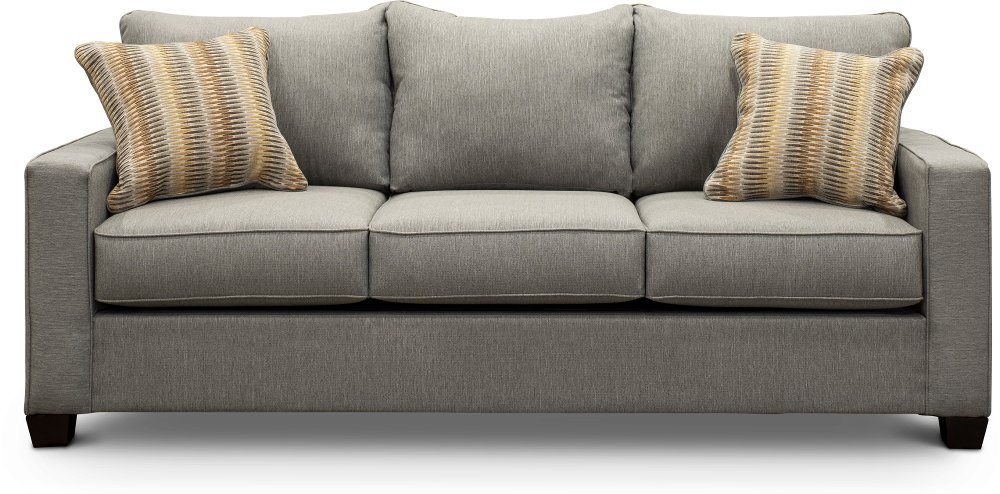
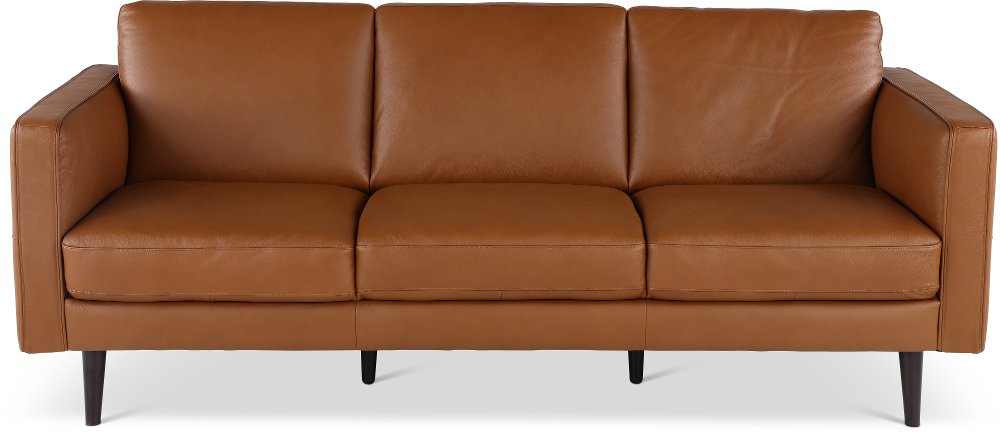
Track arms are straight, squared-off armrests found on sofas, loveseats, sectionals, and upholstered chairs. Their clean vertical sides and flat tops create a tailored outline, unlike rolled arms that curve outward or pillow arms with a rounded, cushioned shape. Viewed from the front, a track arm typically resembles an upside-down L, framing the seat with a crisp corner. This simple shape makes track arm furniture a natural fit for contemporary, modern, and transitional rooms, but the upholstery and proportions can soften or sharpen the overall look. A sofa covered in textured oatmeal fabric feels relaxed beside a wood coffee table, while smooth leather and slender metal legs create a more streamlined impression. Narrow track arms can leave more room for seating within a given overall width than larger rolled arms, which can be helpful in an apartment, a compact family room, or a living area shared with a dining space. Not every track arm is slim, though. Some designs have broad, block-like arms that give a sofa a substantial presence and more surface area for resting an elbow. The defining feature is the straight, square shape, not a particular arm width or level of firmness. That distinction matters when comparing furniture that looks similar in photos but feels different in person. Track arms also provide a structured boundary for loose cushions and throw pillows, helping a seating arrangement look tidy without requiring elaborate styling. A single lumbar pillow or a casually folded throw can add softness while leaving those clean lines visible. For a closer look at arm shapes and their effect on a sofa’s profile, Couch Armrests offers related context. Whether the room leans minimalist or includes layered rugs, bookshelves, and family keepsakes, track arm seating gives those personal details a straightforward backdrop. Its appeal comes from that balance: a defined silhouette with plenty of room for individual style.
The right fit depends on how the whole piece works in the room and how the seat supports the people using it. Overall width includes both arms, so usable seat width is worth comparing separately, especially when two people want space to stretch out without feeling crowded. A narrow-arm loveseat can suit a reading corner, while a track arm sectional can define a conversation area in an open floor plan. Arm height changes the experience, too. A higher arm creates a more enclosed place to settle in with a book, while a lower arm may feel less restrictive and make it easier to turn toward someone seated nearby. For someone who likes to lie lengthwise on the sofa, the padding beneath the upholstery matters as much as the squared shape. A firmly padded track arm may need a pillow for comfortable head support; its flat top alone doesn’t indicate softness. Seat depth and height deserve equal attention. Deep cushions invite lounging, but a shallower seat may work better for someone who prefers to sit upright with feet on the floor. A supportive seat at a comfortable height can also make everyday sitting and standing easier. In a shared living room, those differences become noticeable during everything from a short conversation to a long movie. Beyond comfort, furniture needs room to function. Allow space for doors to swing, drawers to open, and people to pass between seating and tables without turning sideways. With a chaise sectional, check which side extends into the room and whether that extension interrupts a natural walking route. Delivery access counts as part of the fit as well: doorways, stair turns, hallways, and elevators can determine whether a piece reaches its intended spot. Track arms create a neat visual edge, but the full furniture dimensions, including depth and height, tell the practical story. Proportions that respect both the floor plan and everyday habits make the room feel comfortable rather than simply furnished.
Upholstery and construction influence how track arm furniture feels, wears, and fits into daily life. Woven fabrics bring texture to the broad outer arm panels, while smoother coverings emphasize the straight seams and squared corners. Tightly woven upholstery may be a practical consideration in a frequently used family room, although durability depends on the specific fiber, weave, backing, and finish rather than appearance alone. Fabric labeled for performance can offer useful stain resistance or cleaning benefits, but those features vary, so the stated care requirements still matter. Homes with pets benefit from considering snag potential, hair visibility, and whether the covering tolerates the cleaning the household needs. Leather offers a distinct feel and can develop character with use, but different leather finishes handle scratches, spills, and fading differently. Neither leather nor fabric is automatically the better choice for every household. A quiet sitting room and a sofa used daily for homework, snacks, and television place different demands on the same arm shape. Beneath the covering, frame construction, joint reinforcement, cushion materials, and seat suspension all contribute to lasting support. Padding over the arms is especially relevant because elbows and hands repeatedly contact those surfaces. Track arms are armrests, not extra seats; keeping body weight off their tops helps avoid unnecessary stress on the structure. Regular care can stay simple when it follows the manufacturer’s directions. Vacuum fabric with an appropriate upholstery attachment, including seams where crumbs and dust collect, and blot spills promptly rather than rubbing them into the surface. Check the cleaning code before applying water or solvent-based cleaners, and test approved treatments in an inconspicuous spot. Leather needs products suited to its particular finish, not an all-purpose household cleaner. Rotate or flip cushions only when their design allows it, and keep upholstery away from prolonged direct sunlight and heat sources. For first apartments, busy family spaces, or a well-used reading nook, track arm furniture offers a versatile shape whose everyday comfort comes down to thoughtful proportions, suitable materials, and consistent care.
Read More