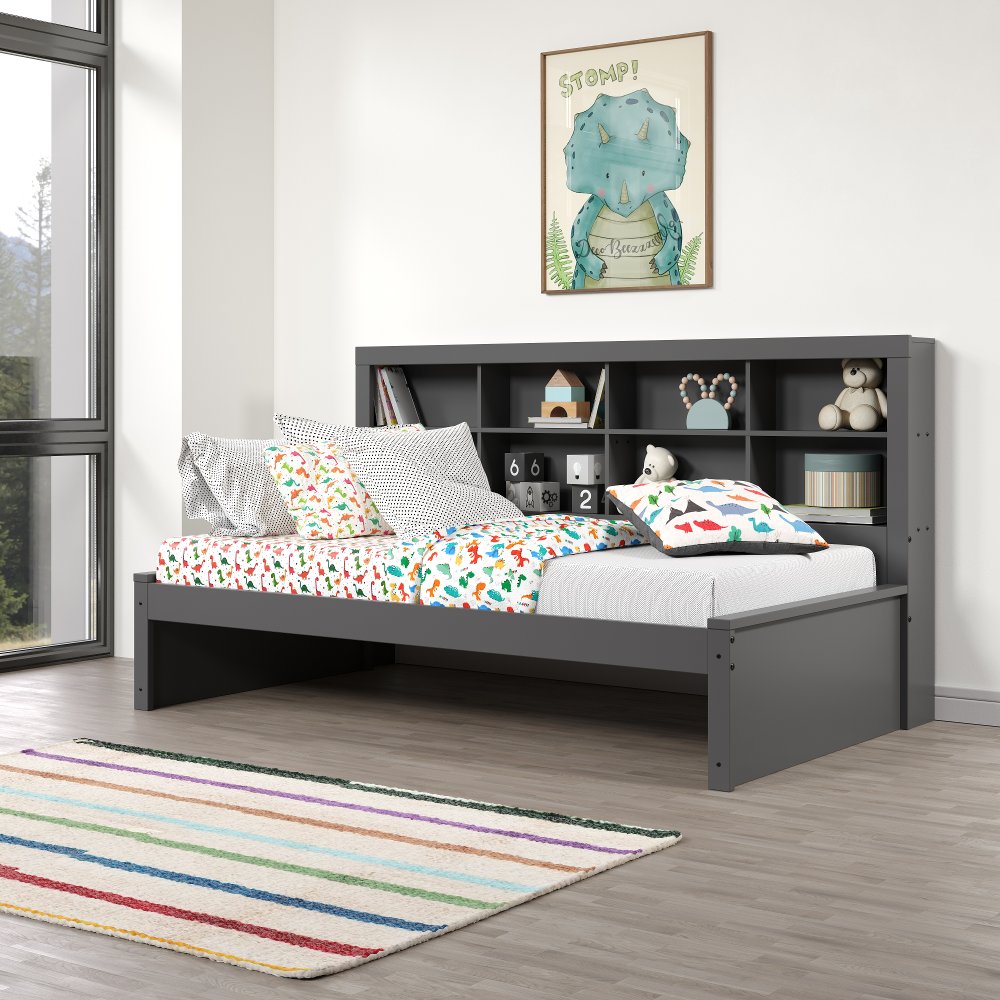
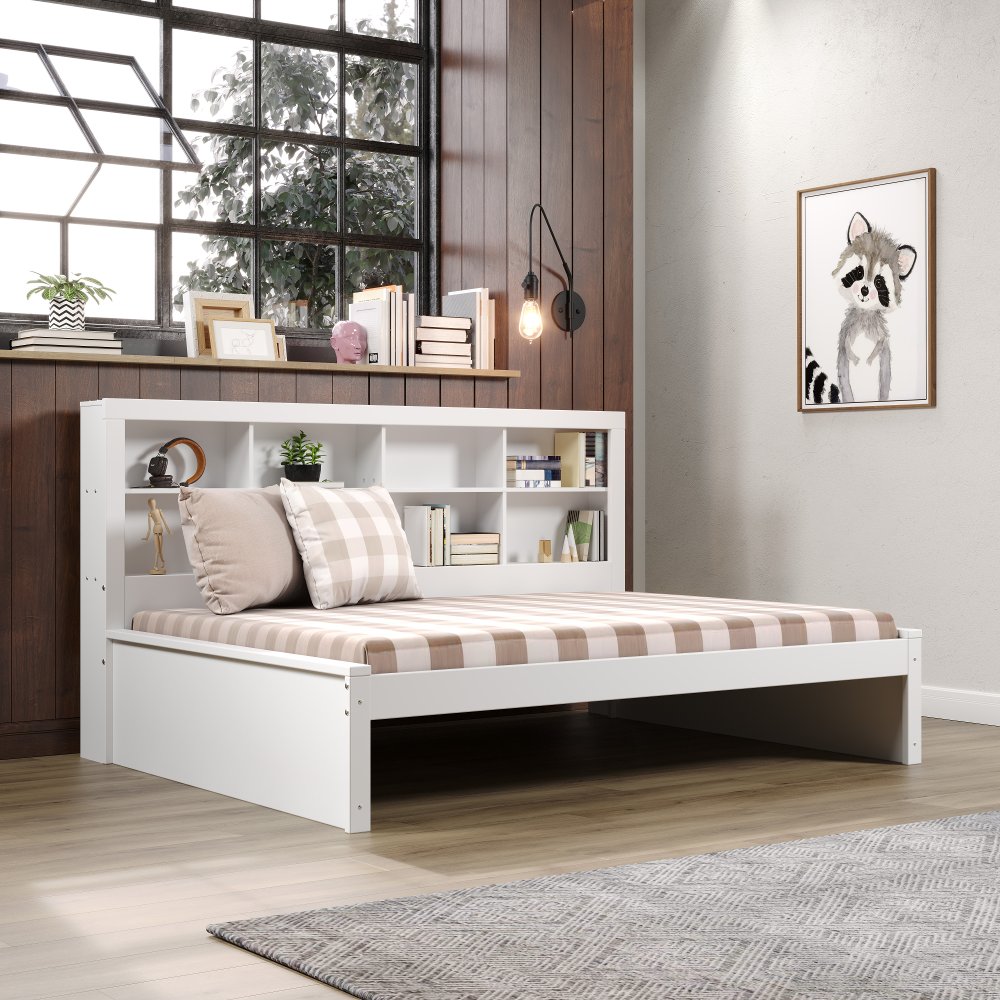
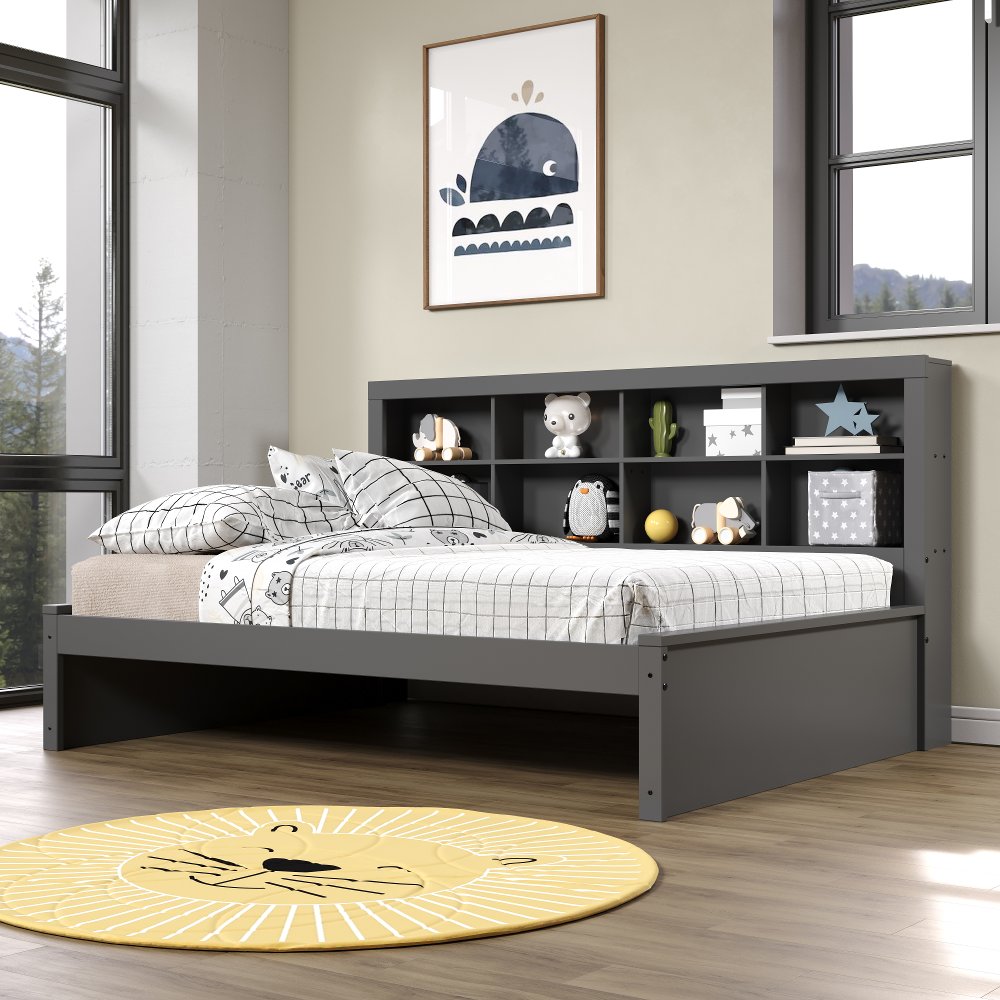
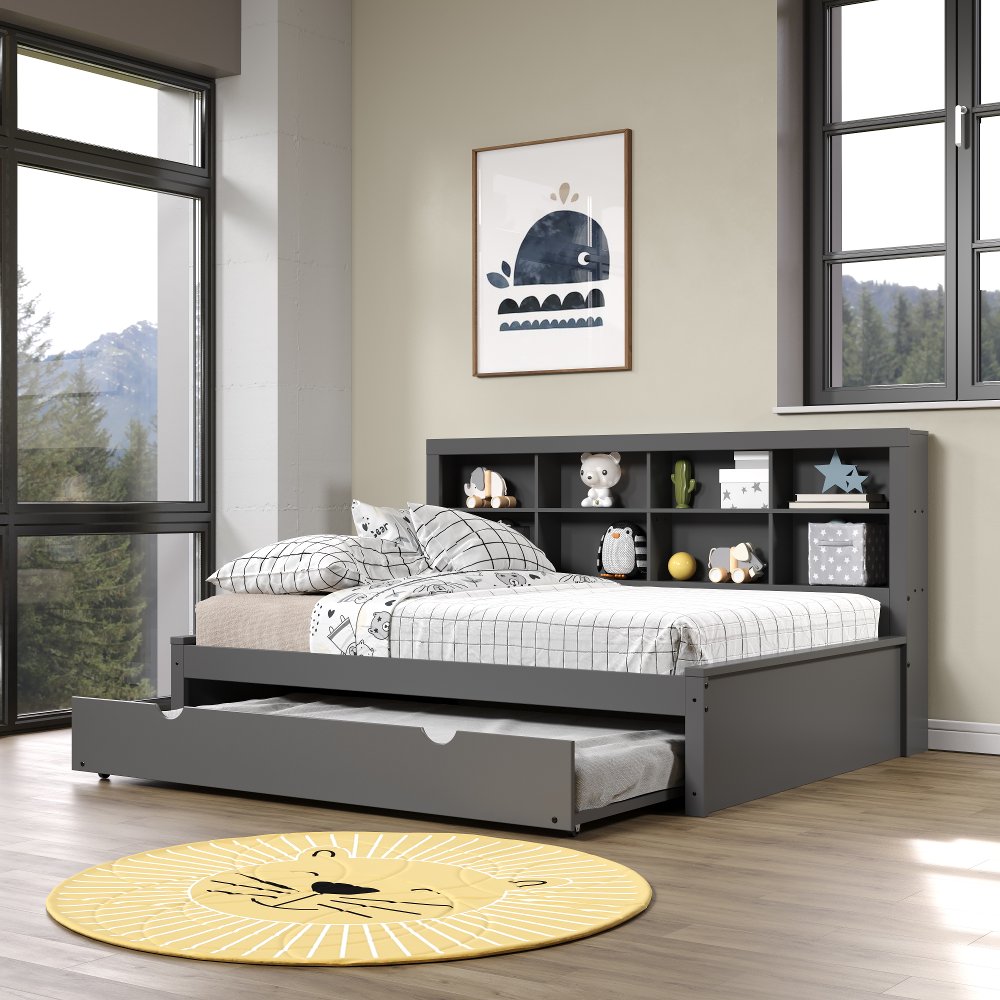
Transitional daybeds combine traditional details with clean, updated lines, giving you a place to sit during the day and a bed for overnight rest. The look falls comfortably between formal and contemporary: think gently curved arms paired with a straight-lined back, subtle button tufting on a tailored upholstered frame, or warm wood finishes with simple molding. Those balanced details make a transitional daybed easy to work into a room you’ve furnished over time, whether it holds an inherited dresser, a streamlined desk, or a favorite reading chair. Unlike a sleeper sofa, a daybed typically keeps its mattress in place rather than folding it inside the frame. Add supportive pillows along the back, and it becomes a comfortable spot for reading, catching up with family, or stretching out after a long day. Remove the extra pillows, add bedding, and the same piece is ready for sleep. That flexibility makes transitional daybeds especially useful in guest rooms, home offices, children’s bedrooms, and smaller homes where every piece of furniture needs to earn its space. In an office that doubles as a guest room, for example, a neatly made daybed can look like an intentional seating area instead of a bed waiting for visitors. A washable cover, a pair of substantial back cushions, and a folded throw help make that arrangement practical and welcoming. Twin daybeds are a familiar choice for one sleeper, while larger sizes can provide more room to stretch out when the floor plan allows. Check the specified mattress size rather than judging by the overall appearance, since broad arms and upholstered panels can make a frame considerably larger than its sleeping surface. The appeal is straightforward: you get the everyday usefulness of a bed with a furniture-like silhouette that feels at home beyond a traditional bedroom. During the cooler months, that can mean a quiet corner with a soft blanket in the afternoon and a welcoming place for an overnight guest later on.
The best transitional daybed for your home starts with how you’ll use it most often. For nightly sleep, give the mattress and support system the same attention you would with any other bed. For occasional guests and daily lounging, consider how comfortable the arms and back will feel, along with how easily you can change the linens. Many daybeds use slats or a platform to support the mattress without a box spring, but requirements vary by frame, so check the product specifications before purchasing a foundation. Mattress thickness matters, too. A very thick mattress can hide decorative details, reduce the usable height of the back and arms, or raise the seating surface more than you’d like. A thinner mattress may preserve the proportions but still needs to provide suitable support for the person sleeping on it. Upholstered transitional daybeds bring a softer feel to rooms with hard flooring or lots of wood furniture. Woven fabrics add texture, while smoother upholstery can emphasize a more tailored silhouette. Check the fabric’s care instructions and look for documented performance features if spills, pets, or frequent use are part of daily life; color alone won’t tell you how well a material will wear. Wood and metal frames offer a different character, from warm and understated to crisp and airy, with exposed surfaces that are often straightforward to wipe down according to the manufacturer’s directions. Construction deserves a close look regardless of the finish. Consider the frame materials, center supports, slat arrangement, hardware, and stated weight capacity rather than assuming one material guarantees better durability. Measure the full width, depth, and height, then account for baseboards, window trim, nearby outlets, and the space needed to walk around the bed. Painter’s tape on the floor is a simple way to picture the footprint beside your desk or dresser. It’s much easier to adjust a tape outline than discover that an arm blocks a closet door after delivery.
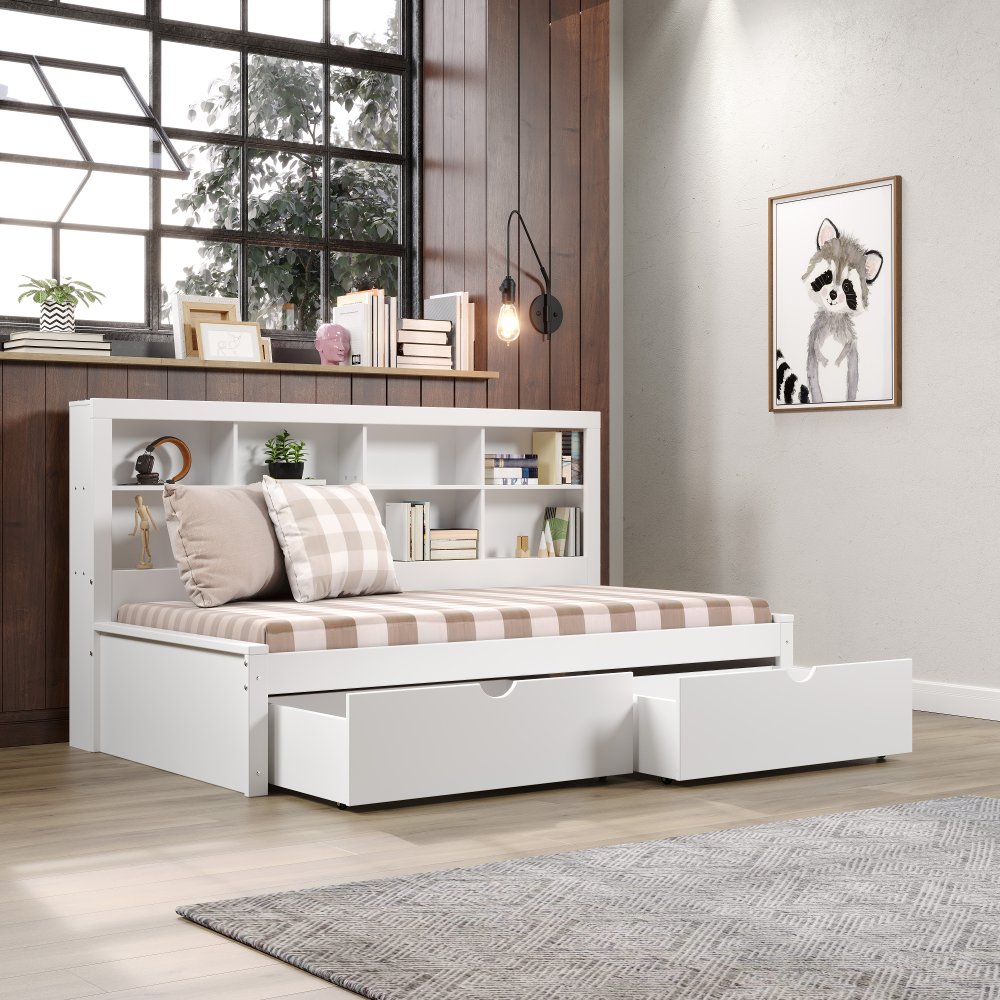
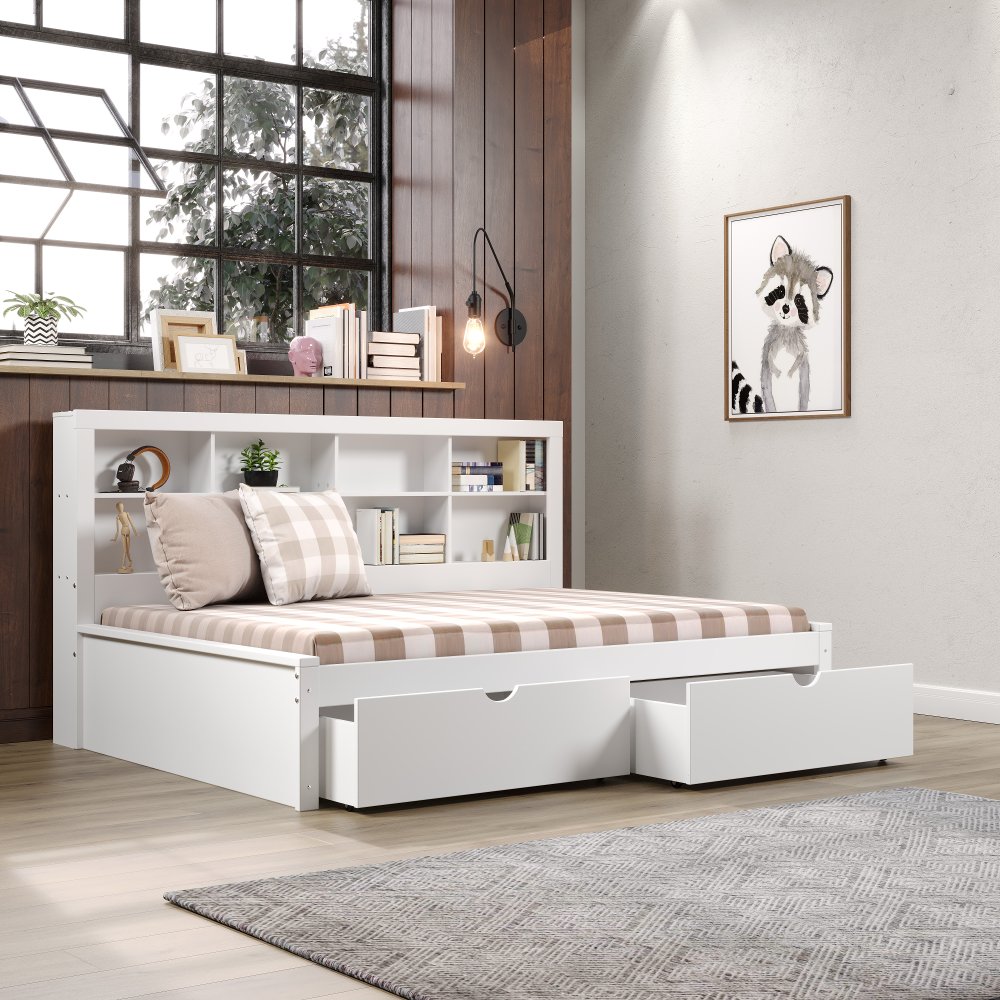
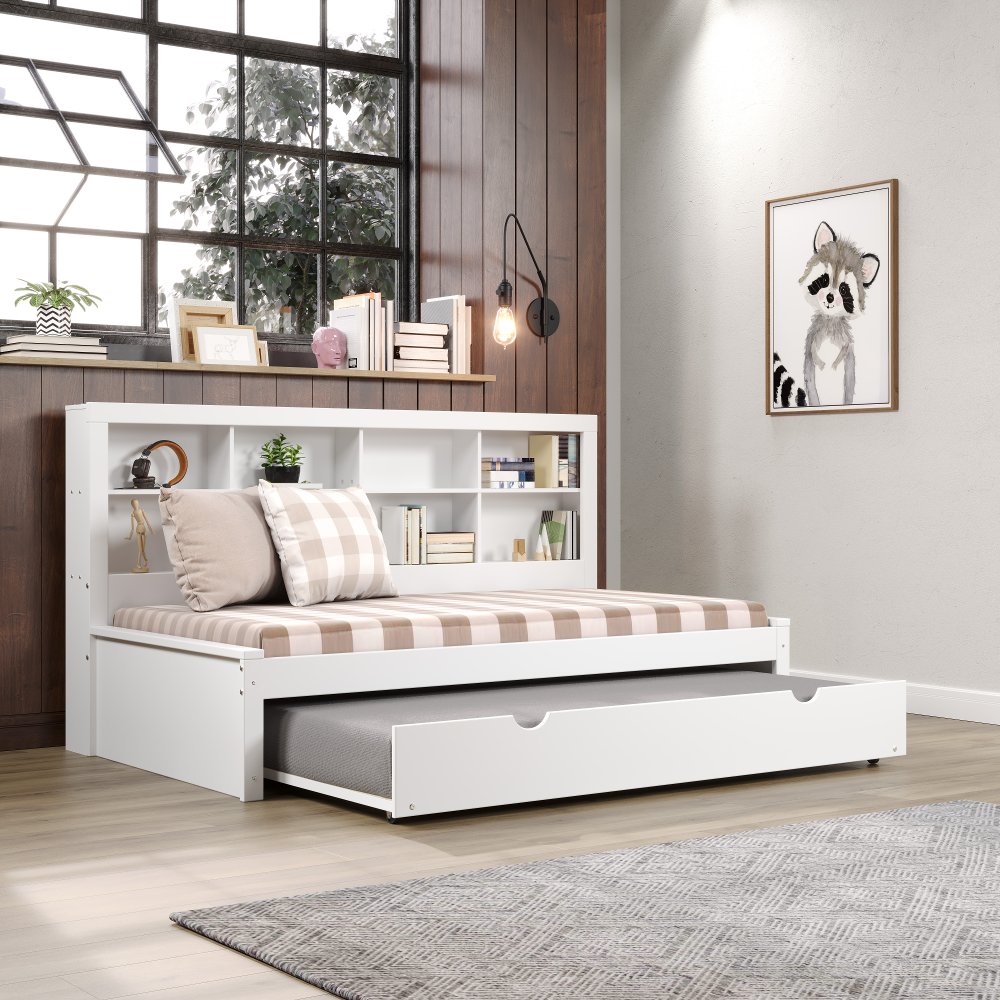
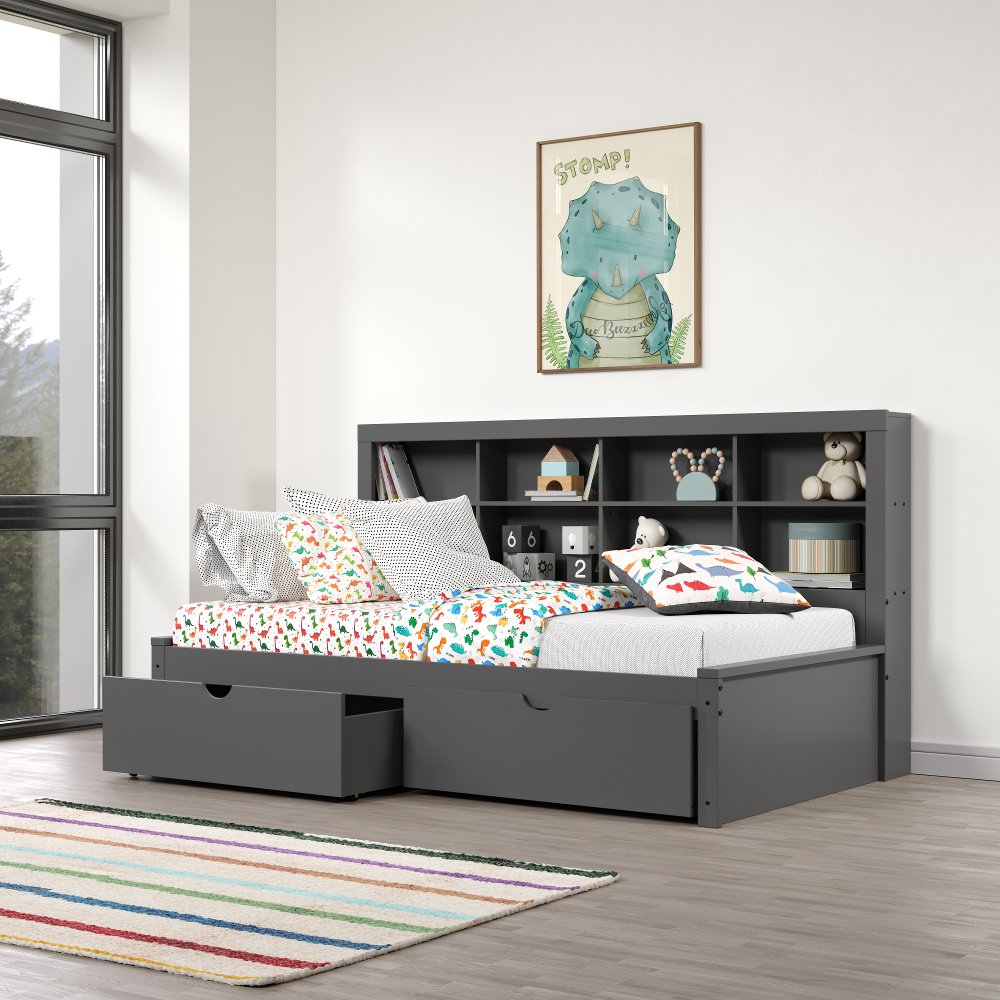
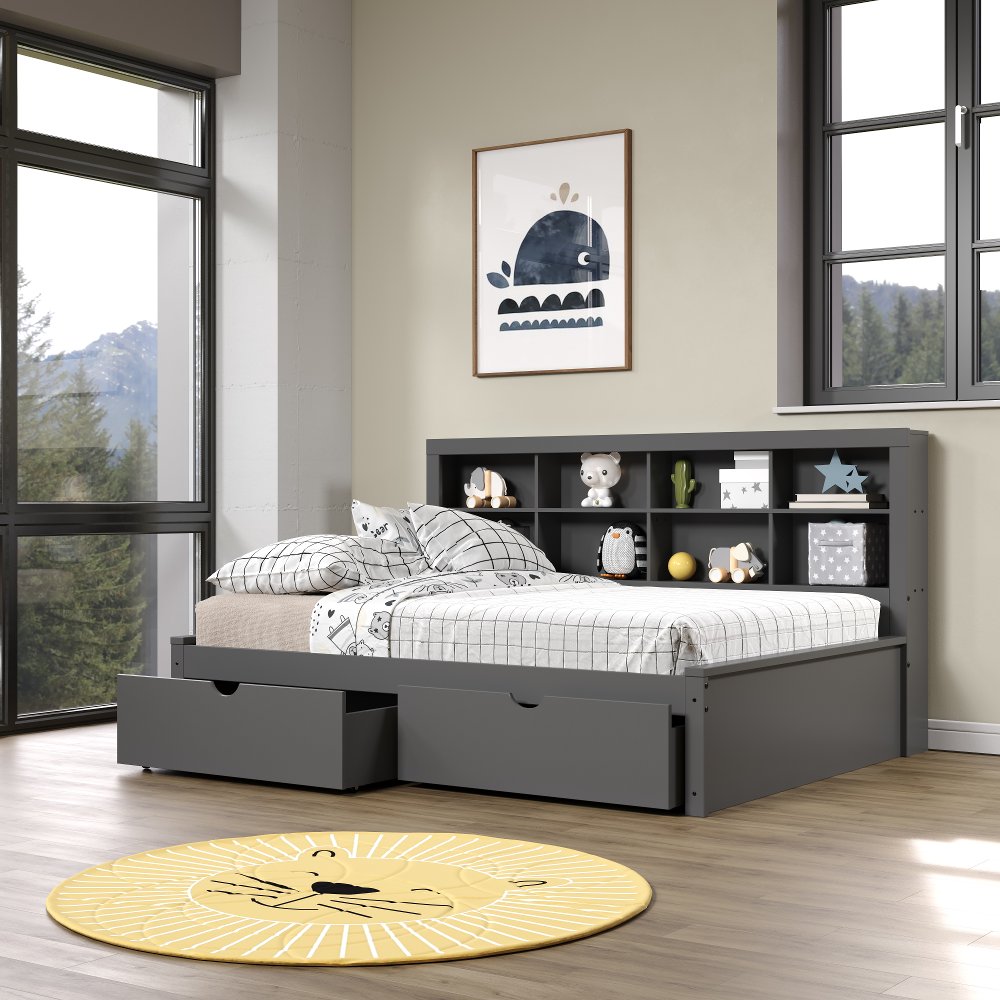
A transitional daybed with a trundle adds another sleeping surface without keeping a second bed out all day, making it a practical option for siblings sharing occasional sleepovers or families hosting overnight visitors. Most pull-out trundles sit close to the floor, while some designs have mechanisms that raise the sleeping surface; check the details rather than expecting every trundle to work the same way. A low trundle may suit some guests better than others, particularly when getting up from a low bed is difficult. Measure the space needed to extend it fully, including room for someone to get in and out comfortably. Trundle mattresses often have strict thickness limits so they can slide beneath the main bed, and bedding may need to be removed before storage. Storage drawers offer a different kind of convenience, keeping extra sheets, pajamas, or blankets close by. Underbed space generally serves either storage or a trundle, so confirm the configuration and what’s included. Frames, mattresses, trundles, and drawers may be sold separately, and comparing the complete setup gives you a clearer picture of cost than looking at the frame price alone. If your room needs conventional sofa seating first and a tucked-away bed second, Transitional Sleeper Sofas offer another way to balance hosting with everyday comfort. A daybed makes particular sense when you want the sleeping surface accessible without unfolding a mechanism, or when someone will use it regularly as their main bed. For the finishing touches, choose bedding that’s easy to straighten and cushions that have somewhere to go at night. A nearby lamp, a small surface for a glass of water, and an accessible charging outlet help a multipurpose room feel considered rather than improvised. Keep the palette connected to the rest of your home, then bring in personality through a patterned pillow or textured quilt. With the right proportions, support, and features, a transitional daybed can handle everyday routines and overnight company while still looking like it belongs in the room.
Read More